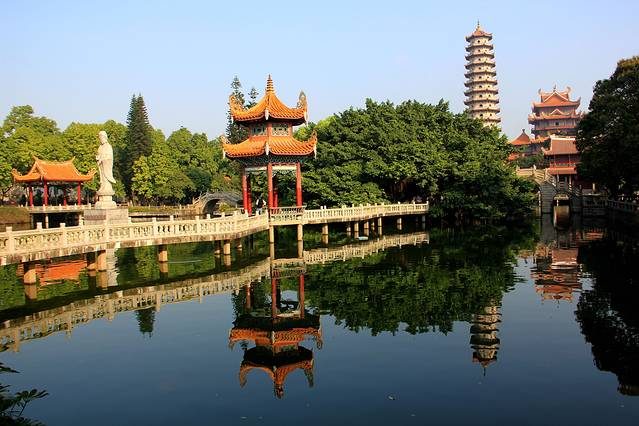
Xichan Temple
Founded in the Tang Xiantong era ("lychee trees through four dynasties, passed down from the Song"), one of Fuzhou's Five Great Chan Monasteries; Bao'en Pagoda (a 67 m multi-story stone pagoda); thousand-year-old lychee trees
Visitor info
- Opening hours
- 07:00-17:00
- Ticket
- CNY 20
Price is indicative — final quote on inquiry.
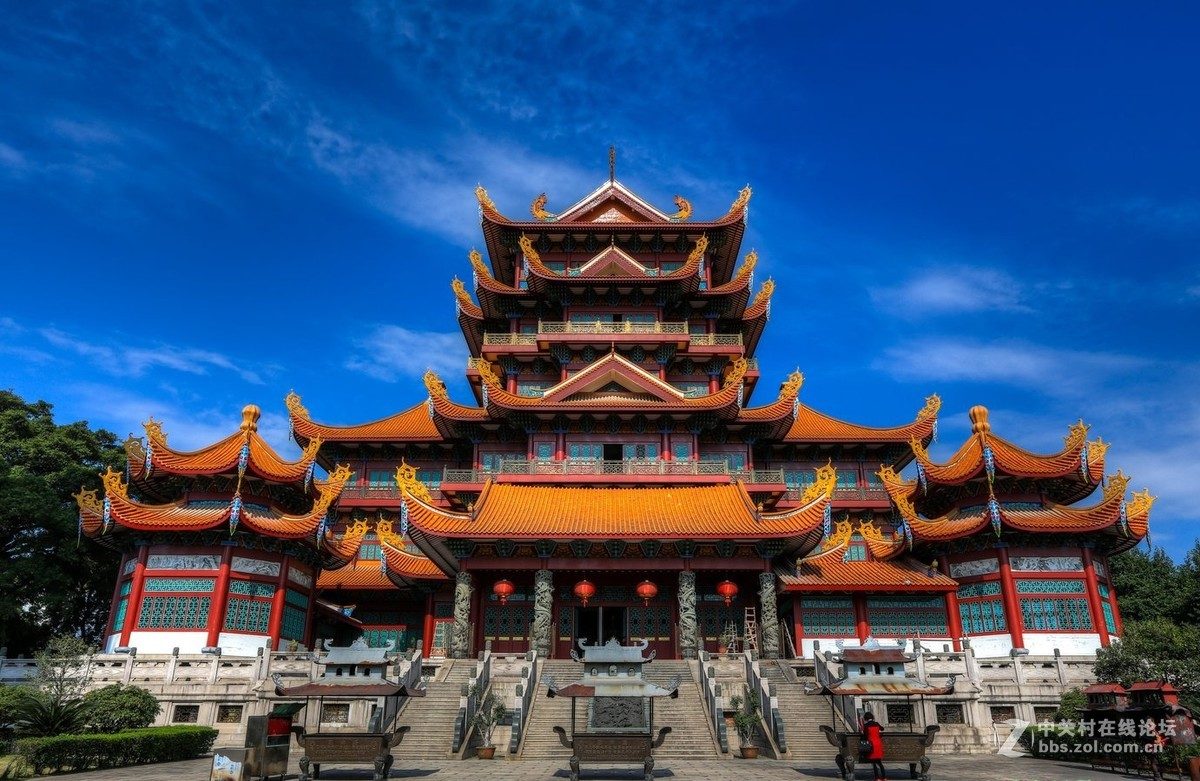
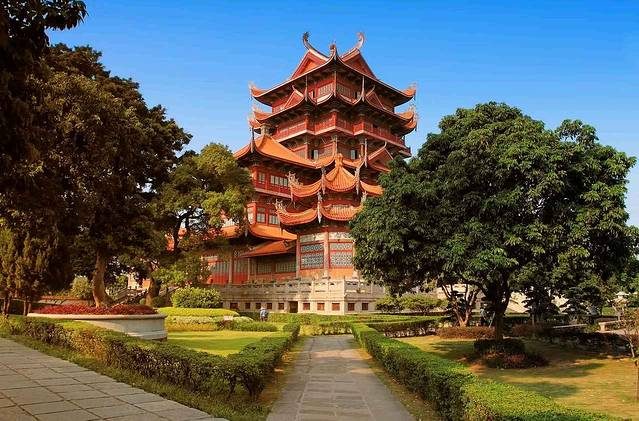
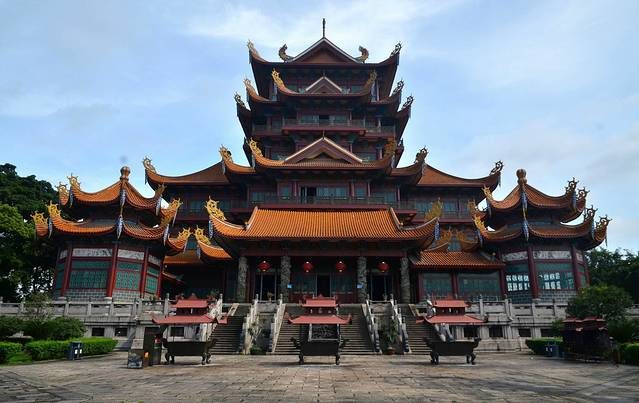
Founded in the Tang Xiantong era ("lychee trees through four dynasties, passed down from the Song"), one of Fuzhou's Five Great Chan Monasteries; Bao'en Pagoda (a 67 m multi-story stone pagoda); thousand-year-old lychee trees; a hundred-pillared corridor and Jade Buddha Hall. The temple was founded in the eighth year of the Tang Xiantong era (867), rising and falling several times through the Song, Ming and Qing, and has long been known by the saying "lychee trees through four dynasties, passed down from the Song" as one of Fuzhou's Five Great Chan Monasteries. A hundred-pillared corridor stretches through the temple, and the reclining Buddha of white jade from Myanmar enshrined in the Jade Buddha Hall is solemn and exquisite; the 67 m Bao'en Pagoda, a multi-tiered stone structure, is the most striking landmark in western Fuzhou, and climbing it affords distant views of the Min River. The thousand-year-old lychee trees are said to have been planted in the Song, their red fruit hanging in summer one of the old temple's sights; the literati tradition of "tasting lychees at Yishan" continues to this day, and ancient trees cast deep shade by the release pond in front of the temple — a realm of quiet within the bustling city.
Getting there: Bus / taxi (Gongye Road)
Photos
More in Fuzhou
- Three Lanes and Seven Alleys (Sanfang Qixiang)
"Museum of Ming and Qing architecture"—China's largest and best-preserved historic and cultural district: Yijin Fang / Wenru Fang / Guanglu Fang + Yangqiao Alley / Langguan Alley / Ta Alley / Huang Alley / Anmin Alley / Gong Alley / Jibi Alley
- Former Residence of Lin Juemin and Bing Xin
One courtyard, two famous figures ('Letter to My Wife' was written here)
- Former Residence of Yan Fu
Late-life home of Yan Fu, translator of 'Evolution and Ethics' (a Qing-dynasty flower hall), with displays of his "natural selection" manuscripts
- Water Pavilion Stage
A water stage in a private mansion built in the Ming Wanli era (Fuzhou's only surviving private water stage); Min opera / pingshu storytelling performances
- Nanhou Street (South Back Street)
The "central axis of lane culture," with time-honored shops for Shoushan stone carving, oil-paper umbrellas, and bodiless lacquerware; a chinaberry-tree streetscape
- Wuta (Black Pagoda) · Baita (White Pagoda)
The Tang-era "Jingguang Pagoda" (Wuta, stone octagonal seven-story) and Dingguang Pagoda (Baita, brick-built), Fuzhou's "Two Pagodas" landmarks facing each other from Yu Hill and Wu Hill (the "Three Hills and Two Pagodas" layout of the old city)