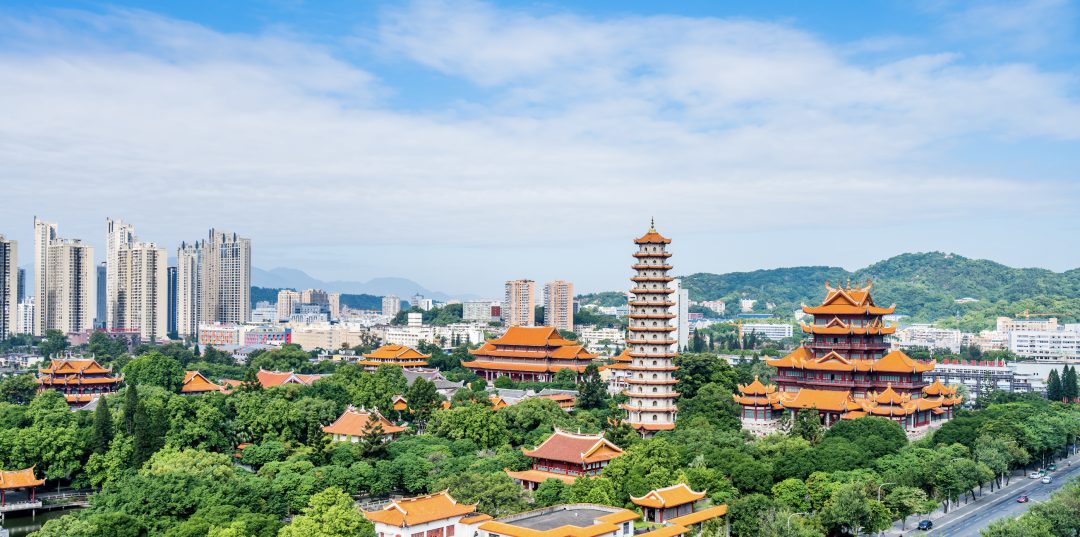
West Lake Park
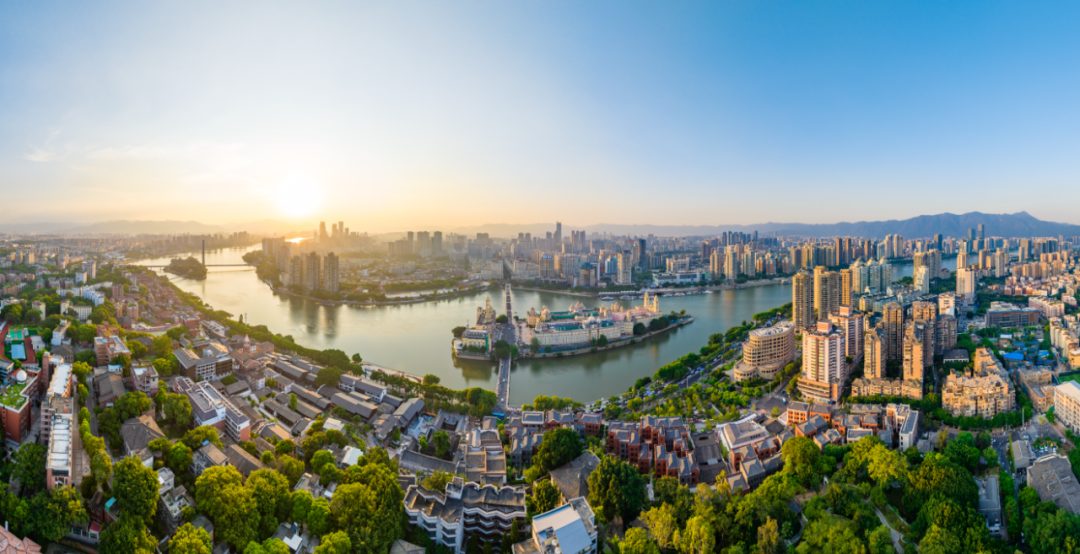
1,700+ years of history (built in 282 in the Jin Taikang era), Fuzhou's best-preserved classical garden, one of the best viewpoints of the 'three hills, two pagodas and one river', with Kaihua Islet, Xieping Islet and Yudai Bridge
Visitor info
- Opening hours
- Open all day
- Ticket
- Free
Price is indicative — final quote on inquiry.
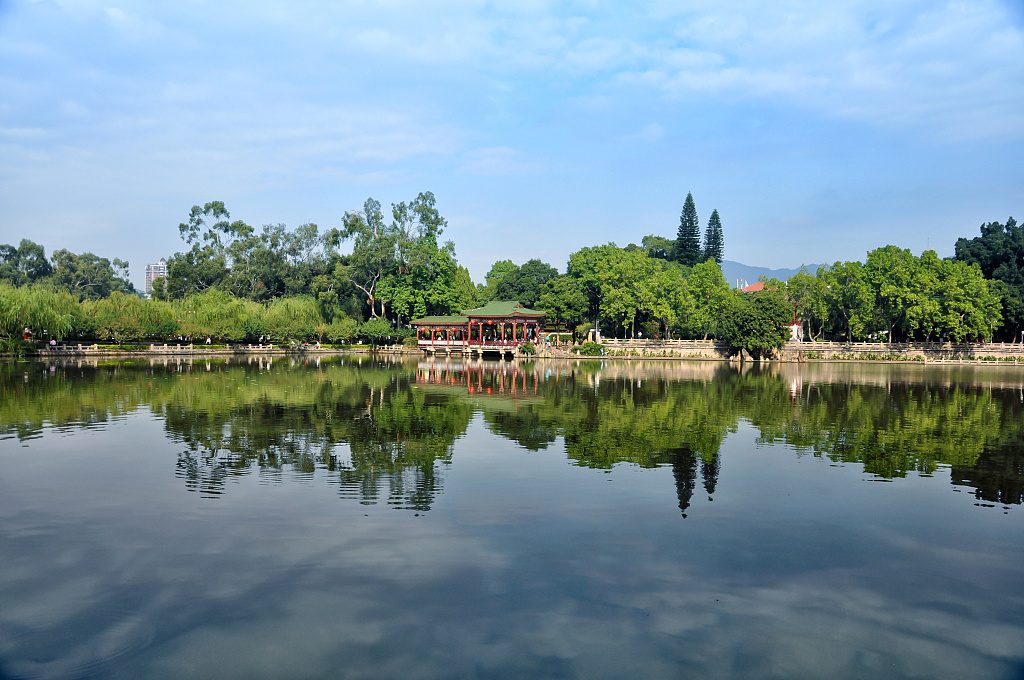
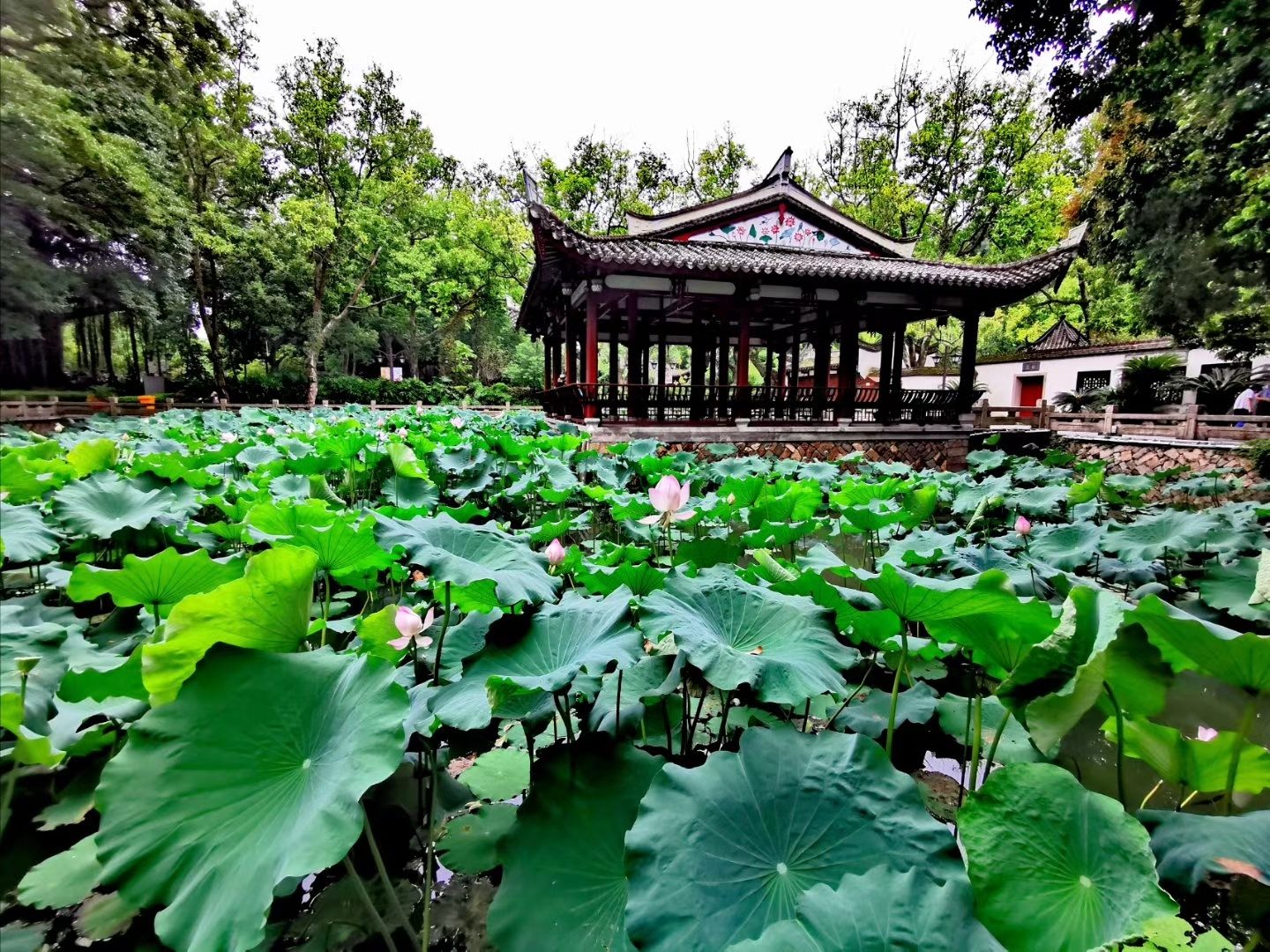
1,700+ years of history (built in 282 in the Jin Taikang era) — Fuzhou's best-preserved classical garden, one of the finest viewpoints of the 'three hills, two pagodas and one river', with Kaihua Islet, Xieping Islet and Yudai Bridge. Dug in 282, the third year of the Taikang era of the Jin dynasty, by prefect Yan Gao, its 1,700-plus years make it the most completely preserved classical garden in Fuzhou — sharing a name with Hangzhou's West Lake yet older. Kaihua Islet and Xieping Islet are linked by the Yudai (Jade Belt) Bridge and Feihong (Flying Rainbow) Bridge, willow causeways line the banks and lotus scent fills the lake; the Song lyricist Xin Qiji once praised it: 'Hejian Lake is no match for this lake's beauty'. In the garden, Kaihua Temple and Wanzai Hall shelter among ancient banyans; morning tai chi and pinghua storytelling, lantern-lit pleasure boats at dusk — scenes of old Fuzhou life. The Fujian Museum and an art gallery ring the lakeshore, so culture and lake scenery come in one stop.
Getting there: Hubin Road
Photos
More in Fuzhou
- Three Lanes and Seven Alleys (Sanfang Qixiang)
"Museum of Ming and Qing architecture"—China's largest and best-preserved historic and cultural district: Yijin Fang / Wenru Fang / Guanglu Fang + Yangqiao Alley / Langguan Alley / Ta Alley / Huang Alley / Anmin Alley / Gong Alley / Jibi Alley
- Former Residence of Lin Juemin and Bing Xin
One courtyard, two famous figures ('Letter to My Wife' was written here)
- Former Residence of Yan Fu
Late-life home of Yan Fu, translator of 'Evolution and Ethics' (a Qing-dynasty flower hall), with displays of his "natural selection" manuscripts
- Water Pavilion Stage
A water stage in a private mansion built in the Ming Wanli era (Fuzhou's only surviving private water stage); Min opera / pingshu storytelling performances
- Nanhou Street (South Back Street)
The "central axis of lane culture," with time-honored shops for Shoushan stone carving, oil-paper umbrellas, and bodiless lacquerware; a chinaberry-tree streetscape
- Wuta (Black Pagoda) · Baita (White Pagoda)
The Tang-era "Jingguang Pagoda" (Wuta, stone octagonal seven-story) and Dingguang Pagoda (Baita, brick-built), Fuzhou's "Two Pagodas" landmarks facing each other from Yu Hill and Wu Hill (the "Three Hills and Two Pagodas" layout of the old city)