Yandai Xiejie (Skewed Tobacco Pouch Street)
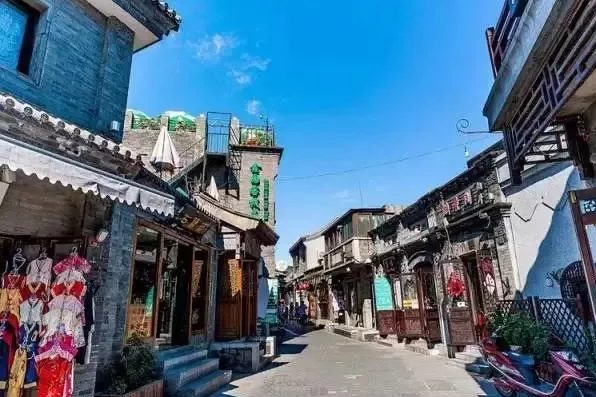
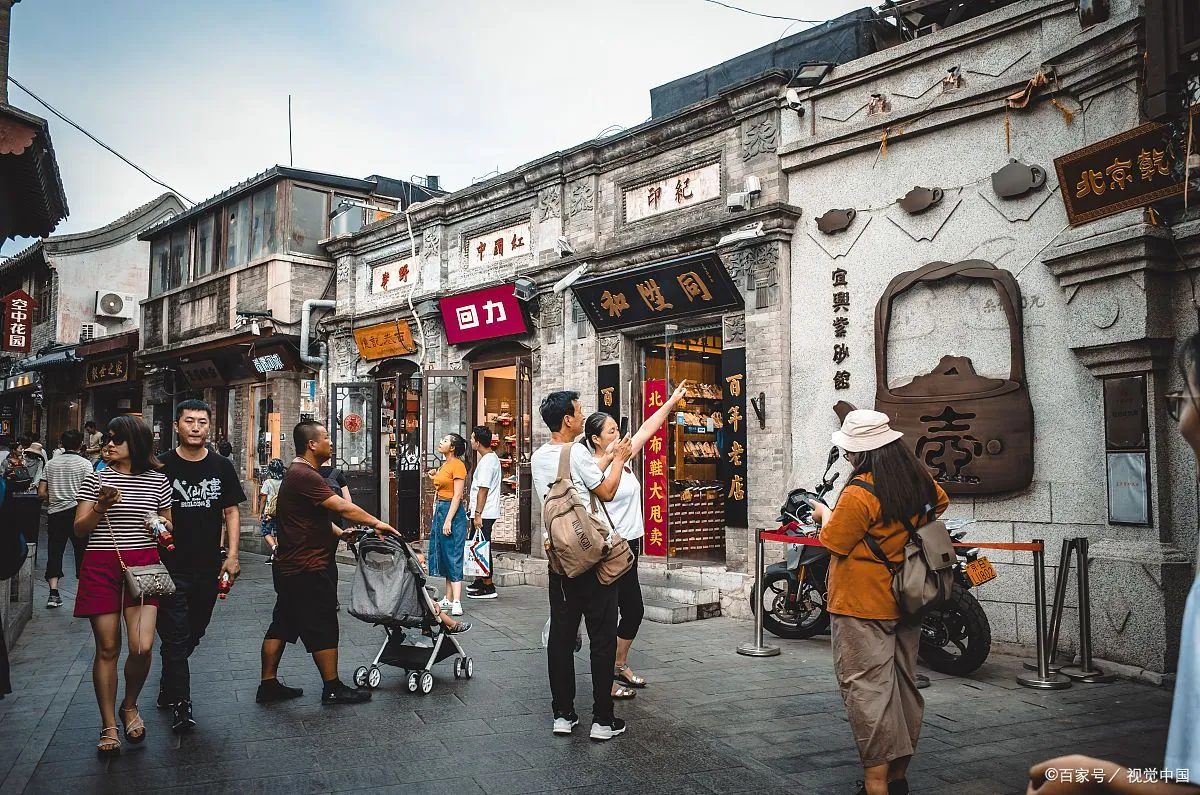
A slanted street off Di'anmen Outer Street, named after the tobacco-pouch shops of the Qing dynasty (bannermen's fondness for smoking gear turned it into a whole trade): about 230 m long, it links Di'anmen with Yinding Bridge and is the shortest and densest commercial slanted street around Shichahai — the street itself is a "street fossil" formed after a Yuan dynasty grain-transport canal silted up…
Visitor info
- Opening hours
- Open all day
- Ticket
- Free
Price is indicative — final quote on inquiry.
A slanted street off Di'anmen Outer Street, named after the tobacco-pouch shops of the Qing dynasty (bannermen's fondness for smoking gear turned it into a whole trade): about 230 m long, it links Di'anmen with Yinding Bridge and is the shortest and densest commercial slanted street around Shichahai — the street itself is a "street fossil" formed after a Yuan dynasty grain-transport canal silted up. Time-honored shops and small curio stores coexist here; at dusk, walk from the street to Yinding Bridge to watch the sunset over the Western Hills and fully relive the classic scene of "viewing the mountains from Yinding Bridge" — a concentrated strip of old Beijing folk charm.
Getting there: Along Di'anmen Outer Street
Photos
More in Beijing
- Summer Palace
Kunming Lake, the Long Corridor and Marble Boat of the imperial resort.
- The Forbidden City
The world's largest palace complex, 9,999 rooms of Ming and Qing emperors.
- Mutianyu Great Wall
The restored, less-crowded Great Wall section with a toboggan descent.
- Temple of Heaven
Where emperors prayed for harvest; morning tai chi in the cypress park.
- Tiananmen Square
One of the world's largest city squares, about 880 m long north to south and able to hold a million people—the core space of Beijing's Central Axis: the founding ceremony of the PRC was held here on October 1, 1949; the Monument to the People's Heroes stands at the center, the Great Hall of the People on the west, and on the east the China...
- The Palace Museum (Forbidden City)
Completed in the 18th year of Ming Yongle (1420), the imperial palace where 24 emperors of the Ming and Qing dynasties lived and ruled, formerly the Forbidden City: covering 720,000 sq m with over 8,700 rooms, the world's largest and best-preserved wooden palace complex