Bell and Drum Towers
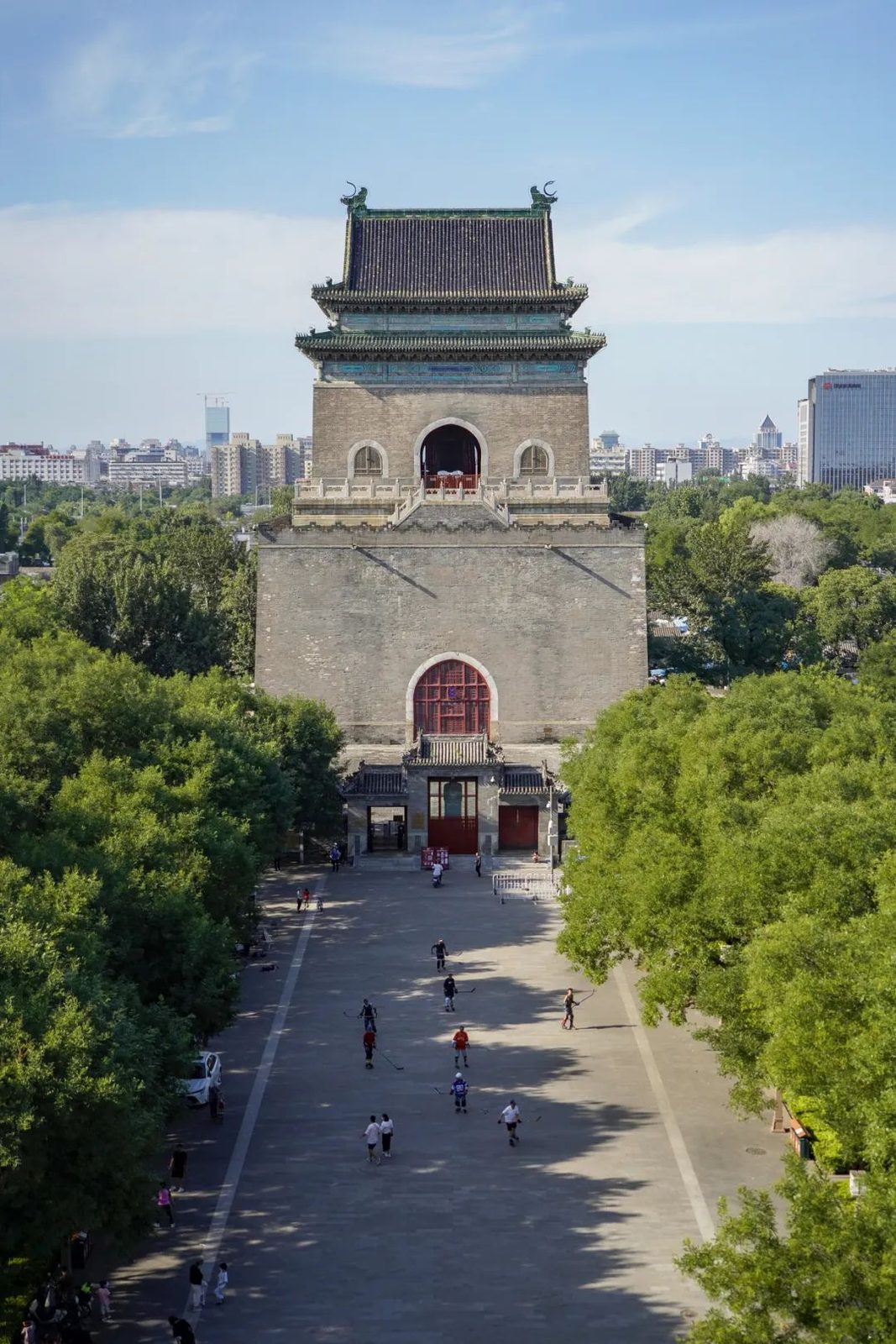
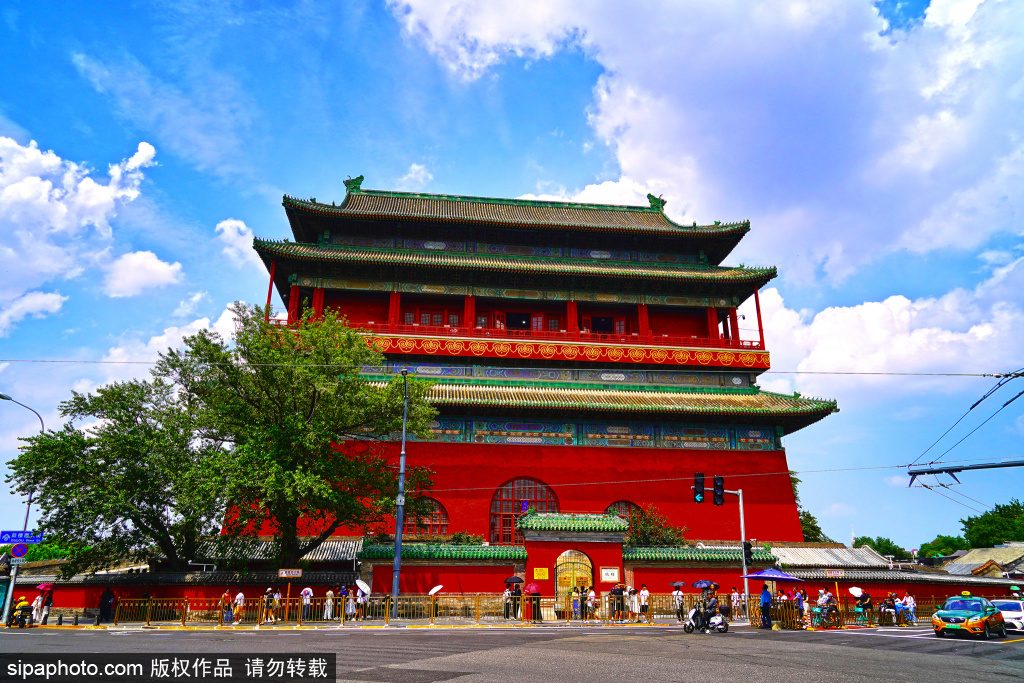
A timekeeping building complex at the north end of Beijing's Central Axis: the capital's "drums at dusk, bells at dawn" system ran from Yuan Dadu to the late Qing; the Drum Tower stands over 40 m tall with one main drum and 24 drums symbolizing the 24 solar terms, while the Bell Tower hangs the great Ming Yongle bronze bell (weighing dozens of tons, the heaviest ancient bell surviving in...
Visitor info
- Opening hours
- 09:00-17:00
- Ticket
- Combined ticket CNY 30
Price is indicative — final quote on inquiry.
A timekeeping building complex at the north end of Beijing's Central Axis: the capital's "drums at dusk, bells at dawn" system continued from Yuan Dadu to the late Qing. The Drum Tower, over 40 m tall, houses one main drum and 24 drums symbolizing the 24 solar terms; the Bell Tower hangs the great Ming Yongle bronze bell (weighing dozens of tons, the heaviest ancient bell surviving in Beijing). On-the-hour drum performances recreate the ancient timekeeping scene; climb the tower to look north toward the end of the Central Axis. As the axis' "building of time", it echoes the Temple of Heaven's "building of space" at the other end; in 2024 it was inscribed on the World Heritage List as part of the Beijing Central Axis.
Getting there: Metro Line 2, Gulou Dajie Station / Line 8, Shichahai Station
Photos
More in Beijing
- Summer Palace
Kunming Lake, the Long Corridor and Marble Boat of the imperial resort.
- The Forbidden City
The world's largest palace complex, 9,999 rooms of Ming and Qing emperors.
- Mutianyu Great Wall
The restored, less-crowded Great Wall section with a toboggan descent.
- Temple of Heaven
Where emperors prayed for harvest; morning tai chi in the cypress park.
- Tiananmen Square
One of the world's largest city squares, about 880 m long north to south and able to hold a million people—the core space of Beijing's Central Axis: the founding ceremony of the PRC was held here on October 1, 1949; the Monument to the People's Heroes stands at the center, the Great Hall of the People on the west, and on the east the China...
- The Palace Museum (Forbidden City)
Completed in the 18th year of Ming Yongle (1420), the imperial palace where 24 emperors of the Ming and Qing dynasties lived and ruled, formerly the Forbidden City: covering 720,000 sq m with over 8,700 rooms, the world's largest and best-preserved wooden palace complex