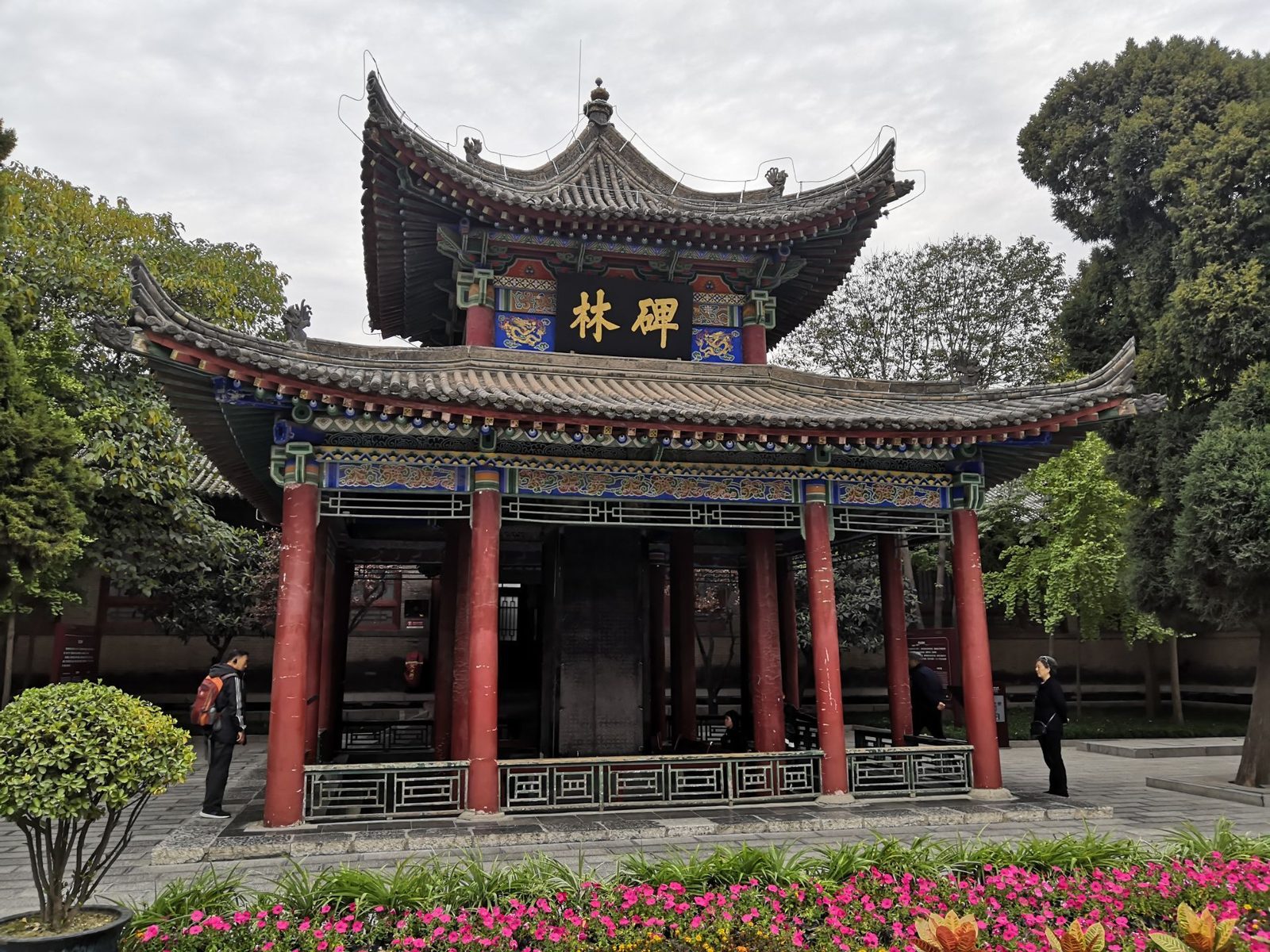
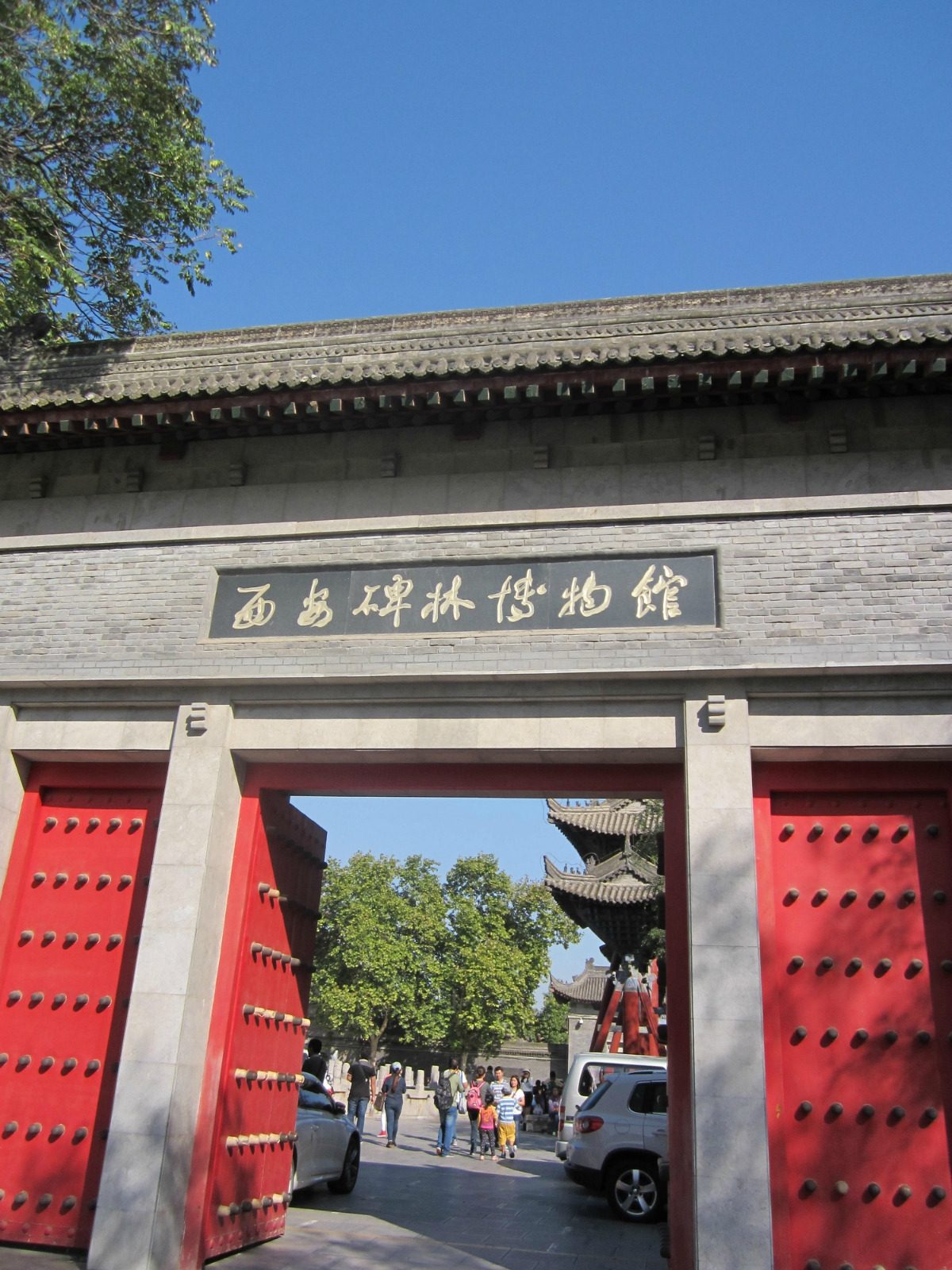
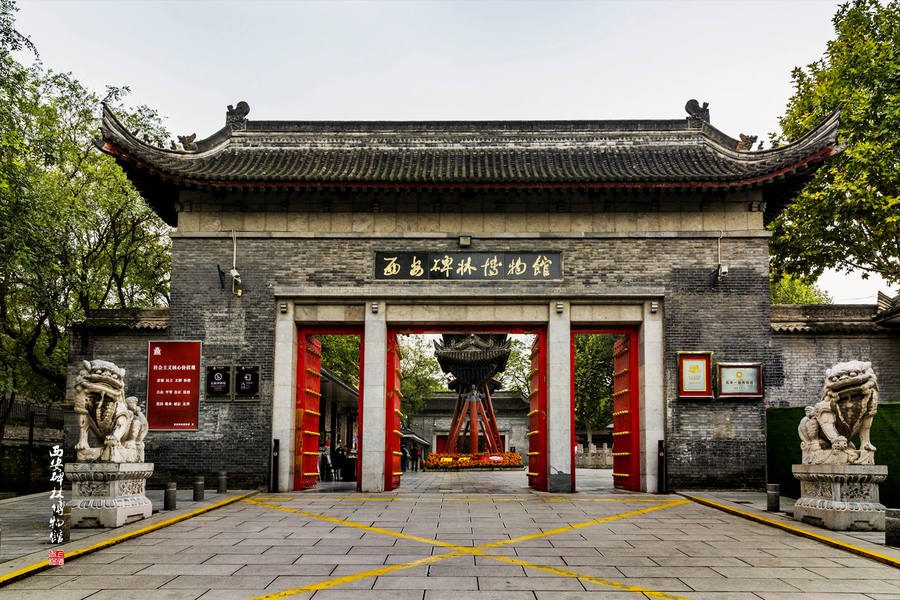
Forest of Stone Steles Museum
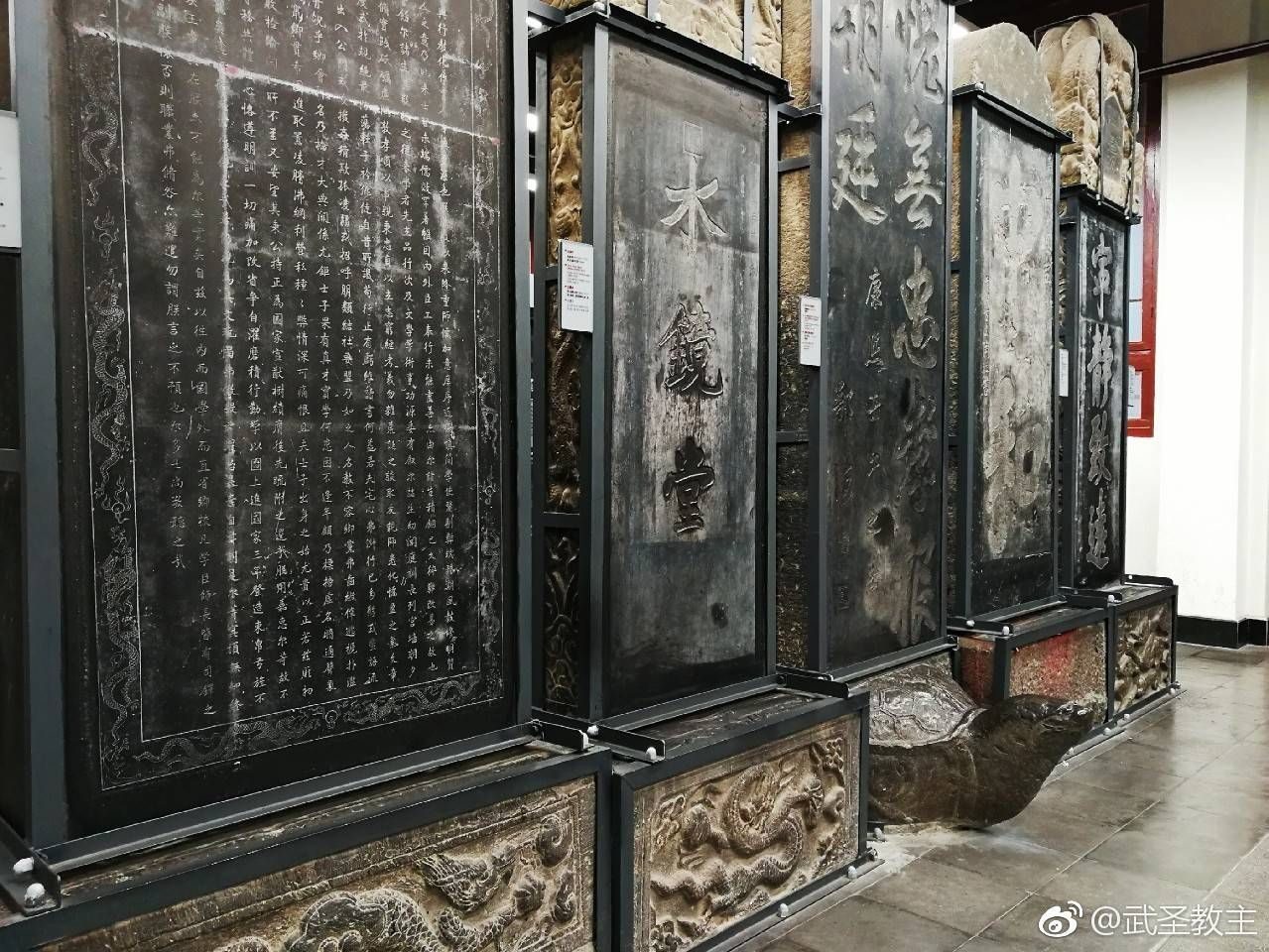
A treasury of stone inscriptions built in the 2nd year of Yuanyou of the Northern Song Dynasty (1087): Over 900 years of history, housing more than 3,000 steles. The Stone Platform Classic of Filial Piety and the Kaicheng Stone Classics (650,000 characters of Tang dynasty Confucian classics), the Nestorian Stele, Yan Zhenqing's Precious Pagoda Stele, and Liu Gongquan's Xuanmi Pagoda Stele are famous calligraphy steles; the Six Steeds of Zhaoling (four real steeds) represent the peak of Tang stone carving. A holy land of calligraphy, known as the 'China Stone Carving Art Museum'.
Visitor info
- Opening hours
- 08:00-18:00 (peak season)
- Ticket
- CNY 65
Price is indicative — final quote on inquiry.
A treasury of stone inscriptions built in the 2nd year of Yuanyou of the Northern Song Dynasty (1087): Over 900 years of history, housing more than 3,000 steles. The Stone Platform Classic of Filial Piety and the Kaicheng Stone Classics (650,000 characters of Tang dynasty Confucian classics), the Nestorian Stele, Yan Zhenqing's Precious Pagoda Stele, and Liu Gongquan's Xuanmi Pagoda Stele are famous calligraphy steles; the Six Steeds of Zhaoling (four real steeds) represent the peak of Tang stone carving. A holy land of calligraphy, known as the 'China Stone Carving Art Museum'. CNY 65 admission, 08:00-18:00 (peak season), walkable from Yongningmen Station on Metro Line 2. Calligraphy enthusiasts are advised to set aside half a day and hire a guide.
Photos
More in Xi'an
- Big Wild Goose Pagoda
Tang-dynasty Buddhist pagoda with nightly musical fountain.
- Muslim Quarter
Lantern-lit food alleys behind the Drum Tower since the Tang dynasty.
- Terracotta Army
8,000 life-size clay warriors guarding Emperor Qin Shi Huang since 210 BC.
- Xi'an City Wall
Ride a bicycle on the best-preserved Ming city wall in China.
- Emperor Qinshihuang's Mausoleum Site Museum
Discovered by villager Yang Zhifa while digging a well in 1974, the "Eighth Wonder of the World": Over 6,000 terracotta warriors in the First Pit infantry formation with "a thousand faces, a thousand looks"; the Second Pit features mixed arms formations and kneeling archers and green-faced figures; the Third Pit is the command headquarters; the Bronze Chariot and Horse Museum's First Chariot and Second Chariot are known as the "Crown of Bronze..."
- Emperor Qinshihuang's Mausoleum (Lishan Garden)
The resting place of China's first emperor (built for 38 years, mobilizing 720,000 laborers): The burial mound has not been excavated—legends state it was "filled with mercury to simulate rivers, lakes, and seas" to mimic the terrain, which awaits archaeological verification; pit burials such as the Acrobatics Pit, Civil Official Pit, and Stone Armor Pit display the skills of various trades in the Qin Dynasty.