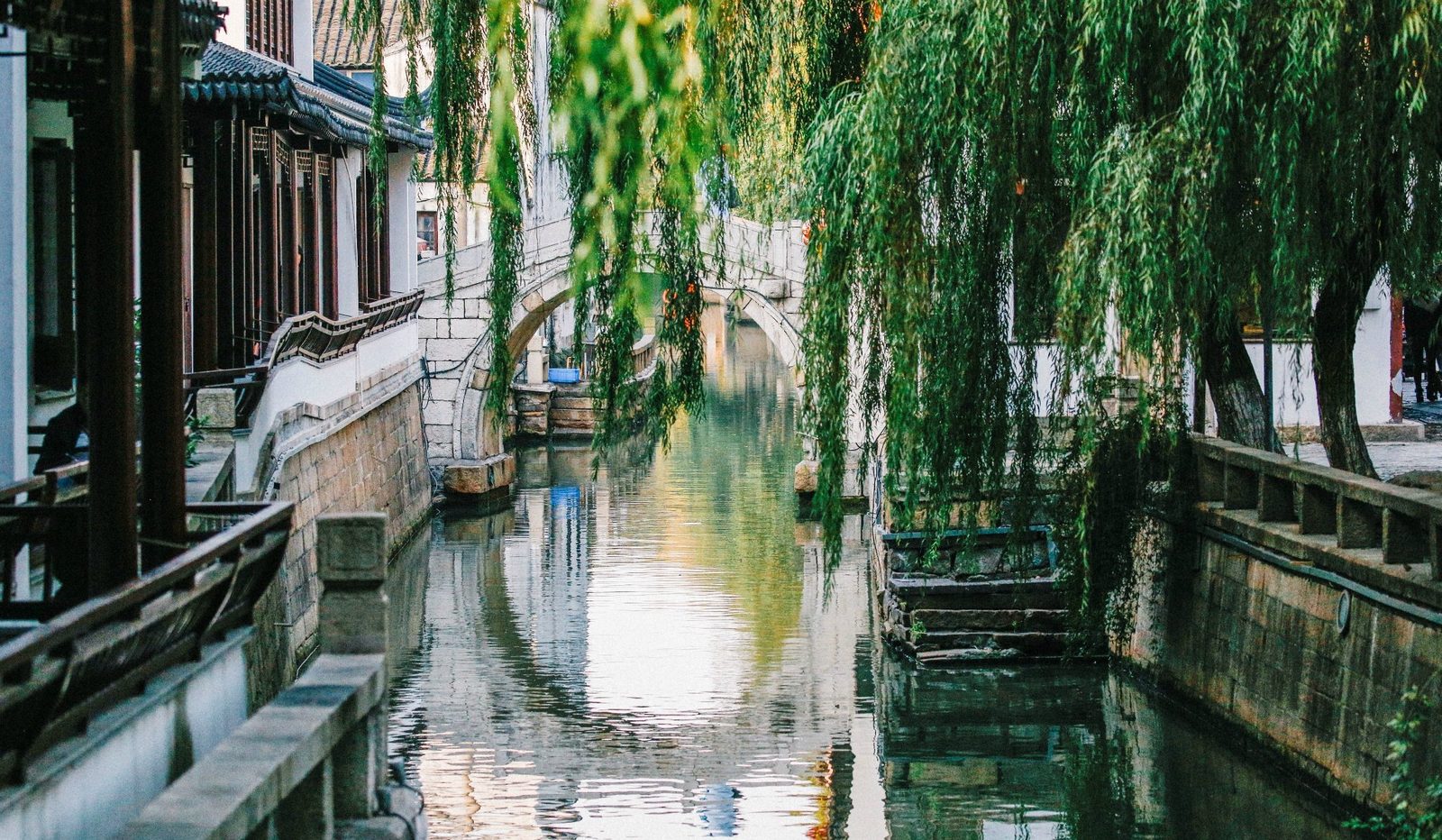
Changshu Yushan Mountain · Shanghu Lake
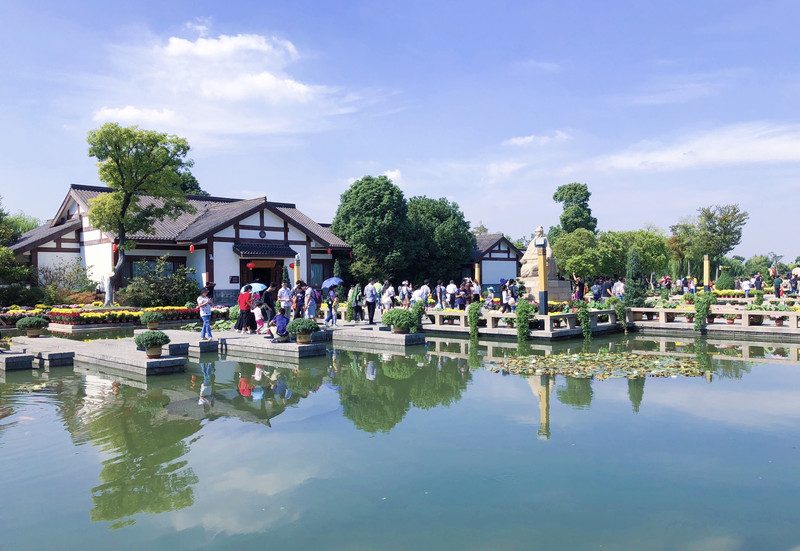
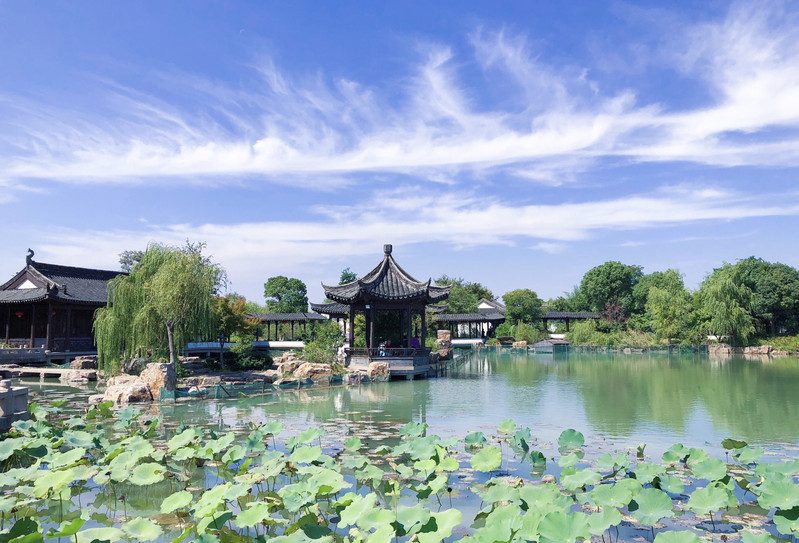
Yushan Mountain (tombs of Zhongyong and Yanzi / Jianmen strange rocks), Shanghu Lake (legend of Jiang Taigong fishing, peony festival in April / lotus fragrance in July), Shajiabang reed marsh (prototype of the revolutionary classic "Shajiabang", scenic area CNY 80)
Visitor info
- Opening hours
- 08:00-16:30
- Ticket
- Shanghu Lake CNY 60 / Yushan Mountain CNY 30
Price is indicative — final quote on inquiry.
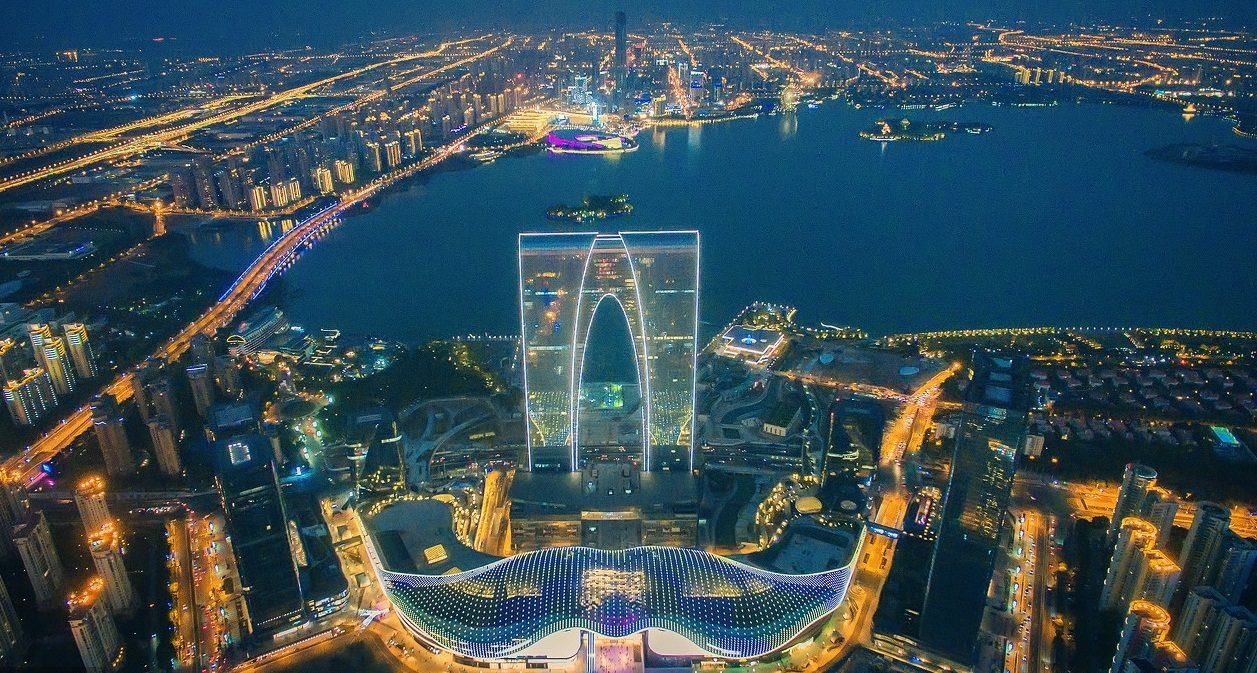
Yushan Mountain (tombs of Zhongyong and Yanzi / Jianmen strange rocks), Shanghu Lake (legend of Jiang Taigong fishing, peony festival in April / lotus fragrance in July), Shajiabang reed marsh (prototype of the revolutionary classic "Shajiabang", scenic area CNY 80). Changshu's Yushan Mountain is named after Zhongyong (Yuzhong), the Shang-Zhou-era sage buried here; halfway up, the Jianmen rocks stand split like a gate, and the tombs of Zhongyong and Yanzi (Confucius' only southern disciple) make the mountain a place to trace the origins of Wu culture; Shanghu Lake at its foot takes its name from the legend that Jiang Taigong lived in seclusion and fished here, with the April peony festival and the July lotus fragrance as the two great floral events by the lake. The prototype setting of the Peking opera "Shajiabang" lies in the reed marshes beside Shanghu Lake, where Chunlai Teahouse and the reed-marsh maze recreate the classic scenes of New Fourth Army soldiers recuperating on the banks of Yangcheng Lake. Changshu is reachable by high-speed rail, the three sights of "mountain, lake and marsh" line up along one route, and beyond Suzhou cuisine, Changshu steamed dishes add another culinary landmark—making it a good one-day extension from Suzhou.
Getting there: D-train to Changshu / self-drive
Photos
More in Suzhou
- Humble Administrator's Garden
Built in the fourth year of the Ming Zhengde reign (1509) by Wang Xianchen, with Wen Zhengming participating in the design, the 'Mother of Chinese Gardens' (a representative Jiangnan garden): Hall of Distant Fragrance / Little Flying Rainbow (Suzhou's only covered bridge) / 'With Whom Shall I Sit' Pavilion
- Suzhou Museum (Main Building)
I.M. Pei's final masterpiece (opened 2006), 'Chinese yet new, Suzhou yet new'; the sliced-rock hillside borrows the white wall of the Humble Administrator's Garden as its backdrop
- Lion Grove Garden
Built in 1342 (2nd year of the Yuan Zhizheng era) by Zen Master Tianru (Lion Grove Chan Temple); a labyrinth of Taihu Lake rockeries ('kingdom of rockeries', nine interweaving routes); Emperor Qianlong visited six times and inscribed 'True Delight'
- Lingering Garden
Xu Taishi built the East Garden in the Ming Wanli era; Liu Shu's Hanbi (Cold Green) Villa in the Qing dynasty
- Master of the Nets Garden
Site of Southern Song Shi Zhengzhi's Wanjuan Hall ('Fisherman's Retreat'); rebuilt in the Qianlong era of the Qing by Song Zongyuan as the 'Master of the Nets' (fisherman, his self-styled name)
- Canglang Pavilion
Built in 1045 (5th year of the Northern Song Qingli era) by Su Shunqin, Suzhou's oldest surviving garden ('scenery before you enter the gate' — double corridor with lattice windows); the famous couplet 'A clear breeze and bright moon are priceless' (assembled from lines by Ouyang Xiu and Su Shunqin)