
Huajue Lane Great Mosque
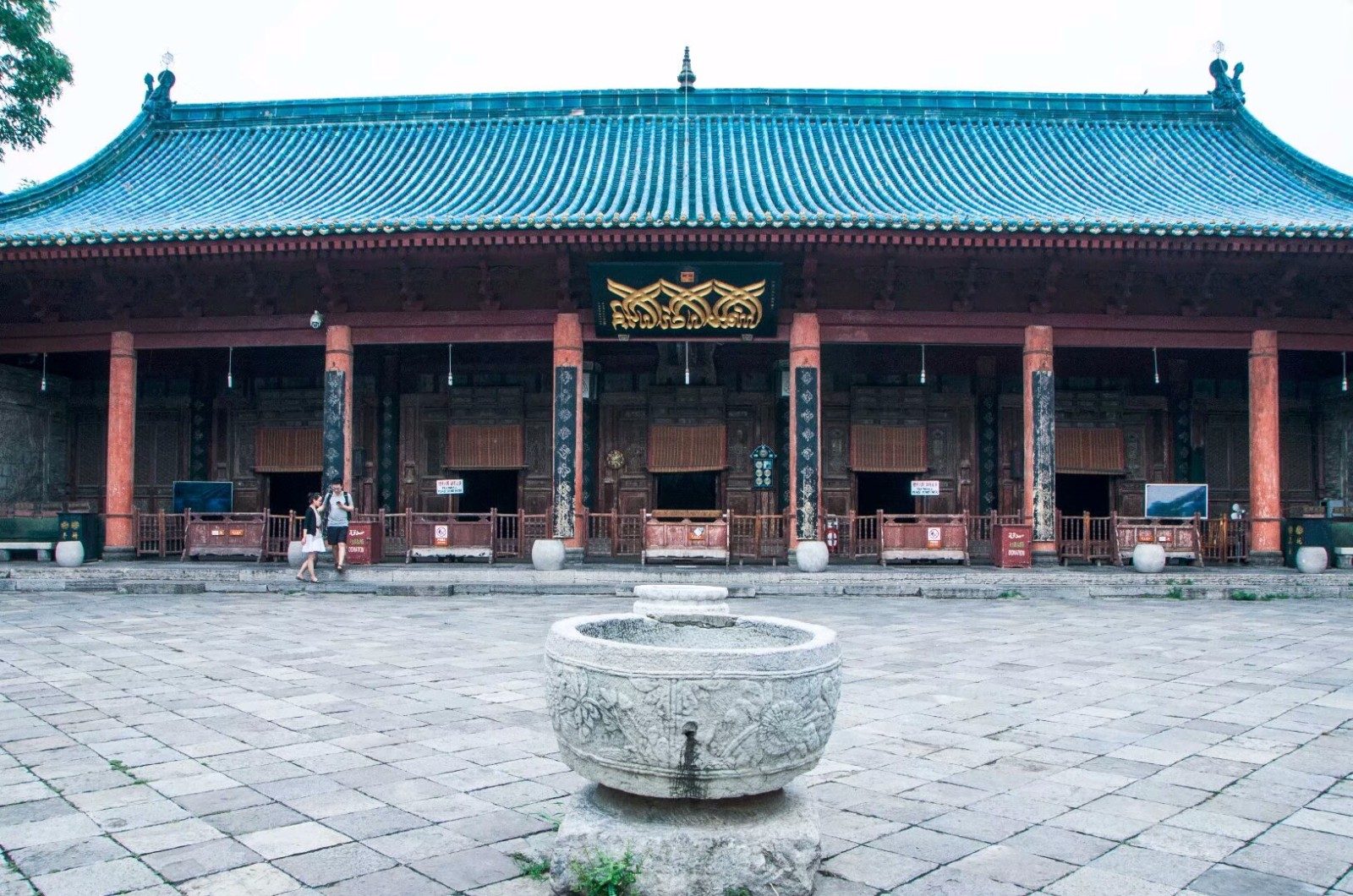
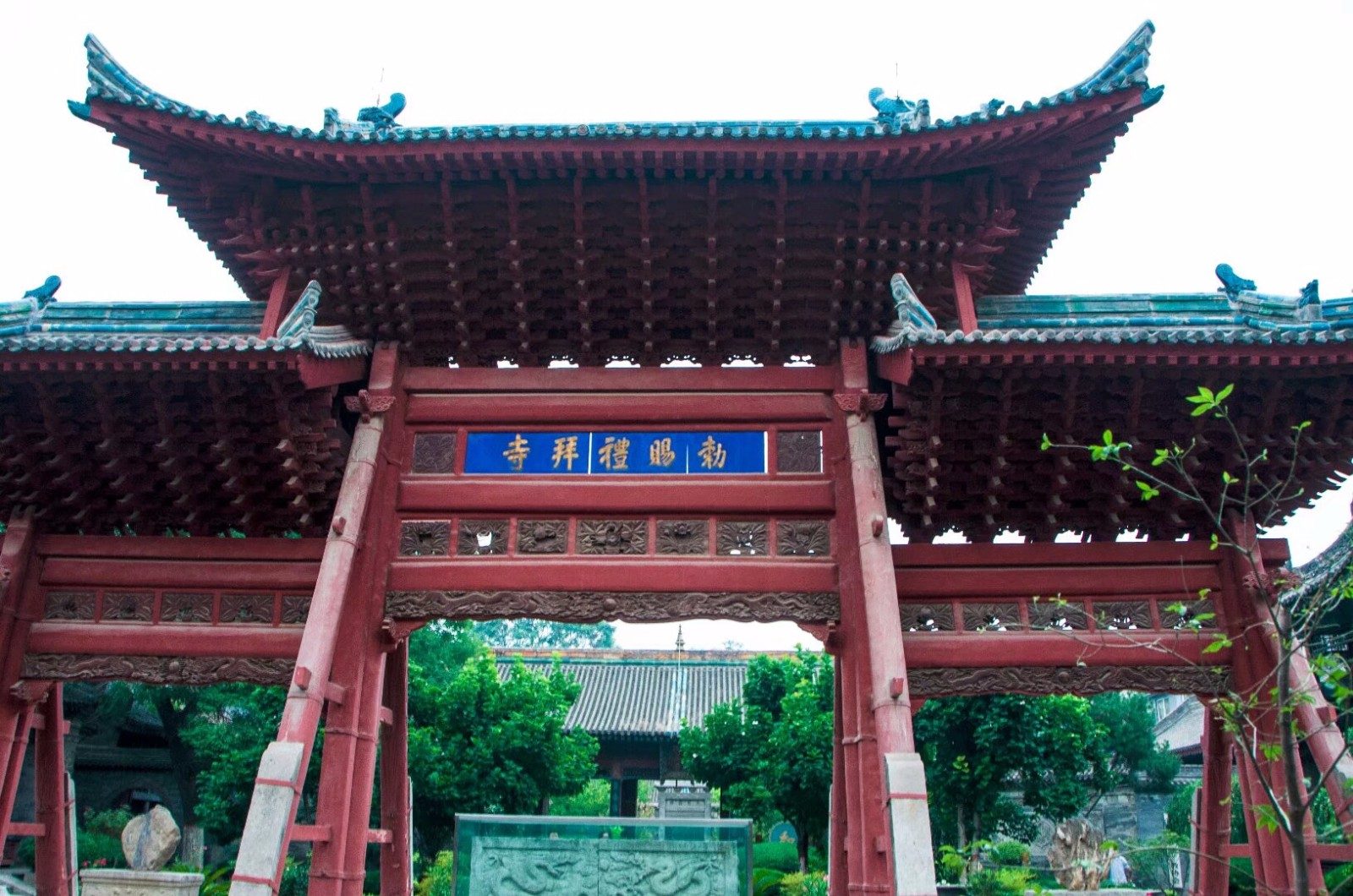
Built in the 1st year of Tianbao of the Tang Dynasty (742) legend, rebuilt in the Ming Dynasty: A mosque with a Chinese-style garden layout — Shengxin Pavilion and Phoenix Pavilion wooden archways form a unique architectural example of 'Chinese-Arab fusion', rich display of world Islamic artifacts.
Visitor info
- Opening hours
- 08:00-19:00
- Ticket
- 25 CNY
Price is indicative — final quote on inquiry.
Built in the 1st year of Tianbao of the Tang Dynasty (742) legend, rebuilt in the Ming Dynasty: A mosque with a Chinese-style garden layout — Shengxin Pavilion and Phoenix Pavilion wooden archways form a unique architectural example of 'Chinese-Arab fusion', rich display of world Islamic artifacts; located deep in Huajue Lane of the Muslim Quarter, it is a quiet place of worship amidst the bustle. CNY 25 ticket, 08:00-19:00, walkable inside the Muslim Quarter.
Getting there: Inside Muslim Quarter
Photos

More in Xi'an
- Big Wild Goose Pagoda
Tang-dynasty Buddhist pagoda with nightly musical fountain.
- Muslim Quarter
Lantern-lit food alleys behind the Drum Tower since the Tang dynasty.
- Terracotta Army
8,000 life-size clay warriors guarding Emperor Qin Shi Huang since 210 BC.
- Xi'an City Wall
Ride a bicycle on the best-preserved Ming city wall in China.
- Emperor Qinshihuang's Mausoleum Site Museum
Discovered by villager Yang Zhifa while digging a well in 1974, the "Eighth Wonder of the World": Over 6,000 terracotta warriors in the First Pit infantry formation with "a thousand faces, a thousand looks"; the Second Pit features mixed arms formations and kneeling archers and green-faced figures; the Third Pit is the command headquarters; the Bronze Chariot and Horse Museum's First Chariot and Second Chariot are known as the "Crown of Bronze..."
- Emperor Qinshihuang's Mausoleum (Lishan Garden)
The resting place of China's first emperor (built for 38 years, mobilizing 720,000 laborers): The burial mound has not been excavated—legends state it was "filled with mercury to simulate rivers, lakes, and seas" to mimic the terrain, which awaits archaeological verification; pit burials such as the Acrobatics Pit, Civil Official Pit, and Stone Armor Pit display the skills of various trades in the Qin Dynasty.