Mountain Villa with Embracing Beauty
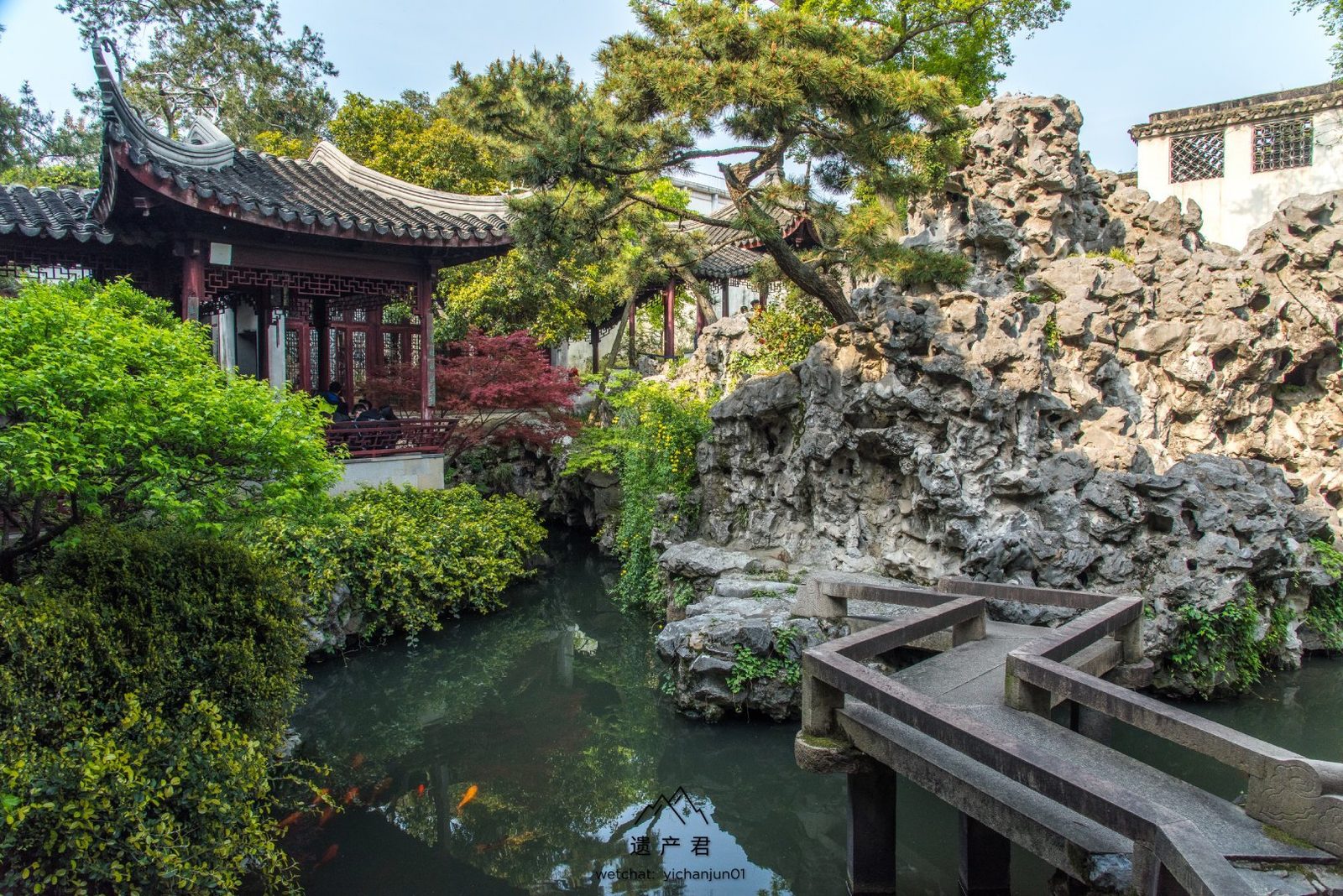
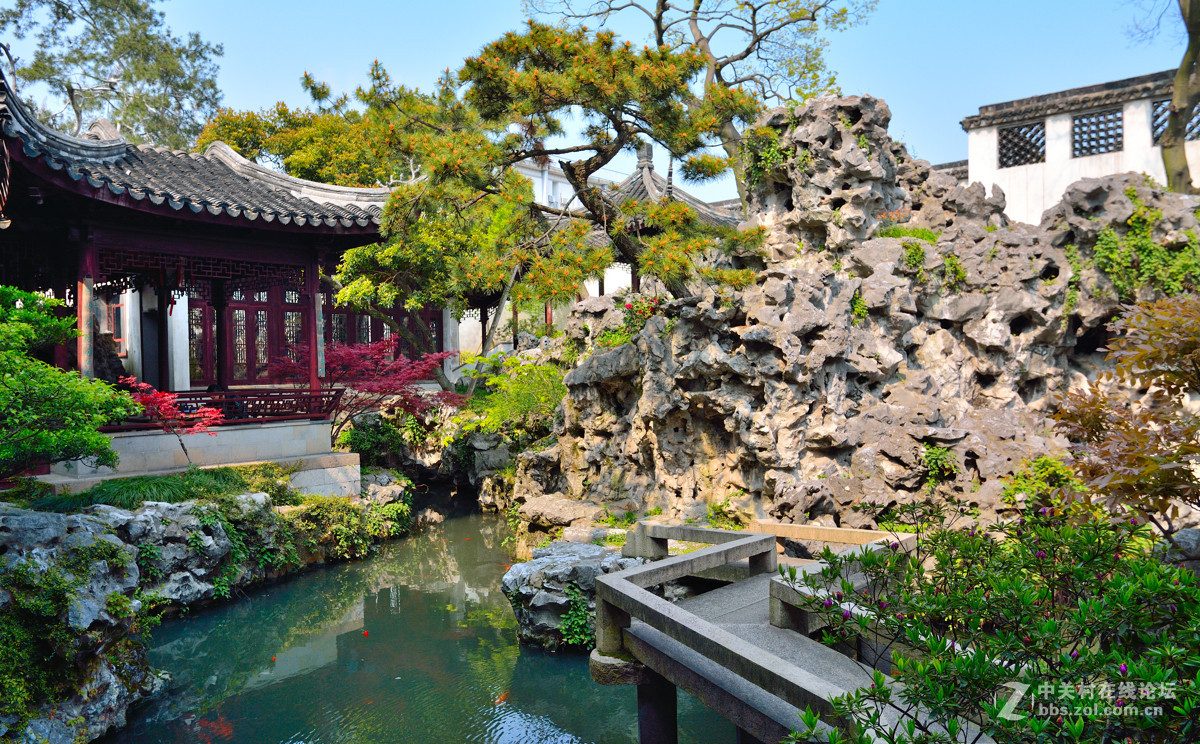
Qing Qianlong era — Ge Yuliang's stacked Taihu-stone rockery (“unrivaled in Jiangnan”: a thousand crags and ten thousand ravines on barely half a mu), the pinnacle of Chinese garden rockery
Visitor info
- Opening hours
- 08:00-17:00
- Ticket
- CNY 15
Price is indicative — final quote on inquiry.
The garden covers barely half a mu, yet its reputation rests on a single rockery: in the Qing Jiaqing era, master rockery artist Ge Yuliang stacked a Taihu-stone hill of no more than one mu that conjures a thousand crags and ten thousand ravines — gullies, valleys and caves all complete, caves inside the hill and ravines within the caves, with two looping, interlinked routes for climbing up and coming down. Chen Congzhou judged it “unrivaled in Jiangnan,” and it is widely held to be the summit of Chinese garden rockery. Ge's technique of “piecing together large Taihu stones along their natural fold lines” makes the hill look like a corner cut from a real mountain; later rockery builders have all taken it as their model. The villa now sits inside the Suzhou Embroidery Research Institute compound; the garden is small and quiet, embroiderers often work in the pavilions and corridors, and the garden and Suzhou embroidery — two intangible heritages — mirror each other in one courtyard; admission is CNY 15, crowds are rare, ideal for readers with an eye for architecture and gardens.
Getting there: Jingde Road
Photos
More in Suzhou
- Humble Administrator's Garden
Built in the fourth year of the Ming Zhengde reign (1509) by Wang Xianchen, with Wen Zhengming participating in the design, the 'Mother of Chinese Gardens' (a representative Jiangnan garden): Hall of Distant Fragrance / Little Flying Rainbow (Suzhou's only covered bridge) / 'With Whom Shall I Sit' Pavilion
- Suzhou Museum (Main Building)
I.M. Pei's final masterpiece (opened 2006), 'Chinese yet new, Suzhou yet new'; the sliced-rock hillside borrows the white wall of the Humble Administrator's Garden as its backdrop
- Lion Grove Garden
Built in 1342 (2nd year of the Yuan Zhizheng era) by Zen Master Tianru (Lion Grove Chan Temple); a labyrinth of Taihu Lake rockeries ('kingdom of rockeries', nine interweaving routes); Emperor Qianlong visited six times and inscribed 'True Delight'
- Lingering Garden
Xu Taishi built the East Garden in the Ming Wanli era; Liu Shu's Hanbi (Cold Green) Villa in the Qing dynasty
- Master of the Nets Garden
Site of Southern Song Shi Zhengzhi's Wanjuan Hall ('Fisherman's Retreat'); rebuilt in the Qianlong era of the Qing by Song Zongyuan as the 'Master of the Nets' (fisherman, his self-styled name)
- Canglang Pavilion
Built in 1045 (5th year of the Northern Song Qingli era) by Su Shunqin, Suzhou's oldest surviving garden ('scenery before you enter the gate' — double corridor with lattice windows); the famous couplet 'A clear breeze and bright moon are priceless' (assembled from lines by Ouyang Xiu and Su Shunqin)