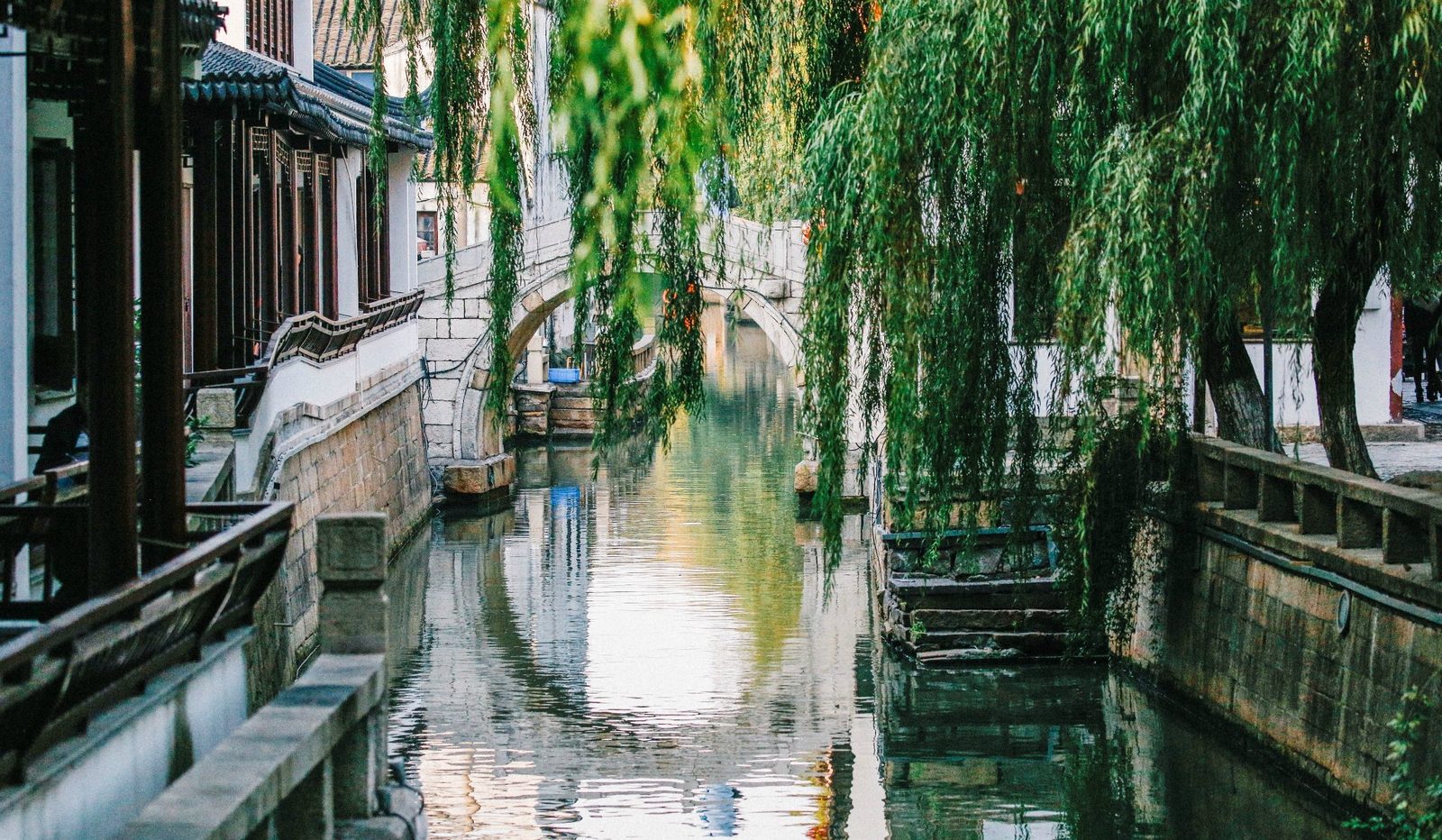
Jinji Lake Scenic Area
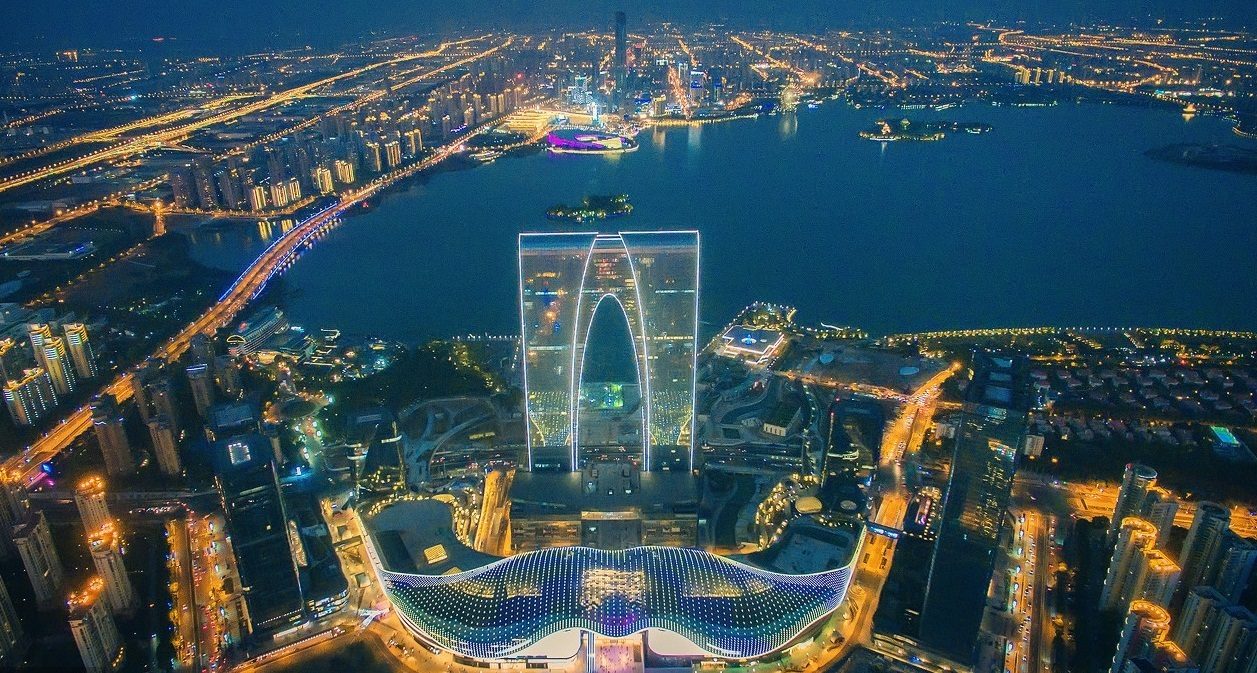
China's largest inner-city lake CBD (Gate of the Orient "long johns building" 301.8 m / Suzhou Center / Eslite Bookstore's first mainland store / Moonlight Wharf), the Gate of the Orient and the "Suzhou structure" skyline
Visitor info
- Opening hours
- All day
- Ticket
- Free (Ferris wheel charged separately)
Price is indicative — final quote on inquiry.
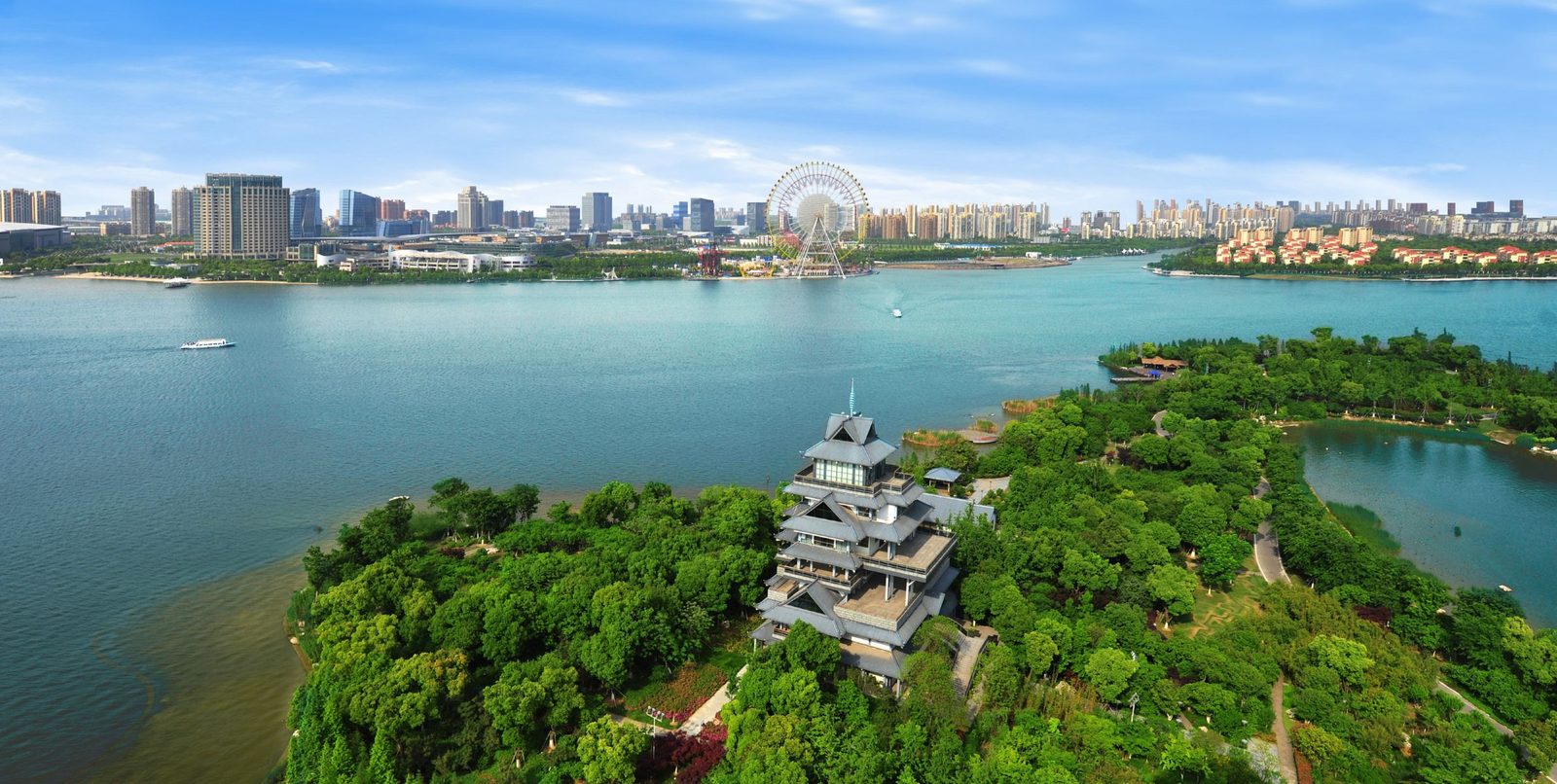
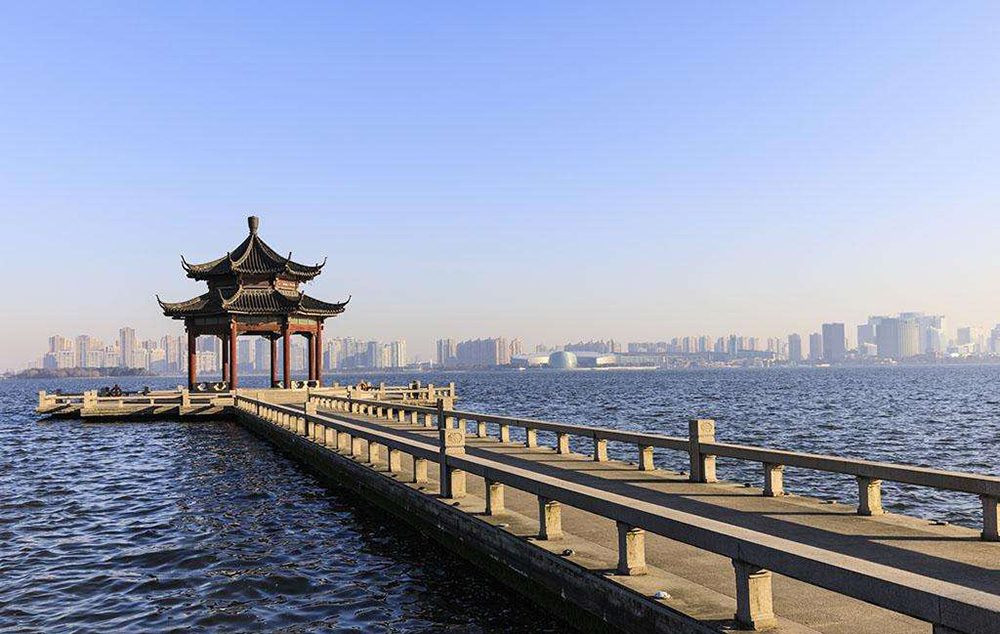
China's largest inner-city lake CBD (Gate of the Orient "long johns building" 301.8 m / Suzhou Center / Eslite Bookstore's first mainland store / Moonlight Wharf), the Gate of the Orient and the "Suzhou structure" skyline; Jinji Lake musical fountain (weekend evenings). Jinji Lake hosts China's largest inner-city lake CBD, with Suzhou Industrial Park spreading a modern cityscape around the lake: the 301.8-meter Gate of the Orient is nicknamed the "long johns building" for its shape, and together with the lakeside skyscraper cluster forms the "Suzhou structure" skyline; Moonlight Wharf, Lakeside Boulevard and the musical fountain (open weekend evenings) string together the lakeside leisure belt, while a Ferris wheel and cruise boats offer views from the water. The old town's whitewashed walls and dark tiles face Jinji Lake's glass curtain walls in the same city — this "double-sided Suzhou" contrast is the city's most distinctive character; the loop around the lake is about 14 km, and you can explore it in segments by bike or via the stations along Metro Line 1.
Getting there: Metro Line 1, Dongfang Zhimen Station
Photos
More in Suzhou
- Humble Administrator's Garden
Built in the fourth year of the Ming Zhengde reign (1509) by Wang Xianchen, with Wen Zhengming participating in the design, the 'Mother of Chinese Gardens' (a representative Jiangnan garden): Hall of Distant Fragrance / Little Flying Rainbow (Suzhou's only covered bridge) / 'With Whom Shall I Sit' Pavilion
- Suzhou Museum (Main Building)
I.M. Pei's final masterpiece (opened 2006), 'Chinese yet new, Suzhou yet new'; the sliced-rock hillside borrows the white wall of the Humble Administrator's Garden as its backdrop
- Lion Grove Garden
Built in 1342 (2nd year of the Yuan Zhizheng era) by Zen Master Tianru (Lion Grove Chan Temple); a labyrinth of Taihu Lake rockeries ('kingdom of rockeries', nine interweaving routes); Emperor Qianlong visited six times and inscribed 'True Delight'
- Lingering Garden
Xu Taishi built the East Garden in the Ming Wanli era; Liu Shu's Hanbi (Cold Green) Villa in the Qing dynasty
- Master of the Nets Garden
Site of Southern Song Shi Zhengzhi's Wanjuan Hall ('Fisherman's Retreat'); rebuilt in the Qianlong era of the Qing by Song Zongyuan as the 'Master of the Nets' (fisherman, his self-styled name)
- Canglang Pavilion
Built in 1045 (5th year of the Northern Song Qingli era) by Su Shunqin, Suzhou's oldest surviving garden ('scenery before you enter the gate' — double corridor with lattice windows); the famous couplet 'A clear breeze and bright moon are priceless' (assembled from lines by Ouyang Xiu and Su Shunqin)