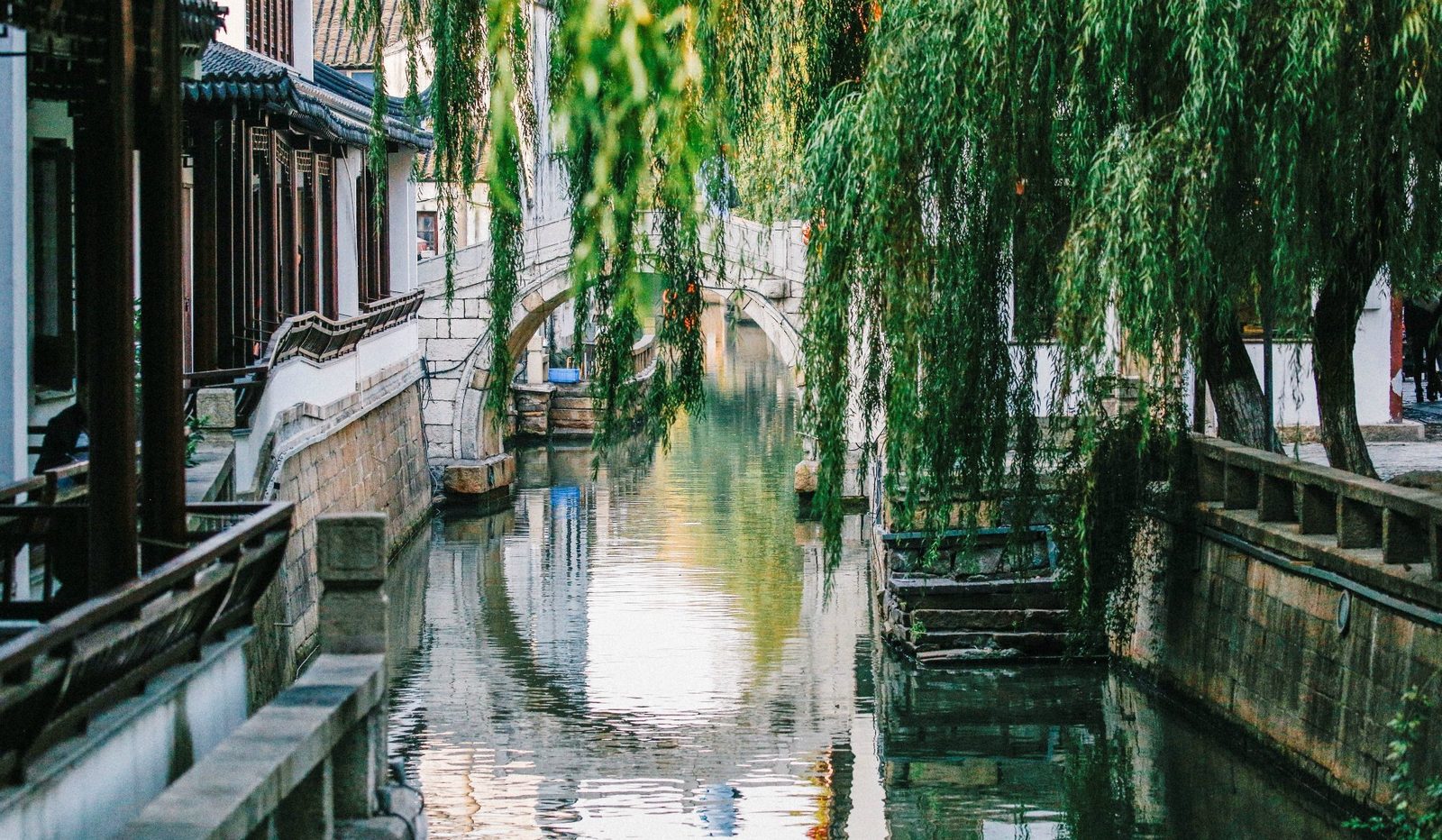
Jinxi & Qiandeng (Kunshan)
Jinxi (Consort Chen's Water Tomb / Ancient Brick & Tile Museum, "hometown of China's folk museums"), Qiandeng (Gu Yanwu's Former Residence / birthplace of Kunqu opera)
Visitor info
- Opening hours
- 07:30-17:00
- Ticket
- Jinxi CNY 65
Price is indicative — final quote on inquiry.
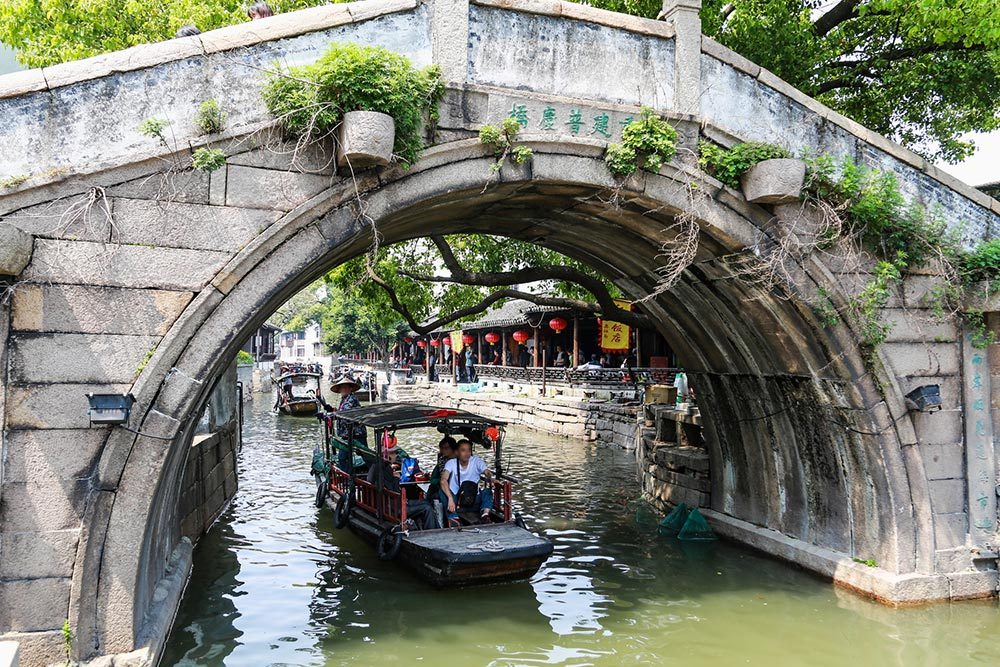
Jinxi (Consort Chen's Water Tomb / Ancient Brick & Tile Museum, "hometown of China's folk museums"), Qiandeng (Gu Yanwu's Former Residence / birthplace of Kunqu opera). Jinxi was formerly called Chen Mu ("Chen's Tomb"): the water tomb of Consort Chen, a consort of Southern Song Emperor Xiaozong who died young, still rests quietly at the heart of Wubao Lake; eight ancient bridges along the shore and corridor-lined water lanes form Jinxi's unique layout of a water town merged with the lake. Folk collecting flourishes in town — the Ancient Brick & Tile Museum holds brick and tile specimens spanning more than two millennia, earning it the title "hometown of China's folk museums." Qiandeng is the hometown of Gu Jian, founding father of Kunqu opera, and of the thinker Gu Yanwu, author of the famous line "the rise and fall of the nation is the duty of every commoner"; with a former residence and birthplace-of-Kunqu credentials, this small town carries far more weight in Chinese cultural history than its size suggests. The two towns are close together and ideal to link by self-drive — lake views in Jinxi, history in Qiandeng; half a day each is enough.
Getting there: Kunshan bus / self-drive
Photos
More in Suzhou
- Humble Administrator's Garden
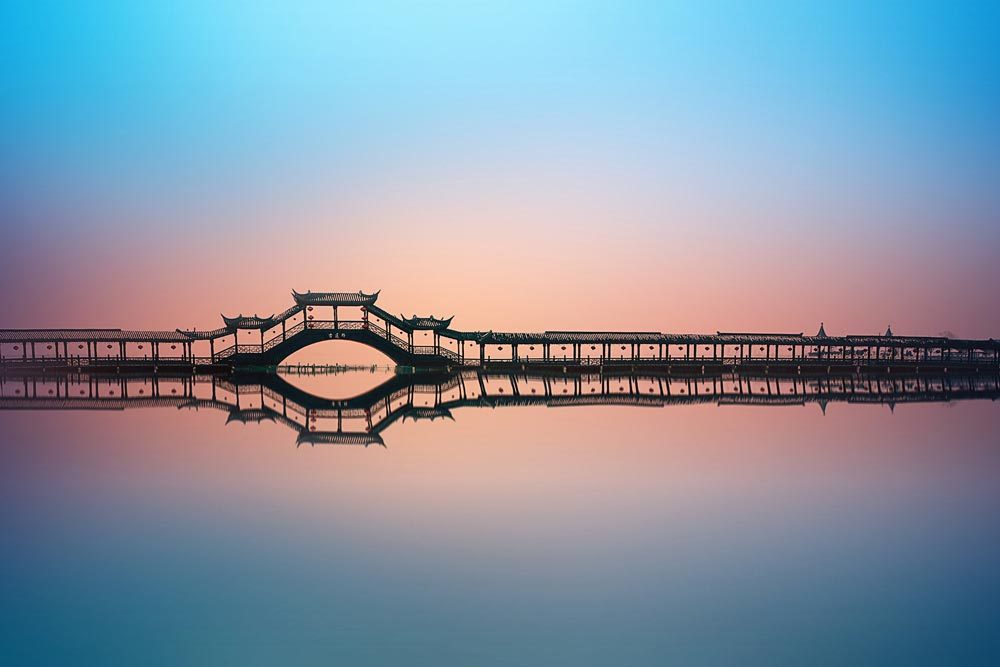
Built in the fourth year of the Ming Zhengde reign (1509) by Wang Xianchen, with Wen Zhengming participating in the design, the 'Mother of Chinese Gardens' (a representative Jiangnan garden): Hall of Distant Fragrance / Little Flying Rainbow (Suzhou's only covered bridge) / 'With Whom Shall I Sit' Pavilion
- Suzhou Museum (Main Building)
I.M. Pei's final masterpiece (opened 2006), 'Chinese yet new, Suzhou yet new'; the sliced-rock hillside borrows the white wall of the Humble Administrator's Garden as its backdrop
- Lion Grove Garden
Built in 1342 (2nd year of the Yuan Zhizheng era) by Zen Master Tianru (Lion Grove Chan Temple); a labyrinth of Taihu Lake rockeries ('kingdom of rockeries', nine interweaving routes); Emperor Qianlong visited six times and inscribed 'True Delight'
- Lingering Garden
Xu Taishi built the East Garden in the Ming Wanli era; Liu Shu's Hanbi (Cold Green) Villa in the Qing dynasty
- Master of the Nets Garden
Site of Southern Song Shi Zhengzhi's Wanjuan Hall ('Fisherman's Retreat'); rebuilt in the Qianlong era of the Qing by Song Zongyuan as the 'Master of the Nets' (fisherman, his self-styled name)
- Canglang Pavilion
Built in 1045 (5th year of the Northern Song Qingli era) by Su Shunqin, Suzhou's oldest surviving garden ('scenery before you enter the gate' — double corridor with lattice windows); the famous couplet 'A clear breeze and bright moon are priceless' (assembled from lines by Ouyang Xiu and Su Shunqin)