
Luodai Ancient Town
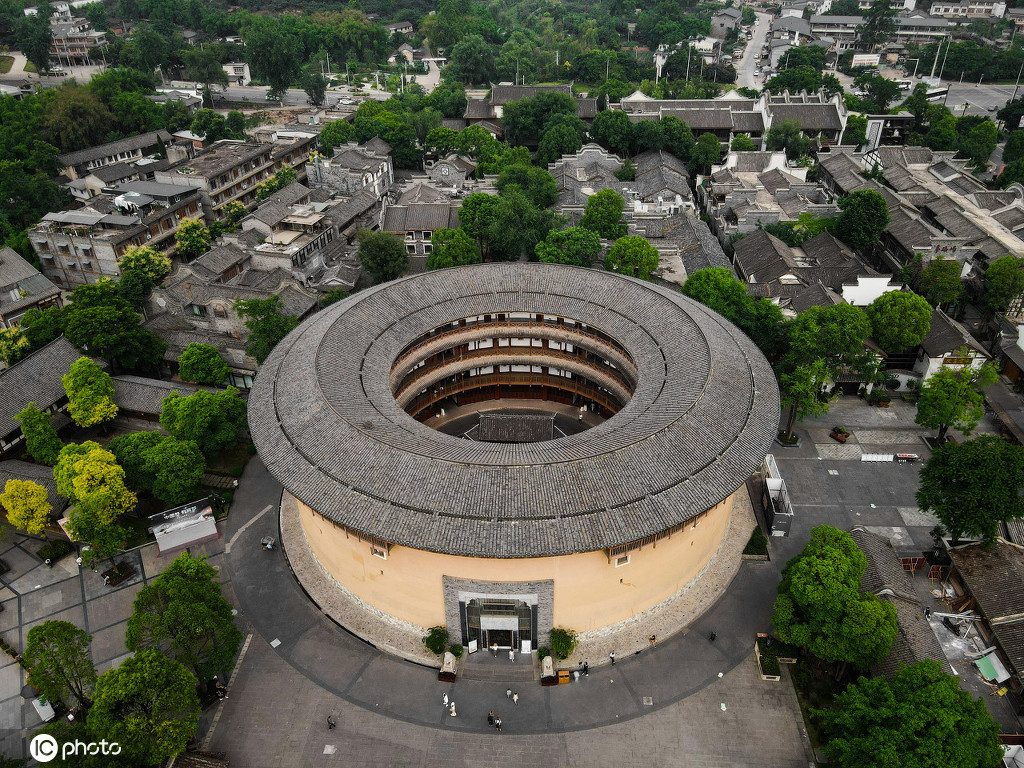
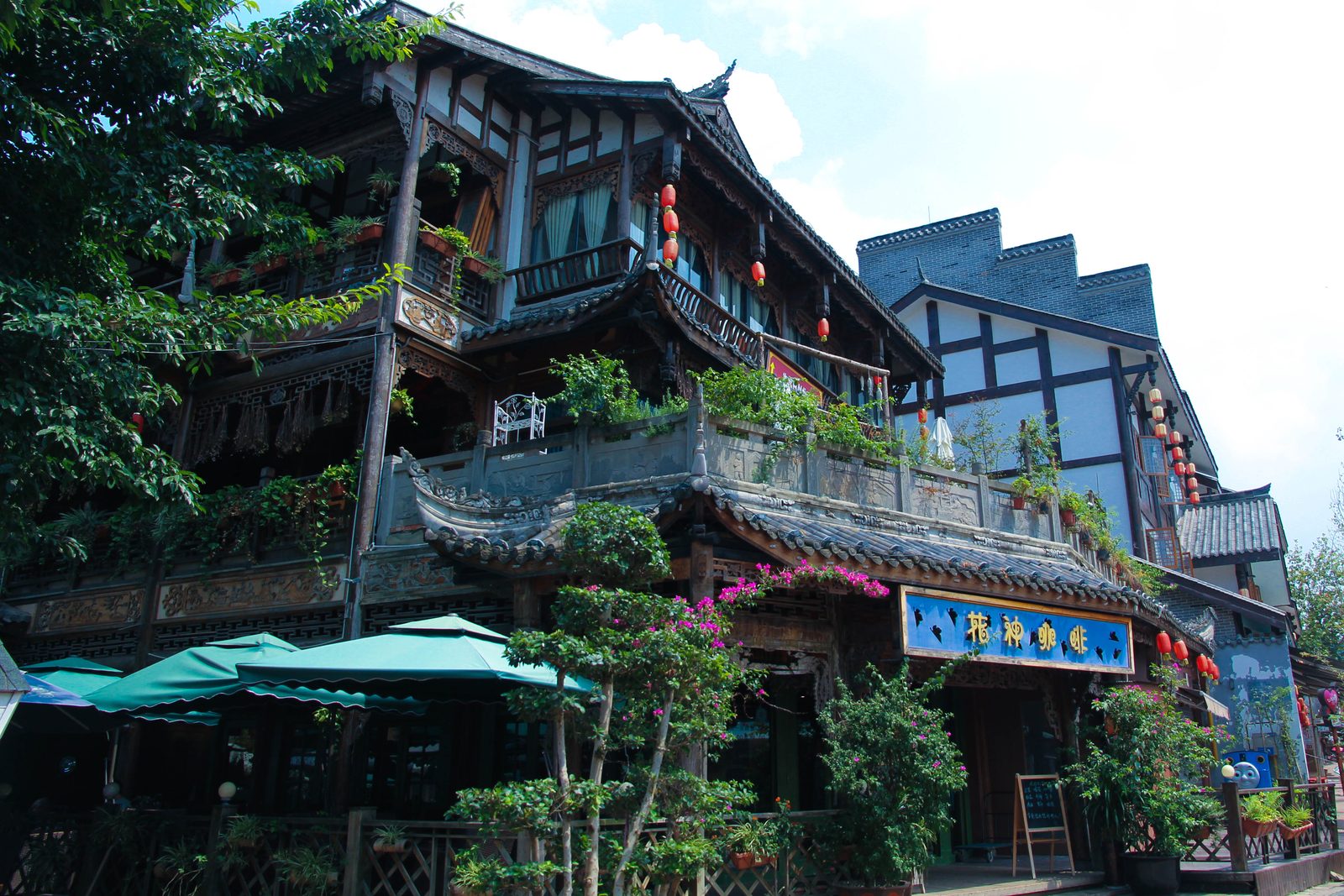
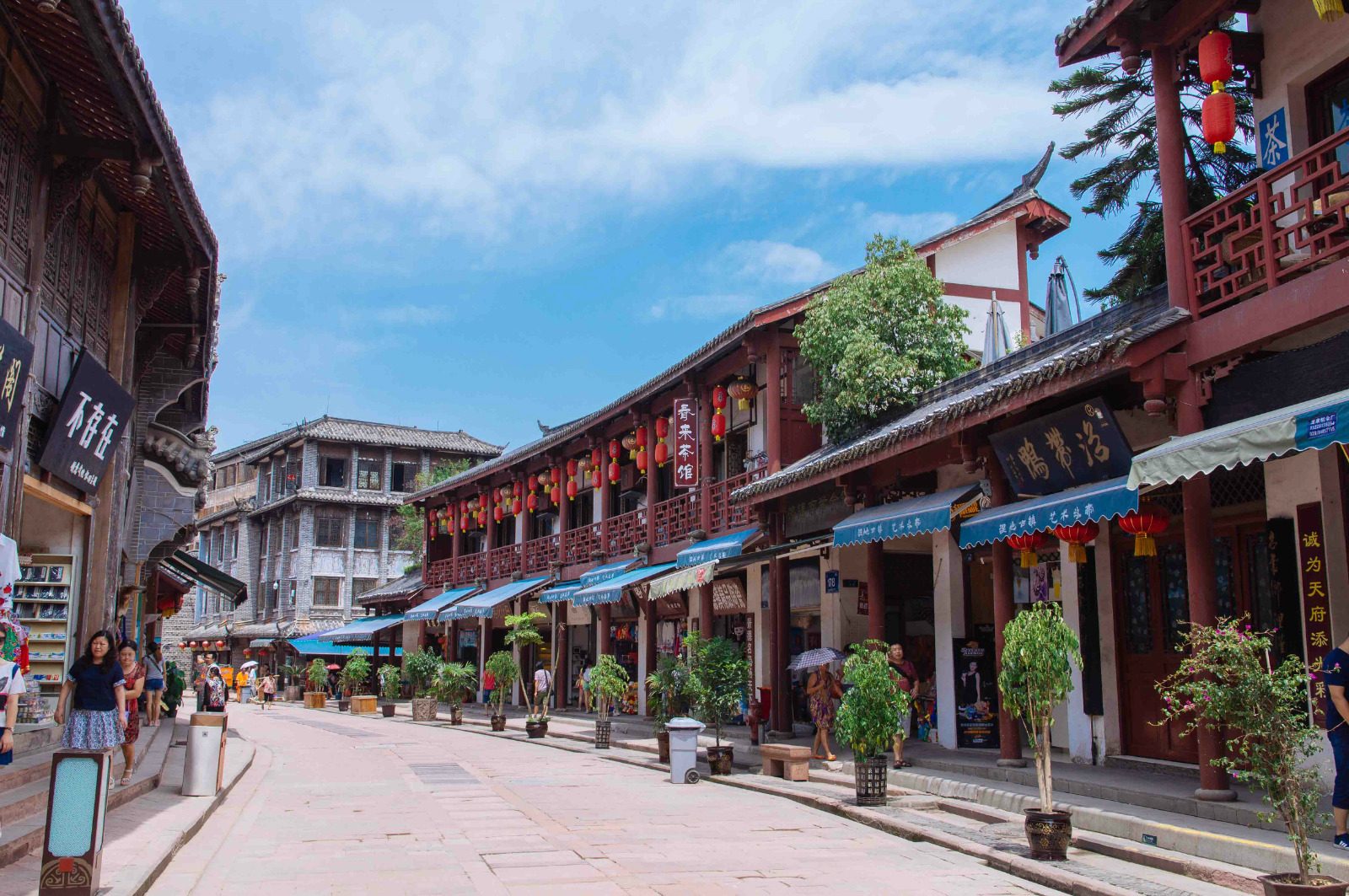
The "First Hakka Town of Western China" in Longquanyi: named after a Three Kingdoms "dropped belt" legend, it grew into a Hakka settlement through migration from the early Qing; the four guild halls of Guangdong, Jiangxi and Huguang are well preserved, tangible testimony to Qing-dynasty migration history
Visitor info
- Opening hours
- Open all day
- Ticket
- Free (some sites such as the Hakka Museum charge separately)
Price is indicative — final quote on inquiry.
The "First Hakka Town of Western China" in Longquanyi: named after a Three Kingdoms "dropped belt" legend, it grew into a Hakka settlement through migration from the early Qing; the four guild halls of Guangdong, Jiangxi and Huguang are well preserved, tangible testimony to Qing-dynasty migration history; Shangxin Liangfen ("heartbreak" spicy jelly), Swan Eggs pastries and the Nine Big Bowls feast are the signature Hakka dishes. The ancient town is free (some sites such as the Hakka Museum charge separately); Metro Line 4, Xihe Station, then transfer to bus, or self-drive; half a day is enough, and weekends get crowded—arrive early.
Getting there: Metro Line 4, Xihe Station, transfer to bus / self-drive
Photos
More in Chengdu
- Wuhou Shrine
Three Kingdoms temple of Zhuge Liang and Liu Bei among cypress groves.
- People's Park
Chengdu's open-air living room: tea houses, ear cleaning, matchmakers' corner.
- Giant Panda Breeding Base
Dozens of pandas eating bamboo; arrive 08:00 for feeding time.
- Jinli Ancient Street
Rebuilt Qing-style shopping street beside Wuhou Shrine; evening lanterns.
- Jinsha Site Museum
Capital-site ruins of the ancient Shu kingdom from the Shang-Zhou period, discovered in 2001: the Golden Sun Bird ornament (over 90% gold content, openwork rotating pattern) was designated the symbol of China's cultural heritage; the gold mask and the ten-section jade cong are national-treasure artifacts, testifying to the high development of ancient Shu civilization
- Wuhou Shrine · Jinli Street
The only shrine in China where ruler and minister are worshipped together: Liu Bei's Huiling Tomb and Zhuge Liang's hall were merged into one garden in the late Ming/early Qing; the 'winning hearts' (Gongxin) couplet is a famous maxim on governing Shu; Sanyi Temple and the stone-carved Chu Shi Biao (Memorial on Dispatching the Troops) are must-sees for Three Kingdoms fans; Du Fu's Tang-dynasty verse 'Where is the chancellor's shrine to be found?' has made it a sacred site of Three Kingdoms culture