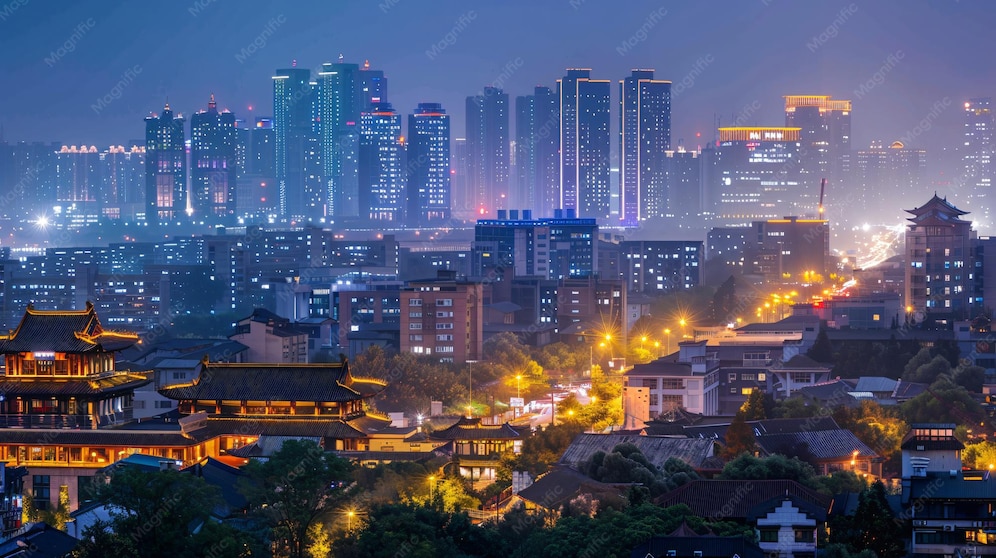
Chengdu 成都
Home of giant pandas, Sichuan hotpot and the slowest tea-house afternoons.
- Best season
- Mar-Jun and Sep-Nov
- Getting in
- CTU & TFU airports; direct flights from Europe
Why Chengdu
Pandas at breakfast, teahouses all afternoon, the spiciest kitchen in China.
Best season
Mar-Jun and Sep-Nov
Getting in
CTU/TFU airports; HSR to Xi'an in 3h
First-timer's route
- Day 1: Panda Base at 7:30 opening, People's Park teahouse all afternoon, Jinli Street lanterns and snacks at night
- Day 2: Wuhou Shrine and the Red Wall, Kuanzhai Alleys, Sichuan opera face-changing show in the evening
- Day 3 (optional): Leshan Giant Buddha day trip by fast train, or a slow tea-and-mahjong day like a local
Getting around
Metro lines cover the main sites; DiDi is so cheap it feels broken. The city runs late — dinner at 8pm is early. Chillies are a spectrum: 'wei la' (mild) is the safe order everywhere.
Top things to do in Chengdu
Ranked picks — headline sights first, with tickets and timing at a glance.
 1
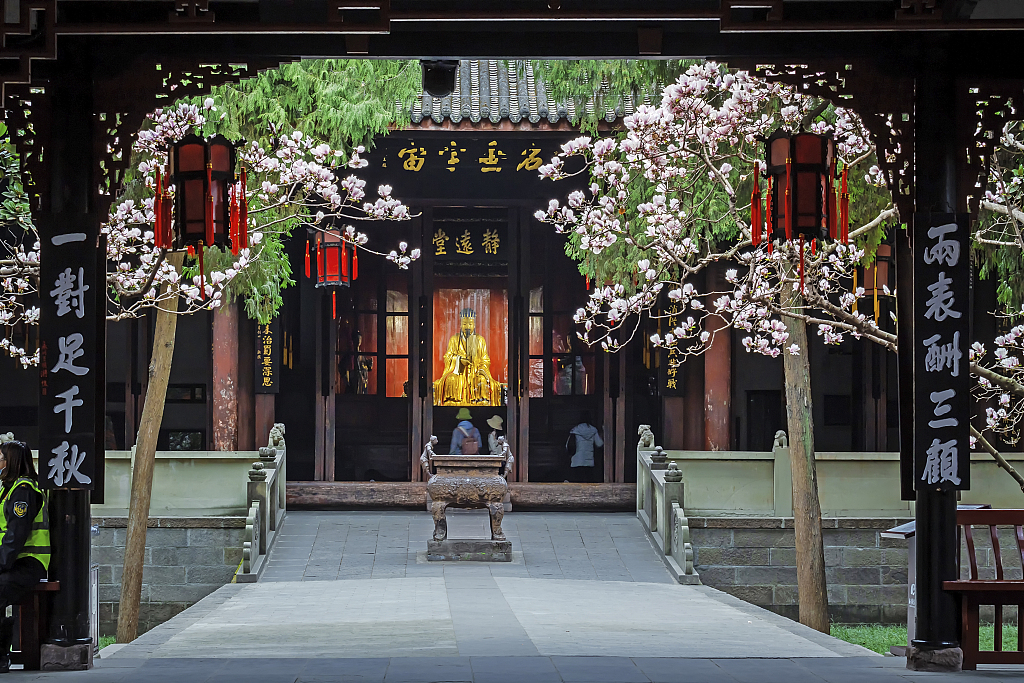
Wuhou Shrine
AttractionThree Kingdoms temple of Zhuge Liang and Liu Bei among cypress groves.
 2
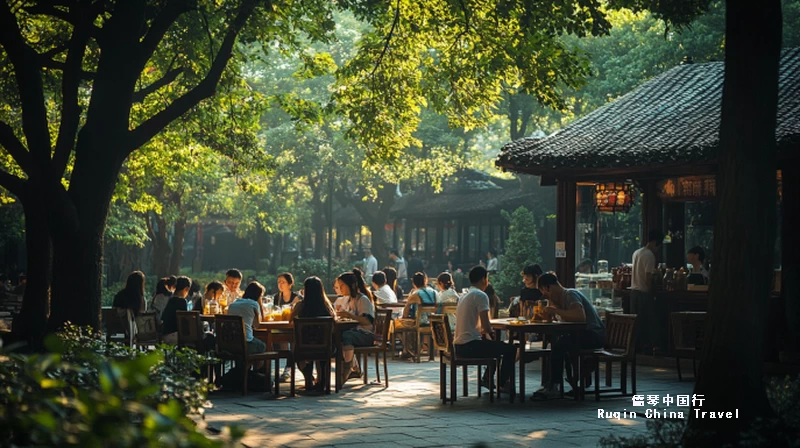
People's Park
AttractionChengdu's open-air living room: tea houses, ear cleaning, matchmakers' corner.
 3
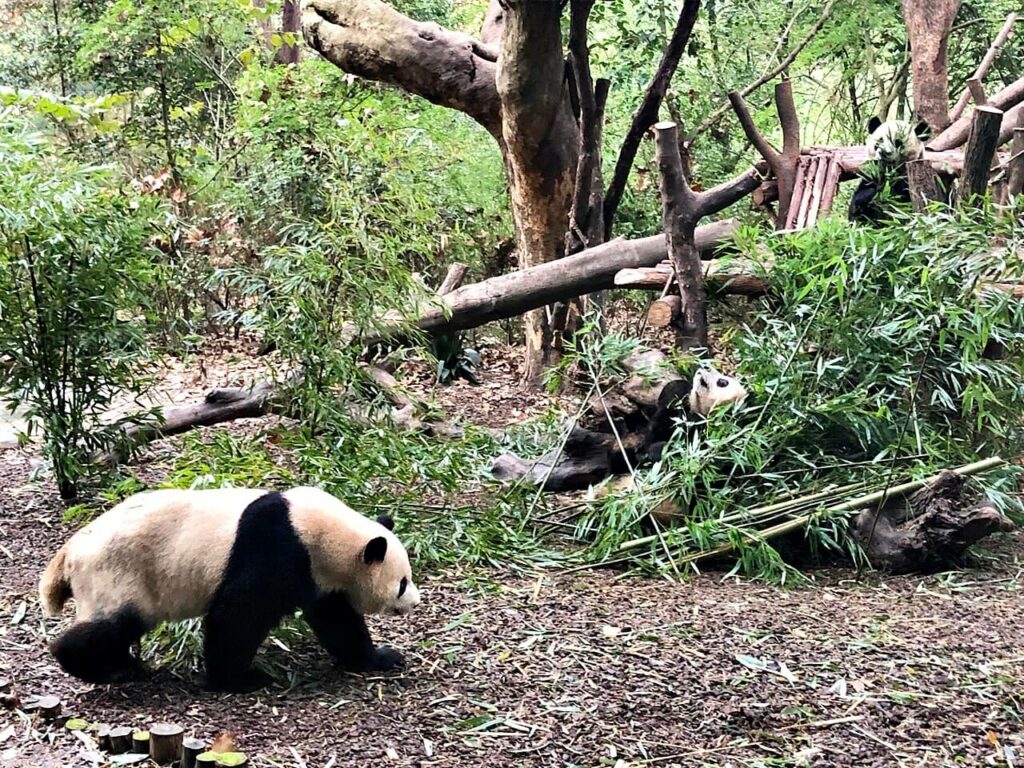
Giant Panda Breeding Base
AttractionDozens of pandas eating bamboo; arrive 08:00 for feeding time.
 4
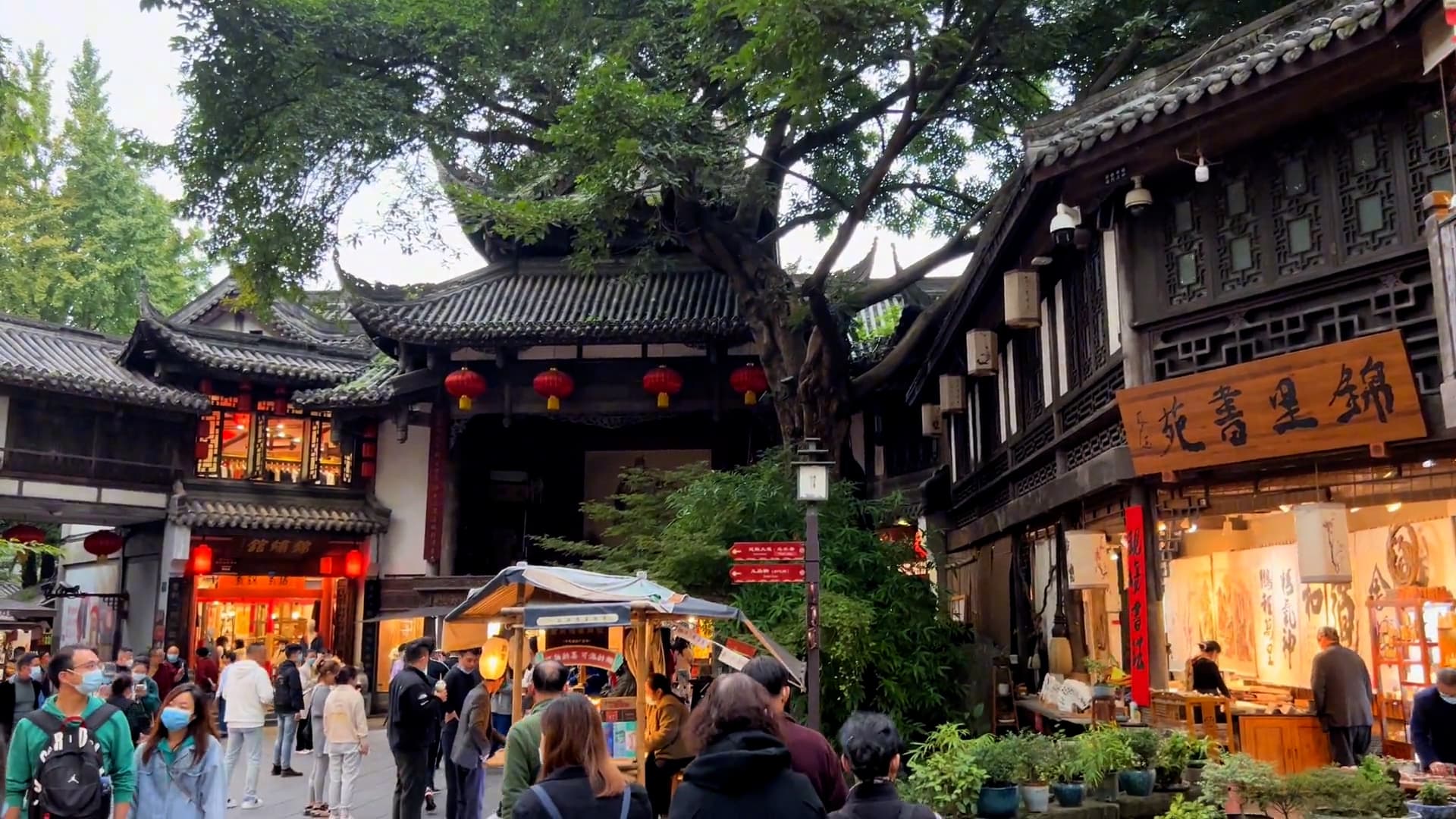
Jinli Ancient Street
AttractionRebuilt Qing-style shopping street beside Wuhou Shrine; evening lanterns.
 5
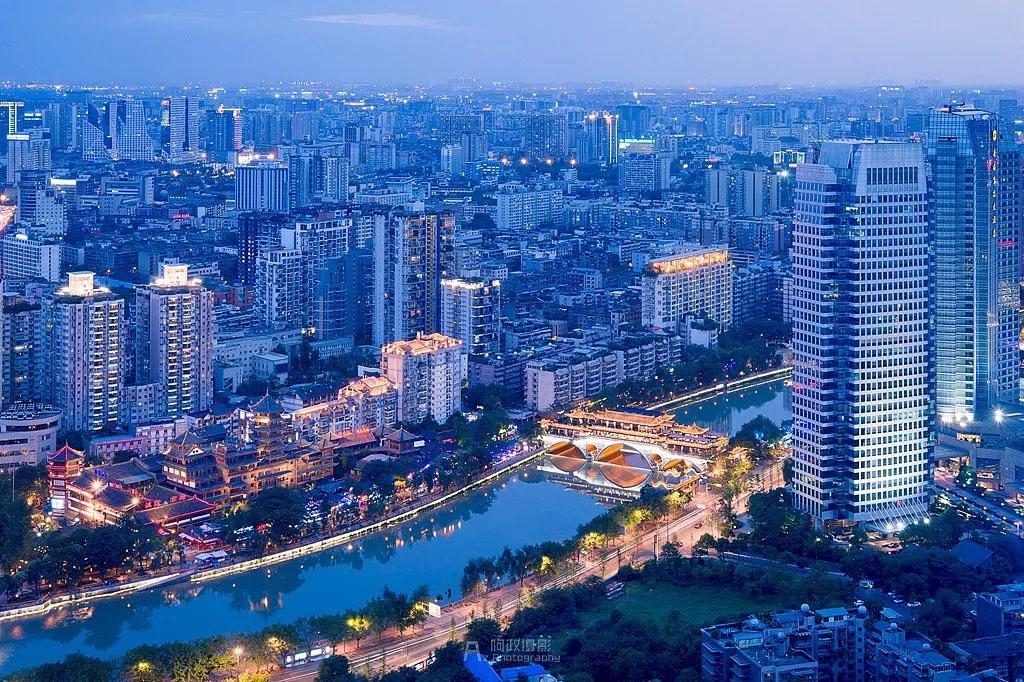
Jinsha Site Museum
AttractionCapital-site ruins of the ancient Shu kingdom from the Shang-Zhou period, discovered in 2001: the Golden Sun Bird ornament (over 90% gold content, openwork rotating pattern) was designated the symbol of China's cultural heritage; the gold mask and the ten-section jade cong are national-treasure artifacts, testifying to the high development of ancient Shu civilization
 6
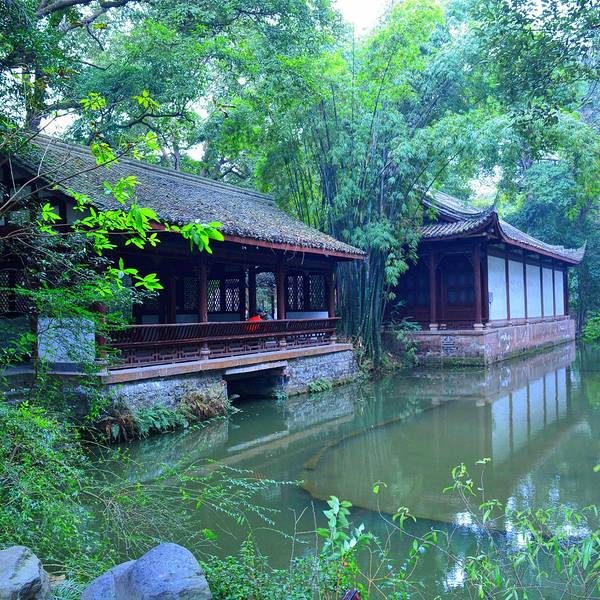
Wuhou Shrine · Jinli Street
AttractionThe only shrine in China where ruler and minister are worshipped together: Liu Bei's Huiling Tomb and Zhuge Liang's hall were merged into one garden in the late Ming/early Qing; the 'winning hearts' (Gongxin) couplet is a famous maxim on governing Shu; Sanyi Temple and the stone-carved Chu Shi Biao (Memorial on Dispatching the Troops) are must-sees for Three Kingdoms fans; Du Fu's Tang-dynasty verse 'Where is the chancellor's shrine to be found?' has made it a sacred site of Three Kingdoms culture
 7
Du Fu Thatched Cottage
AttractionThe original site of Du Fu's thatched cottage when he lived in exile in Chengdu from 759: the poet lived here for nearly four years, writing over 240 poems such as 'My Thatched Hut Wrecked by Autumn Wind' and 'Delighting in Rain on a Spring Night'; a memorial shrine was built from the Five Dynasties onward, taking its Gongbu Shrine layout in the Ming and Qing; Zhu De inscribed the couplet 'The poet-sage shines through the ages, the Cottage remains for posterity'
 8
Yongling Mausoleum (Tomb of Wang Jian)
AttractionTomb of Wang Jian, emperor of the Former Shu (10th century), the only imperial mausoleum in China built above ground: the domed vault roof raises the tomb's main body above the surface, and the stone carvings of twenty-four musicians on the coffin platform in the underground palace are the sole surviving pictorial record of a Tang-Five Dynasties court orchestra, first-hand material for the study of ancient music history
 9
Wangjiang Tower Park
AttractionA park on the Jinjiang River commemorating Tang-dynasty woman poet Xue Tao: China's specialized bamboo park, with more than 150 bamboo species collected; tranquil paths flanked by emerald bamboo
 10
Qingyang Palace
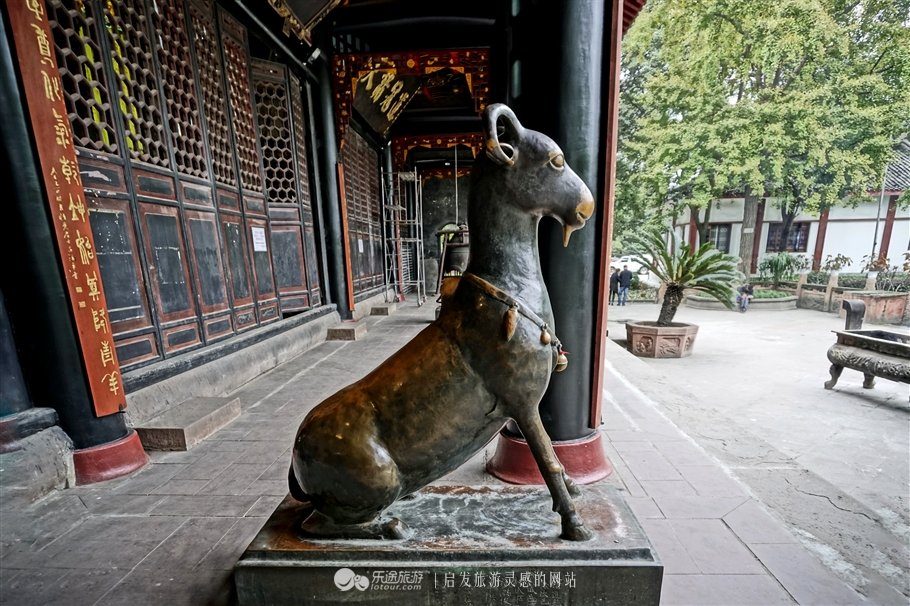
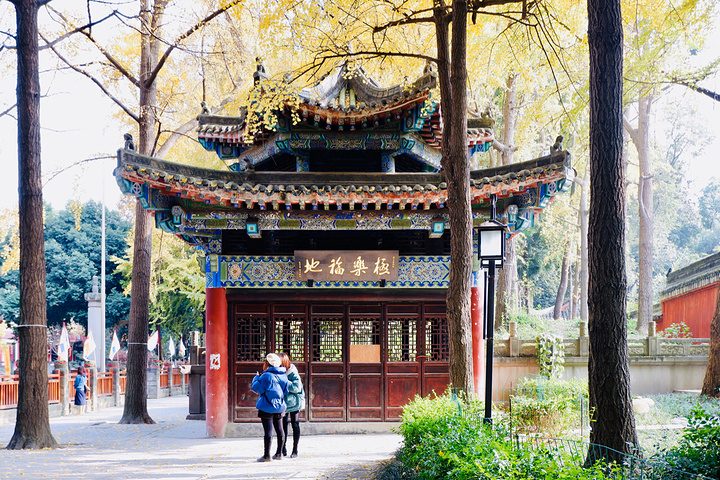
AttractionLegendary origins at a Zhou-dynasty market, expanded in the Tang dynasty into the foremost Taoist temple of Southwest China: the Bagua (Eight Trigrams) Pavilion is exquisitely carved, and the one-horned bronze ram, combining features of all twelve zodiac animals, is the temple's guardian treasure — touching the bronze ram for blessings is a tradition kept alive for over a century
 11
Wenshu Monastery
AttractionA Qing-dynastery monastery built on the site of the Sui-era Xinxiang Temple, bearing Kangxi's personal inscription 'Konglin' (Empty Forest): the foremost of western Sichuan's four great monasteries, its halls step up through five tiers along a central axis, solemn and steeped in Zen
 12
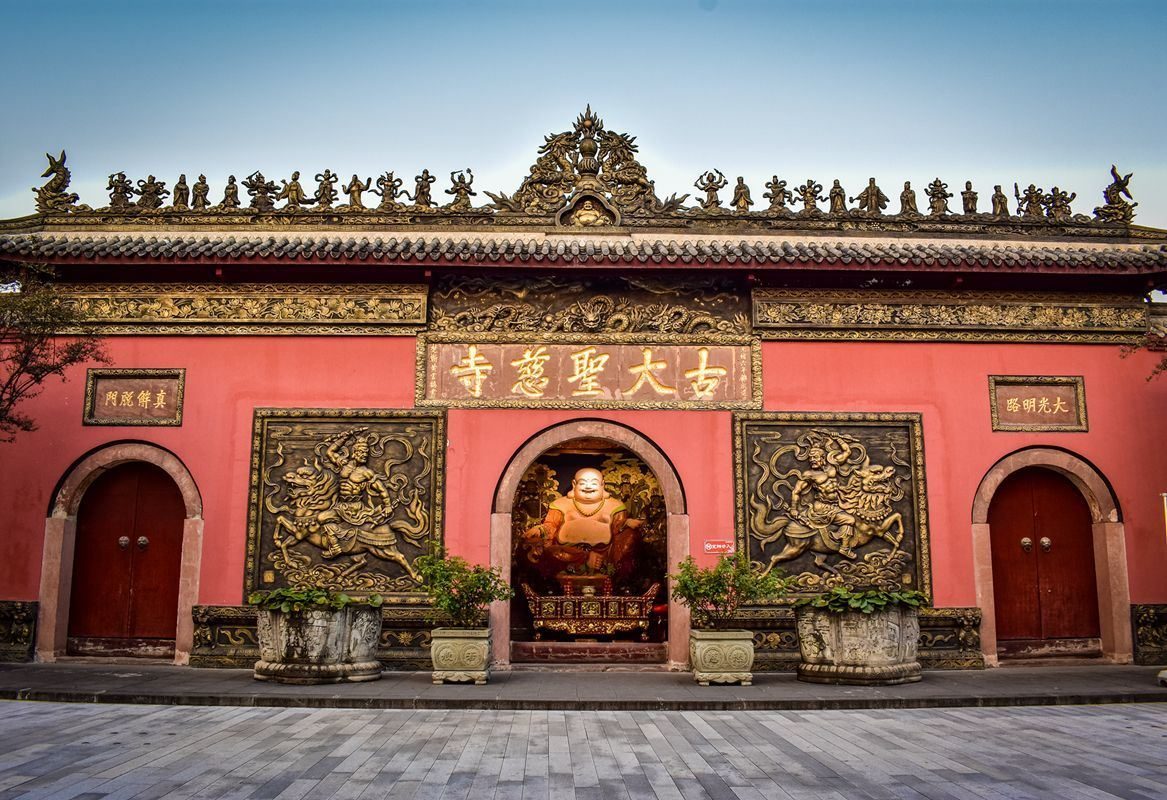
Daci Temple
AttractionFounded in the Wei-Jin period and hailed as the 'foremost monastery of Zhendan' (ancient China): Emperor Xuanzong of Tang bestowed the plaque 'Imperially Commissioned Dashengci Temple'; Xuanzang received ordination here, and in Tang and Song times it was the center of Chengdu's Buddhism and commerce — 'Monk Street' is one of the birthplaces of Chengdu's commerce
 13
Kuanzhai Alleys
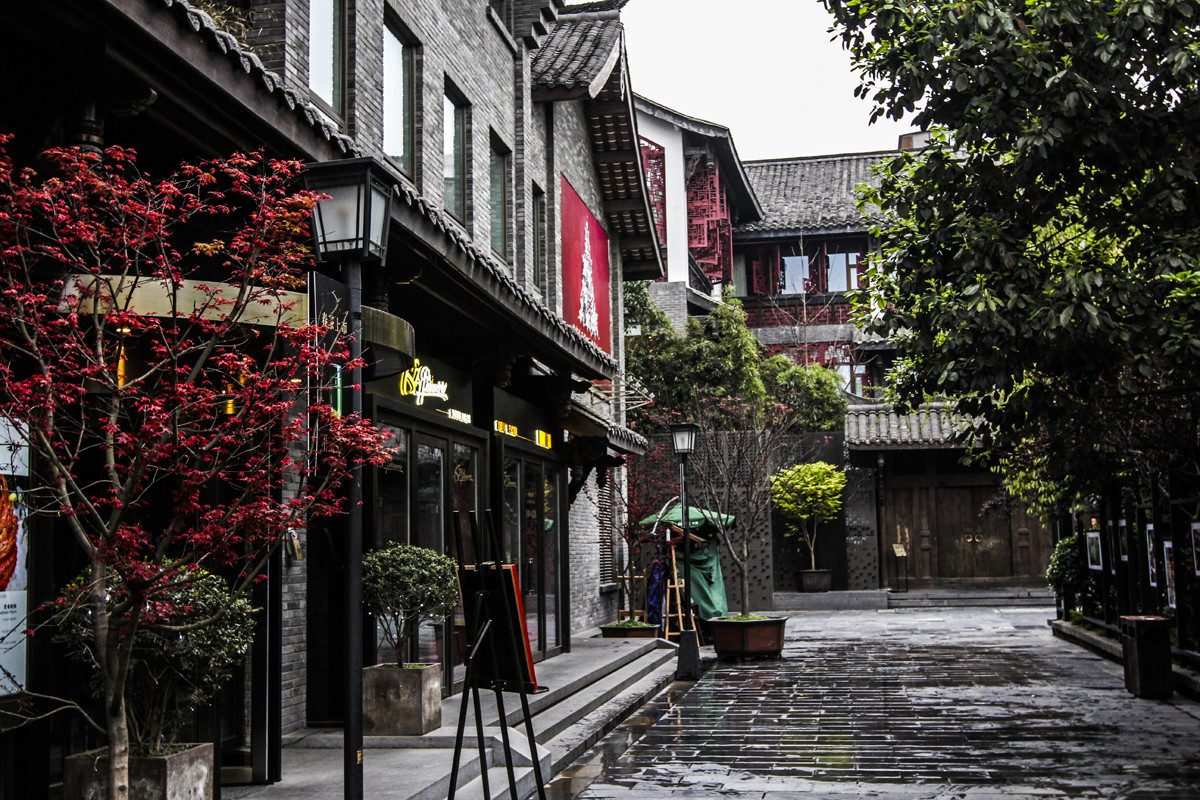
AttractionThree parallel alleys left over from the Qing-dynasty Manchu town (Shaocheng): Kuan Alley (Xingren Hutong), Zhai Alley (Taiping Hutong) and Jing Alley (Ruyi Hutong); renovated and reopened in 2008, they are the only surviving instance of northern hutong culture in southern China
 14
People's Park · Heming Teahouse
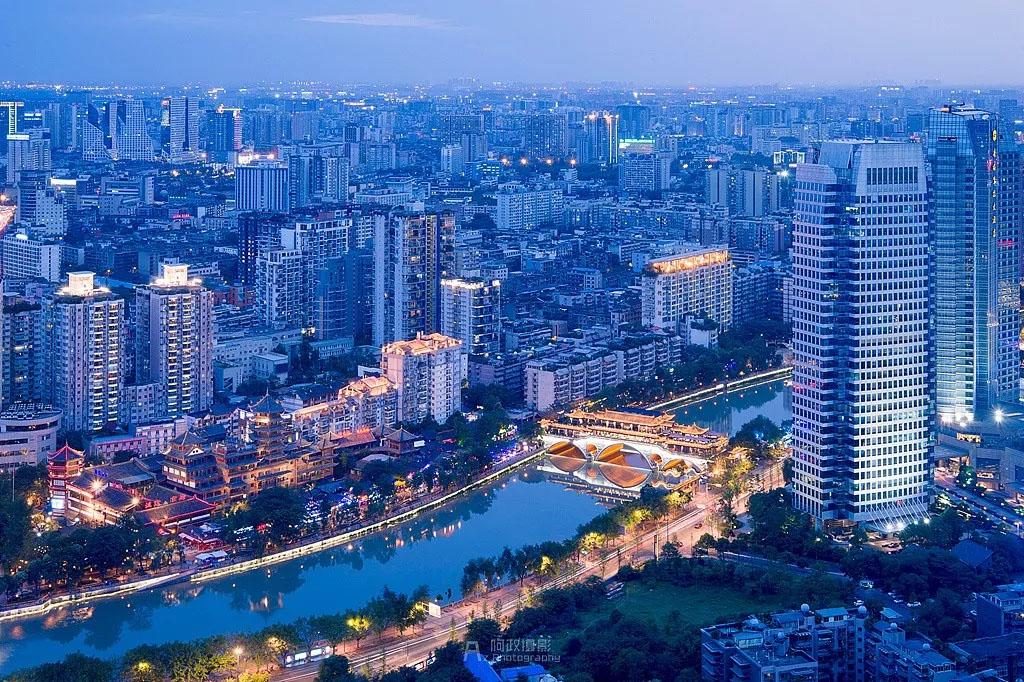
AttractionSichuan's first park, completed in 1911 (Shaocheng Park): Heming Teahouse has been open since 1923, and its century-old open-air tea seats — 'gaiwan tea + bamboo chairs + ear cleaning' — are a living specimen of Chengdu's slow life; on weekends the seats fill up and sharing tables is the norm
 15
Chunxi Road · Taikoo Li
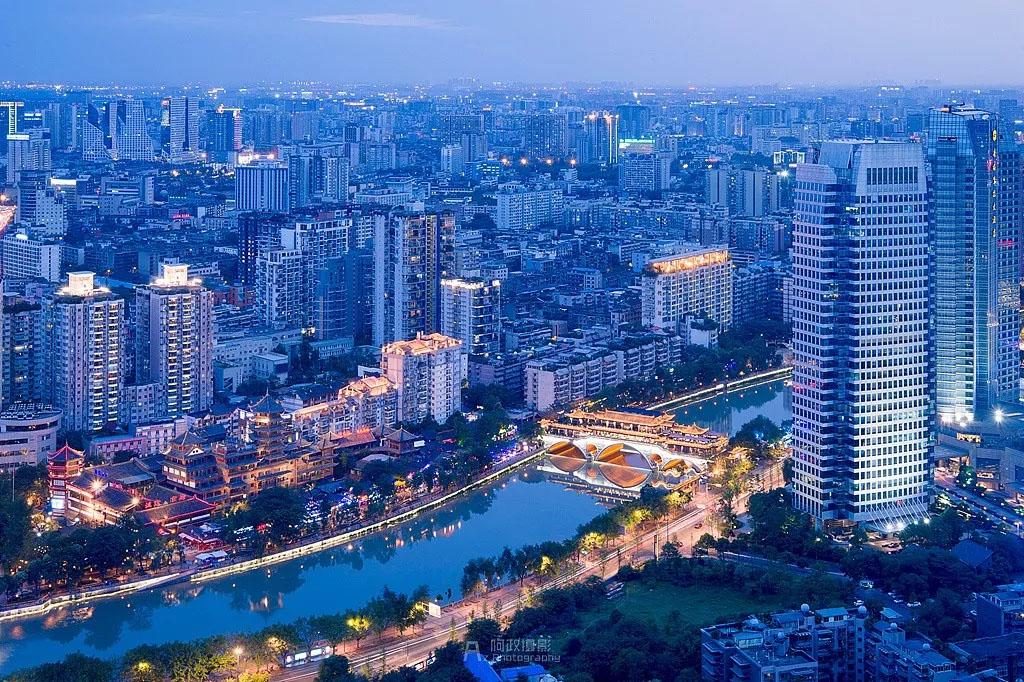
AttractionCommercial street built in 1924, its name drawn from 'spring breeze bringing genial bustle': the century-old shopping street neighbors the IFS (Chengdu International Finance Square) wall-climbing panda, an internet-famous installation, while Taikoo Li is a low-density open-air quarter beside Daci Temple (opened 2015) pairing western-Sichuan courtyard architecture with international flagships, dense with southwest-China first stores and…
 16
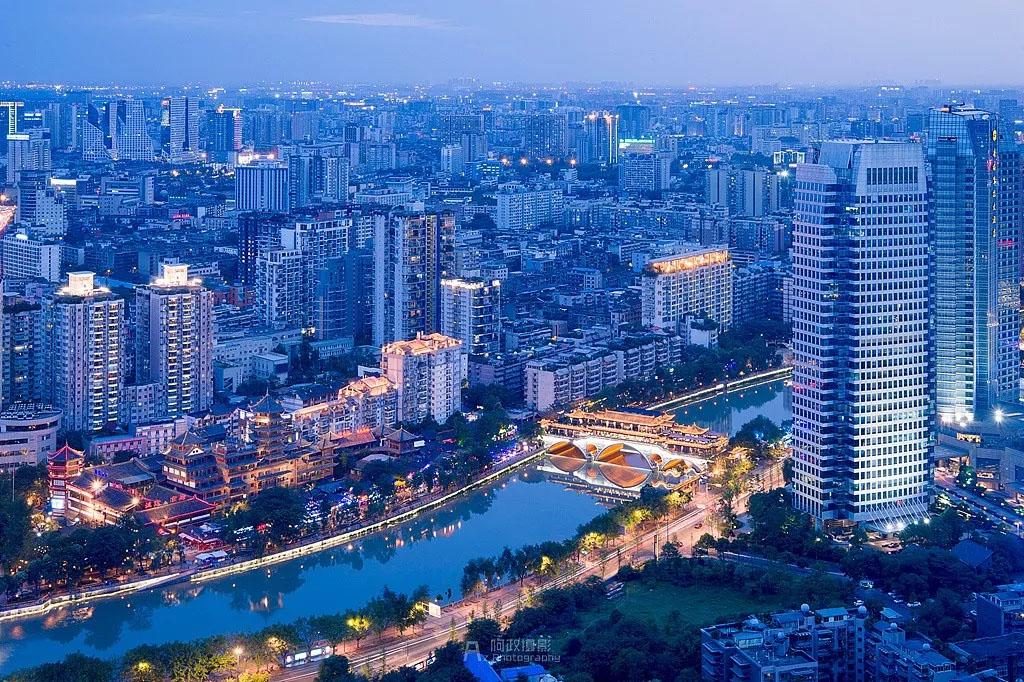
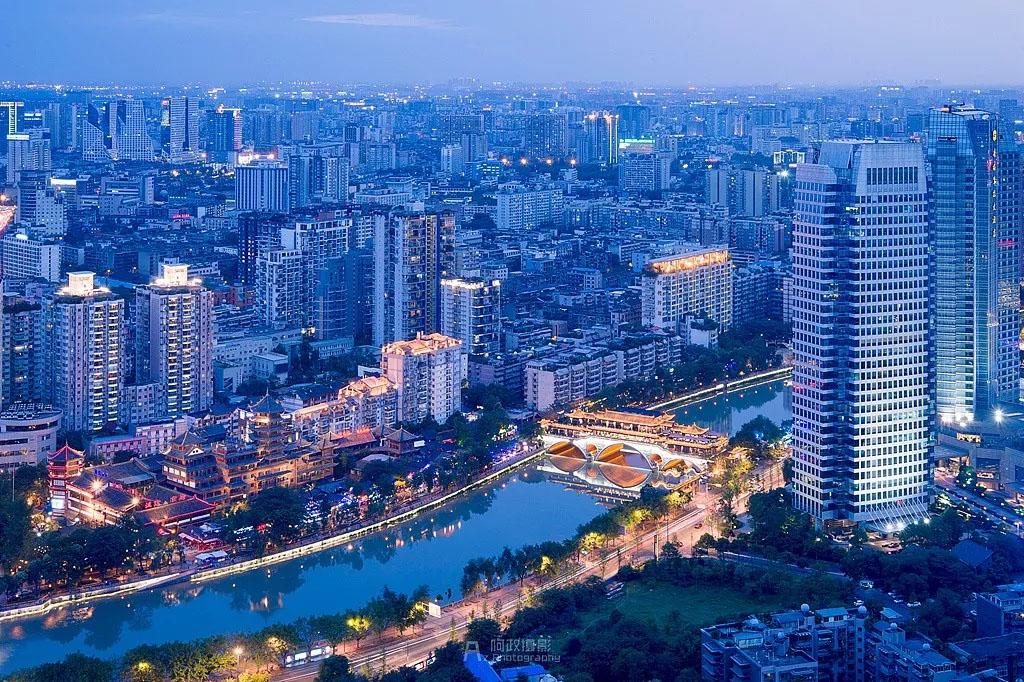
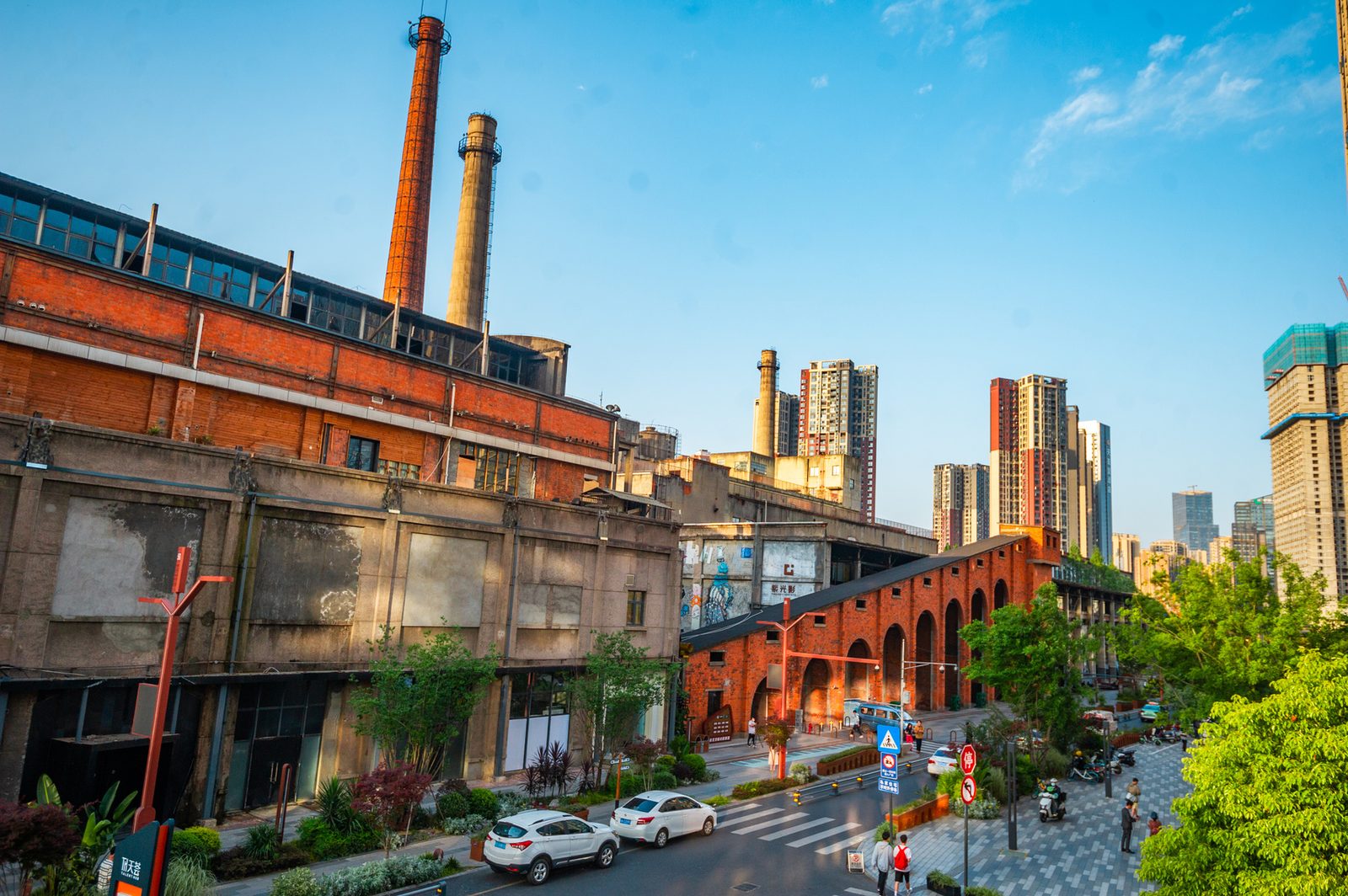
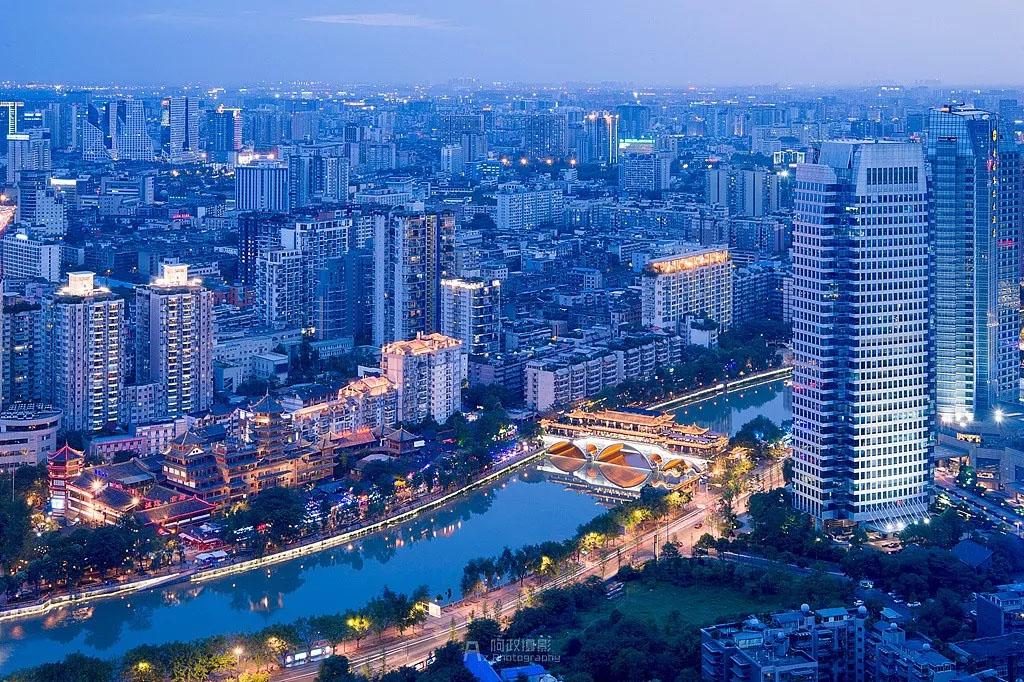
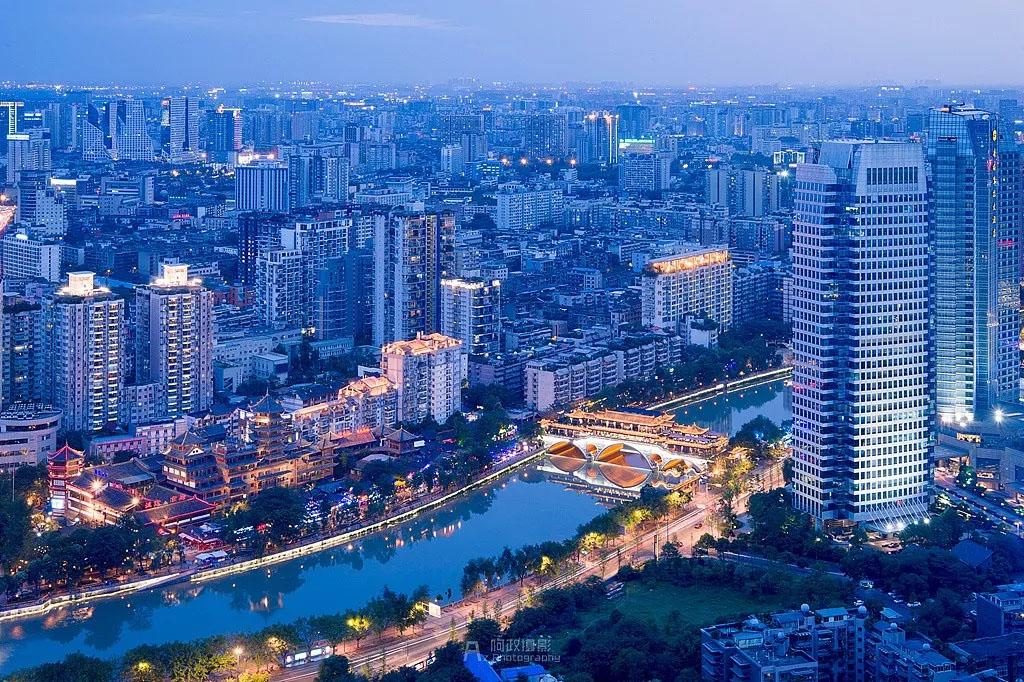
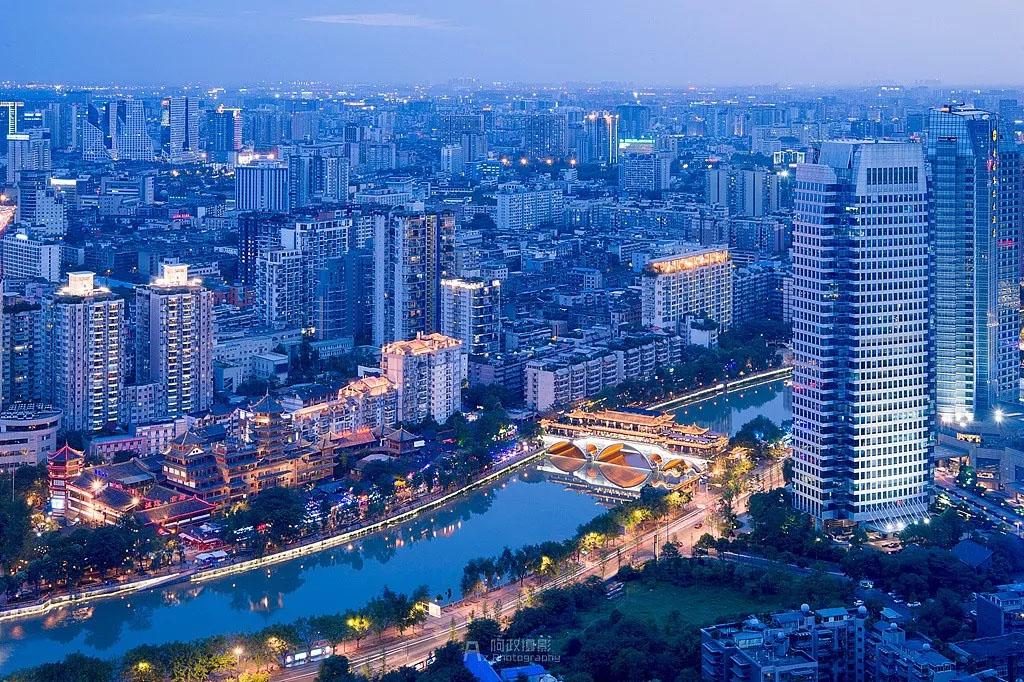
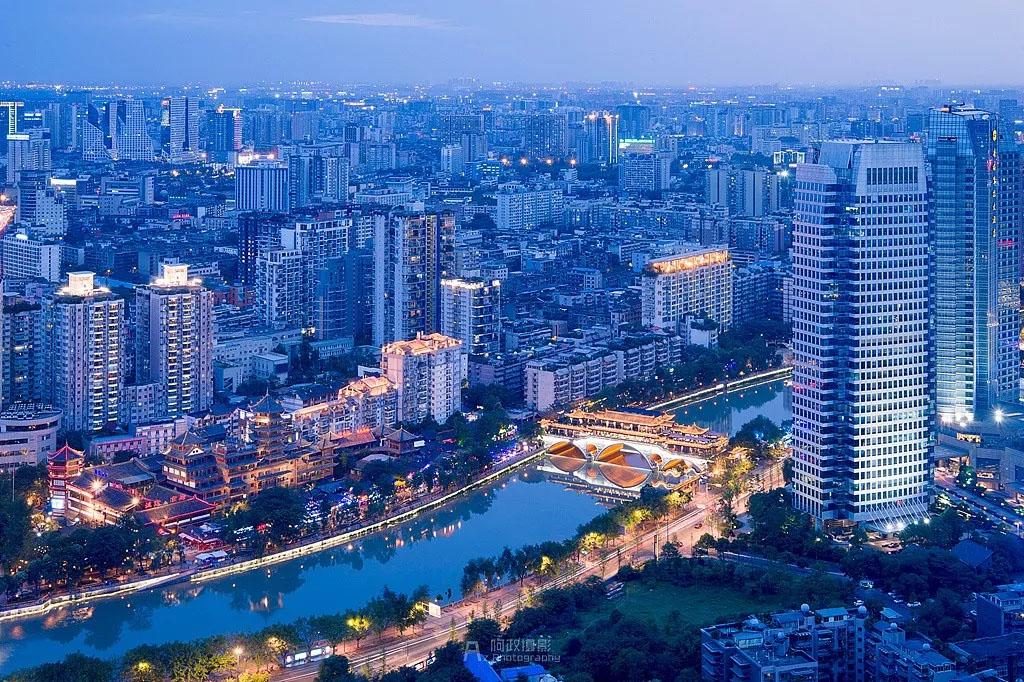
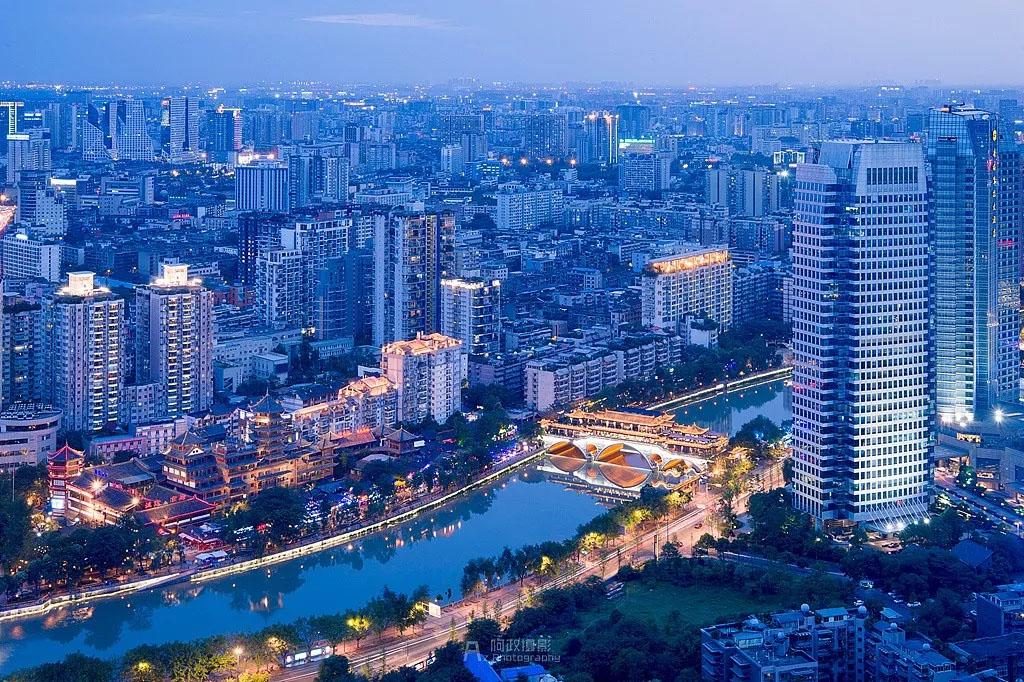
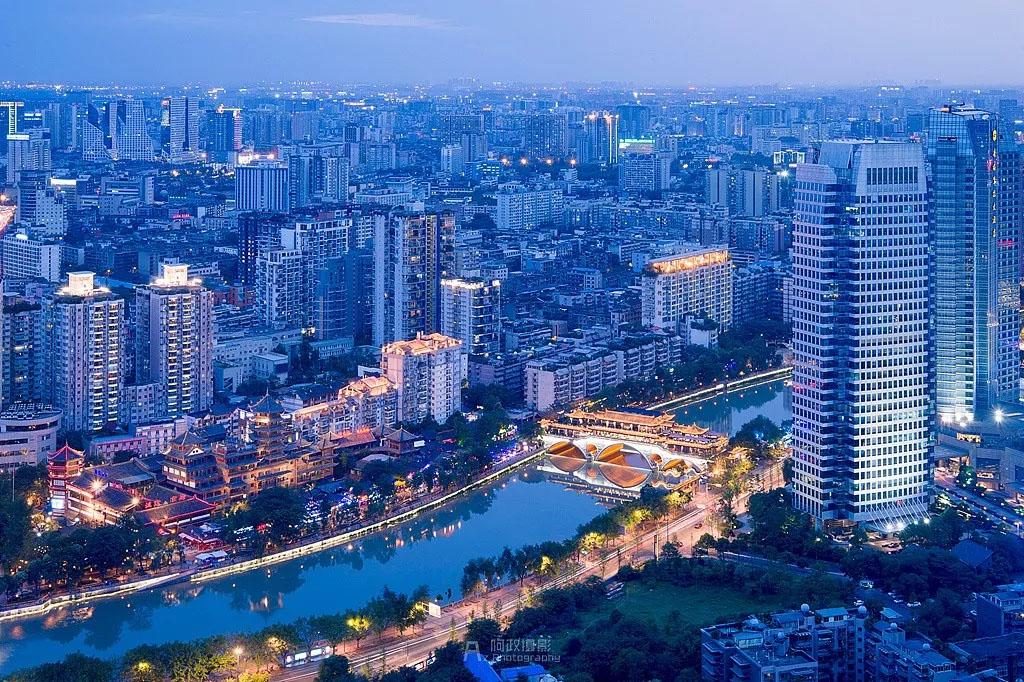
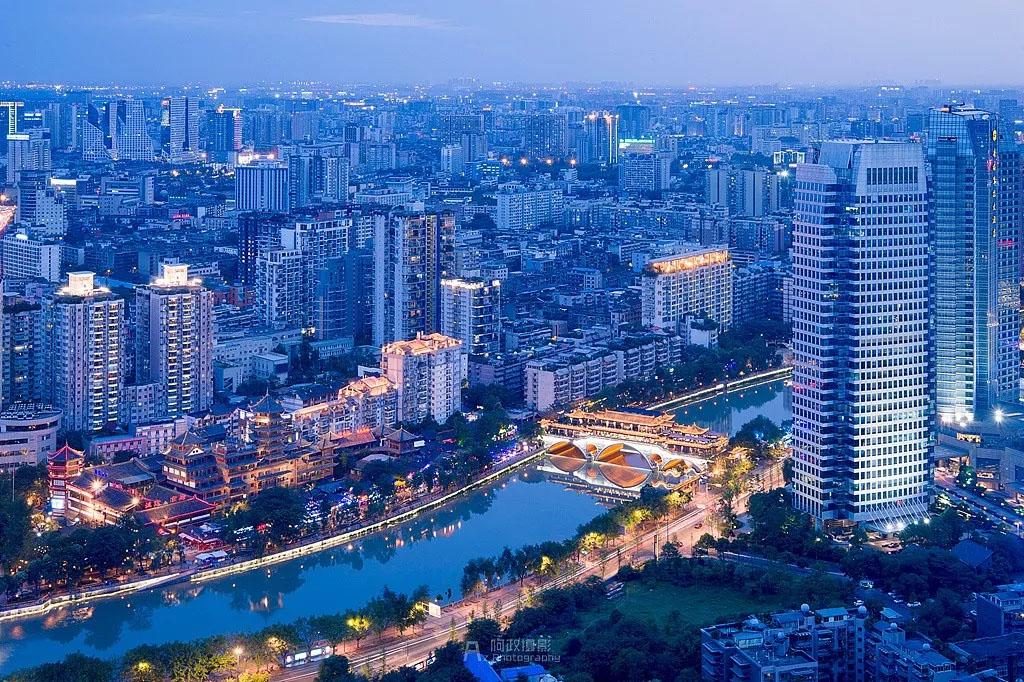
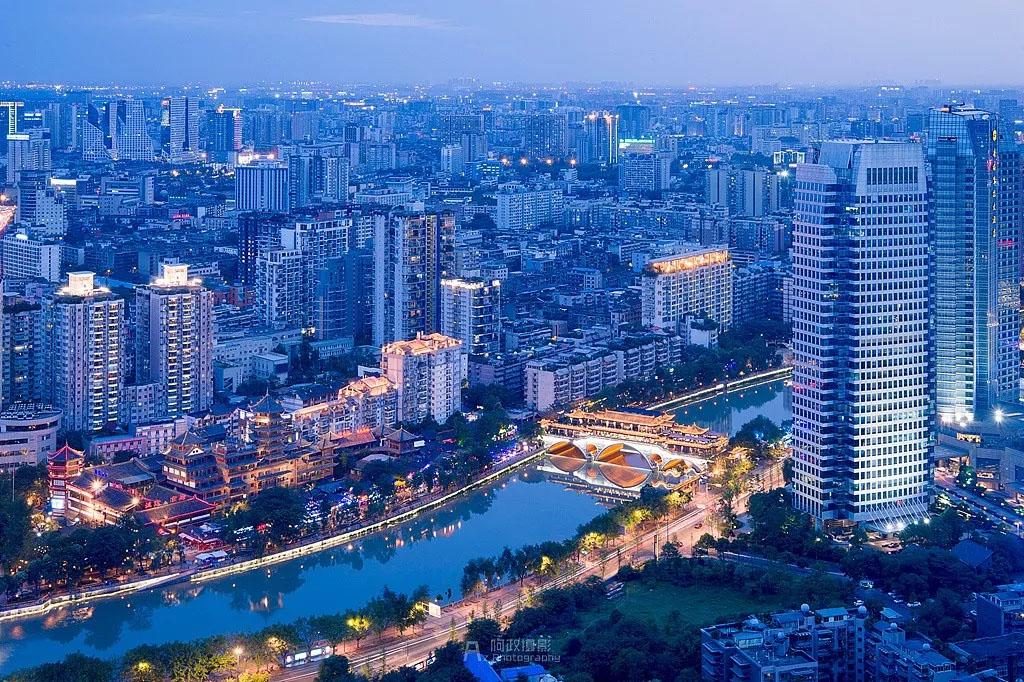
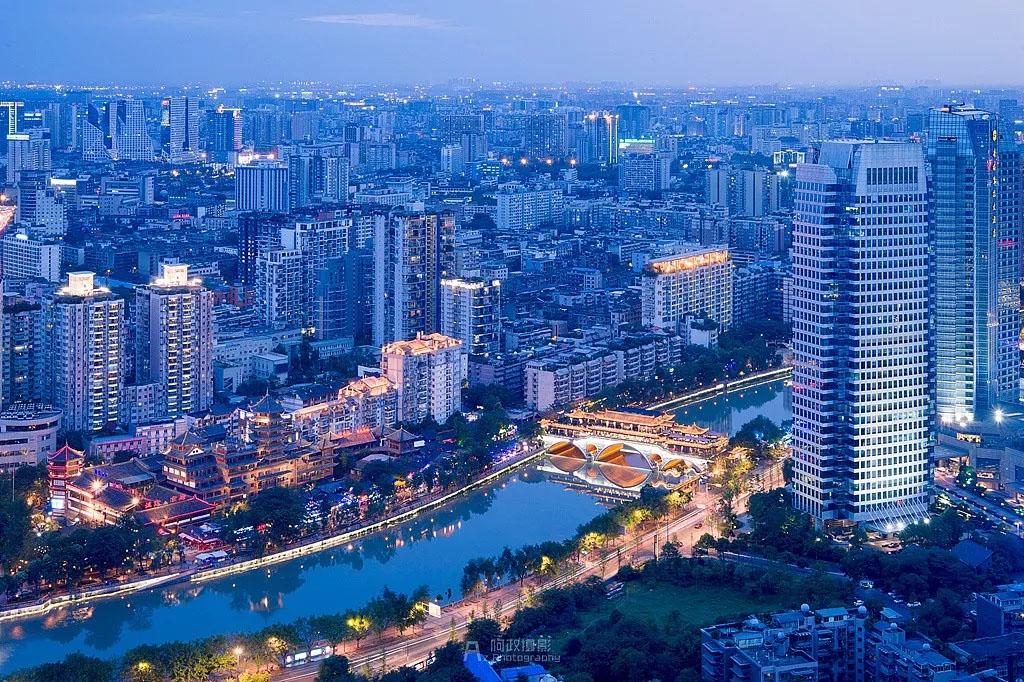
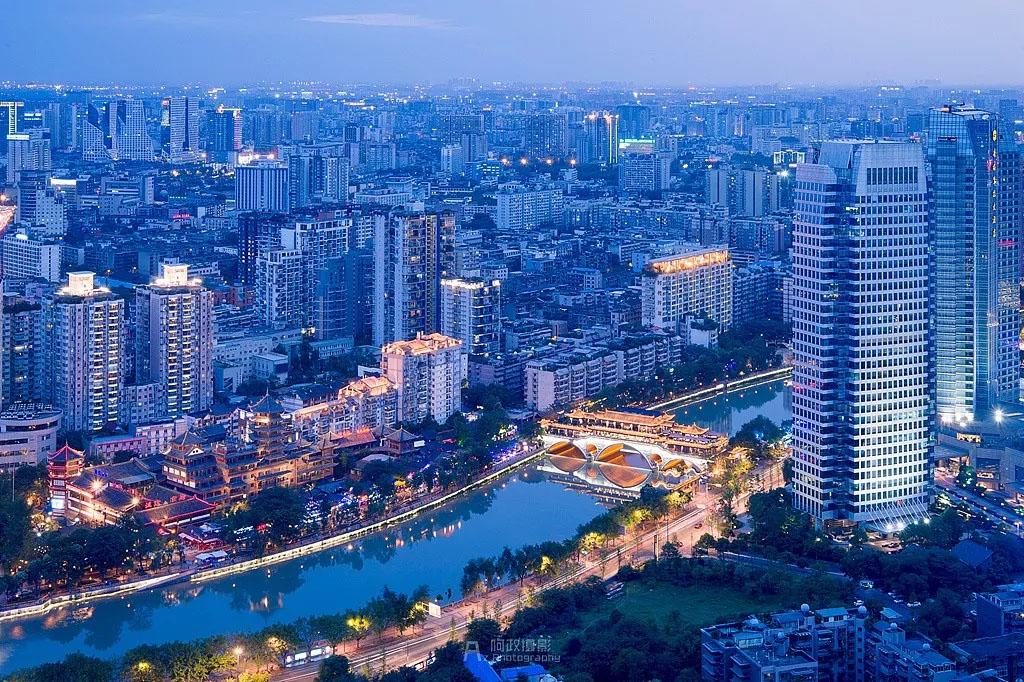
Jiuyan Bridge · Anshun Covered Bridge
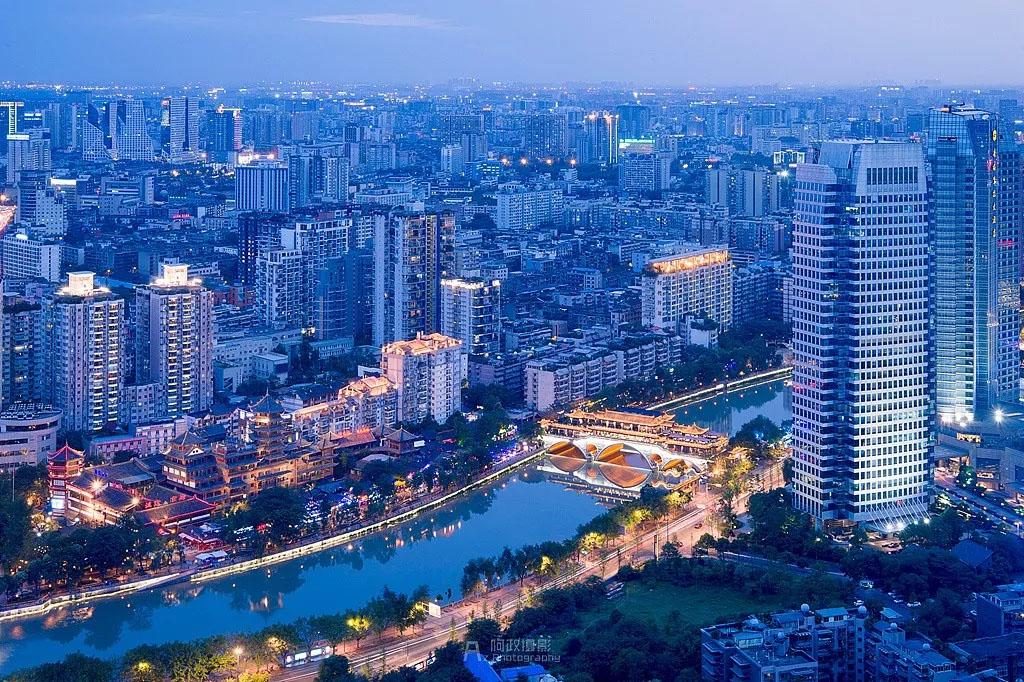
AttractionJinjiang riverside nightlife belt: the Jiuyan Bridge bar street is a landmark of Chengdu's night economy, with riverside live singers and cocktail stalls creating the evening riverside scene
 17
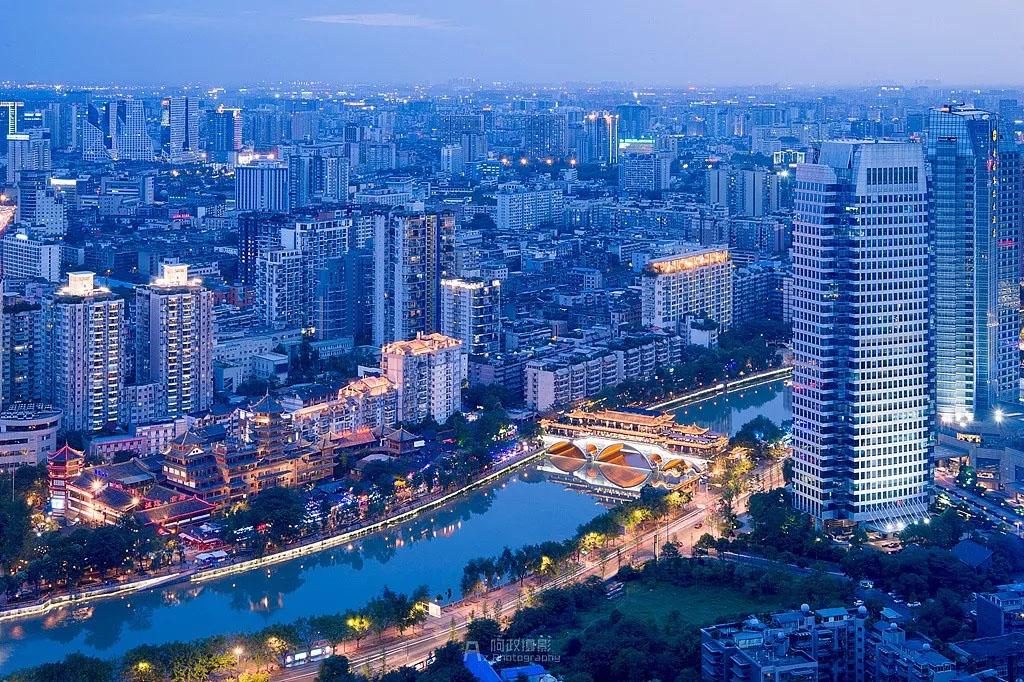
Dongjiao Memory (Eastern Suburb Memory)
AttractionA music and arts park converted from the Soviet-style factory buildings of the former state-owned Hongguang Electron Tube Factory (1958), known as “Chengdu's 798”: chimneys, pipes and red-brick factory halls preserve the industrial memory, livehouses, recording studios and exhibition spaces are densely packed, and the steam locomotive at Locomotive Square…
 18
Tangba Street · Yulin Road
AttractionTangba Street is one of Chengdu's “most beautiful streets”: a coffee street with a rich neighborhood feel, with the city's highest density of independent cafés and select shops
 19
Sichuan Museum
AttractionSouthwest China's largest comprehensive museum: the Zhang Daqian Dunhuang Copies Gallery holds the country's most complete collection of Zhang Daqian's original Dunhuang copies from 1941–43, the Ba-Shu bronzes and Han dynasty pictorial bricks are systematically displayed, and the Tibetan artifacts and ceramics of successive dynasties each have their own strengths
 20
Chengdu Museum
AttractionThe “gold-inlaid-jade” building beside Tianfu Square: the stone rhinoceros unearthed beside Tianfu Square in 2013 (a legendary water-suppressing divine beast) is the museum's prized treasure, and displays of Han dynasty pottery figurines and everyday street life vividly tell the story of Chengdu's two thousand years
 21
Jianchuan Museum Cluster (Anren)
AttractionA private museum cluster built by collector Fan Jianchuan (Anren, Dayi): more than 30 branch museums cover three major themes—the War of Resistance, the “Red Era” and the Wenchuan earthquake; “To collect war for the sake of peace” is the founding philosophy, and the Warriors Square sculpture group and the Frontal Battlefield Museum offer a folk historical narrative rarely seen in China…
 22
Dujiangyan Irrigation System
AttractionA dam-free water-diversion project built in 256 BC under Li Bing and his son, governors of Shu Commandery: the three main works—Yuzui (Fish Mouth) dividing the flow, Feishayan (Flying Sand Weir) discharging floods and flushing sand, and Baopingkou (Bottle-Neck Channel) drawing water—work with the six-character water-control maxim "dredge the shoal deep, keep the weir low"; for 2,280 years it has continuously irrigated the Chengdu Plain and created the "Land of Abundance", a…
 23
Mount Qingcheng
AttractionOne of the birthplaces of Daoism, where Zhang Ling founded the faith in the Eastern Han dynasty: Daoist temples such as Tianshi Cave and the Laojun Pavilion at Shangqing Palace climb the front mountain, whose tranquil air—"Qingcheng, the most secluded under heaven"—is unique among China's famous mountains
 24
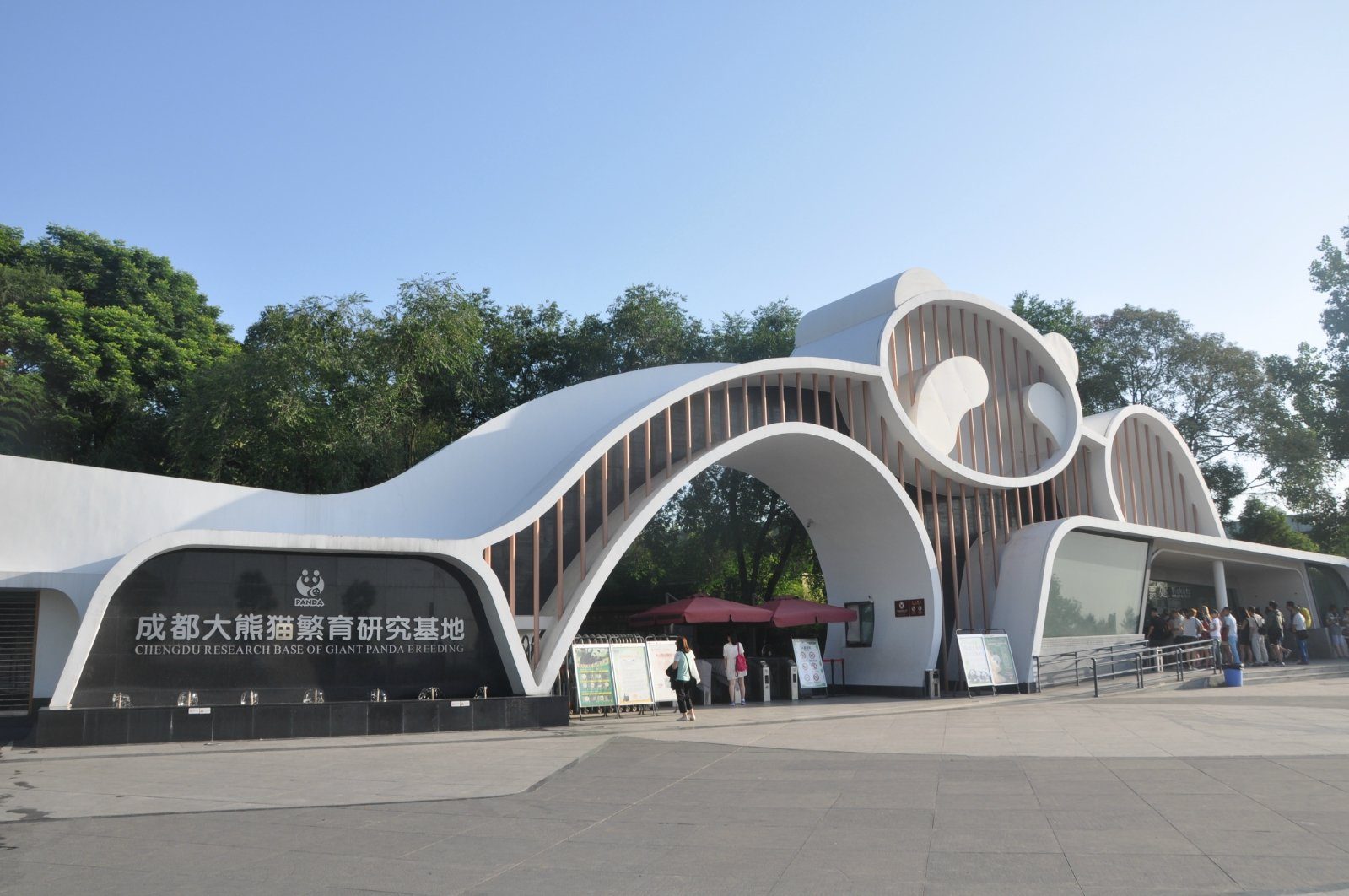
Chengdu Research Base of Giant Panda Breeding
AttractionChina's largest giant panda ex-situ conservation and research institution, established in 1987: the Moon Nursery (newborn cubs), Sun Nursery and Panda Villas open in separate zones, with the Red Panda Area and Swan Lake as secondary stops
 25
Panda Valley (Dujiangyan)
AttractionA giant panda rewilding-training base in Dujiangyan: far fewer visitors than the breeding base, it offers close-up observation of the pandas' pre-release transition training in a quiet valley setting
 26
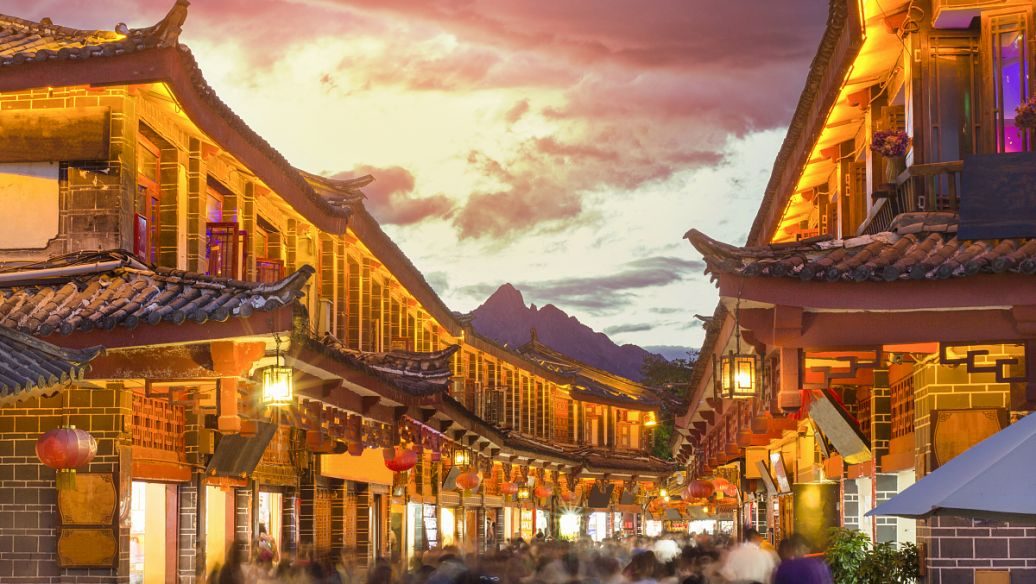
Luodai Ancient Town
AttractionThe "First Hakka Town of Western China" in Longquanyi: named after a Three Kingdoms "dropped belt" legend, it grew into a Hakka settlement through migration from the early Qing; the four guild halls of Guangdong, Jiangxi and Huguang are well preserved, tangible testimony to Qing-dynasty migration history
 27
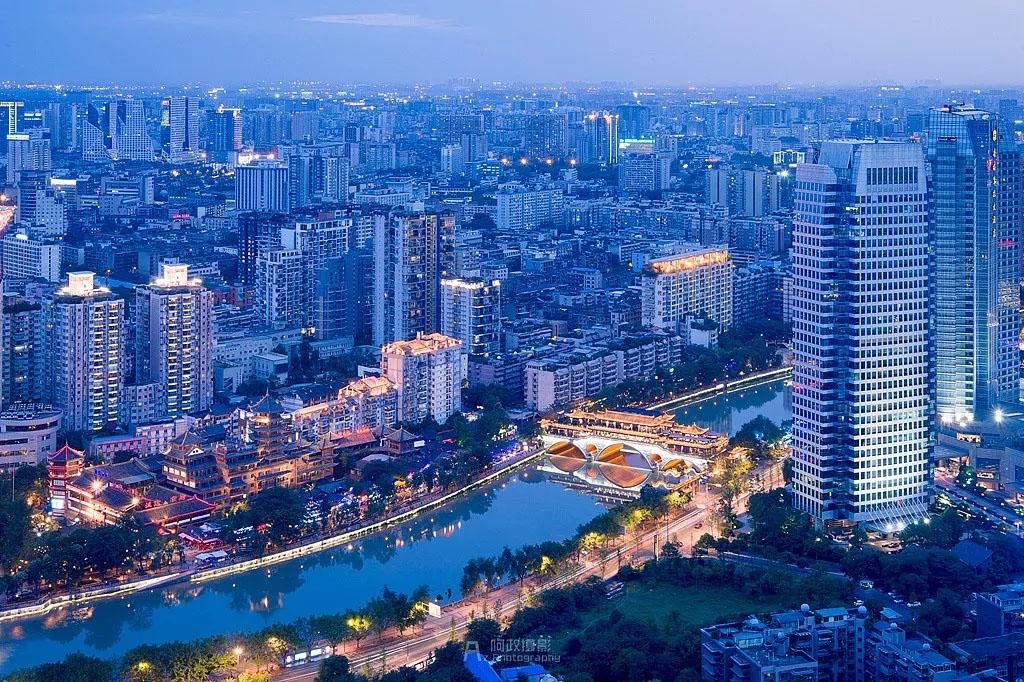
Huanglongxi Ancient Town
AttractionA 1,700-year-old river-wharf town on the Fu River in Shuangliu: seven ancient banyan trees several centuries old, a well-preserved "one street, three temples" layout, and fire-dragon performances (national intangible cultural heritage) staged during festivals
 28
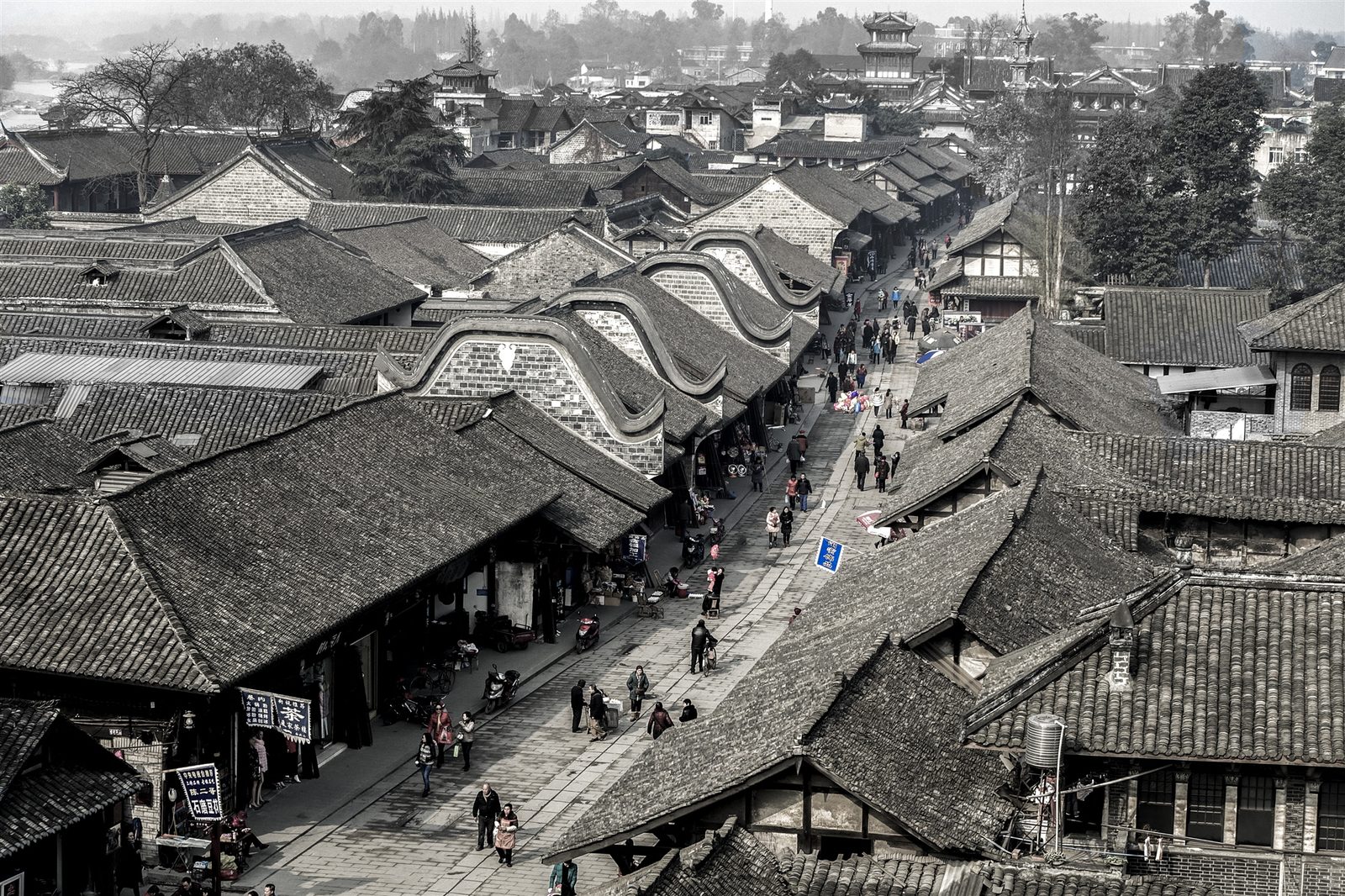
Jiezi Ancient Town
AttractionAn ancient town at the foot of Fengqi Mountain in Chongzhou: hometown of Tang Qiu, the Tang dynasty "One-Ladle Poet"; the Ziku Pagoda (a physical testament to the belief in cherishing written words) is a rarity in western Sichuan, and Guangyan Chan Monastery (an ancient temple) is famed for its Buddhist scripture collection
 29
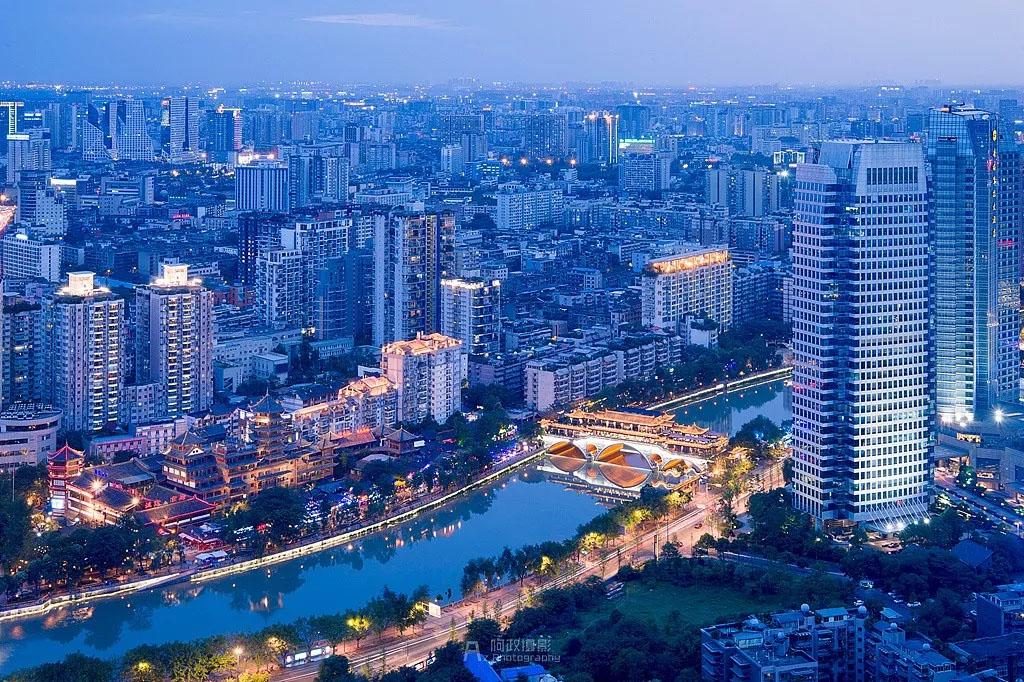
Yuantong Ancient Town
AttractionThe "Little Chengdu" river-port ancient town of Chongzhou: where the Wenjing, Wei, and Bo rivers converge; a key river port and trading hub of western Sichuan in the late Qing and early Republican era, with stately mansion residences such as the Huang Family Compound and Luo Family Compound, while the Xizi Palace keeps the cultural lineage alive
 30
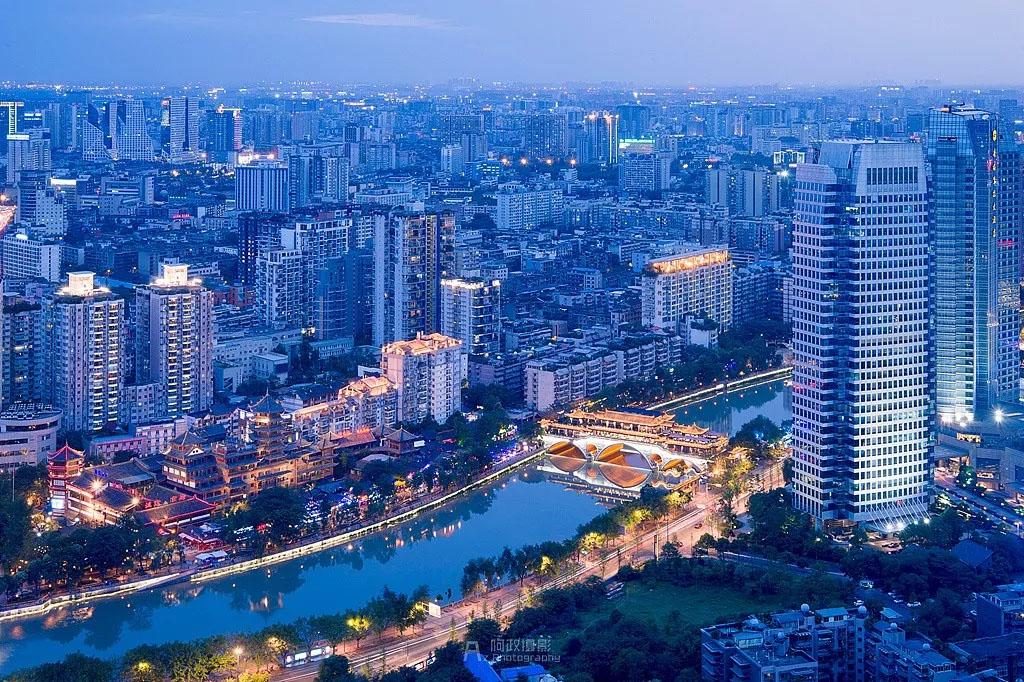
Anren Ancient Town
AttractionDayi County's "China Museum Town": Republican-era Mansion Street links 27 old mansions in a row; the Liu Family Manor and the Rent Collection Courtyard clay sculptures are a textbook scene of modern social history; the Jianchuan Museum Cluster's 30-plus halls take a full day to tour
 31
Pingle Ancient Town
AttractionAn ancient town on the banks of the Baimo River in Qionglai: the first post station of the Southern Silk Road; Leshan Bridge (a Qing dynasty seven-arch stone bridge) is one of the longest surviving stone arch bridges in western Sichuan; bamboo weaving and the bamboo-hemp work chant are intangible heritage highlights
 32
Sandaoyan Ancient Town
AttractionA water town on the banks of the Baitiao River in Pidu: named after the three stone dams of a thousand-year-old water-diversion project, whose bamboo-cage pebble-dam wisdom lives on today
 33
Xiling Snow Mountain
AttractionThe mountain of Du Fu's famous line "my window frames the Xiling's snow of a thousand autumns": Mt. Daxuetang (5,364 m), Chengdu's highest peak, lies within; the ski resort is the largest in southwest China (open November to March, with extended night skiing); Yingxue Square and the Riyueping sea of clouds are the two major viewpoints; summer retreat, winter skiing…
 34
Mount Tiantai (Qionglai)
AttractionA celebrated mountain of the Qionglai Mountains, hailed as "the first mountain of the Chengdu Plain": known for water play in the high mountains, its "Thirty-Li Long Shoals" summer all-comers water fights on the shallows are a pastime unique to Sichuan, and its firefly-viewing spots (multiple emergence bursts April-October) are the top summer-night draw
 35
Danjingtai on Longquan Mountain ("Eye of the City")
AttractionThe "Eye of the City" observation deck in Longquan Mountain City Forest Park: a spiral viewing building overlooking Sancha Lake and Chengdu's new eastern districts; sunrise with a sea of clouds and the city night view are the two best times to visit
 36
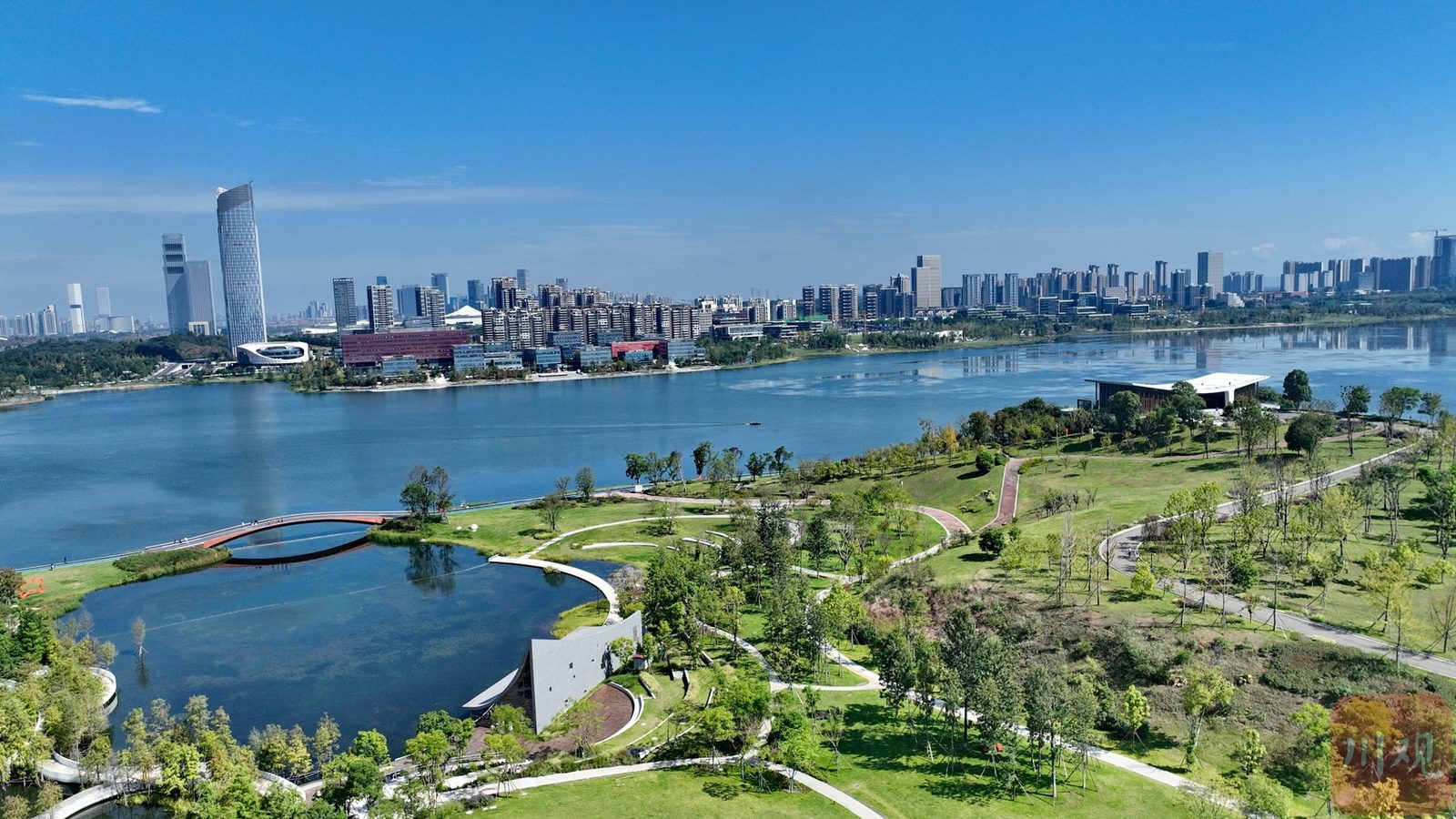
Xinglong Lake
AttractionAn 11-square-kilometer ecological lake in Tianfu New Area: the trendy lakeside underwater bookstore (a reading space half-submerged in the water) forms a striking scene with the Science City skyline; the lakeside running track is Chengdu's mecca for runners, and the wetland habitat attracts waterbirds
 37
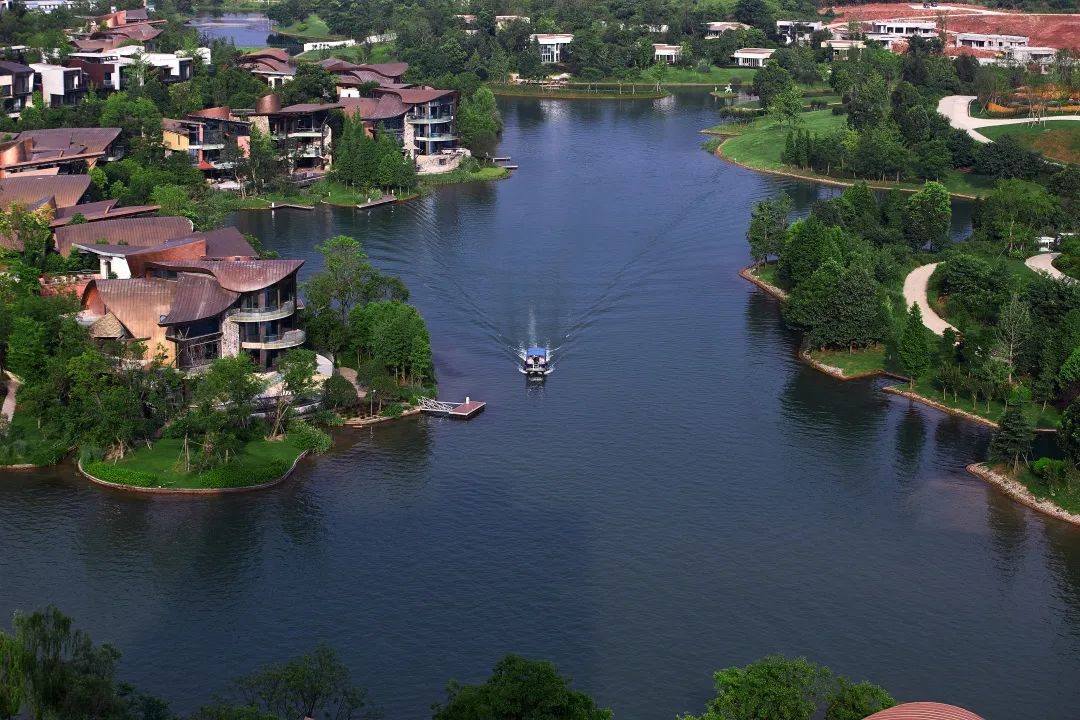
Luxelakes (Luhu)
AttractionA chain of artificial lake islands in Luxelakes Eco-City: the A4 Art Museum (LUXELAKES·A4) is a key venue for Chengdu's contemporary art scene (free at certain times), and lakeside boardwalks and community parks link up the waterfront
 38
Ring City Ecological Park (Jincheng Greenway)
AttractionA "super greenway" forming a 121-km green ring along both sides of the Ring Expressway: it links 100 square kilometers of country parks and, once fully connected, became one of China's longest closed urban greenway loops; the primary greenway totals about 100 km
What to eat in Chengdu
Signature dishes, famous tables and street-food runs — spice levels marked honestly.
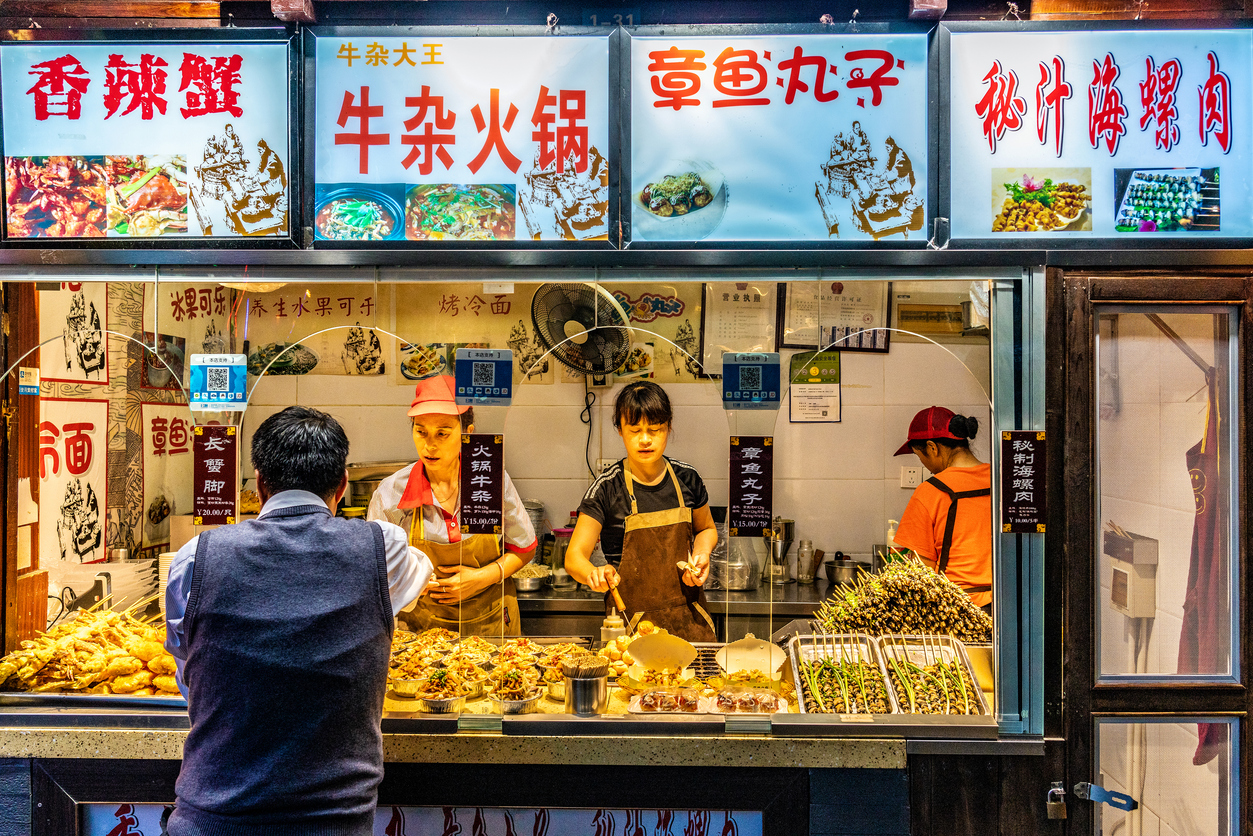
Jinli Street Snacks
Street FoodSnack crawl under red lanterns beside Wuhou Shrine.
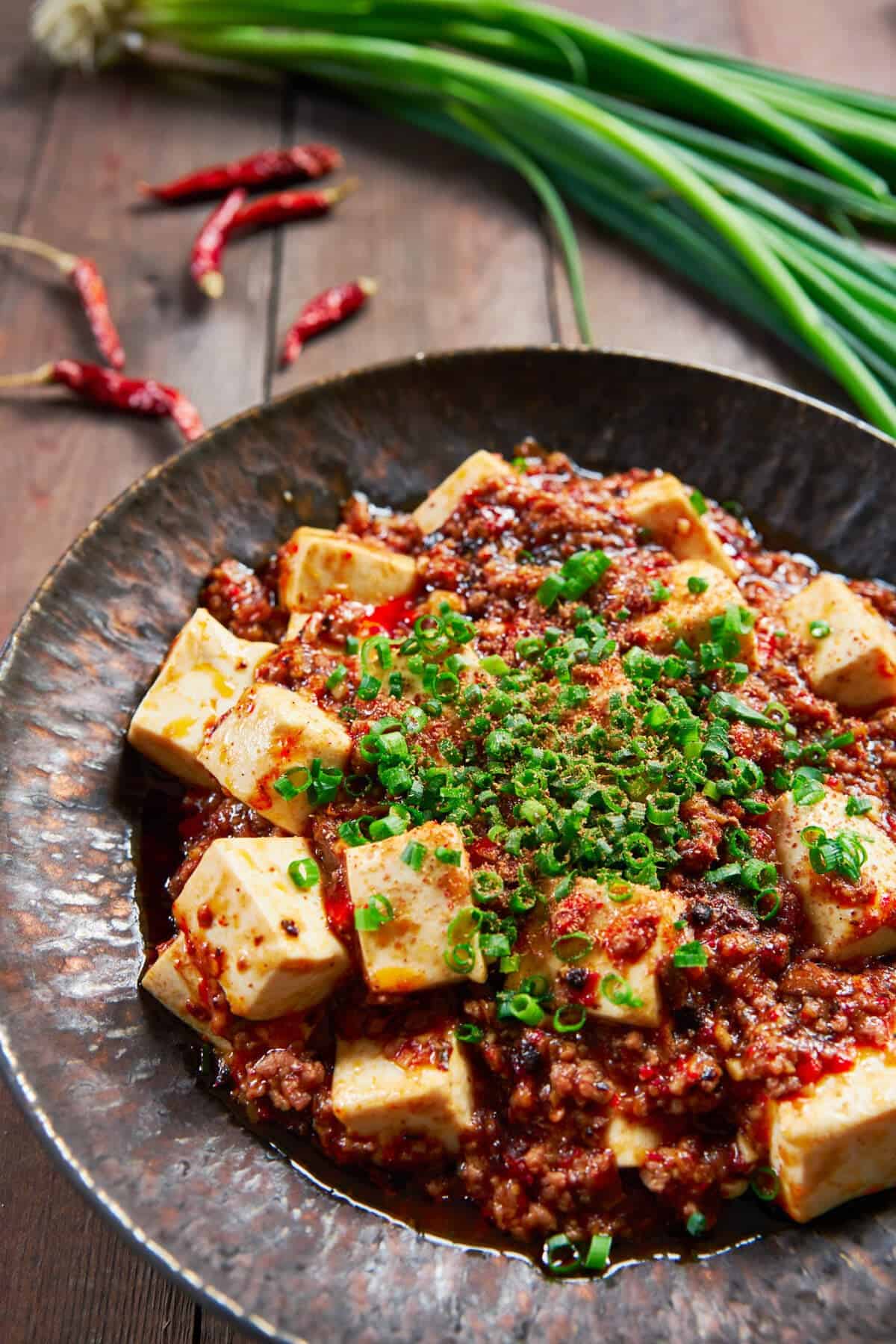
Mapo Tofu
DishSilken tofu in numbing-pepper and chili-bean sauce, born in Chengdu.
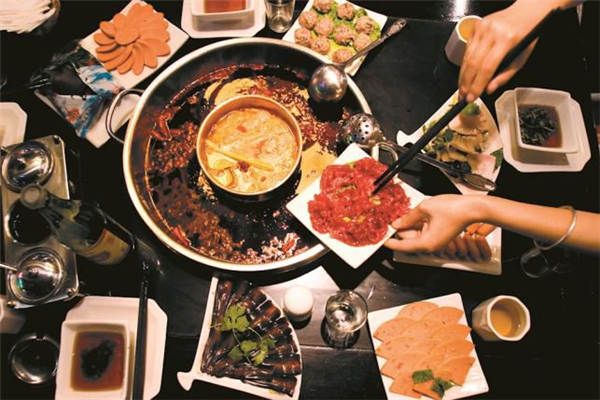
Shu Jiuxiang Hotpot
RestaurantSichuan hotpot chain with butter-rich broth.
Where to stay
- Where to Stay in Chengdu
The three areas worth sleeping in, with real price ranges.
🛏 CNY 150–800/night · 3 areas compared
Getting around
- Getting Around Chengdu
CTU metro line 10 direct downtown; 13 metro lines; Didi to Panda Base ~40 CNY; bike lanes everywhere.
Want a custom Chengdu trip?
Tell us your dates — free draft plan within 24 hours.