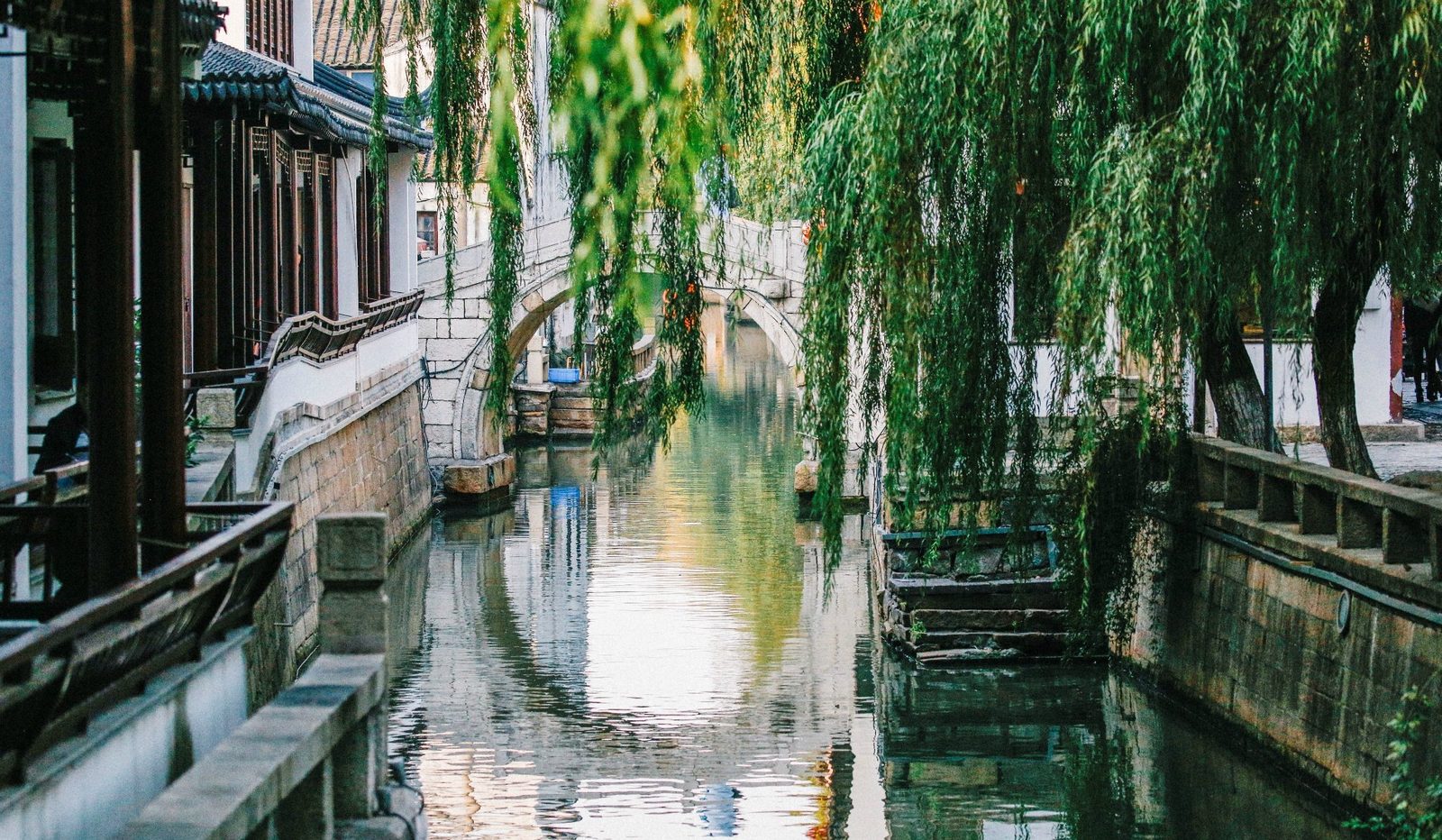
Luzhi
'Bridge capital of Jiangnan' (Baosheng Temple—ancient Southern Dynasties temple with wall-sculpted arhats by Yang Huizhi / Ye Shengtao Memorial Hall / Wansheng Rice Shop)
Visitor info
- Opening hours
- 07:30-17:00
- Ticket
- CNY 78
Price is indicative — final quote on inquiry.
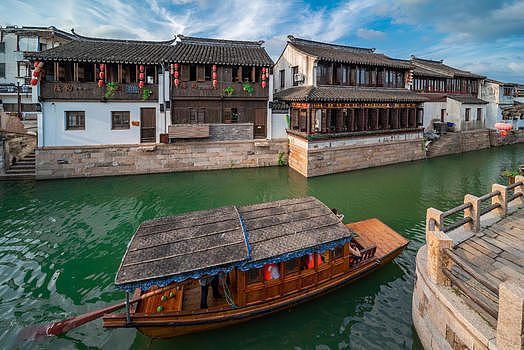
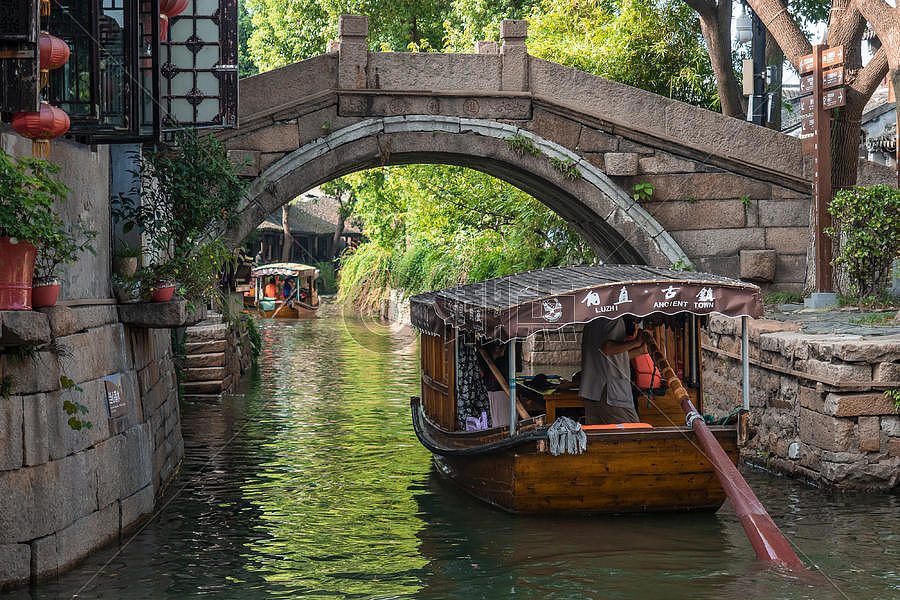
'Bridge capital of Jiangnan' (Baosheng Temple—ancient Southern Dynasties temple with wall-sculpted arhats by Yang Huizhi / Ye Shengtao Memorial Hall / Wansheng Rice Shop). The town's name comes from the legend that the mythical beast 'Luduan' once stayed here; 41 ancient bridges span 5.6 km of canals, a bridge density that earned it the title 'bridge capital of Jiangnan.' Baosheng Temple in town was founded in the Liang dynasty of the Southern Dynasties; the arhats sculpted on its walls are said to be the work of Yang Huizhi, the Tang 'sage of sculpture'—though weathered over a thousand years, their expressions remain vivid, the temple's treasure under national heritage protection. The writer Ye Shengtao taught here; the memorial hall and the Wansheng Rice Shop—setting of his story 'Harvest of a Few Extra Dou'—fully preserve the counter and rice measures of a Republican-era rice shop. Luzhi sees fewer visitors than Zhouzhuang or Tongli; sculled boats in the water lanes and covered waterside pavilions preserve more scenes of residents' everyday life. 'Bridges + temple + famous figures' combine in one route—suits a leisurely visit of most of a day.
Getting there: Shuttle bus from Suzhou Railway Station
Photos
More in Suzhou
- Humble Administrator's Garden
Built in the fourth year of the Ming Zhengde reign (1509) by Wang Xianchen, with Wen Zhengming participating in the design, the 'Mother of Chinese Gardens' (a representative Jiangnan garden): Hall of Distant Fragrance / Little Flying Rainbow (Suzhou's only covered bridge) / 'With Whom Shall I Sit' Pavilion
- Suzhou Museum (Main Building)
I.M. Pei's final masterpiece (opened 2006), 'Chinese yet new, Suzhou yet new'; the sliced-rock hillside borrows the white wall of the Humble Administrator's Garden as its backdrop
- Lion Grove Garden
Built in 1342 (2nd year of the Yuan Zhizheng era) by Zen Master Tianru (Lion Grove Chan Temple); a labyrinth of Taihu Lake rockeries ('kingdom of rockeries', nine interweaving routes); Emperor Qianlong visited six times and inscribed 'True Delight'
- Lingering Garden
Xu Taishi built the East Garden in the Ming Wanli era; Liu Shu's Hanbi (Cold Green) Villa in the Qing dynasty
- Master of the Nets Garden
Site of Southern Song Shi Zhengzhi's Wanjuan Hall ('Fisherman's Retreat'); rebuilt in the Qianlong era of the Qing by Song Zongyuan as the 'Master of the Nets' (fisherman, his self-styled name)
- Canglang Pavilion
Built in 1045 (5th year of the Northern Song Qingli era) by Su Shunqin, Suzhou's oldest surviving garden ('scenery before you enter the gate' — double corridor with lattice windows); the famous couplet 'A clear breeze and bright moon are priceless' (assembled from lines by Ouyang Xiu and Su Shunqin)