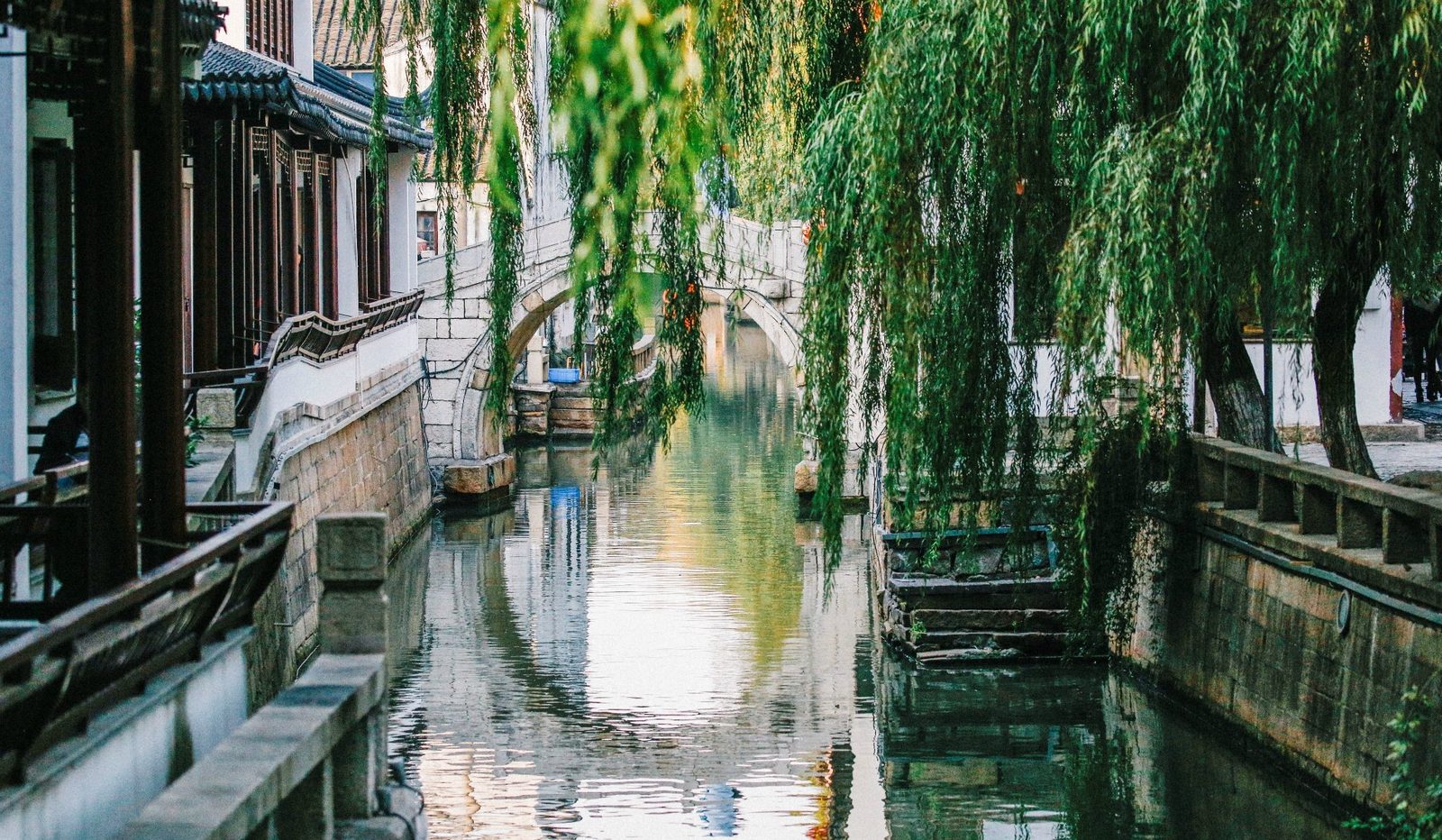
Mudu Ancient Town
"First Town of Wuzhong" (a must-visit on Emperor Qianlong's six southern tours), Yan Family Garden / Hongyin Mountain Villa / Gusong Garden / Bangyan Mansion
Visitor info
- Opening hours
- 08:00-17:00
- Ticket
- Combined ticket CNY 78
Price is indicative — final quote on inquiry.
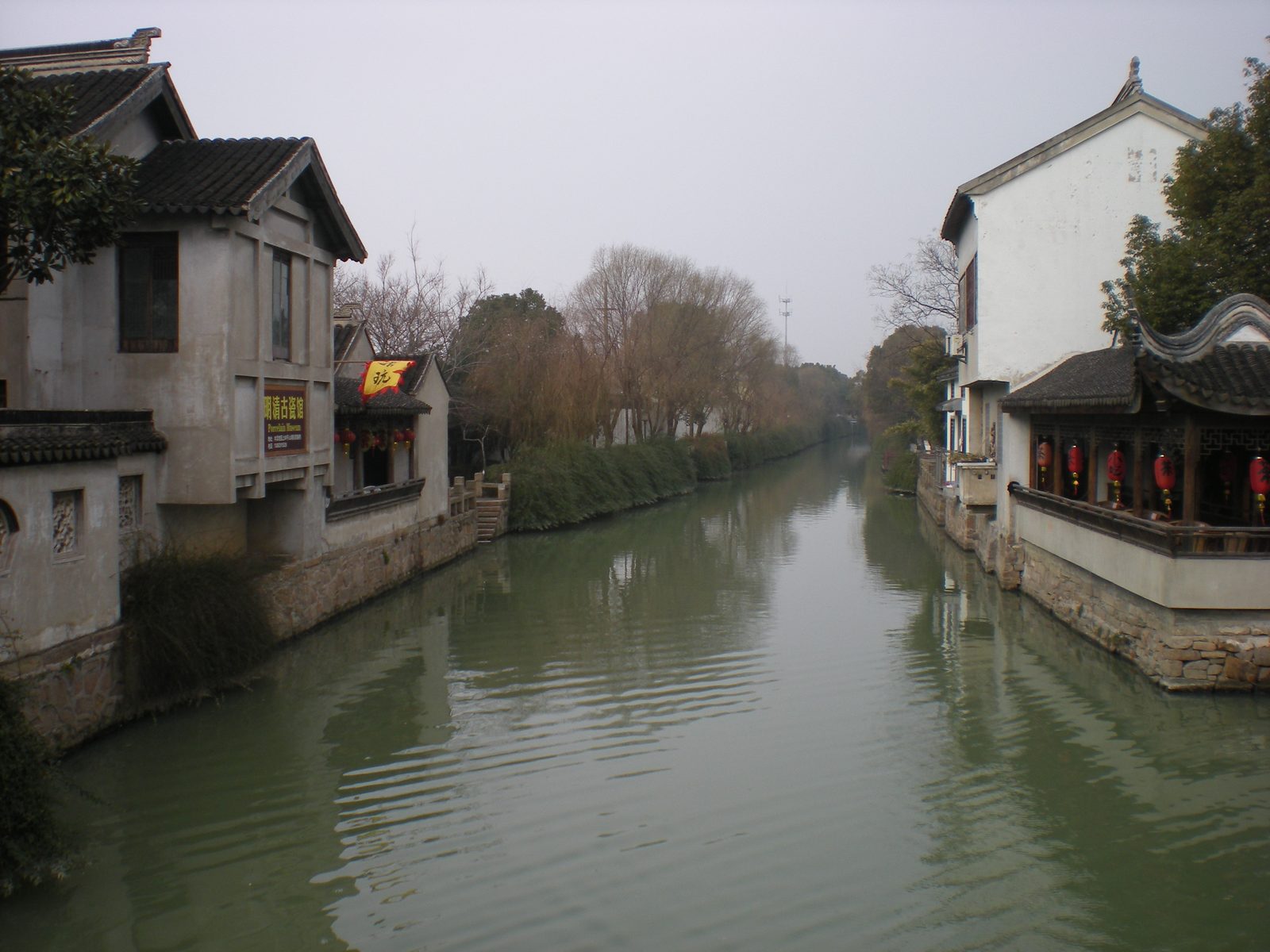
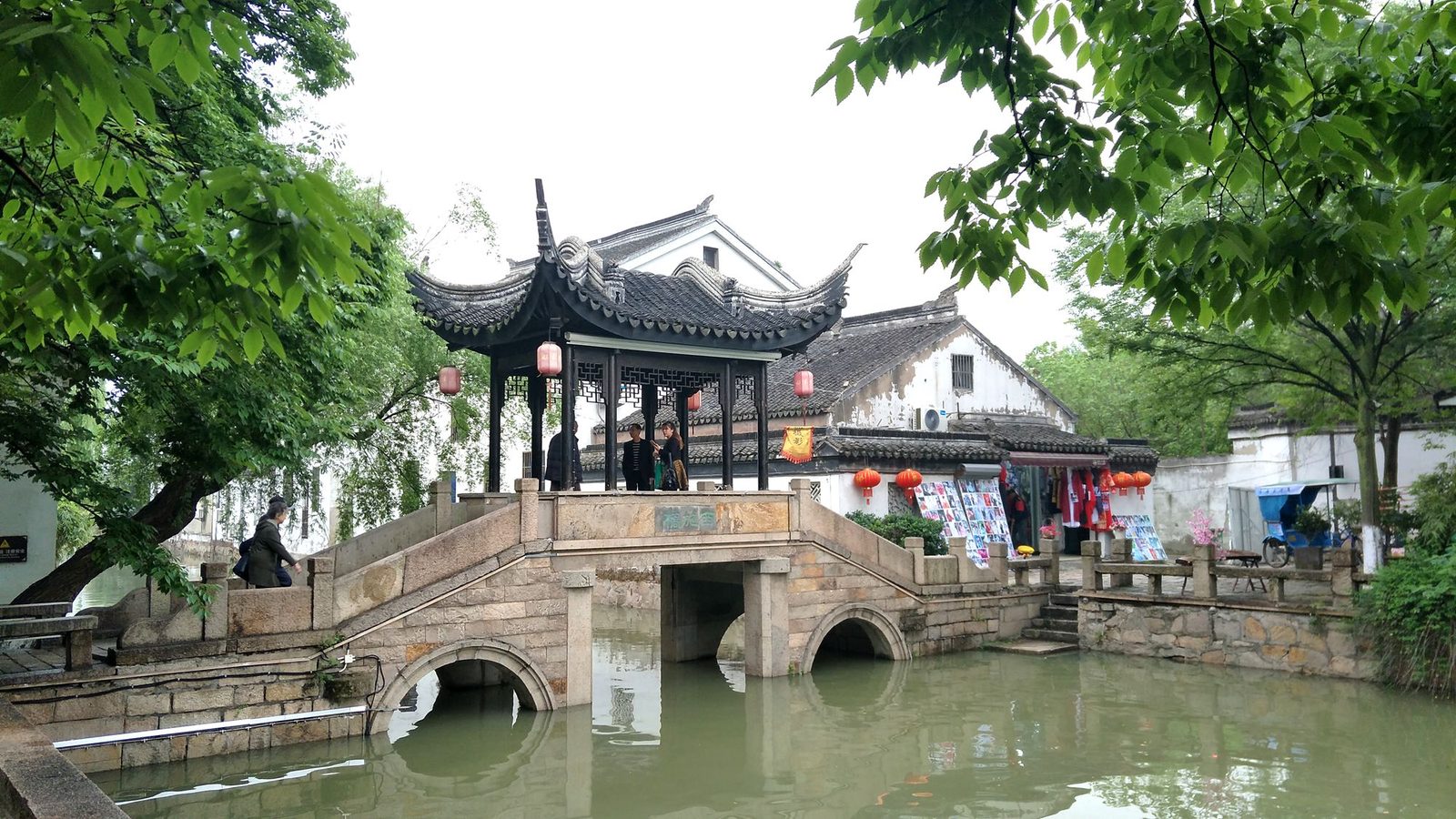
"First Town of Wuzhong" (a must-visit on Emperor Qianlong's six southern tours), Yan Family Garden / Hongyin Mountain Villa / Gusong Garden / Bangyan Mansion; connected with Lingyan Hill (ruins of the Wu King's Guanwa Palace, Xi Shi's fragrance-gathering path). Mudu is said to take its name from King Fuchai of Wu building the Guanwa Palace for Xi Shi, when timber stockpiled for three years "clogged the creek" — making it Jiangnan's only "garden town": four garden mansions — Yan Family Garden, Hongyin Mountain Villa, Gusong Garden and Bangyan Mansion — cluster inside the town. Hongyin Mountain Villa served as Emperor Qianlong's temporary palace and was a must-visit on his six southern tours; Yan Family Garden has been passed down over four centuries and changed hands five times, with scenery for every season — spring cherry blossoms, summer lotus, autumn osmanthus and winter plum. Lingyan Hill west of town is the site of the Spring and Autumn period Wu Kingdom's Guanwa Palace, where relics such as the "Fragrance-Gathering Path" and "Xi Shi Cave" tie into legends of the Wu–Yue rivalry; from the summit you can look out over Taihu Lake. Direct Metro Line 1 access makes it the most convenient ancient town to reach, and it can be combined with Tianping Mountain's red-leaf season into a one-day route.
Getting there: Metro Line 1, Mudu Station
Photos
More in Suzhou
- Humble Administrator's Garden
Built in the fourth year of the Ming Zhengde reign (1509) by Wang Xianchen, with Wen Zhengming participating in the design, the 'Mother of Chinese Gardens' (a representative Jiangnan garden): Hall of Distant Fragrance / Little Flying Rainbow (Suzhou's only covered bridge) / 'With Whom Shall I Sit' Pavilion
- Suzhou Museum (Main Building)
I.M. Pei's final masterpiece (opened 2006), 'Chinese yet new, Suzhou yet new'; the sliced-rock hillside borrows the white wall of the Humble Administrator's Garden as its backdrop
- Lion Grove Garden
Built in 1342 (2nd year of the Yuan Zhizheng era) by Zen Master Tianru (Lion Grove Chan Temple); a labyrinth of Taihu Lake rockeries ('kingdom of rockeries', nine interweaving routes); Emperor Qianlong visited six times and inscribed 'True Delight'
- Lingering Garden
Xu Taishi built the East Garden in the Ming Wanli era; Liu Shu's Hanbi (Cold Green) Villa in the Qing dynasty
- Master of the Nets Garden
Site of Southern Song Shi Zhengzhi's Wanjuan Hall ('Fisherman's Retreat'); rebuilt in the Qianlong era of the Qing by Song Zongyuan as the 'Master of the Nets' (fisherman, his self-styled name)
- Canglang Pavilion
Built in 1045 (5th year of the Northern Song Qingli era) by Su Shunqin, Suzhou's oldest surviving garden ('scenery before you enter the gate' — double corridor with lattice windows); the famous couplet 'A clear breeze and bright moon are priceless' (assembled from lines by Ouyang Xiu and Su Shunqin)