Pan Gate (Panmen Three Scenic Spots)
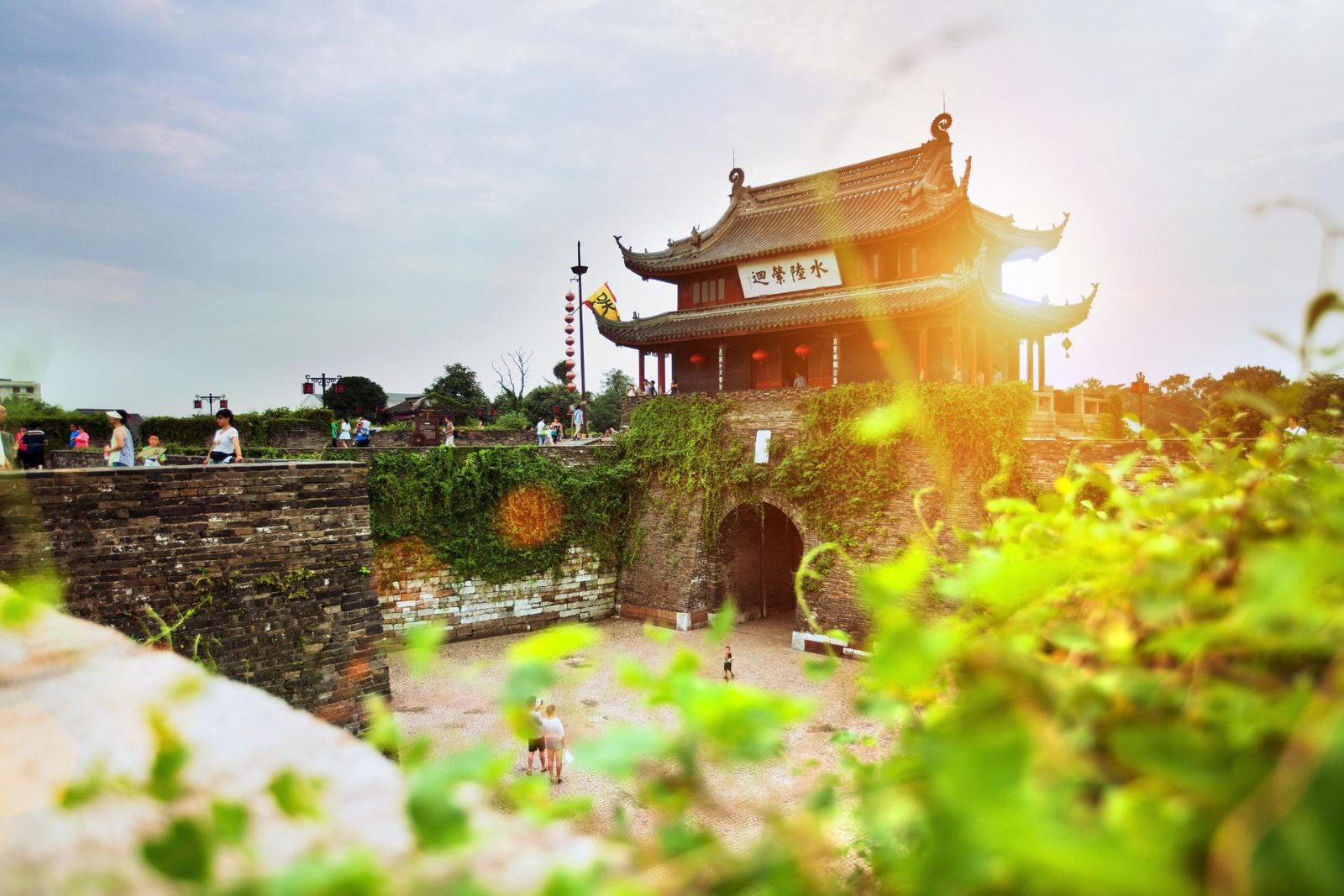
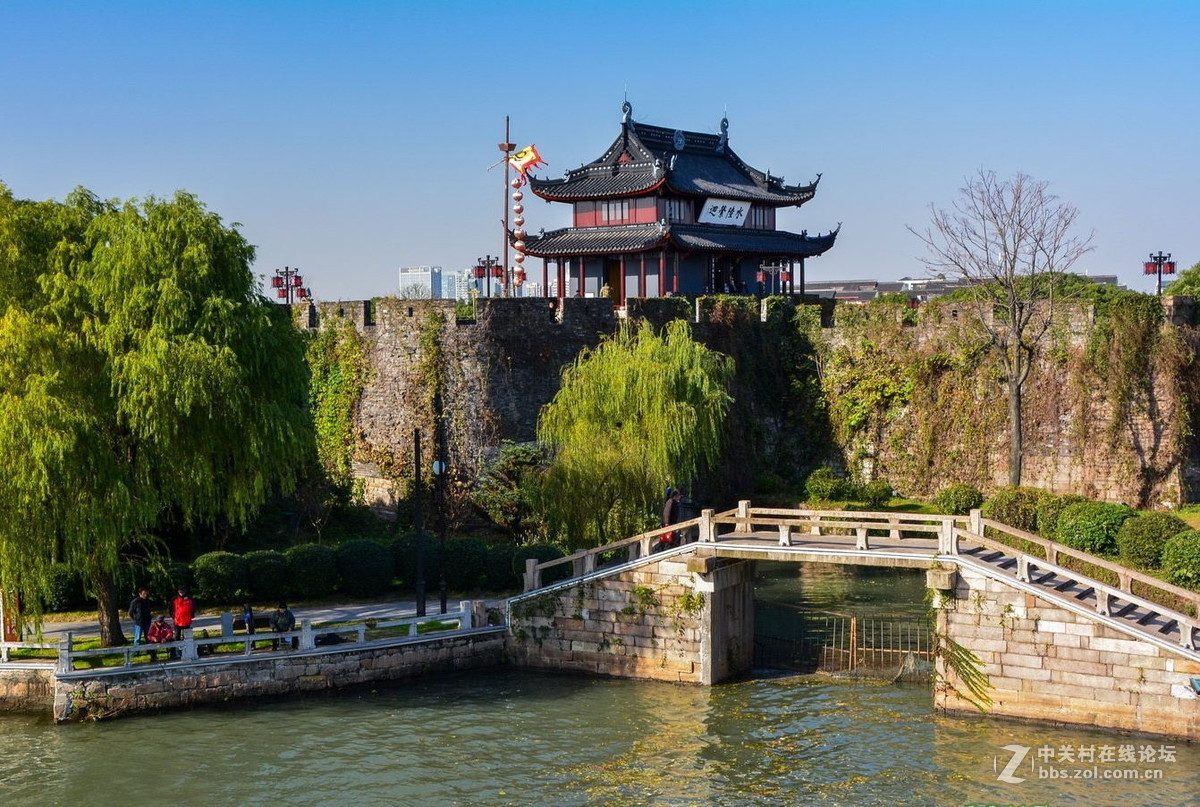
The only surviving water-and-land city gate among the eight gates of the Spring and Autumn Wu state's 'Helü Great City' (rebuilt in the Yuan Zhizheng era); paired water and land gates side by side (unique in China) + Ruiguang Pagoda (seven-story Northern Song pagoda; the Pearl Sarira Shrine unearthed here in 1978) + Wumen Bridge (the tallest Song-era stone arch bridge in Suzhou)
Visitor info
- Opening hours
- 07:30-17:30
- Ticket
- CNY 40
Price is indicative — final quote on inquiry.
The only surviving water-and-land city gate among the eight gates of the Spring and Autumn Wu state's 'Helü Great City' (rebuilt in the Yuan Zhizheng era); paired water and land gates side by side (unique in China) + Ruiguang Pagoda (seven-story Northern Song pagoda; the Pearl Sarira Shrine unearthed here in 1978) + Wumen Bridge (the tallest Song-era stone arch bridge in Suzhou). King Helü of Wu ordered Wu Zixu to build a great city with eight gates in the Spring and Autumn period; 2,500 years later, Panmen is the only gate of the eight that preserves both a water gate and a land gate on their original site, with the surviving walls rebuilt in the Zhizheng era of the Yuan dynasty: the double-barbican structure with water and land gates in parallel is the only example in China. From the top of the wall you can watch boats pass through the water gate into the city—a living textbook on ancient urban defense and water transport. Inside the gate stands Ruiguang Pagoda, a seven-story brick pagoda of the Northern Song, where rare relics including the Pearl Sarira Shrine were discovered in 1978; outside the gate, Wumen Bridge is the tallest surviving single-arch Song-era stone bridge in Suzhou. The three sights line up as the 'Panmen Three Scenic Spots,' in tranquil garden-like surroundings with far fewer visitors than the Humble Administrator's Garden circuit.
Getting there: Metro Line 4, Nanmen Station, then transfer to a bus
Photos
More in Suzhou
- Humble Administrator's Garden
Built in the fourth year of the Ming Zhengde reign (1509) by Wang Xianchen, with Wen Zhengming participating in the design, the 'Mother of Chinese Gardens' (a representative Jiangnan garden): Hall of Distant Fragrance / Little Flying Rainbow (Suzhou's only covered bridge) / 'With Whom Shall I Sit' Pavilion
- Suzhou Museum (Main Building)
I.M. Pei's final masterpiece (opened 2006), 'Chinese yet new, Suzhou yet new'; the sliced-rock hillside borrows the white wall of the Humble Administrator's Garden as its backdrop
- Lion Grove Garden
Built in 1342 (2nd year of the Yuan Zhizheng era) by Zen Master Tianru (Lion Grove Chan Temple); a labyrinth of Taihu Lake rockeries ('kingdom of rockeries', nine interweaving routes); Emperor Qianlong visited six times and inscribed 'True Delight'
- Lingering Garden
Xu Taishi built the East Garden in the Ming Wanli era; Liu Shu's Hanbi (Cold Green) Villa in the Qing dynasty
- Master of the Nets Garden
Site of Southern Song Shi Zhengzhi's Wanjuan Hall ('Fisherman's Retreat'); rebuilt in the Qianlong era of the Qing by Song Zongyuan as the 'Master of the Nets' (fisherman, his self-styled name)
- Canglang Pavilion
Built in 1045 (5th year of the Northern Song Qingli era) by Su Shunqin, Suzhou's oldest surviving garden ('scenery before you enter the gate' — double corridor with lattice windows); the famous couplet 'A clear breeze and bright moon are priceless' (assembled from lines by Ouyang Xiu and Su Shunqin)