Mount Qingcheng
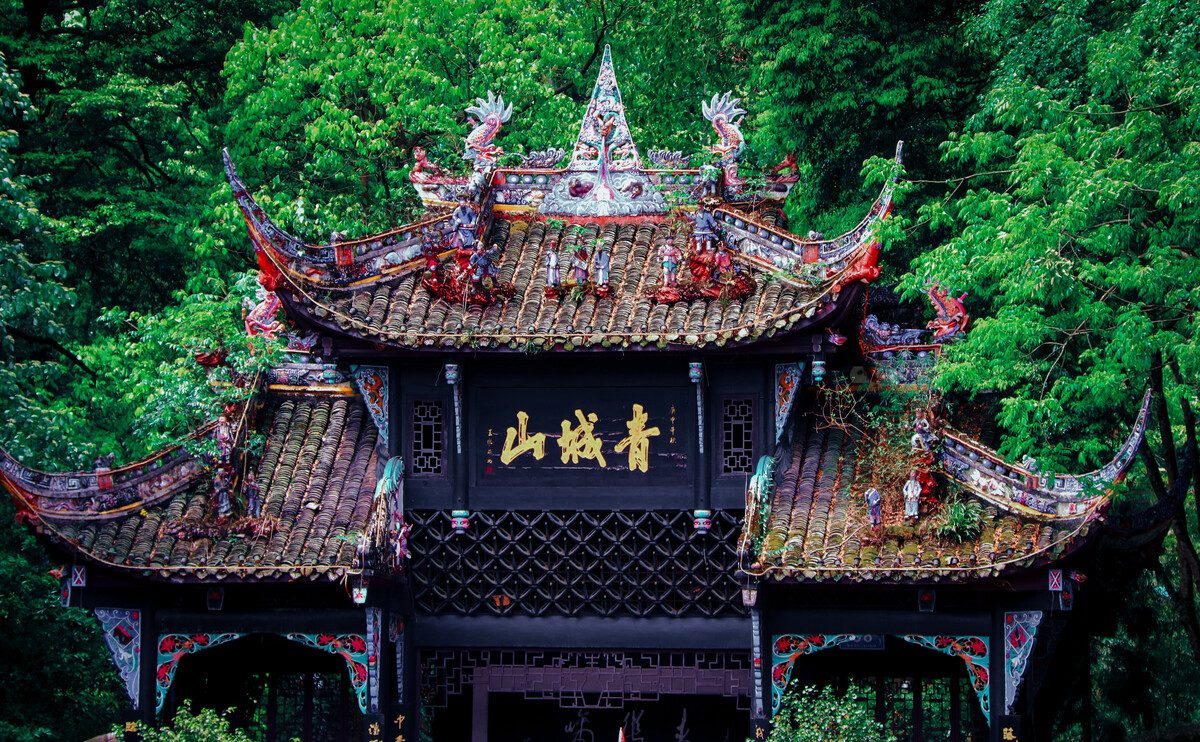
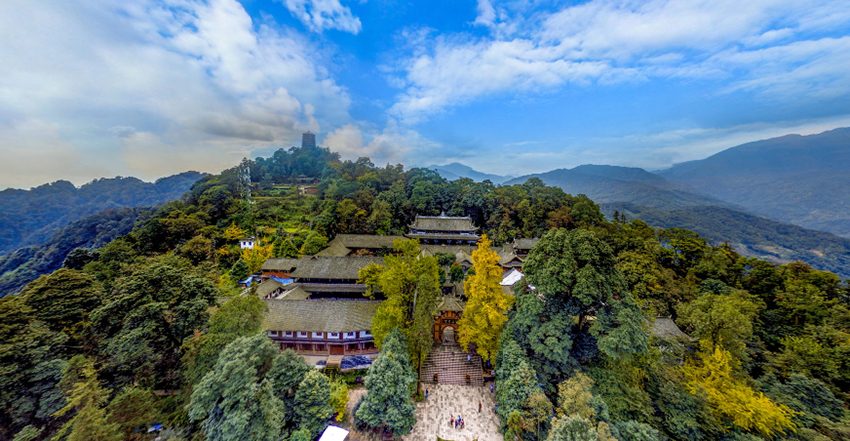
One of the birthplaces of Daoism, where Zhang Ling founded the faith in the Eastern Han dynasty: Daoist temples such as Tianshi Cave and the Laojun Pavilion at Shangqing Palace climb the front mountain, whose tranquil air—"Qingcheng, the most secluded under heaven"—is unique among China's famous mountains
Visitor info
- Opening hours
- 08:00-17:00
- Ticket
- Front Mountain CNY 80 · Rear Mountain CNY 20
Price is indicative — final quote on inquiry.
One of the birthplaces of Daoism, where Zhang Ling founded the faith in the Eastern Han dynasty: Daoist temples such as Tianshi Cave and the Laojun Pavilion at Shangqing Palace climb the front mountain, whose tranquil air—"Qingcheng, the most secluded under heaven"—is unique among China's famous mountains; on the rear mountain, the Feiquan Gully and Wulong Gully hiking trails run past cool waterfalls, great for escaping summer heat, with Zhangren Spring and Yuecheng Lake dotted along the way. Front mountain CNY 80, rear mountain CNY 20; intercity rail to Qingchengshan Station; half a day for the front mountain, a full day for the rear—paired with Dujiangyan it makes a classic two-day itinerary.
Getting there: Intercity rail, Qingchengshan Station
Photos
More in Chengdu
- Wuhou Shrine
Three Kingdoms temple of Zhuge Liang and Liu Bei among cypress groves.
- People's Park
Chengdu's open-air living room: tea houses, ear cleaning, matchmakers' corner.
- Giant Panda Breeding Base
Dozens of pandas eating bamboo; arrive 08:00 for feeding time.
- Jinli Ancient Street
Rebuilt Qing-style shopping street beside Wuhou Shrine; evening lanterns.
- Jinsha Site Museum
Capital-site ruins of the ancient Shu kingdom from the Shang-Zhou period, discovered in 2001: the Golden Sun Bird ornament (over 90% gold content, openwork rotating pattern) was designated the symbol of China's cultural heritage; the gold mask and the ten-section jade cong are national-treasure artifacts, testifying to the high development of ancient Shu civilization
- Wuhou Shrine · Jinli Street
The only shrine in China where ruler and minister are worshipped together: Liu Bei's Huiling Tomb and Zhuge Liang's hall were merged into one garden in the late Ming/early Qing; the 'winning hearts' (Gongxin) couplet is a famous maxim on governing Shu; Sanyi Temple and the stone-carved Chu Shi Biao (Memorial on Dispatching the Troops) are must-sees for Three Kingdoms fans; Du Fu's Tang-dynasty verse 'Where is the chancellor's shrine to be found?' has made it a sacred site of Three Kingdoms culture