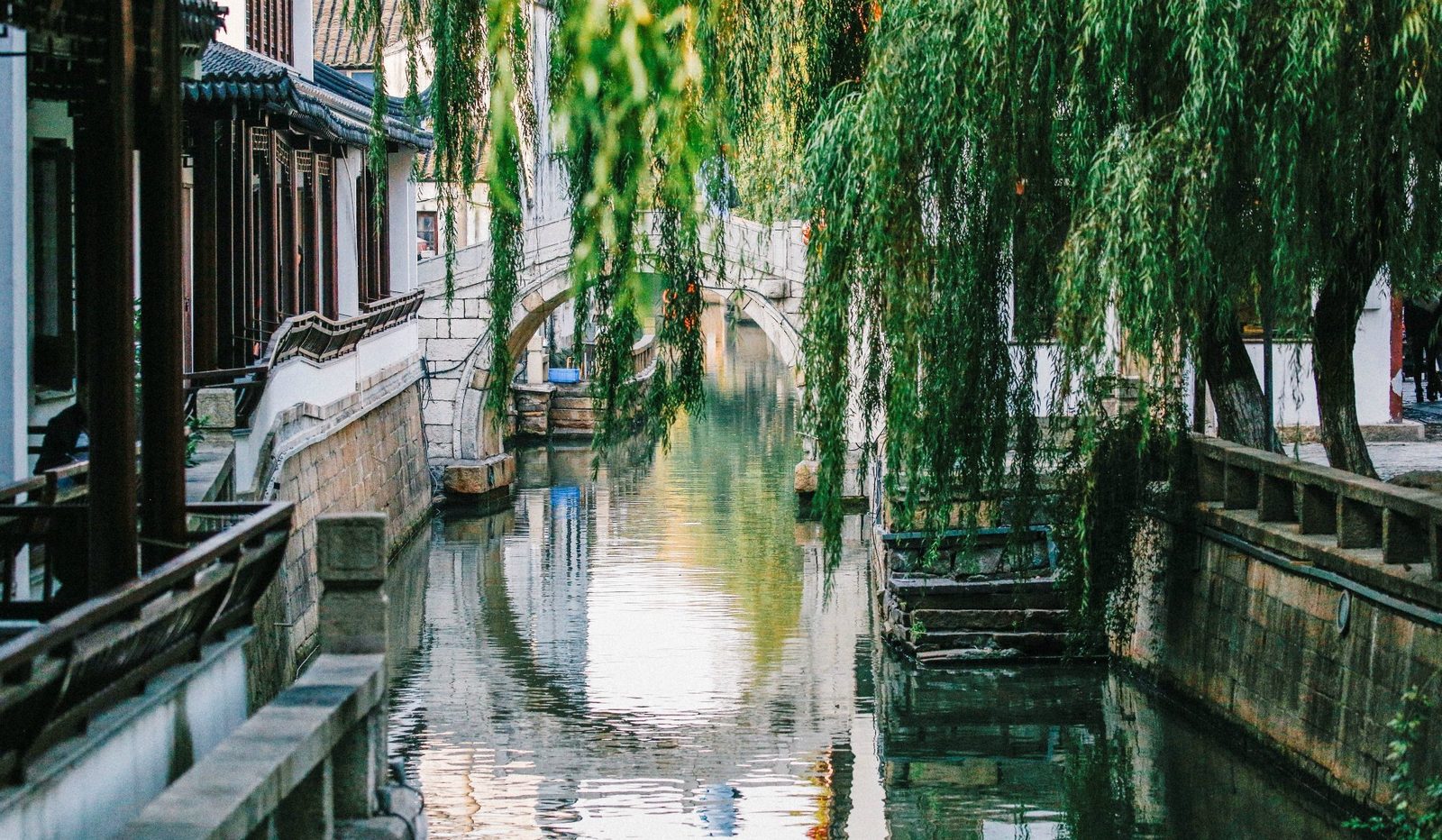
Suzhou Pingtan Museum
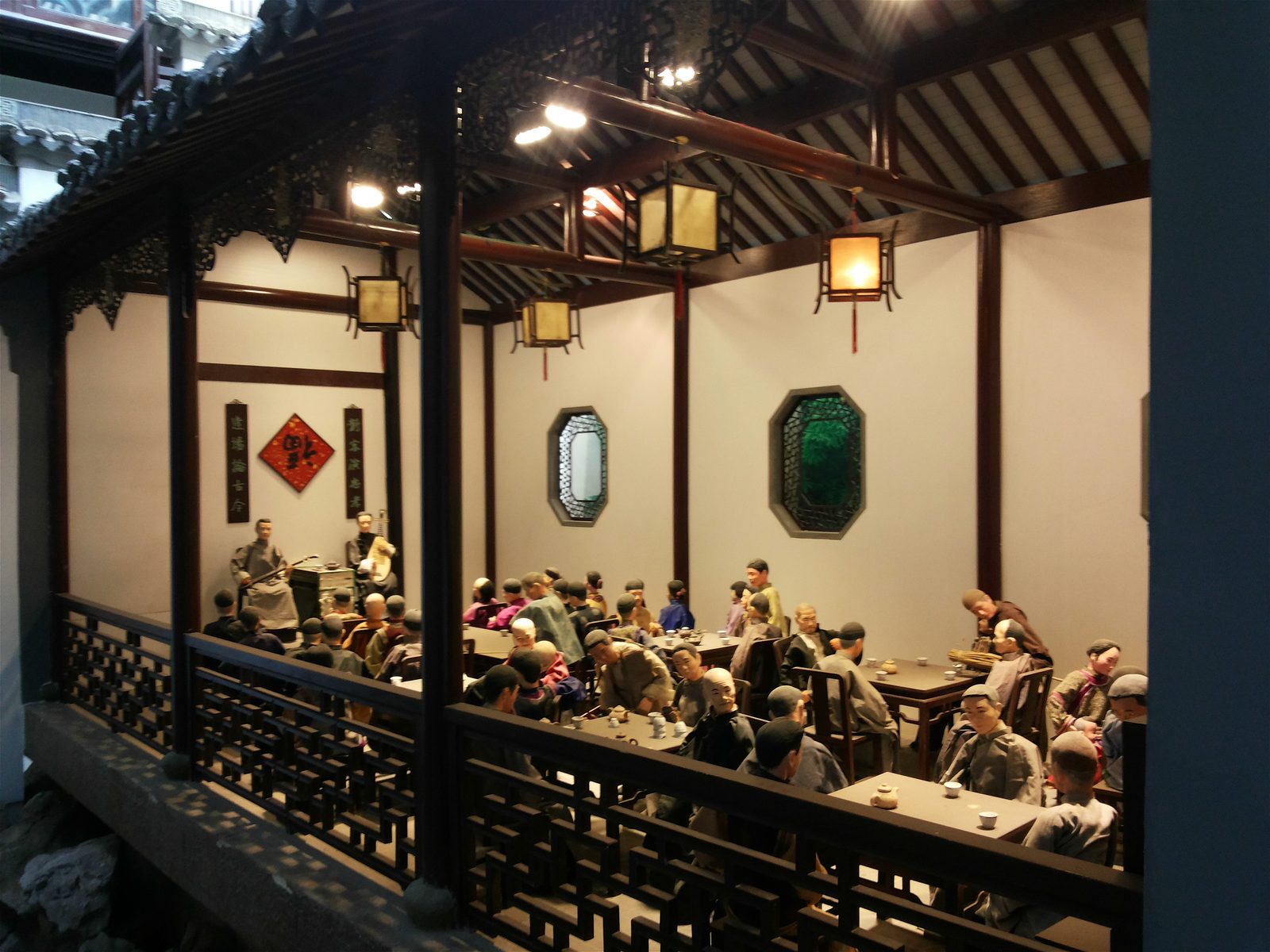
Pingtan storytelling hall (storytelling in soft Suzhou dialect), daily afternoon performances (approx. CNY 6 tea seat)
Visitor info
- Opening hours
- 09:00-17:00 · Closed Mondays
- Ticket
- Free
Price is indicative — final quote on inquiry.
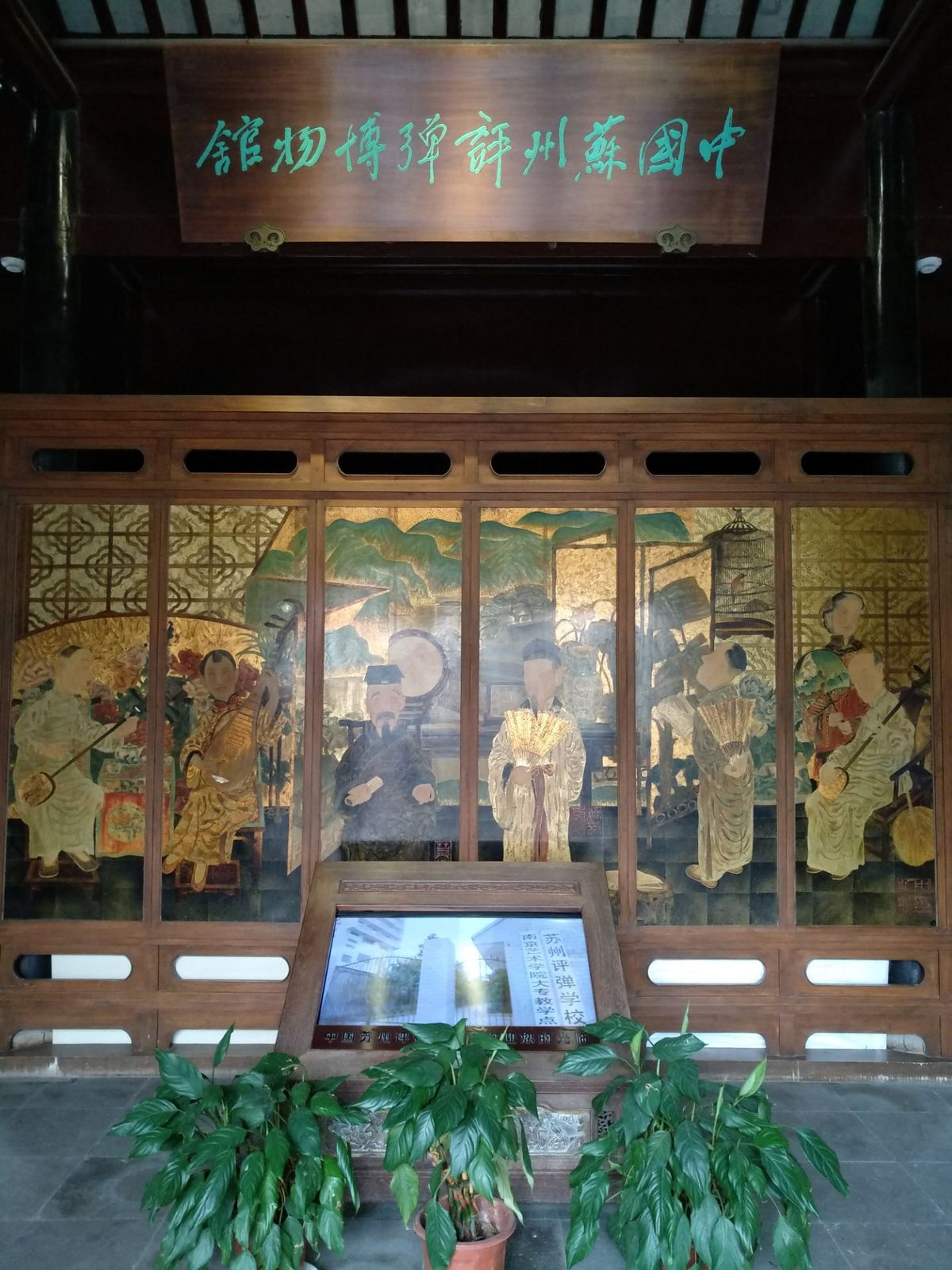
Pingtan storytelling hall (storytelling in soft Suzhou dialect), daily afternoon performances in the hall (approx. CNY 6 tea seat). A themed museum tucked away in Zhongzhangjia Lane off Pingjiang Road, it systematically presents the history of Suzhou pinghua (storytelling) and tanci (ballad singing): pinghua narrates history and heroic exploits, tanci sings of romance, and the four arts of 'shuo, jue, tan, chang' (speaking, jesting, plucking, singing) are performed in the soft Wu dialect — pingtan joined the first batch of national intangible cultural heritage in 2006. The restored old storytelling hall inside opens every afternoon, and for about CNY 6 for a tea seat you can hear an authentic pingtan session; as the sanxian and pipa strike up, the sight of elderly regulars listening with eyes closed, fans swaying, is itself living street scenery of old Gusu. Archival materials on guilds such as Sanshengge and the Guangyu Society recount performers' trade rules and master-lineages. Free entry; performance hours are the most popular, so avoid the Monday closing day and arrive early to secure a seat for the afternoon session.
Getting there: Zhongzhangjia Lane, Pingjiang Road
Photos
More in Suzhou
- Humble Administrator's Garden
Built in the fourth year of the Ming Zhengde reign (1509) by Wang Xianchen, with Wen Zhengming participating in the design, the 'Mother of Chinese Gardens' (a representative Jiangnan garden): Hall of Distant Fragrance / Little Flying Rainbow (Suzhou's only covered bridge) / 'With Whom Shall I Sit' Pavilion
- Suzhou Museum (Main Building)
I.M. Pei's final masterpiece (opened 2006), 'Chinese yet new, Suzhou yet new'; the sliced-rock hillside borrows the white wall of the Humble Administrator's Garden as its backdrop
- Lion Grove Garden
Built in 1342 (2nd year of the Yuan Zhizheng era) by Zen Master Tianru (Lion Grove Chan Temple); a labyrinth of Taihu Lake rockeries ('kingdom of rockeries', nine interweaving routes); Emperor Qianlong visited six times and inscribed 'True Delight'
- Lingering Garden
Xu Taishi built the East Garden in the Ming Wanli era; Liu Shu's Hanbi (Cold Green) Villa in the Qing dynasty
- Master of the Nets Garden
Site of Southern Song Shi Zhengzhi's Wanjuan Hall ('Fisherman's Retreat'); rebuilt in the Qianlong era of the Qing by Song Zongyuan as the 'Master of the Nets' (fisherman, his self-styled name)
- Canglang Pavilion
Built in 1045 (5th year of the Northern Song Qingli era) by Su Shunqin, Suzhou's oldest surviving garden ('scenery before you enter the gate' — double corridor with lattice windows); the famous couplet 'A clear breeze and bright moon are priceless' (assembled from lines by Ouyang Xiu and Su Shunqin)