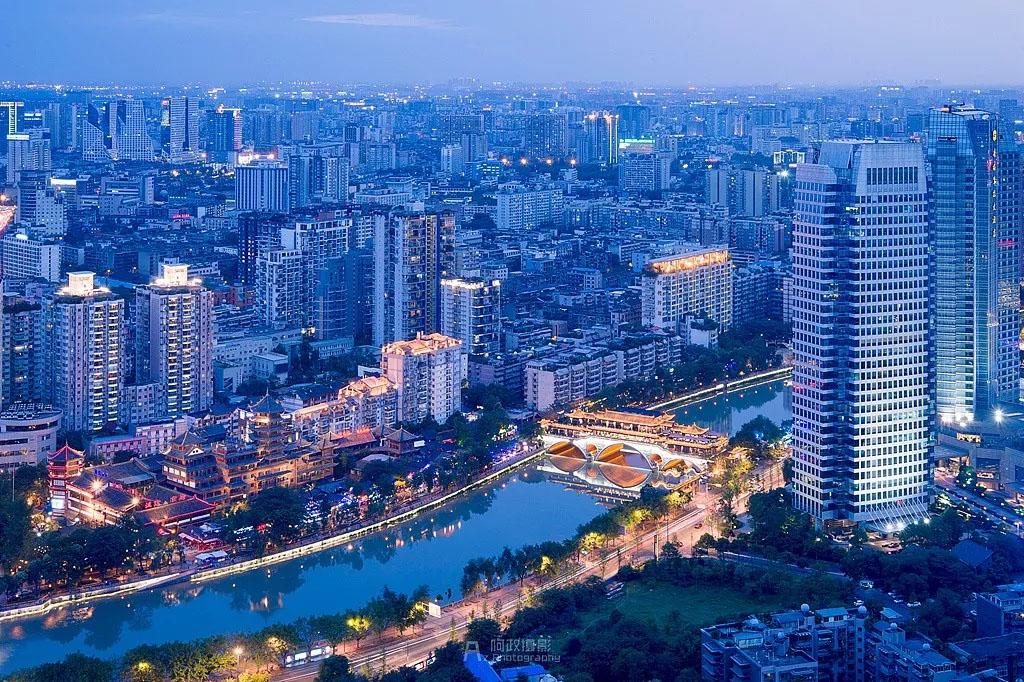
Wangjiang Tower Park
A park on the Jinjiang River commemorating Tang-dynasty woman poet Xue Tao: China's specialized bamboo park, with more than 150 bamboo species collected; tranquil paths flanked by emerald bamboo
Visitor info
- Opening hours
- 06:00-22:00
- Ticket
- Gardens free · Wangjiang Tower CNY 20
Price is indicative — final quote on inquiry.
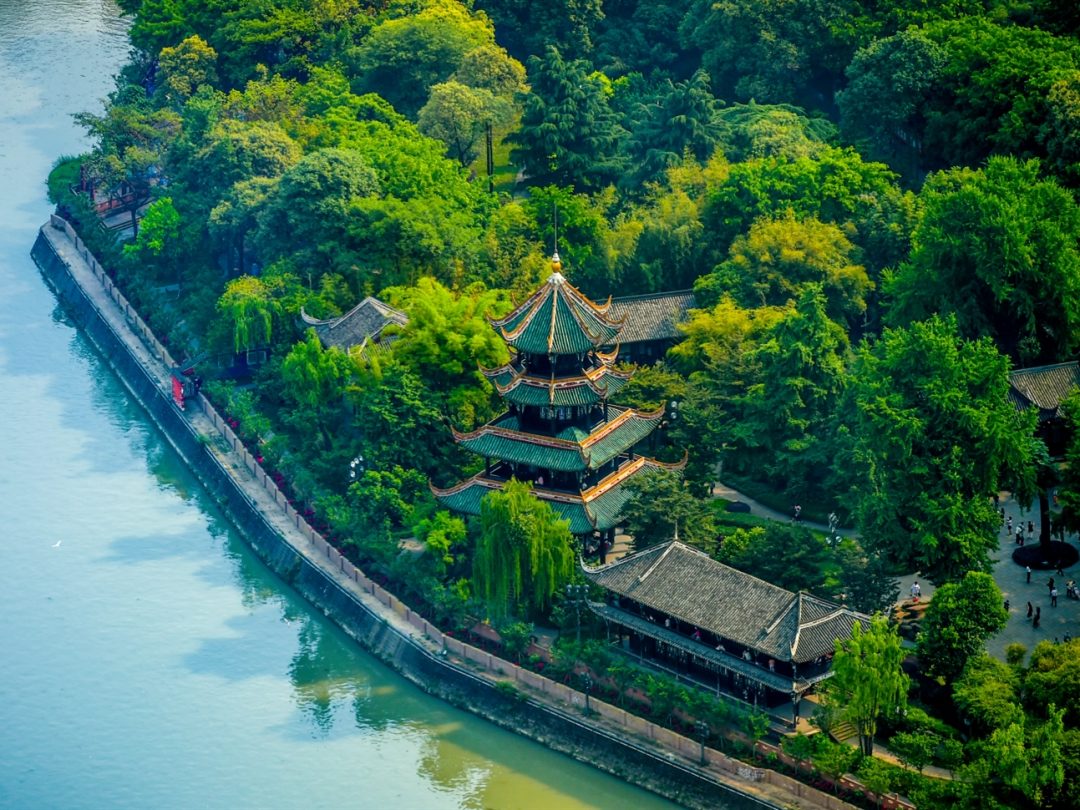
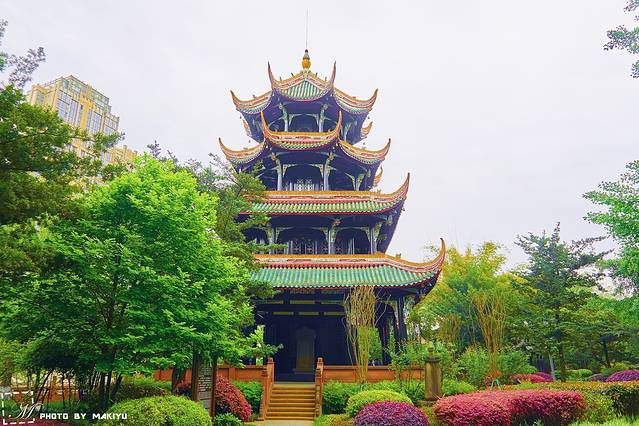
A park on the Jinjiang River commemorating Tang-dynasty woman poet Xue Tao: China's specialized bamboo park, with more than 150 bamboo species collected; tranquil paths flanked by emerald bamboo. Chongli Pavilion (Wangjiang Tower) takes its name from Zuo Si's phrase 'both beautiful and lofty' and is a signature landmark of the city; you can climb it for views over the Jinjiang. Xue Tao Well is traditionally said to be where Xue Tao paper was imitated in the Ming dynasty, and an exhibition on paper culture recounts the poet's elegant past. The gardens are free, the tower section CNY 20; open 06:00-22:00, good for half a day by the Jinjiang.
Getting there: Bus / by taxi
Photos
More in Chengdu
- Wuhou Shrine
Three Kingdoms temple of Zhuge Liang and Liu Bei among cypress groves.
- People's Park
Chengdu's open-air living room: tea houses, ear cleaning, matchmakers' corner.
- Giant Panda Breeding Base
Dozens of pandas eating bamboo; arrive 08:00 for feeding time.
- Jinli Ancient Street
Rebuilt Qing-style shopping street beside Wuhou Shrine; evening lanterns.
- Jinsha Site Museum
Capital-site ruins of the ancient Shu kingdom from the Shang-Zhou period, discovered in 2001: the Golden Sun Bird ornament (over 90% gold content, openwork rotating pattern) was designated the symbol of China's cultural heritage; the gold mask and the ten-section jade cong are national-treasure artifacts, testifying to the high development of ancient Shu civilization
- Wuhou Shrine · Jinli Street
The only shrine in China where ruler and minister are worshipped together: Liu Bei's Huiling Tomb and Zhuge Liang's hall were merged into one garden in the late Ming/early Qing; the 'winning hearts' (Gongxin) couplet is a famous maxim on governing Shu; Sanyi Temple and the stone-carved Chu Shi Biao (Memorial on Dispatching the Troops) are must-sees for Three Kingdoms fans; Du Fu's Tang-dynasty verse 'Where is the chancellor's shrine to be found?' has made it a sacred site of Three Kingdoms culture