
Xiangzi Temple
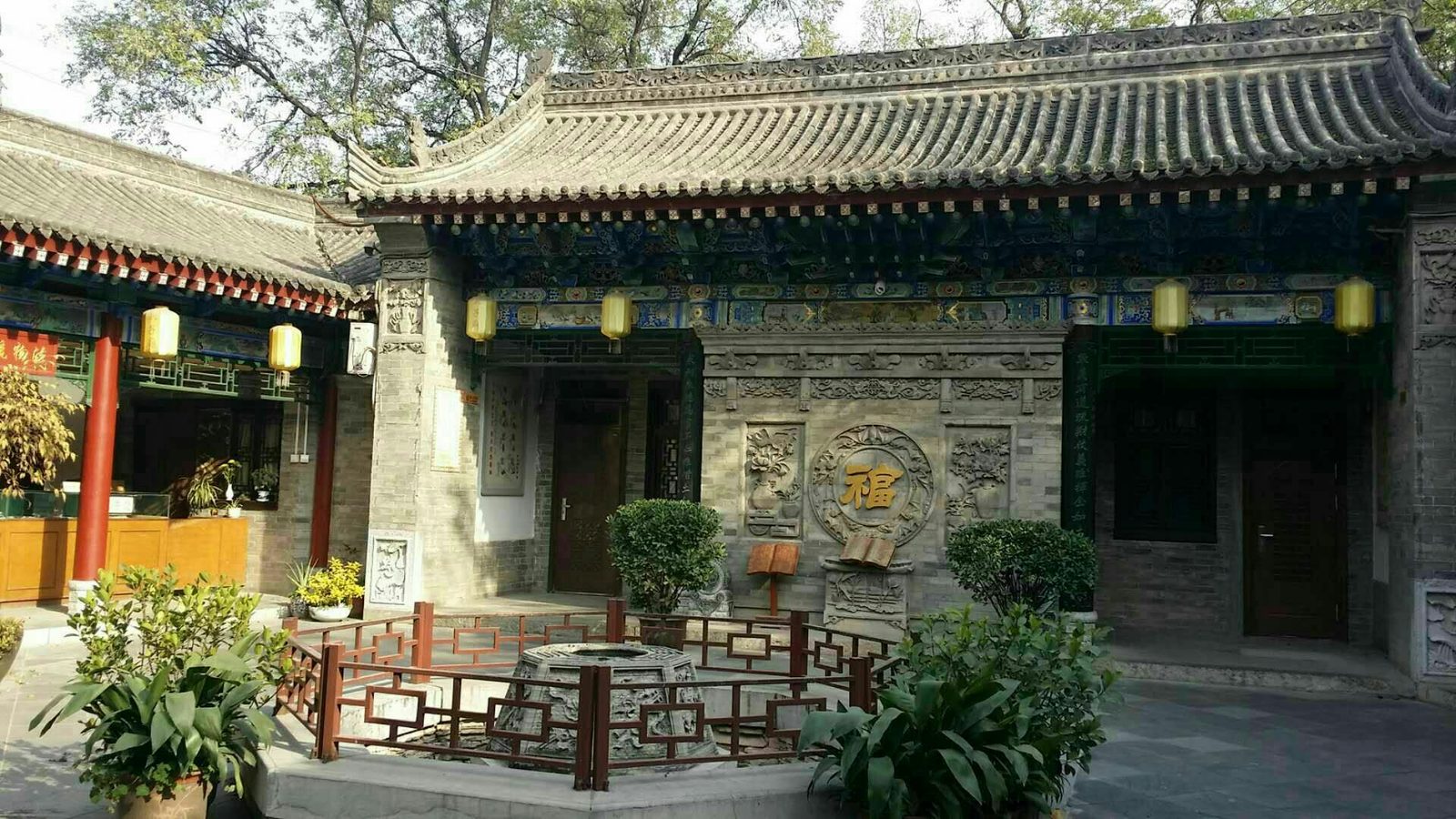
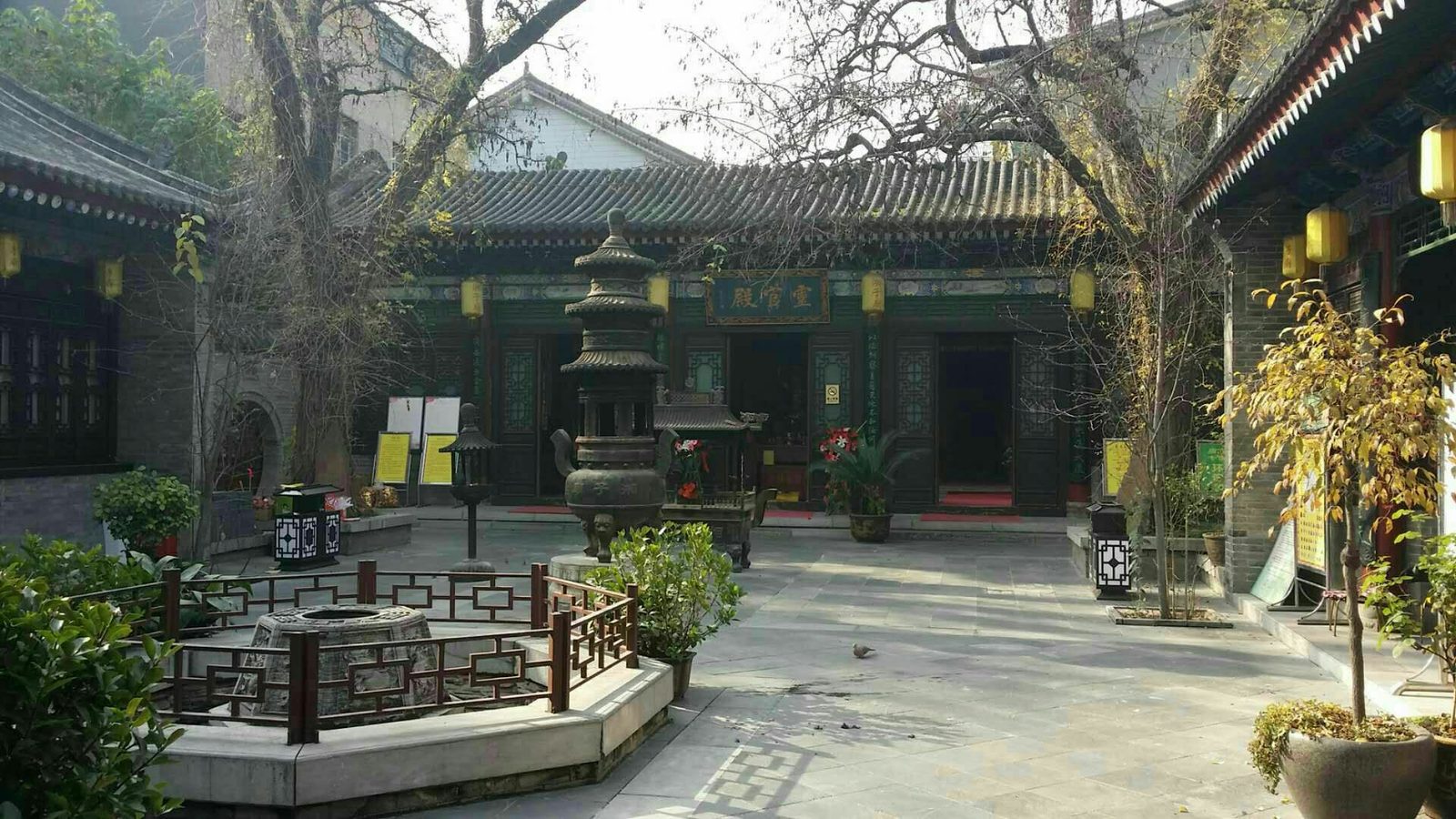
Legendary site where Han Xiangzi of the Eight Immortals is said to have taken Taoist vows (one of the ancestral seats of Quanzhen Taoism); the Han Xiangzi plum-blossom stele is a famed relic, and the small temple is exquisite and tranquil
Visitor info
- Opening hours
- 08:00-17:00
- Ticket
- Free
Price is indicative — final quote on inquiry.
Legendary site where Han Xiangzi of the Eight Immortals is said to have taken Taoist vows (one of the ancestral seats of Quanzhen Taoism): the Han Xiangzi plum-blossom stele is a famed relic, and the small temple is exquisite and tranquil; free admission, 08:00-17:00, easy to drop in along Xiangzi Temple Street inside the South Gate — together with Defu Lane and Shuyuanmen (Academy Gate Street) it forms the walking circuit inside the South Gate.
Getting there: Xiangzi Temple Street, inside the South Gate
Photos

More in Xi'an
- Big Wild Goose Pagoda
Tang-dynasty Buddhist pagoda with nightly musical fountain.
- Muslim Quarter
Lantern-lit food alleys behind the Drum Tower since the Tang dynasty.
- Terracotta Army
8,000 life-size clay warriors guarding Emperor Qin Shi Huang since 210 BC.
- Xi'an City Wall
Ride a bicycle on the best-preserved Ming city wall in China.
- Emperor Qinshihuang's Mausoleum Site Museum
Discovered by villager Yang Zhifa while digging a well in 1974, the "Eighth Wonder of the World": Over 6,000 terracotta warriors in the First Pit infantry formation with "a thousand faces, a thousand looks"; the Second Pit features mixed arms formations and kneeling archers and green-faced figures; the Third Pit is the command headquarters; the Bronze Chariot and Horse Museum's First Chariot and Second Chariot are known as the "Crown of Bronze..."
- Emperor Qinshihuang's Mausoleum (Lishan Garden)
The resting place of China's first emperor (built for 38 years, mobilizing 720,000 laborers): The burial mound has not been excavated—legends state it was "filled with mercury to simulate rivers, lakes, and seas" to mimic the terrain, which awaits archaeological verification; pit burials such as the Acrobatics Pit, Civil Official Pit, and Stone Armor Pit display the skills of various trades in the Qin Dynasty.