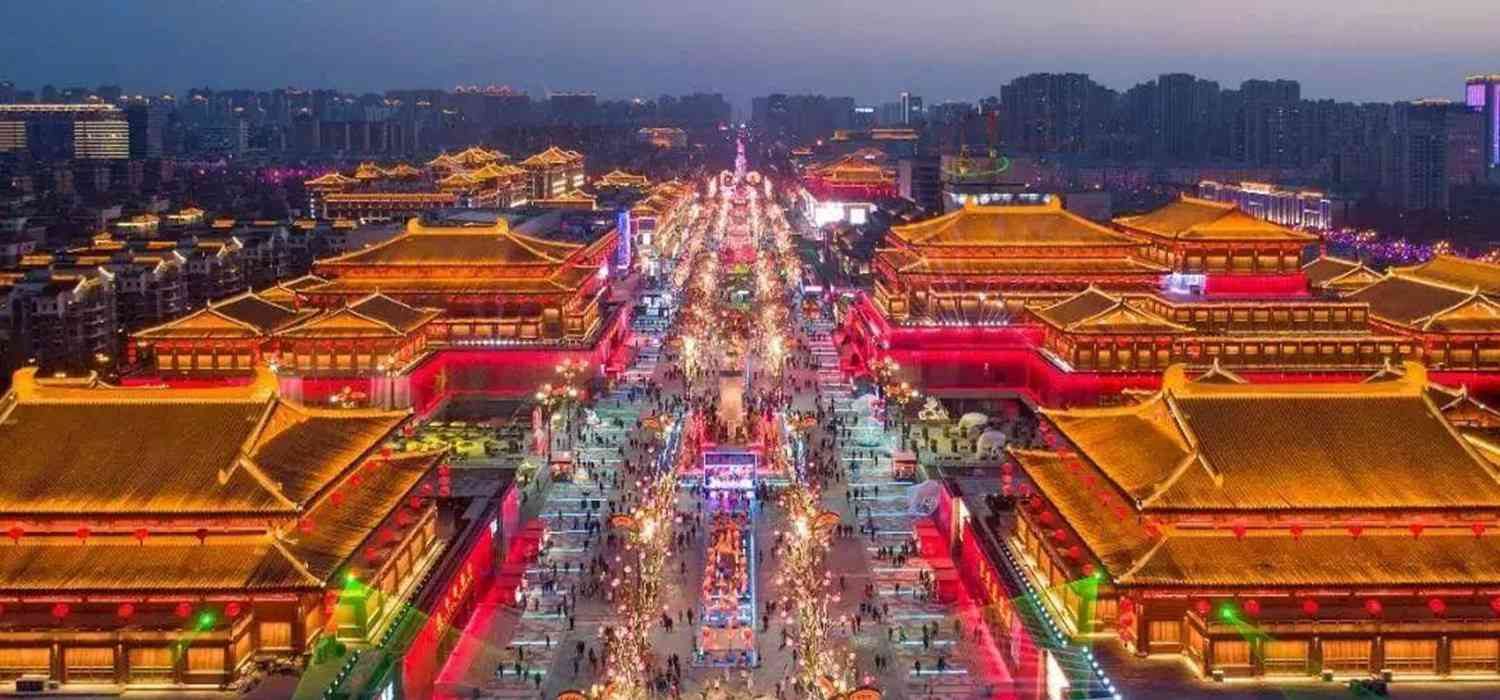
Small Wild Goose Pagoda · Xi'an Museum
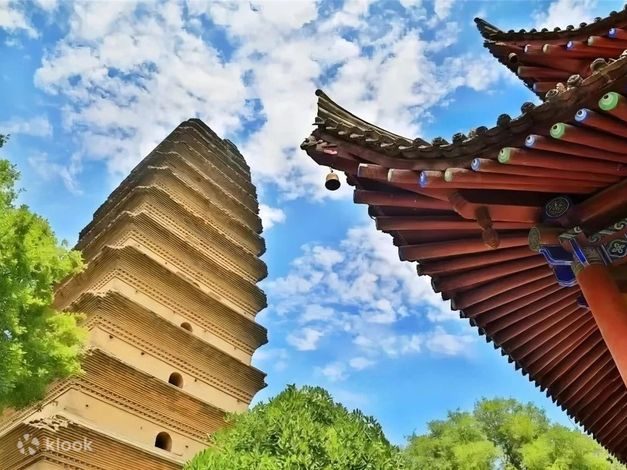
Tang Jianfu Temple Pagoda (built in 707, currently 13 layers out of 15, 43.3m high): 'Morning Bell at the Wild Goose Pagoda' is one of the Eight Sceneries of Guanzhong. The legendary 'divine healing' of the pagoda body cracking twice during the Ming Dynasty Shaanxi earthquake and then automatically closing is a architectural marvel.
Visitor info
- Opening hours
- 09:00-17:00·Closed Tuesdays
- Ticket
- Free·Reservation required
Price is indicative — final quote on inquiry.
Tang Jianfu Temple Pagoda (built in 707, currently 13 layers out of 15, 43.3m high): 'Morning Bell at the Wild Goose Pagoda' is one of the Eight Sceneries of Guanzhong. The legendary 'divine healing' of the pagoda body cracking twice during the Ming Dynasty Shaanxi earthquake and then automatically closing is a architectural marvel; Xi'an Museum displays models of Tang Chang'an City and artifacts like the gilt bronze Buddha with a golden halo. Free (reservation required), closed on Tuesdays, 09:00-17:00, walkable from Nanshaomen Station on Metro Line 2. Enjoy the ancient ginkgo trees of Jianfu Temple together.
Photos
More in Xi'an
- Big Wild Goose Pagoda
Tang-dynasty Buddhist pagoda with nightly musical fountain.
- Muslim Quarter
Lantern-lit food alleys behind the Drum Tower since the Tang dynasty.
- Terracotta Army
8,000 life-size clay warriors guarding Emperor Qin Shi Huang since 210 BC.
- Xi'an City Wall
Ride a bicycle on the best-preserved Ming city wall in China.
- Emperor Qinshihuang's Mausoleum Site Museum
Discovered by villager Yang Zhifa while digging a well in 1974, the "Eighth Wonder of the World": Over 6,000 terracotta warriors in the First Pit infantry formation with "a thousand faces, a thousand looks"; the Second Pit features mixed arms formations and kneeling archers and green-faced figures; the Third Pit is the command headquarters; the Bronze Chariot and Horse Museum's First Chariot and Second Chariot are known as the "Crown of Bronze..."
- Emperor Qinshihuang's Mausoleum (Lishan Garden)
The resting place of China's first emperor (built for 38 years, mobilizing 720,000 laborers): The burial mound has not been excavated—legends state it was "filled with mercury to simulate rivers, lakes, and seas" to mimic the terrain, which awaits archaeological verification; pit burials such as the Acrobatics Pit, Civil Official Pit, and Stone Armor Pit display the skills of various trades in the Qin Dynasty.