Yangcheng Lake (Peninsula Tourist Resort)
Home of Yangcheng Lake hairy crabs (crab season Sep-Nov), Chongyuan Temple (a Buddhist realm of water and sky, 48m indoor Guanyin statue)
Visitor info
- Opening hours
- Open all day
- Ticket
- Free
Price is indicative — final quote on inquiry.
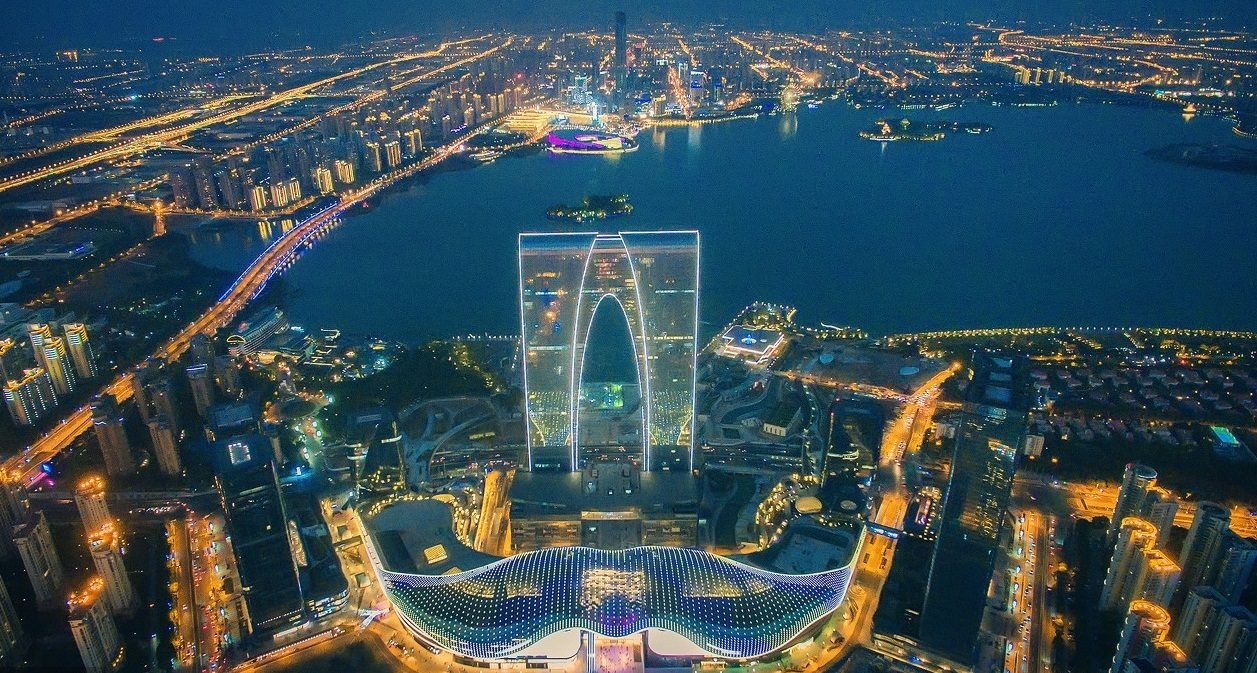
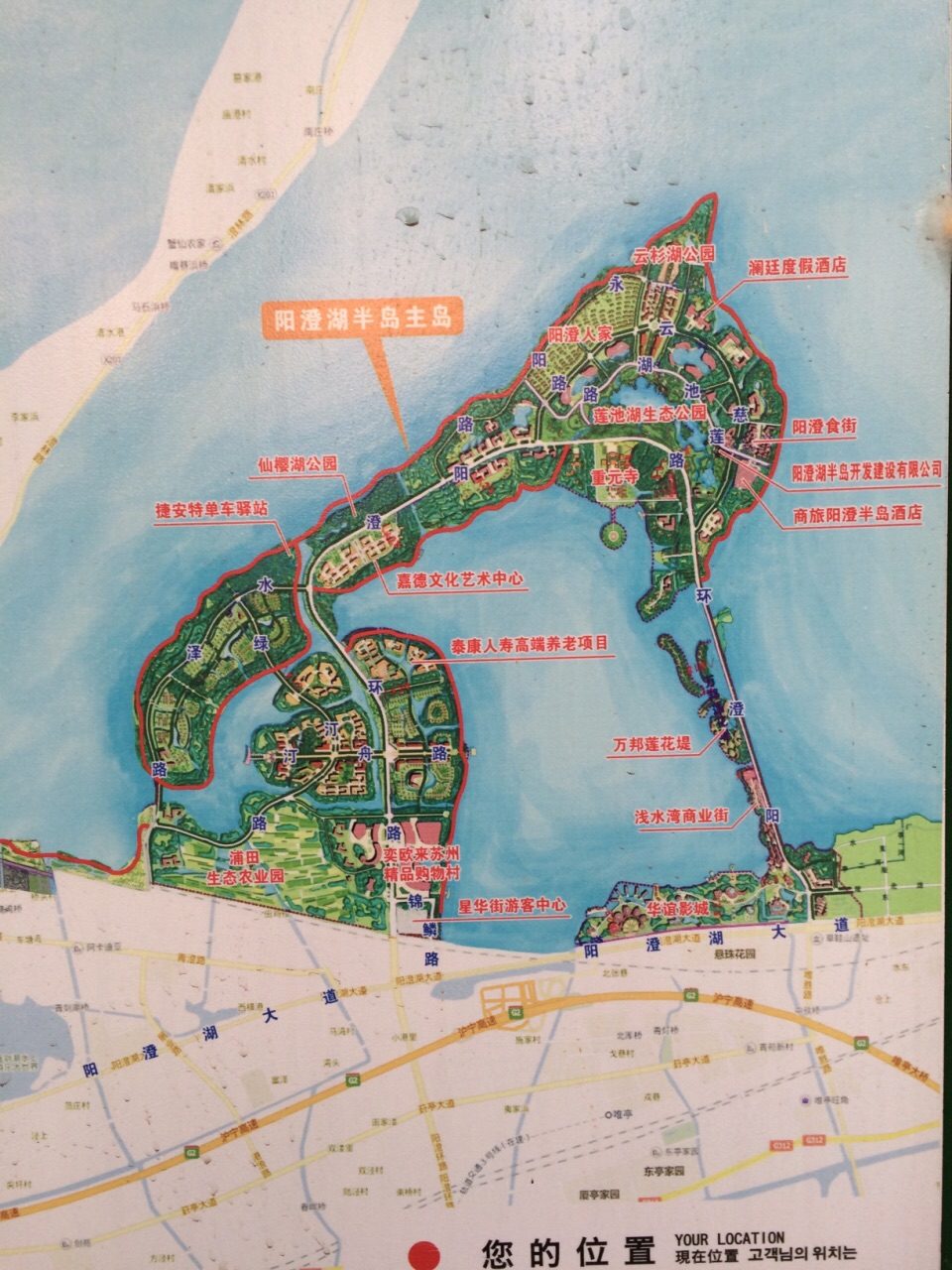
Home of Yangcheng Lake hairy crabs (crab season Sep-Nov), Chongyuan Temple (a Buddhist realm of water and sky, 48m indoor Guanyin statue). Yangcheng Lake is famous nationwide for its hairy crabs; during the Sep-Nov crab season, crab restaurants cluster around Lianhua Island and Bacheng on the lakeshore, and the seasonal revelry of 'when the autumn wind rises, the crabs grow restless' draws diners from across the Yangtze River Delta on dedicated trips, while farmhouse restaurants on the island serve the authentic 'one crab, one lake, one meal' way of eating. The Peninsula Tourist Resort has wide lakeside greenways, excellent for both cycling and lakeside camping; Chongyuan Temple was first built in the Southern Dynasties and rebuilt at its present site in a 'Buddhist realm of water and sky' layout — the Water Guanyin Pavilion before the Mahavira Hall enshrines a 48-meter-tall indoor Guanyin statue, among the largest indoor Guanyin figures in China, and the broad lake before the temple sets morning bells and evening drums against water and sky merging into one. Free entry and a sprawling area make it ideal for a self-drive autumn day trip combining 'crab feast + lake views + Zen temple.'
Getting there: self-drive / bus
Photos
More in Suzhou
- Humble Administrator's Garden
Built in the fourth year of the Ming Zhengde reign (1509) by Wang Xianchen, with Wen Zhengming participating in the design, the 'Mother of Chinese Gardens' (a representative Jiangnan garden): Hall of Distant Fragrance / Little Flying Rainbow (Suzhou's only covered bridge) / 'With Whom Shall I Sit' Pavilion
- Suzhou Museum (Main Building)
I.M. Pei's final masterpiece (opened 2006), 'Chinese yet new, Suzhou yet new'; the sliced-rock hillside borrows the white wall of the Humble Administrator's Garden as its backdrop
- Lion Grove Garden
Built in 1342 (2nd year of the Yuan Zhizheng era) by Zen Master Tianru (Lion Grove Chan Temple); a labyrinth of Taihu Lake rockeries ('kingdom of rockeries', nine interweaving routes); Emperor Qianlong visited six times and inscribed 'True Delight'
- Lingering Garden
Xu Taishi built the East Garden in the Ming Wanli era; Liu Shu's Hanbi (Cold Green) Villa in the Qing dynasty
- Master of the Nets Garden
Site of Southern Song Shi Zhengzhi's Wanjuan Hall ('Fisherman's Retreat'); rebuilt in the Qianlong era of the Qing by Song Zongyuan as the 'Master of the Nets' (fisherman, his self-styled name)
- Canglang Pavilion
Built in 1045 (5th year of the Northern Song Qingli era) by Su Shunqin, Suzhou's oldest surviving garden ('scenery before you enter the gate' — double corridor with lattice windows); the famous couplet 'A clear breeze and bright moon are priceless' (assembled from lines by Ouyang Xiu and Su Shunqin)