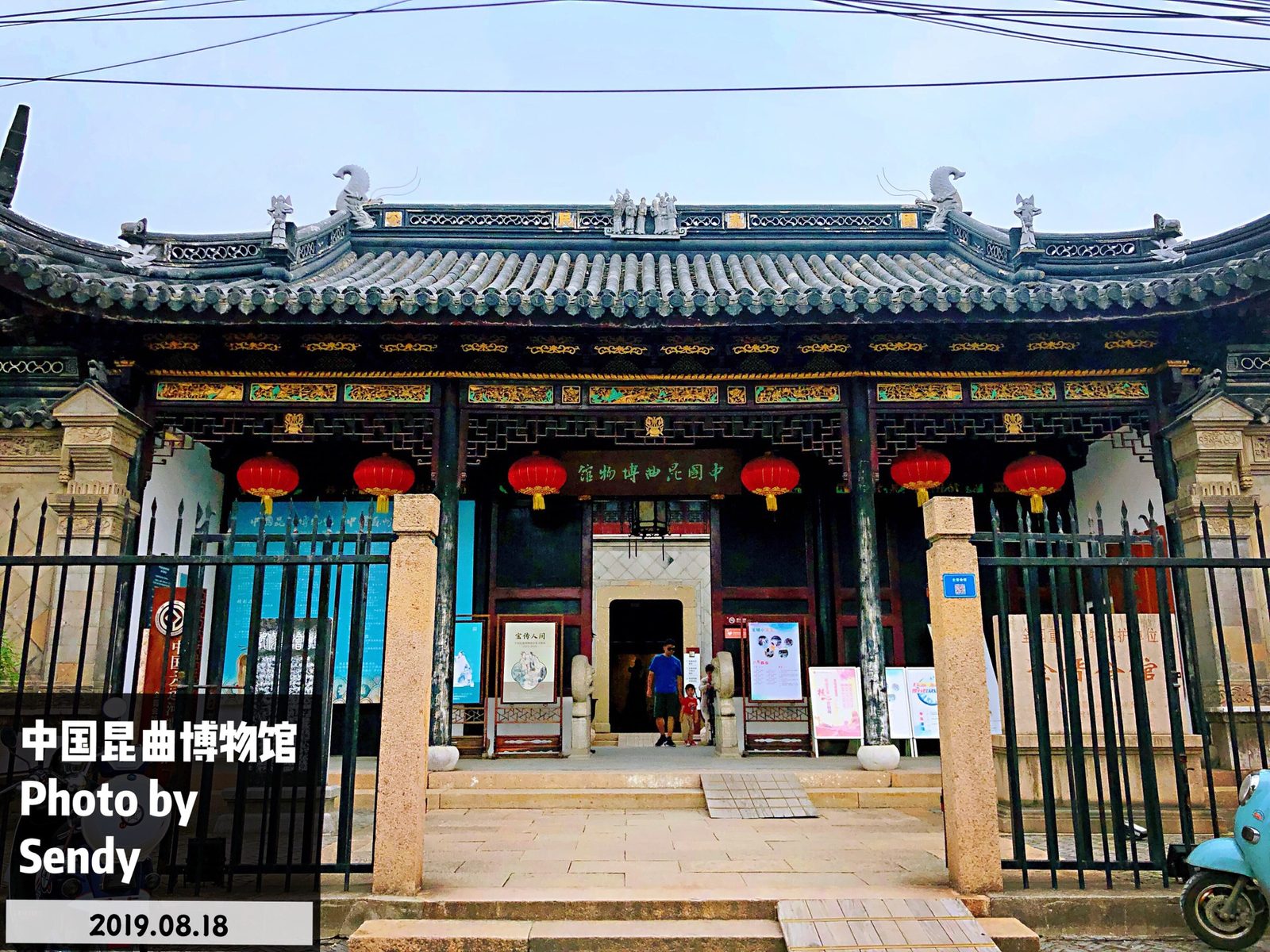
China Kunqu Opera Museum
Kunqu opera, the 'ancestor of a hundred operas' (ancient stage / tangmingdan portable stage / costumes and documents), weekend Kunqu excerpt performances
Visitor info
- Opening hours
- 09:00-17:00 · Closed Mondays
- Ticket
- Free
Price is indicative — final quote on inquiry.
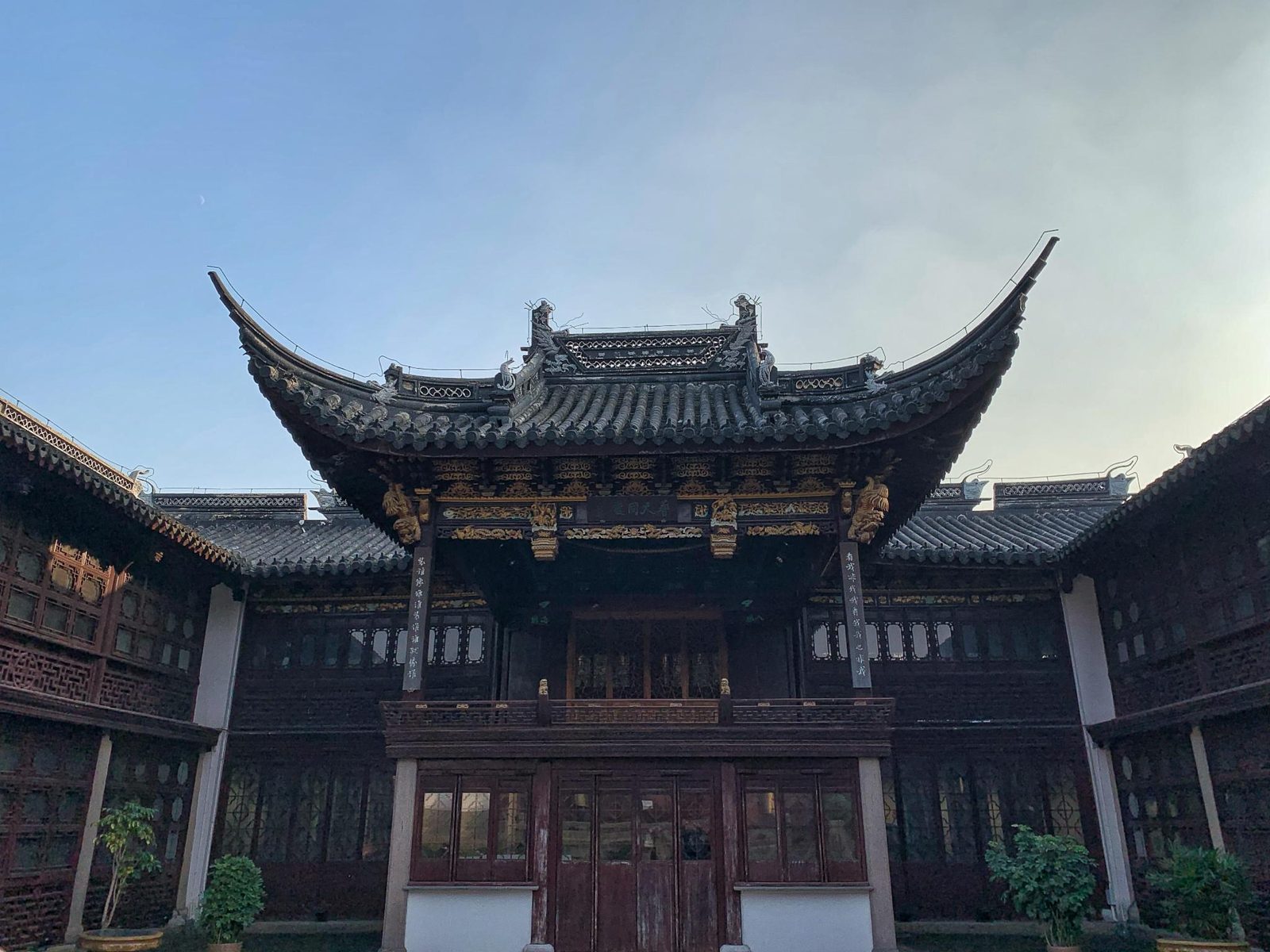
Kunqu opera, the 'ancestor of a hundred operas' (ancient stage / tangmingdan portable stage / costumes and documents), with weekend Kunqu excerpt performances. Kunqu was inscribed by UNESCO in 2001 among the first 'Masterpieces of the Oral and Intangible Heritage of Humanity'; as one of China's oldest opera genres, its standing as 'ancestor of a hundred operas' is fully presented in this museum. The museum occupies the Qing-dynasty Quanjin Guild Hall, whose stage has a spirally corbeled caisson ceiling with superb sound-focusing effects, one of the finest surviving classical stages in Jiangnan; a tangmingdan (a demountable portable stage), Ming and Qing opera costumes, and gongchepu (traditional musical notation) documents systematically showcase Kunqu's 600-year transmission. Free public Kunqu excerpt performances run on weekends — when the mellow 'water-mill' melody (shuimo qiang) sounds on the ancient stage, six centuries of refined music come back to life before your eyes. Free (reservation required); follow the museum's official WeChat account to lock in performance information in advance.
Getting there: Quanjin Guild Hall
Photos
More in Suzhou
- Humble Administrator's Garden
Built in the fourth year of the Ming Zhengde reign (1509) by Wang Xianchen, with Wen Zhengming participating in the design, the 'Mother of Chinese Gardens' (a representative Jiangnan garden): Hall of Distant Fragrance / Little Flying Rainbow (Suzhou's only covered bridge) / 'With Whom Shall I Sit' Pavilion
- Suzhou Museum (Main Building)
I.M. Pei's final masterpiece (opened 2006), 'Chinese yet new, Suzhou yet new'; the sliced-rock hillside borrows the white wall of the Humble Administrator's Garden as its backdrop
- Lion Grove Garden
Built in 1342 (2nd year of the Yuan Zhizheng era) by Zen Master Tianru (Lion Grove Chan Temple); a labyrinth of Taihu Lake rockeries ('kingdom of rockeries', nine interweaving routes); Emperor Qianlong visited six times and inscribed 'True Delight'
- Lingering Garden
Xu Taishi built the East Garden in the Ming Wanli era; Liu Shu's Hanbi (Cold Green) Villa in the Qing dynasty
- Master of the Nets Garden
Site of Southern Song Shi Zhengzhi's Wanjuan Hall ('Fisherman's Retreat'); rebuilt in the Qianlong era of the Qing by Song Zongyuan as the 'Master of the Nets' (fisherman, his self-styled name)
- Canglang Pavilion
Built in 1045 (5th year of the Northern Song Qingli era) by Su Shunqin, Suzhou's oldest surviving garden ('scenery before you enter the gate' — double corridor with lattice windows); the famous couplet 'A clear breeze and bright moon are priceless' (assembled from lines by Ouyang Xiu and Su Shunqin)