Ming Xiaoling Mausoleum
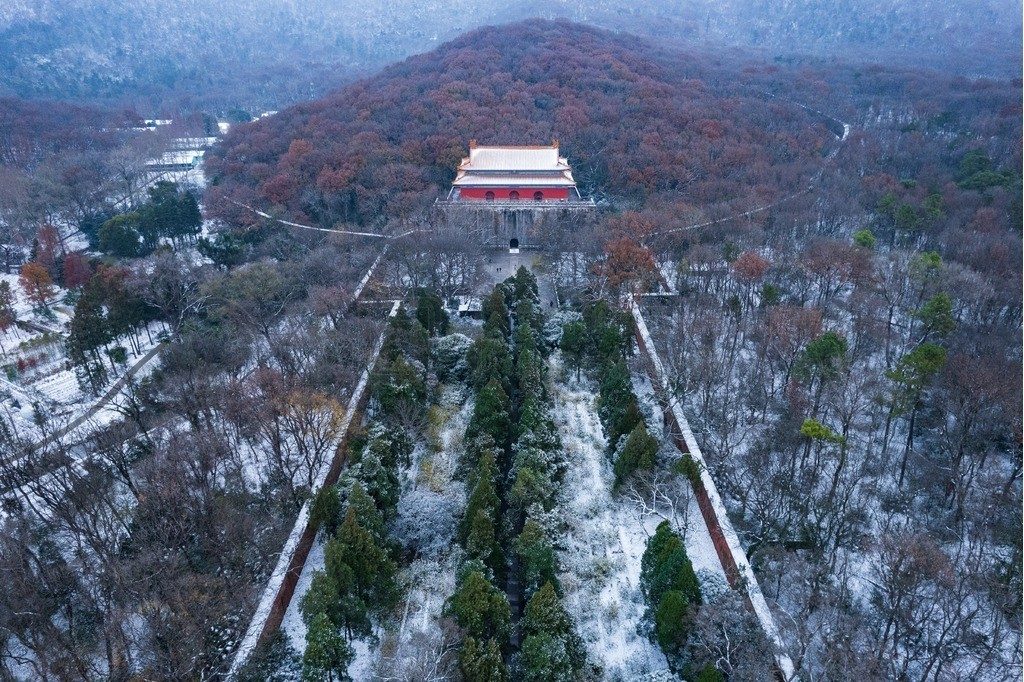
The joint tomb of Ming founder Zhu Yuanzhang and Empress Ma, begun in 1381. It pioneered the "court in front, resting quarters behind" mausoleum layout, the wellspring of the Ming-Qing imperial tomb system; in 2003 it was inscribed as a UNESCO World Heritage Site as part of the extension of the Imperial Tombs of the Ming and Qing Dynasties.
Visitor info
- Opening hours
- 06:30-18:00
- Ticket
- CNY 70
Price is indicative — final quote on inquiry.
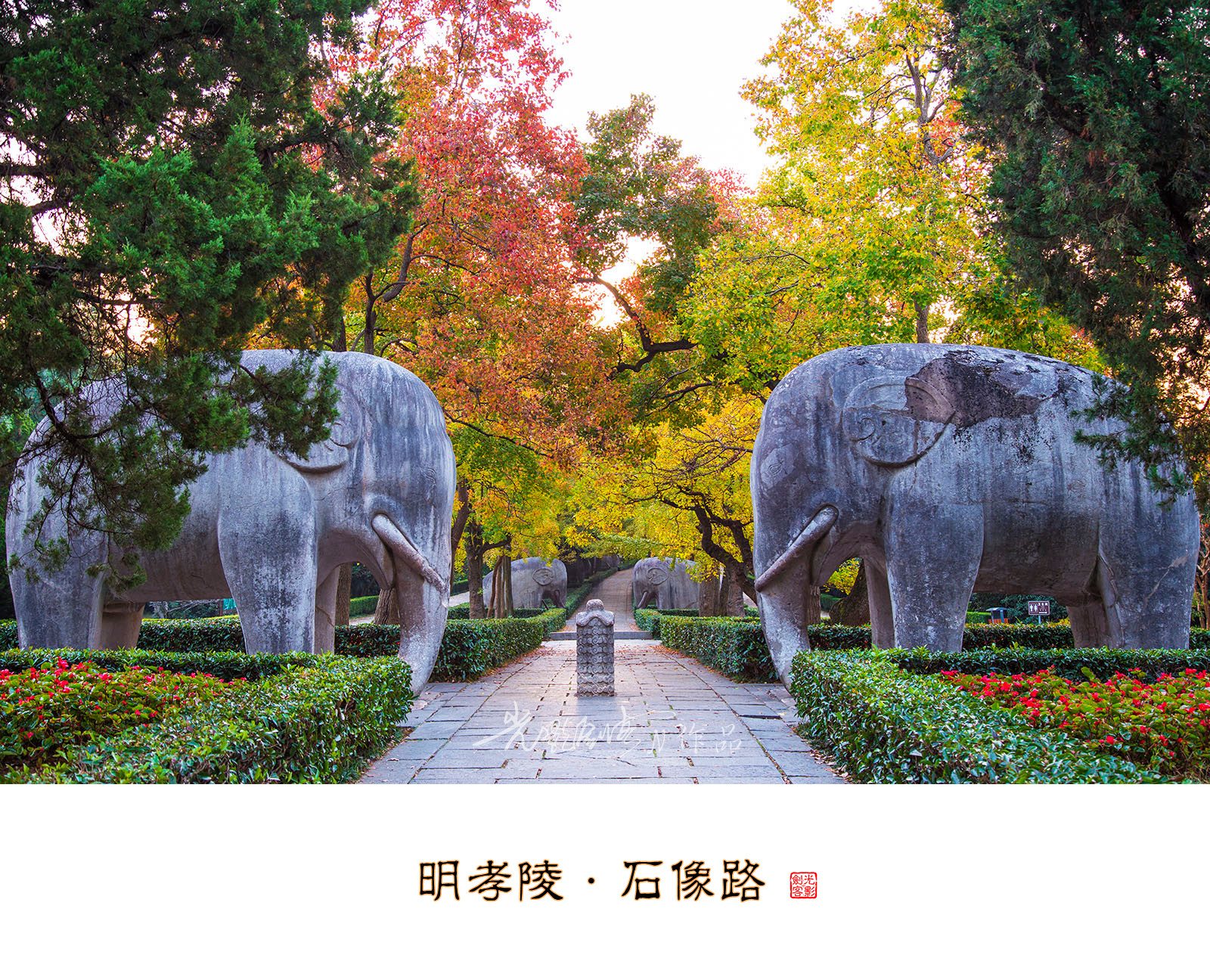
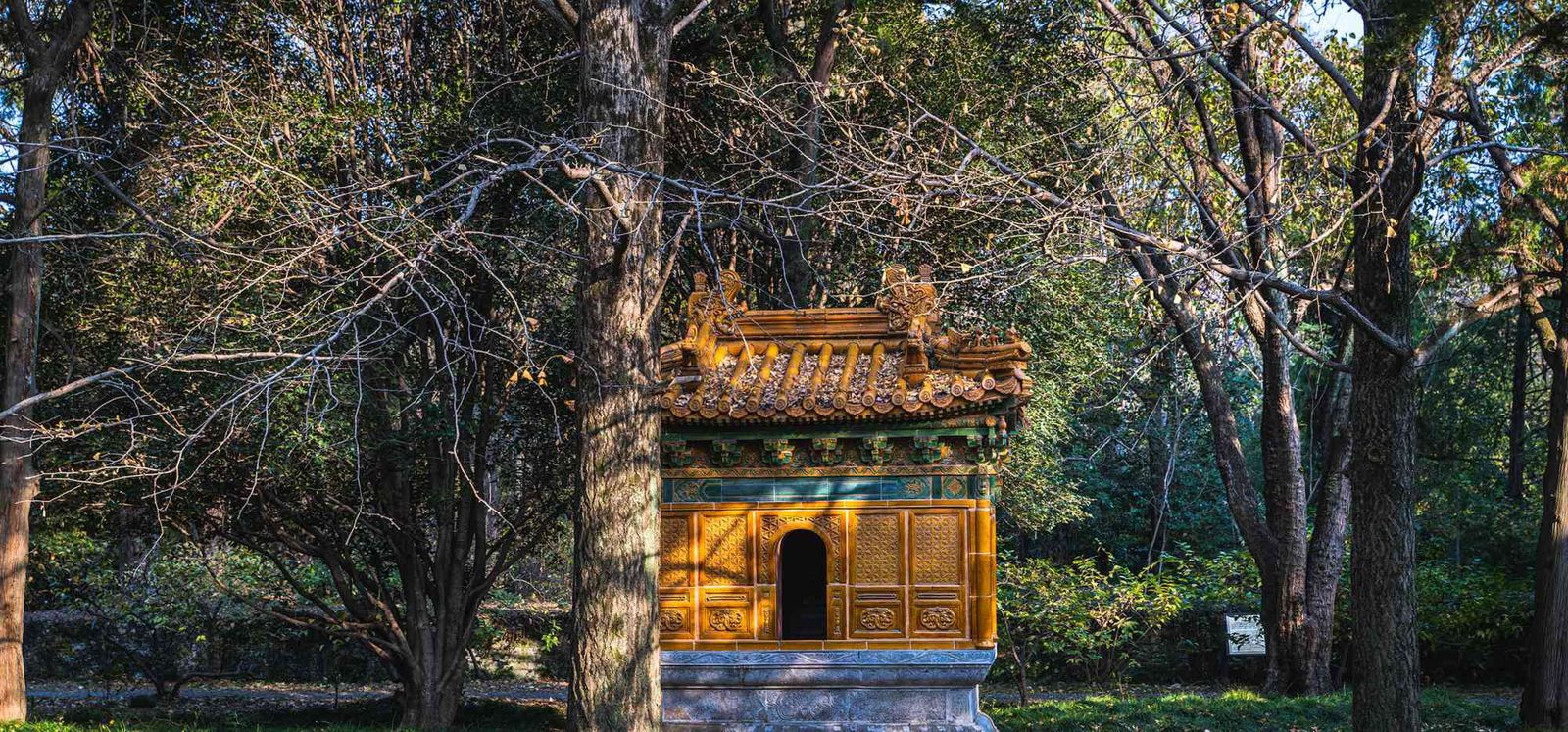
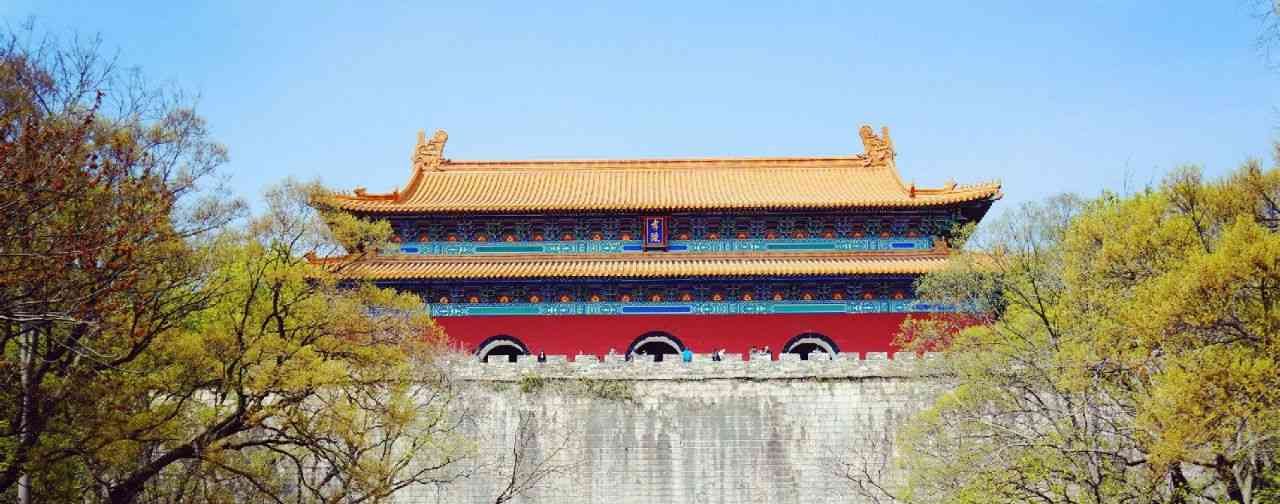
The joint tomb of Ming founder Zhu Yuanzhang and Empress Ma, begun in 1381, it pioneered the "court in front, resting quarters behind" mausoleum layout as the wellspring of the Ming-Qing imperial tomb system; in 2003 it joined the UNESCO World Heritage List as part of the extension of the Imperial Tombs of the Ming and Qing Dynasties. The Sacred Way winds with the terrain instead of running straight; on Stone Elephant Road, 24 stone beasts of six kinds line up in sequence, and when ginkgo and Chinese tallow trees turn gold and red in autumn the road is acclaimed as Nanjing's "most beautiful 600 meters." Inside the Wenwu Gate, the Kangxi Emperor's stele inscribed "Rule as Glorious as Tang and Song" records the Qing court's esteem for the Ming founder. Plum Blossom Hill beside the tomb is said to hold the grave of Sun Quan of the Three Kingdoms era; every February–March during the Plum Blossom Festival tens of thousands of plum trees bloom at once, the hills, ancient trees and plum scent weaving a tranquil air six hundred years deep.
Getting there: Muxuyuan Station / scenic-area shuttle bus
Photos
More in Nanjing
- Sun Yat-sen Mausoleum
392 marble steps up Purple Mountain to the father of modern China.
- Ming Xiaoling Mausoleum
Sacred Way stone animals guarding the tomb of the Ming founder.
- Confucius Temple (Fuzimiao)
Qinhuai River lantern district; night cruise past painted boats.
- Zhonghua Gate
The world's largest castle-style city gate, 27 soldier hideouts inside.
- Sun Yat-sen Mausoleum
The mausoleum of Dr. Sun Yat-sen, begun in 1926 with his remains interred in 1929. The "Liberty Bell" ground plan by young architect Lü Yanzhi won a global design competition, a milestone of modern Chinese architectural history.
- Linggu Temple
An ancient temple at the southern foot of Purple Mountain, descended from the Liang-dynasty Kaishan Temple; relocated and renamed Linggu Temple in the early Ming, its old view "Deep Pines of Linggu" was listed among the Forty-Eight Scenes of Jinling.