Sun Yat-sen Mausoleum
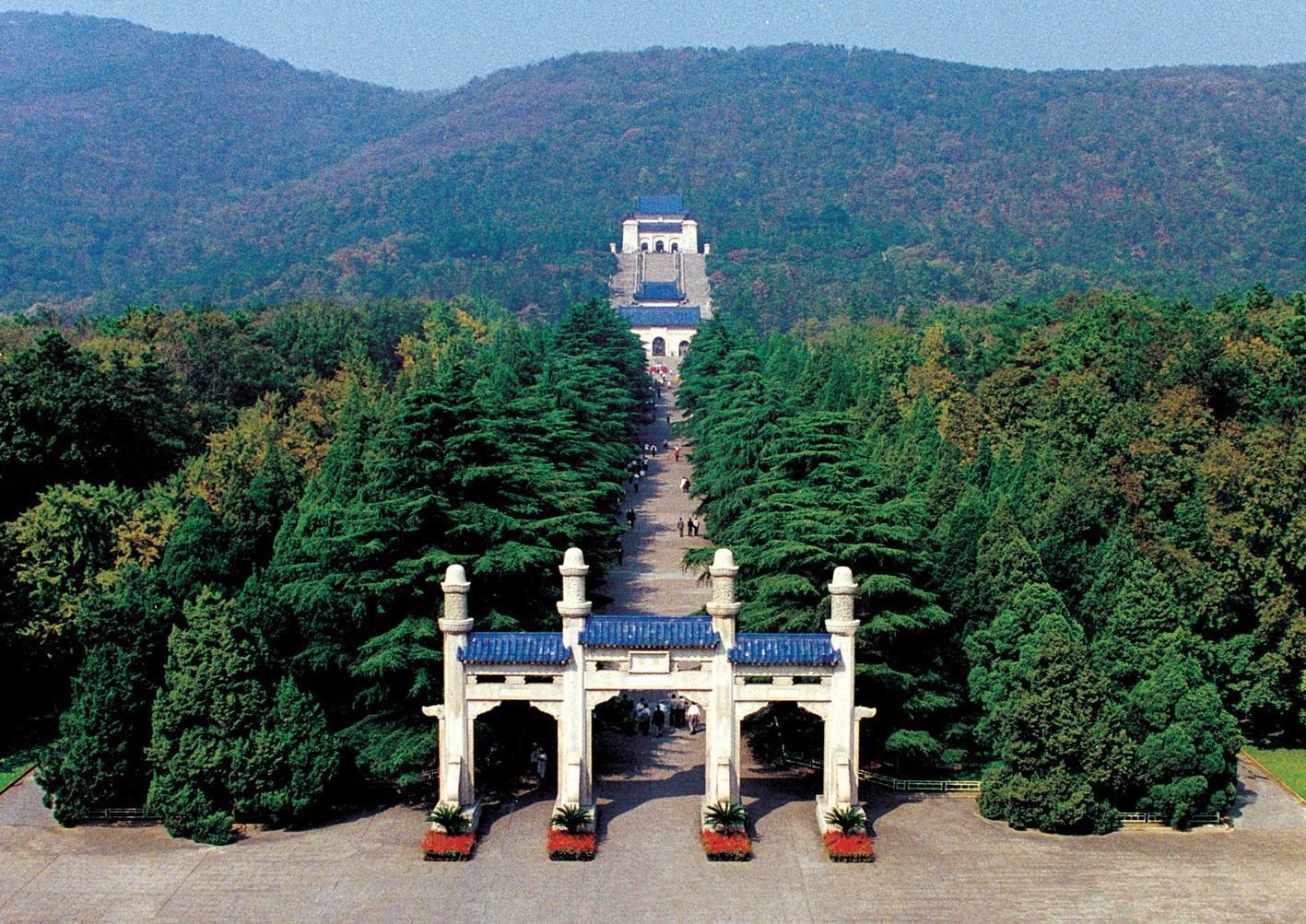
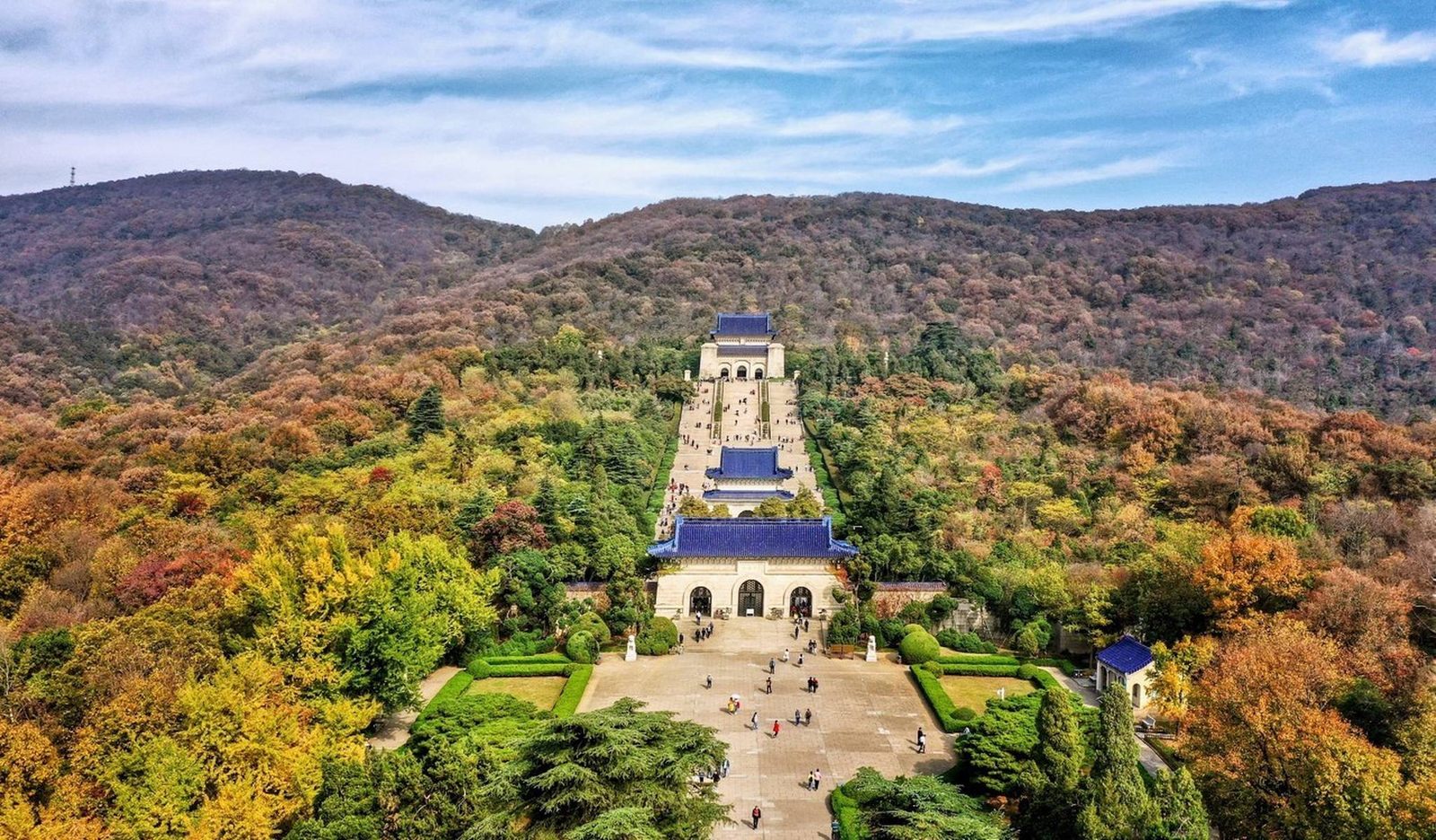
The mausoleum of Dr. Sun Yat-sen, begun in 1926 with his remains interred in 1929. The "Liberty Bell" ground plan by young architect Lü Yanzhi won a global design competition, a milestone of modern Chinese architectural history.
Visitor info
- Opening hours
- 08:30-17:00 · Closed Mondays (tomb chamber not open)
- Ticket
- Free (reservation required)
Price is indicative — final quote on inquiry.
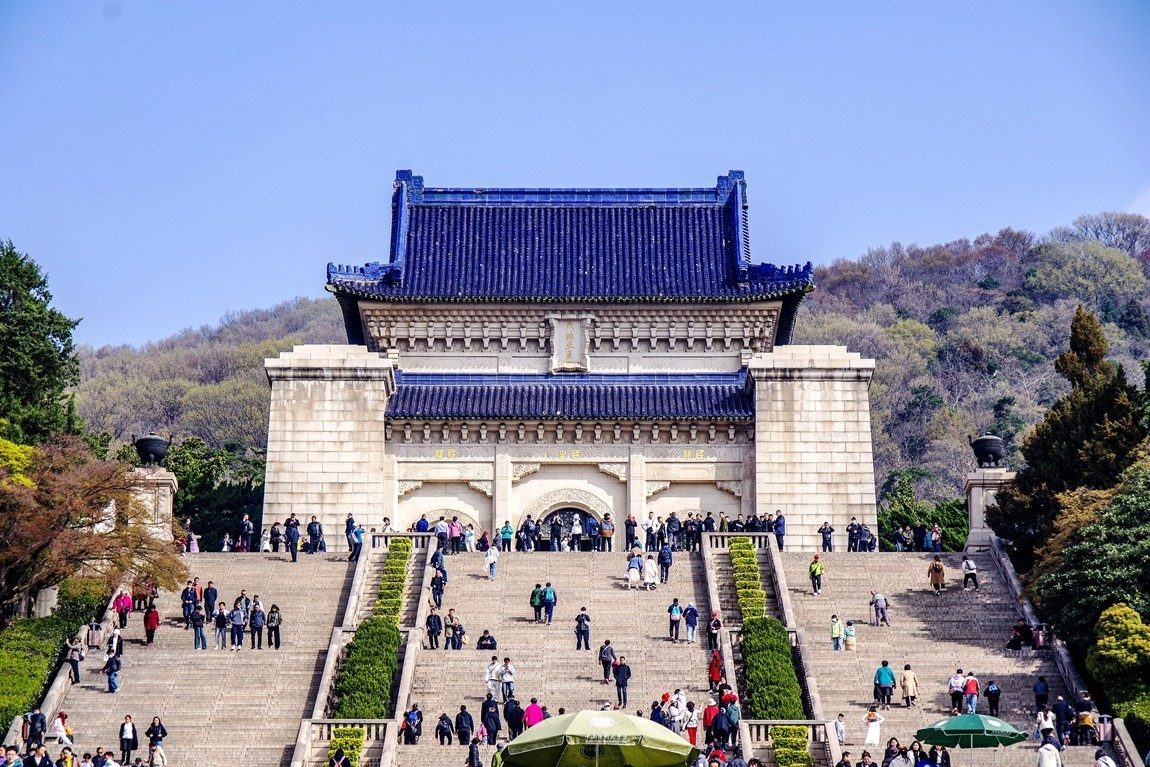
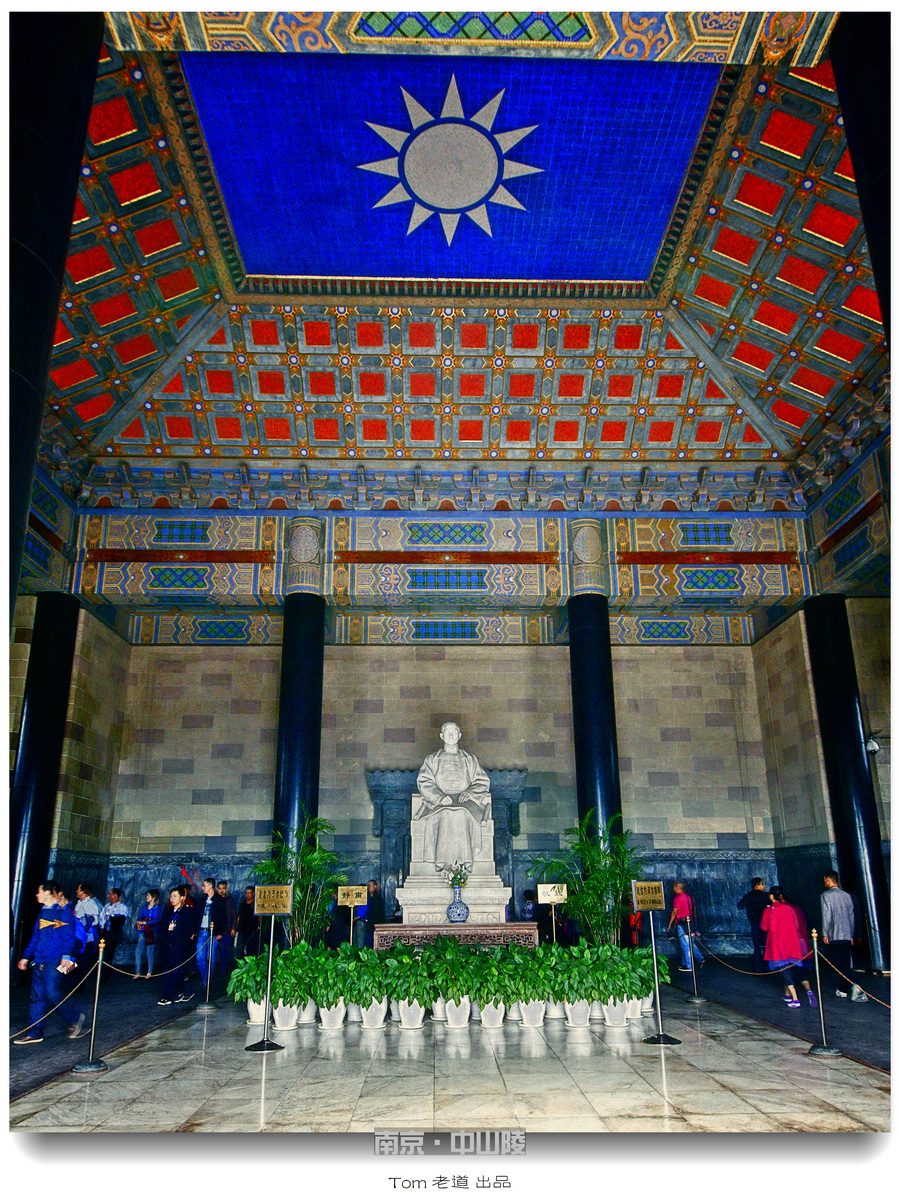
The mausoleum of Dr. Sun Yat-sen, begun in 1926 with his remains interred in 1929; the "Liberty Bell" ground plan by young architect Lü Yanzhi triumphed in a global design competition, a milestone of modern Chinese architecture. Built against Purple Mountain and facing south, it climbs 392 stone steps over eight terraces from the memorial archway. The two archways inscribed "Fraternity" and "The World Belongs to All" and the blue-tiled memorial hall are solemn and dignified; inside the hall, Sun Yat-sen's seated statue and the carved Fundamentals of National Reconstruction are the focus of homage, while the reclining effigy in the circular burial chamber is normally closed to visitors. Looking back from the top, the forested slopes of Purple Mountain and the whole city of Nanjing spread out below; the Alarm Bell Pavilion and the Music Stage's pigeon plaza complete the surrounding circuit — the starting point of the saying "one Sun Yat-sen Mausoleum, half the history of the Republic."
Getting there: Metro Line 2, Muxuyuan Station
Photos
More in Nanjing
- Sun Yat-sen Mausoleum
392 marble steps up Purple Mountain to the father of modern China.
- Ming Xiaoling Mausoleum
Sacred Way stone animals guarding the tomb of the Ming founder.
- Confucius Temple (Fuzimiao)
Qinhuai River lantern district; night cruise past painted boats.
- Zhonghua Gate
The world's largest castle-style city gate, 27 soldier hideouts inside.
- Ming Xiaoling Mausoleum
The joint tomb of Ming founder Zhu Yuanzhang and Empress Ma, begun in 1381. It pioneered the "court in front, resting quarters behind" mausoleum layout, the wellspring of the Ming-Qing imperial tomb system; in 2003 it was inscribed as a UNESCO World Heritage Site as part of the extension of the Imperial Tombs of the Ming and Qing Dynasties.
- Linggu Temple
An ancient temple at the southern foot of Purple Mountain, descended from the Liang-dynasty Kaishan Temple; relocated and renamed Linggu Temple in the early Ming, its old view "Deep Pines of Linggu" was listed among the Forty-Eight Scenes of Jinling.