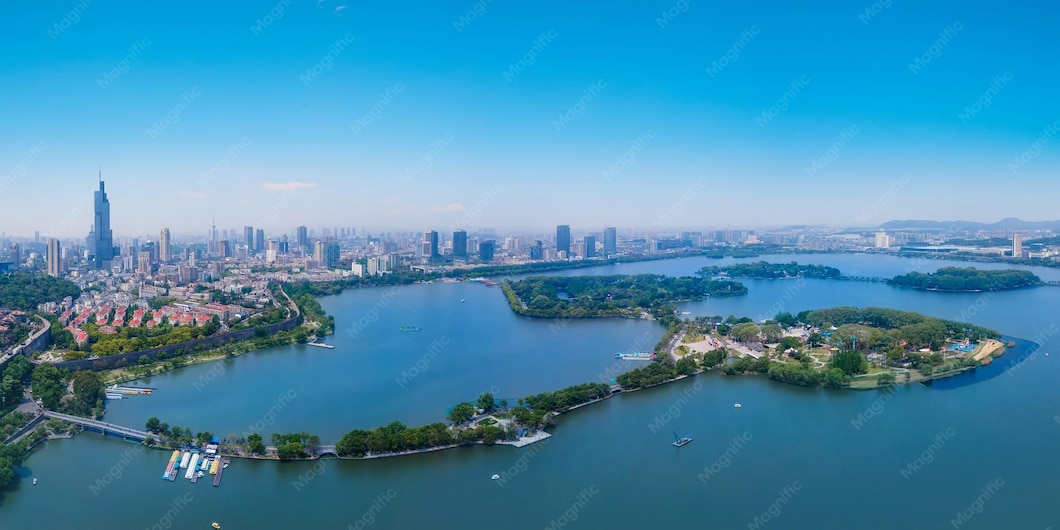
Nanjing 南京
Six-dynasty capital: purple mountains, city walls and plane-tree avenues.
- Best season
- Mar-May and Oct-Nov (plane trees)
- Getting in
- NKG Lukou; 1h bullet train from Shanghai
Why Nanjing
Imperial tombs and city walls, museum mornings and salted duck everything.
Best season
Mar-May and Sep-Nov
Getting in
NKG airport; HSR midpoint between Beijing and Shanghai
First-timer's route
- Day 1: Purple Mountain morning — Sun Yat-sen Mausoleum stairs, Ming Xiaoling's Elephant Road, Plum Blossom Hill in season; Zhonghua Gate and a Qinhuai lantern boat at night
- Day 2: Nanjing Museum (book ahead, world-class and free), Presidential Palace, Xuanwu Lake sunset on the wall
- Day 3 (optional): The Memorial Hall, then a slow day of salted duck and the 1912 quarter
Getting around
Lines 1 and 2 cover nearly every sight on this list. The Purple Mountain scenic area has hop-on shuttles between sites. Spring (plum and cherry) and autumn (ginkgo and red maple) are the city's two postcard seasons.
Top things to do in Nanjing
Ranked picks — headline sights first, with tickets and timing at a glance.
 1
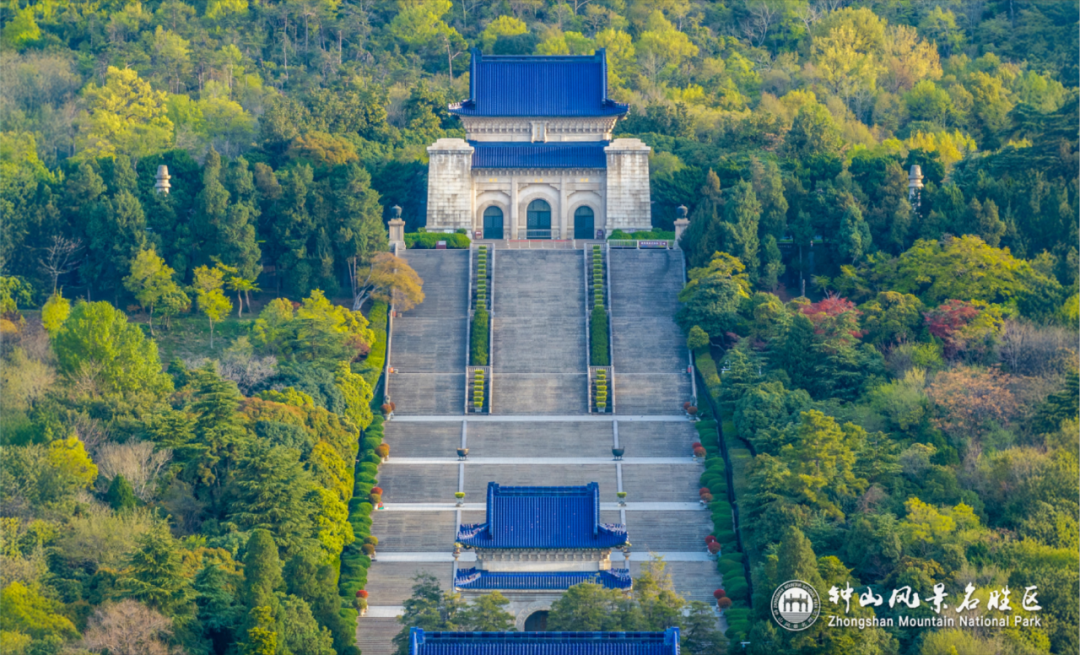
Sun Yat-sen Mausoleum
Attraction392 marble steps up Purple Mountain to the father of modern China.
 2
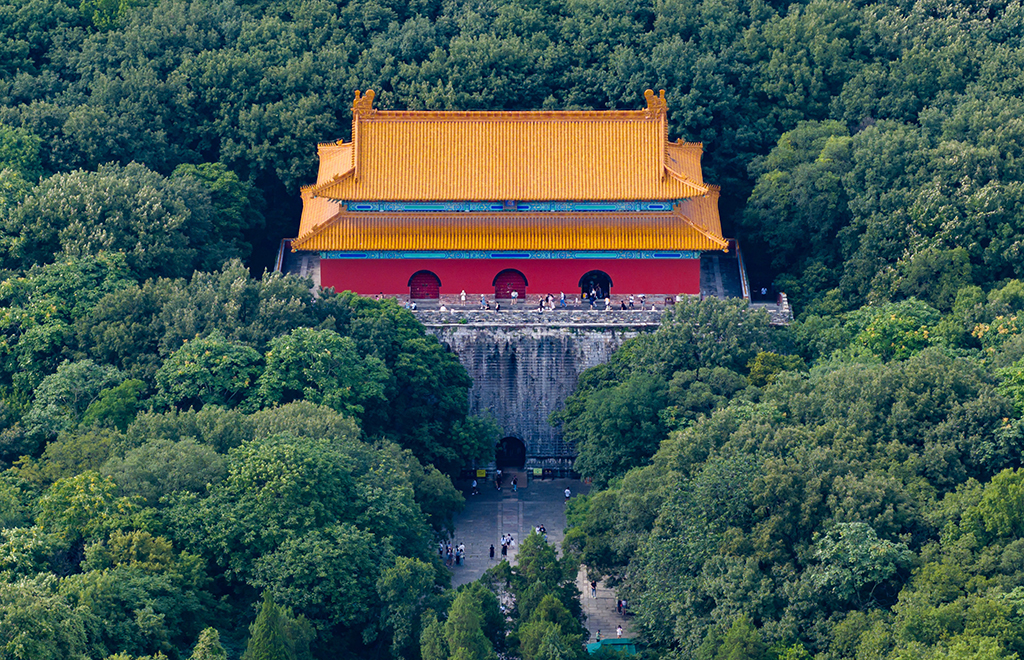
Ming Xiaoling Mausoleum
AttractionSacred Way stone animals guarding the tomb of the Ming founder.
 3
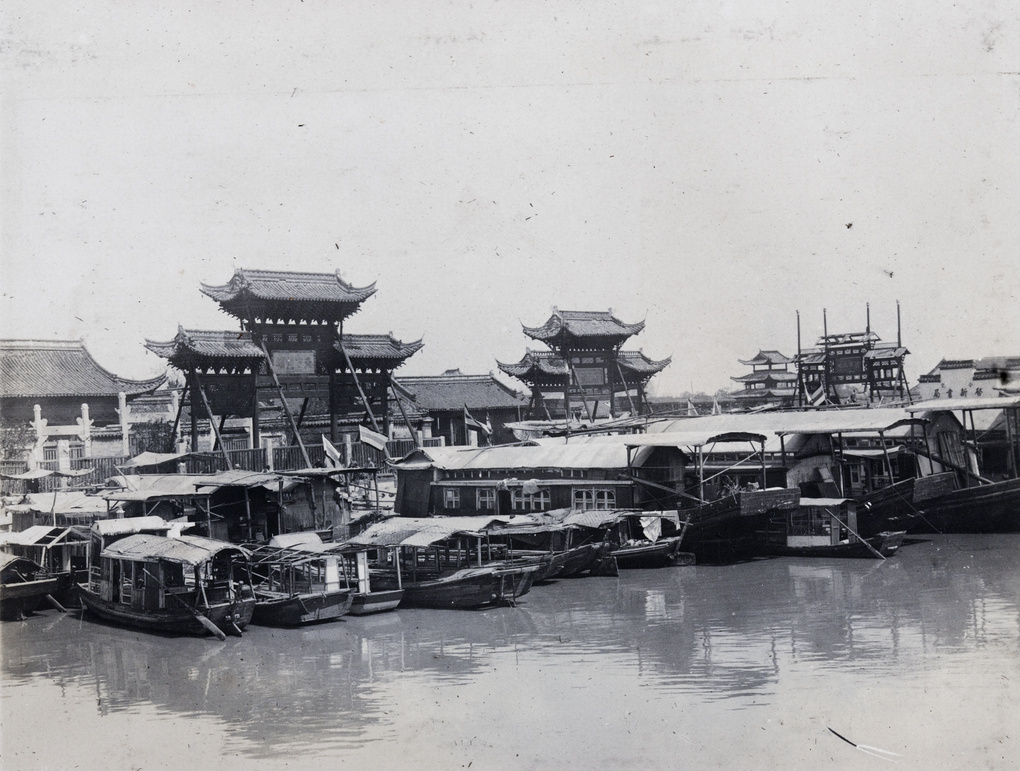
Confucius Temple (Fuzimiao)
AttractionQinhuai River lantern district; night cruise past painted boats.
 4
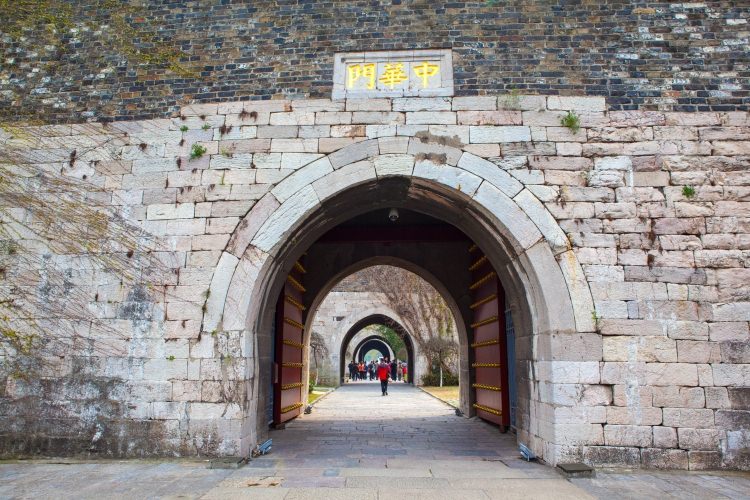
Zhonghua Gate
AttractionThe world's largest castle-style city gate, 27 soldier hideouts inside.
 5
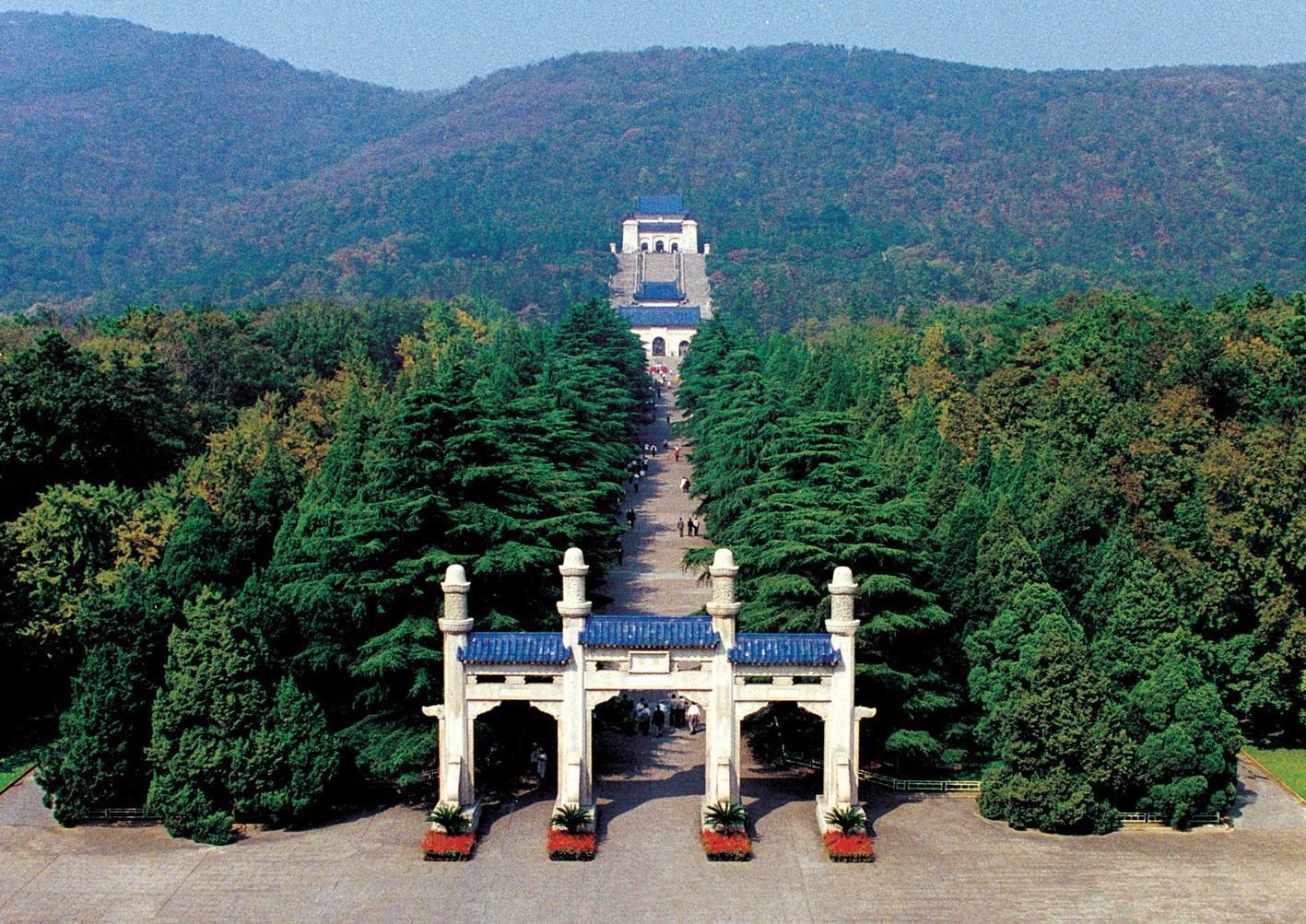
Sun Yat-sen Mausoleum
AttractionThe mausoleum of Dr. Sun Yat-sen, begun in 1926 with his remains interred in 1929. The "Liberty Bell" ground plan by young architect Lü Yanzhi won a global design competition, a milestone of modern Chinese architectural history.
 6
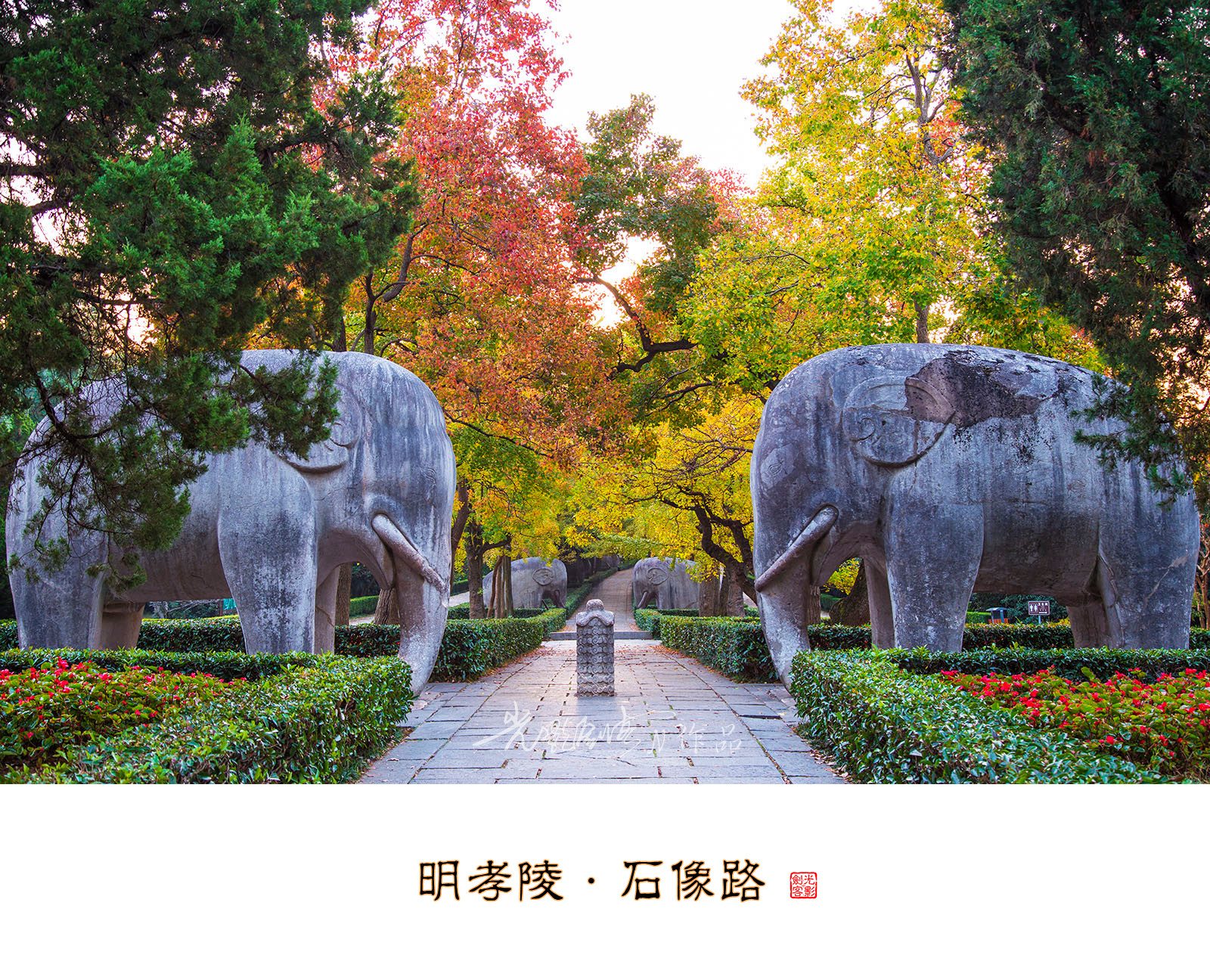
Ming Xiaoling Mausoleum
AttractionThe joint tomb of Ming founder Zhu Yuanzhang and Empress Ma, begun in 1381. It pioneered the "court in front, resting quarters behind" mausoleum layout, the wellspring of the Ming-Qing imperial tomb system; in 2003 it was inscribed as a UNESCO World Heritage Site as part of the extension of the Imperial Tombs of the Ming and Qing Dynasties.
 7
Linggu Temple
AttractionAn ancient temple at the southern foot of Purple Mountain, descended from the Liang-dynasty Kaishan Temple; relocated and renamed Linggu Temple in the early Ming, its old view "Deep Pines of Linggu" was listed among the Forty-Eight Scenes of Jinling.
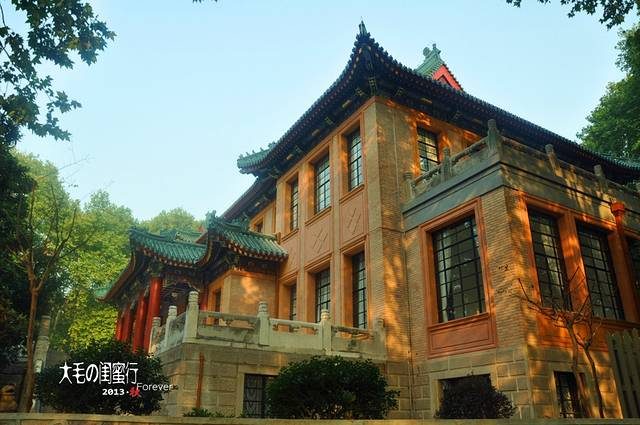 8
Meiling Palace (Official Residence of the Chairman of the National Government)
AttractionCompleted in 1931 as the official residence of the Chairman of the National Government, this palace-style three-story villa blends Chinese and Western design; interiors are restored to their Republican-era state, with finely detailed painted ceilings, fireplaces and reception rooms — hailed in its day as the "finest villa in the Far East."
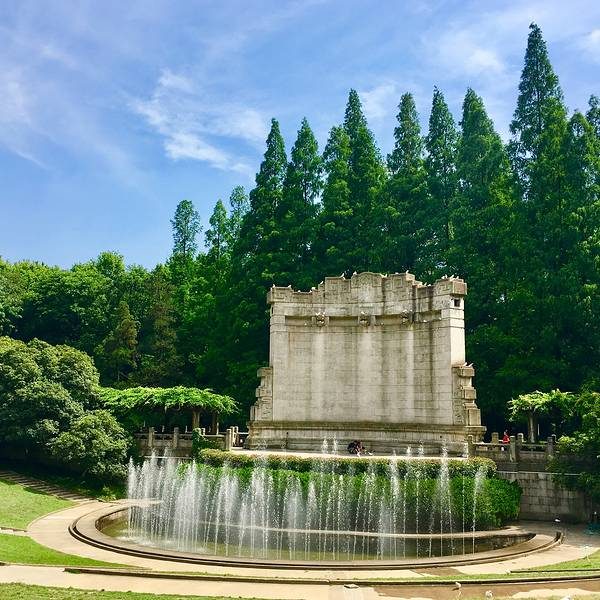 9
Music Stage
AttractionA semicircular open-air music stage designed in 1932 by Guan Songsheng and Yang Tingbao for Sun Yat-sen memorial ceremonies and music gatherings; the echo screen wall and fan-shaped lawn form a natural acoustic theater — an outstanding piece of modern Chinese open-air architecture.
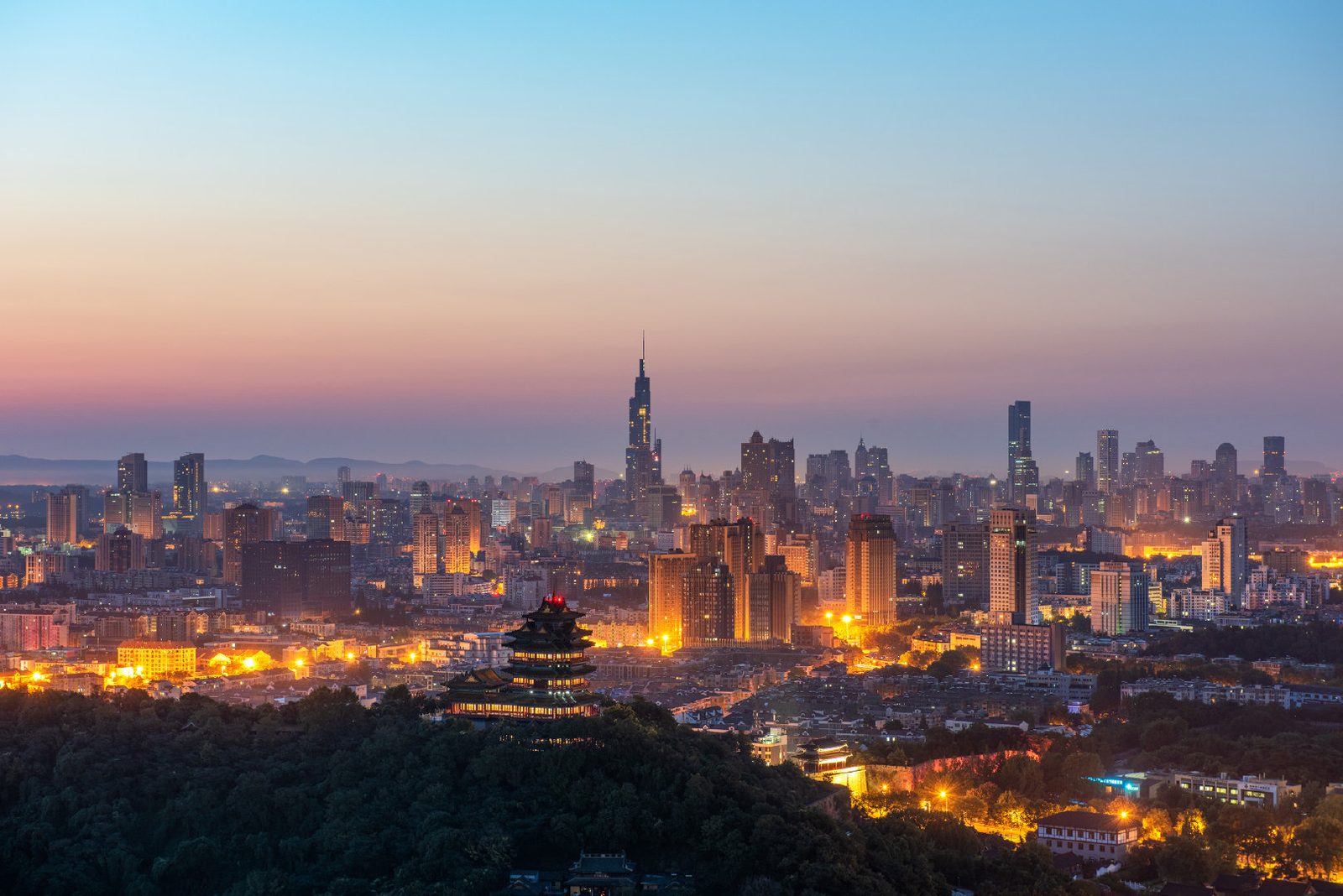 10
Purple Mountain Observatory
AttractionChina's first modern observatory, completed in 1934 on the third peak of Purple Mountain, hailed as "the cradle of modern Chinese astronomy"; today a science-outreach observing station and a museum on its historic site
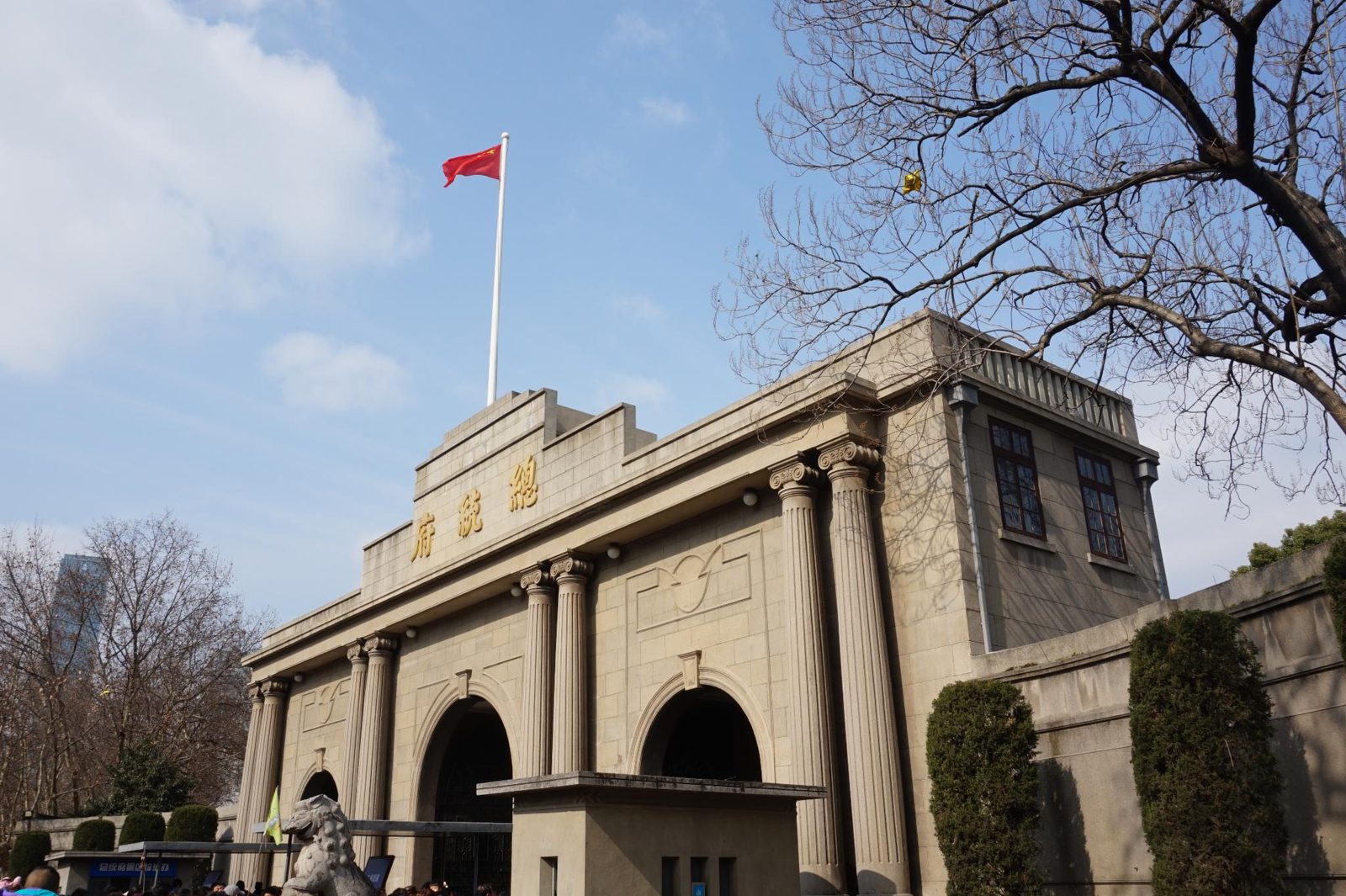 11
Presidential Palace (Site Museum of Modern Chinese History)
AttractionSix hundred years condensed into one compound: a Han prince's palace in the early Ming, the office of the Liangjiang Viceroy in the Qing, the Heavenly King's palace under the Taiping, where Sun Yat-sen was sworn in as provisional president in 1912, the Nationalist Government's presidential palace after 1948, and from the 1980s the Site Museum of Modern Chinese Hist...
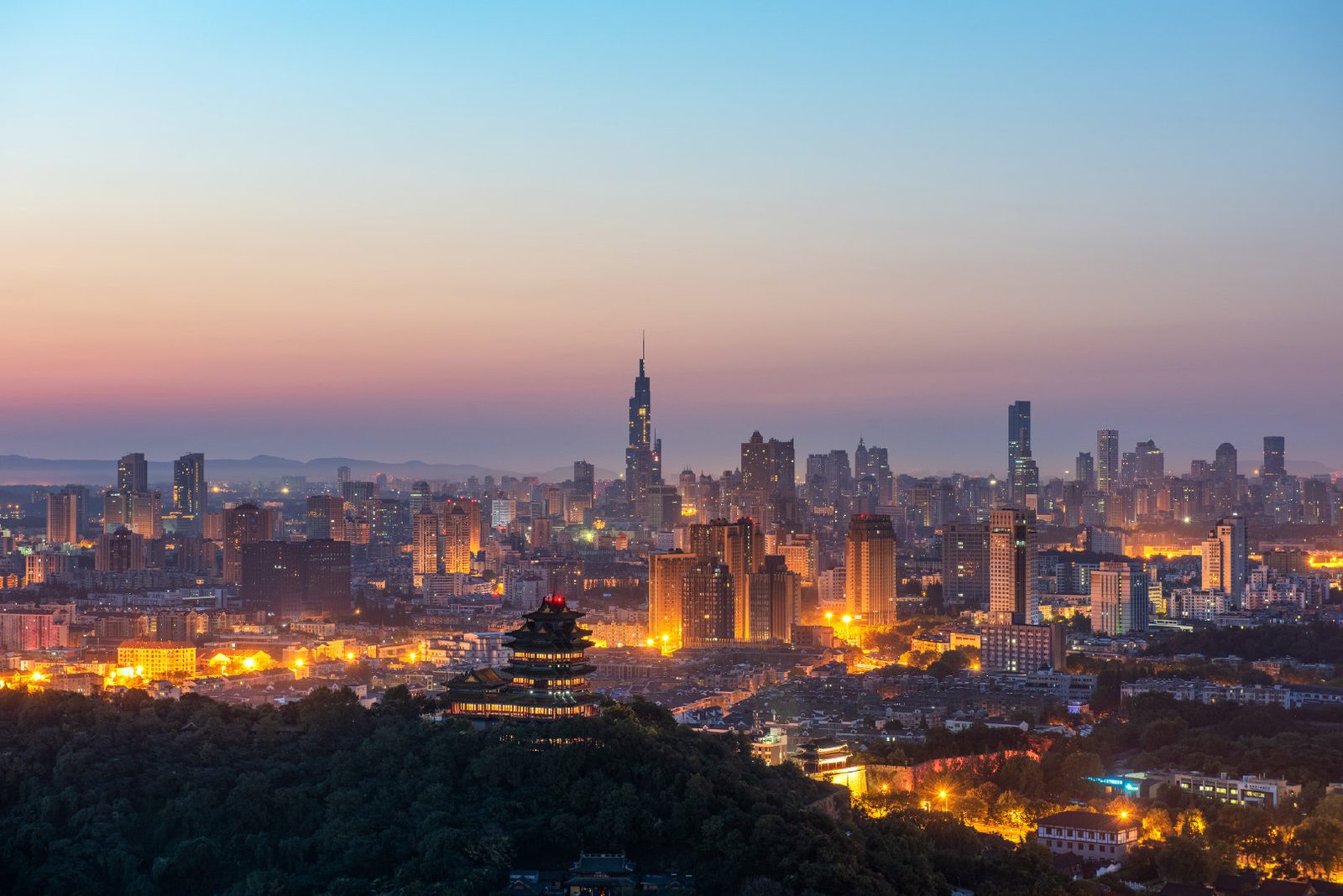 12
Yihe Road Mansion Area
AttractionAn upscale residential quarter of Republican-era Nanjing, where more than 200 garden villas in various foreign styles were built across twelve plots in the 1920s-1930s; streets of grey-and-yellow façades, wrought-iron railings and plane trees are summed up as "one Yihe Road, half the history of the Republic"—the best-preserved slice of Republican-era cityscape in Nanjing...
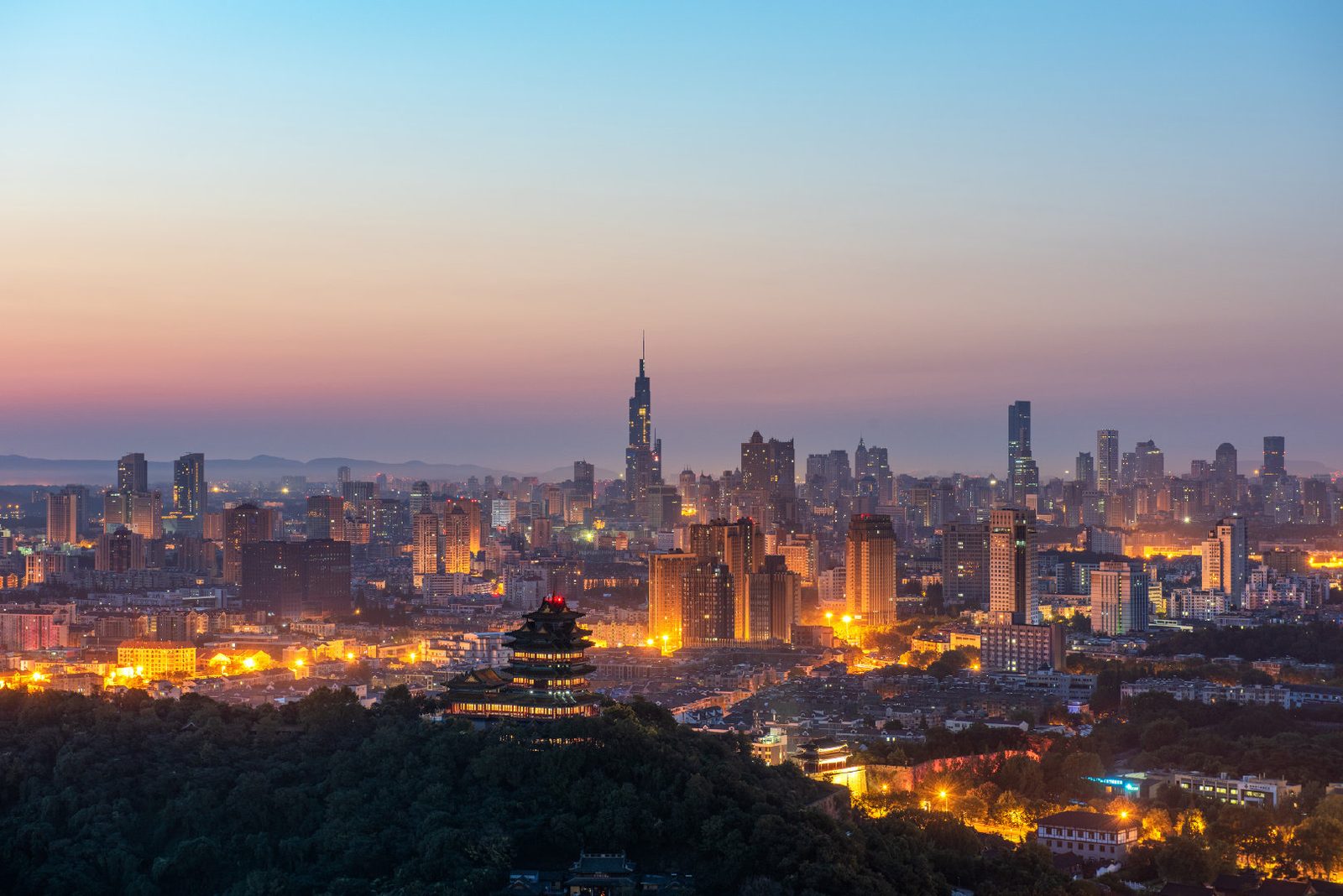 13
1912 Block
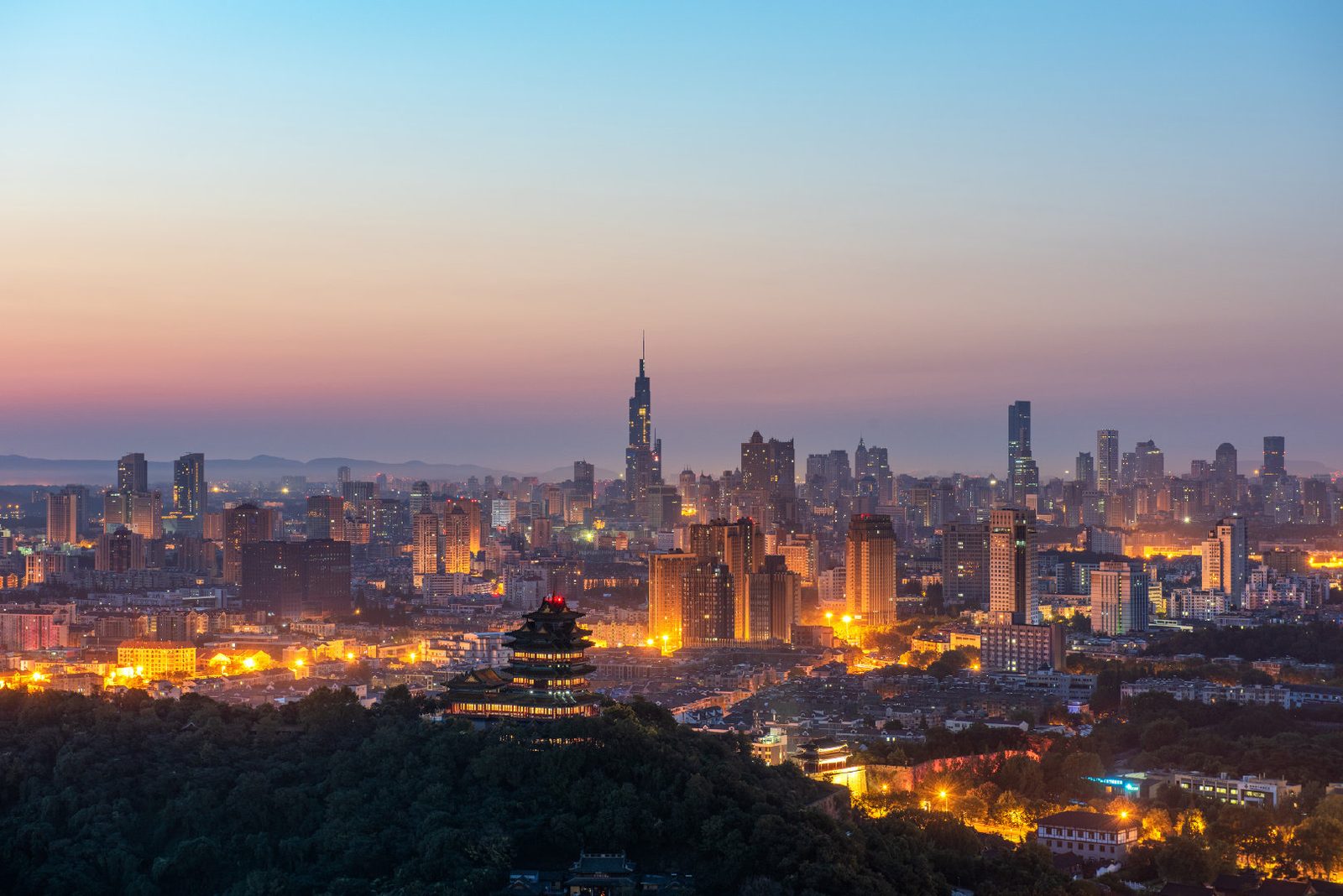
AttractionA quarter of converted Republican-era buildings right next to the Presidential Palace, opened in 2004; old structures such as the palace's service buildings form its skeleton, now infused with bars, dining and livehouses, as night lights and old walls strike up a dialogue between old and new
 14
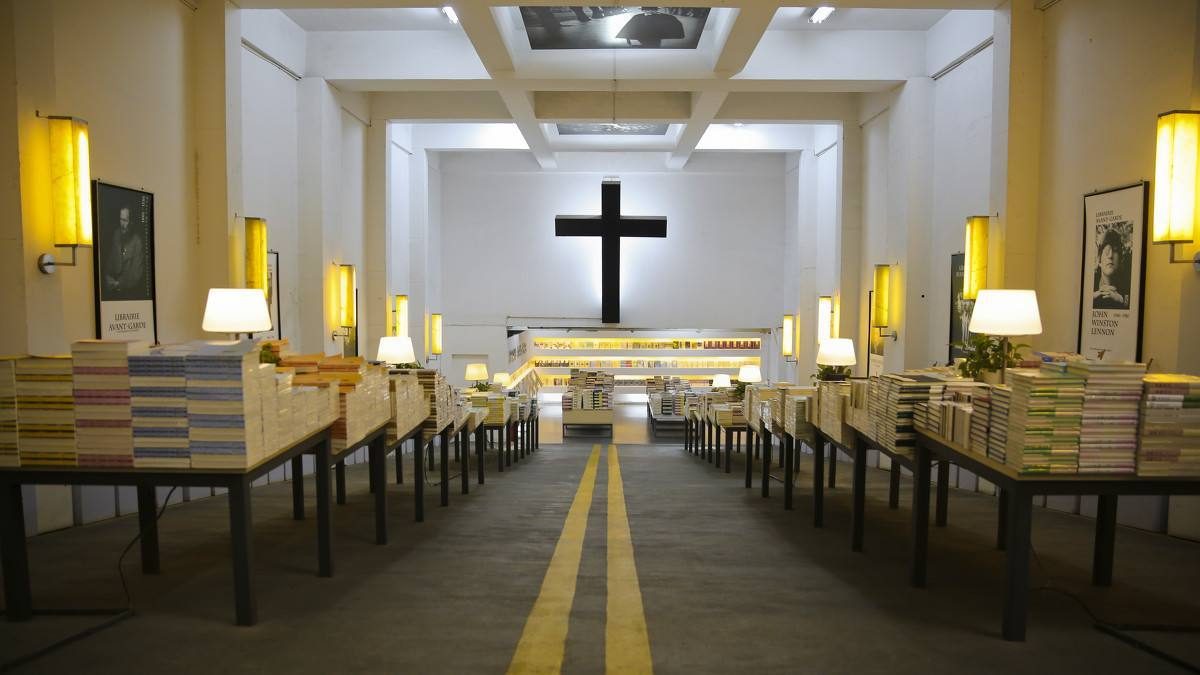
Librairie Avant-Garde (Wutaishan Branch)
AttractionThe flagship store of Librairie Avant-Garde, founded by Qian Xiaohua in 1996 and converted from a Wutaishan air-raid shelter and underground garage, hailed as "China's most beautiful bookstore"
 15
Nanjing Massacre Memorial Hall
AttractionA national memorial hall established in 1985 on the original site of the "10,000-corpse pit" mass grave at Jiangdongmen, where the remains of victims were found; its grey-and-black architectural complex bears the complete historical evidence of the 1937 Nanjing Massacre
 16
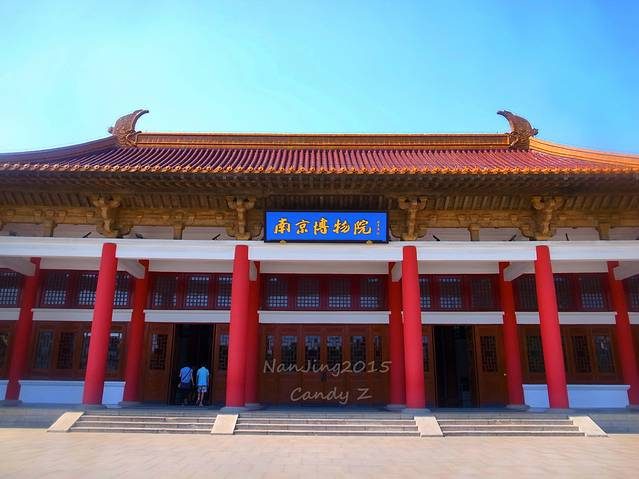
Nanjing Museum
AttractionOne of China's three great museums, initiated by Cai Yuanpei in 1933; formerly the National Central Museum, with a collection of over 430,000 items
 17
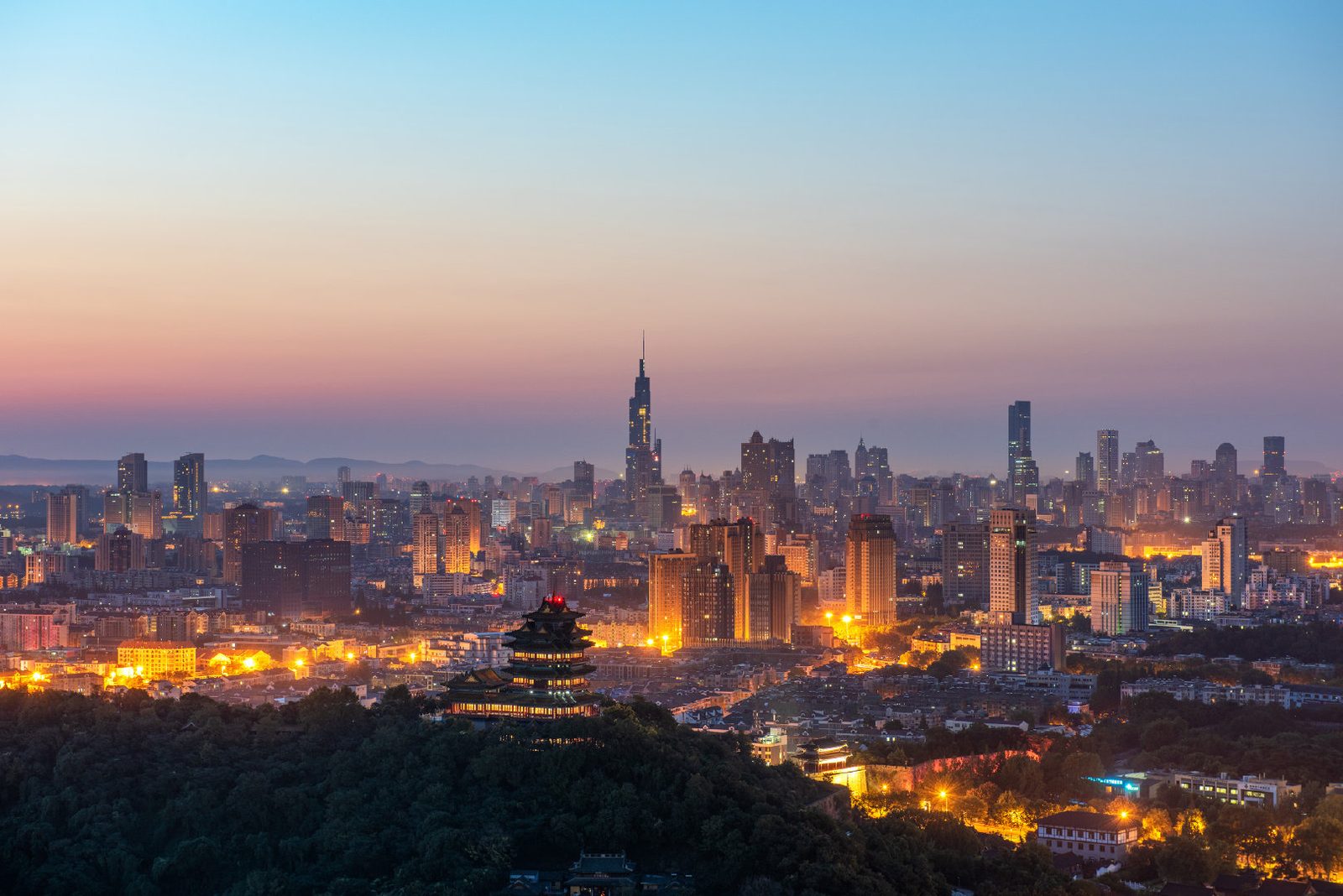
Confucius Temple & Qinhuai River
AttractionThe heart of Nanjing's history and culture: the Temple of King Wenxuan was relocated to this former site of an Eastern Jin academy in 1034 (first year of the Northern Song's Jingyou era), forming a millennium-old 'temple-and-market' layout back to back with the Jiangnan Examination Hall
 18
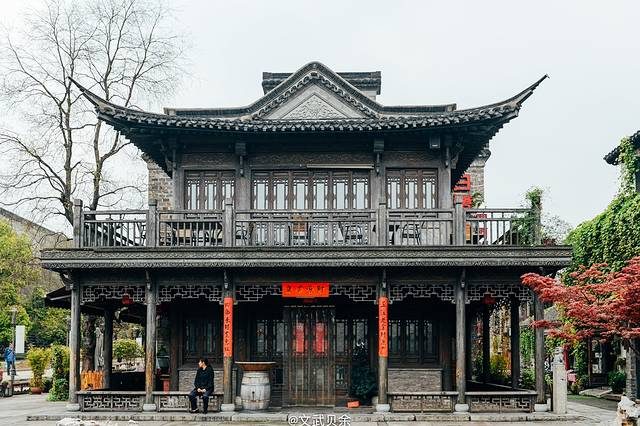
Laomendong
AttractionA historic district east of Zhonghua Gate, the commercial and residential heart of Nanjing's old city since the Ming dynasty; after its conservation-led street reopening in 2013 it became the emblematic calling card of 'Old South City'
 19
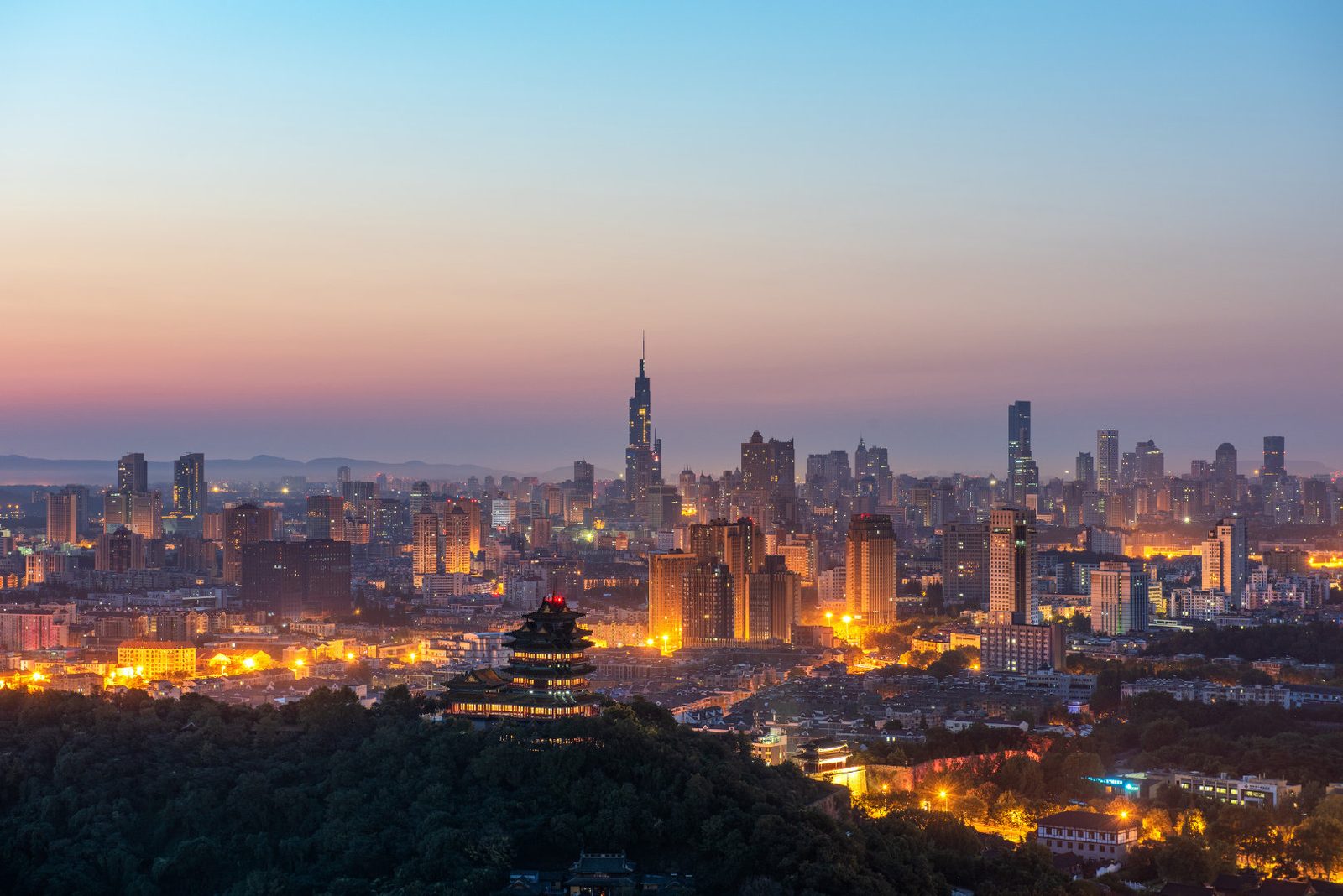
Zhonghua Gate Castle (Zhonghua Gate Barbican)
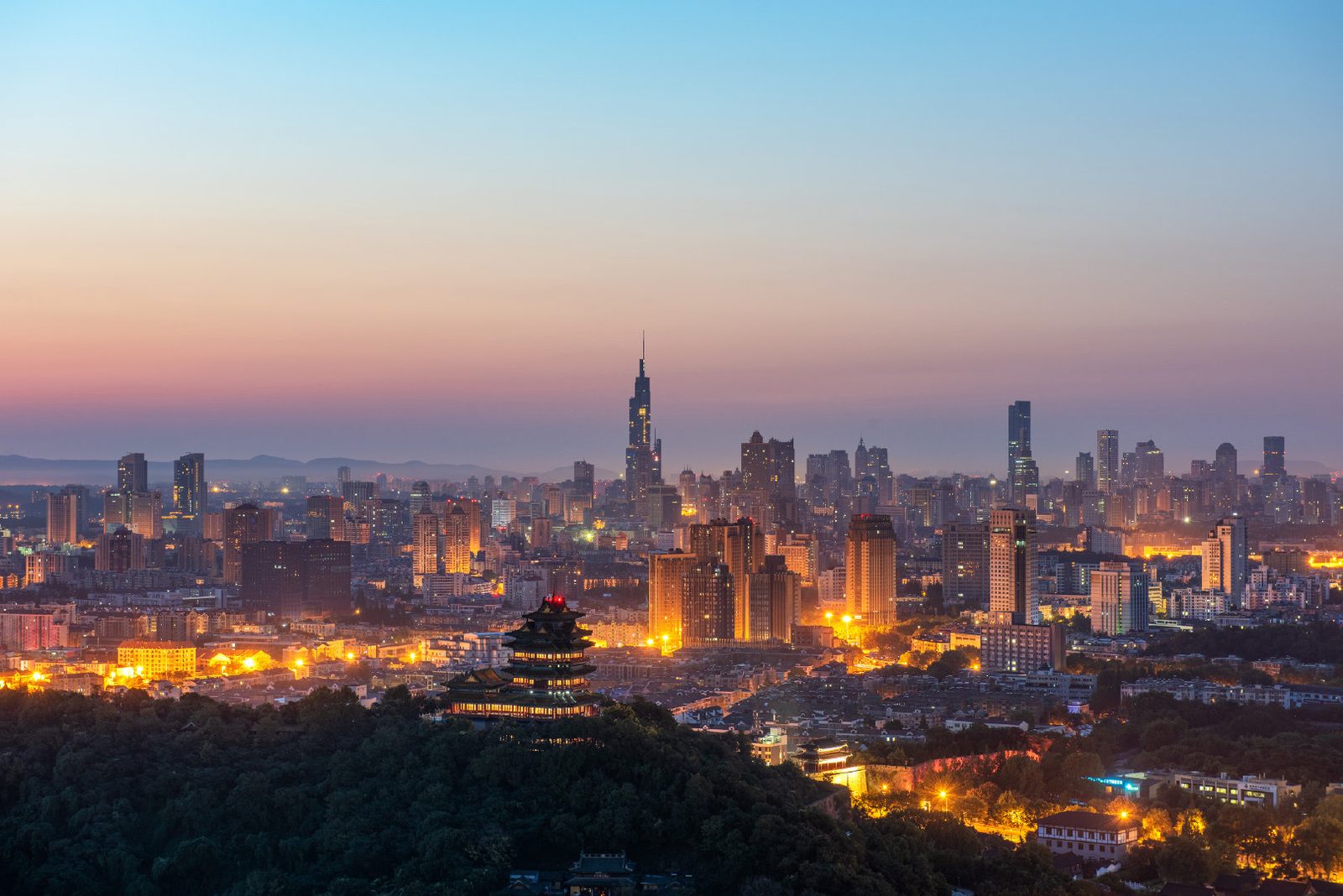
AttractionThe largest of the thirteen inner gates of the Ming city wall, completed in 1386, with a deep layout of three successive barbicans and as many as 27 troop-hiding caves; its scale and design are rare nationwide, earning it the title 'the foremost barbican under heaven'
 20
Dabaoen Temple Ruins Park
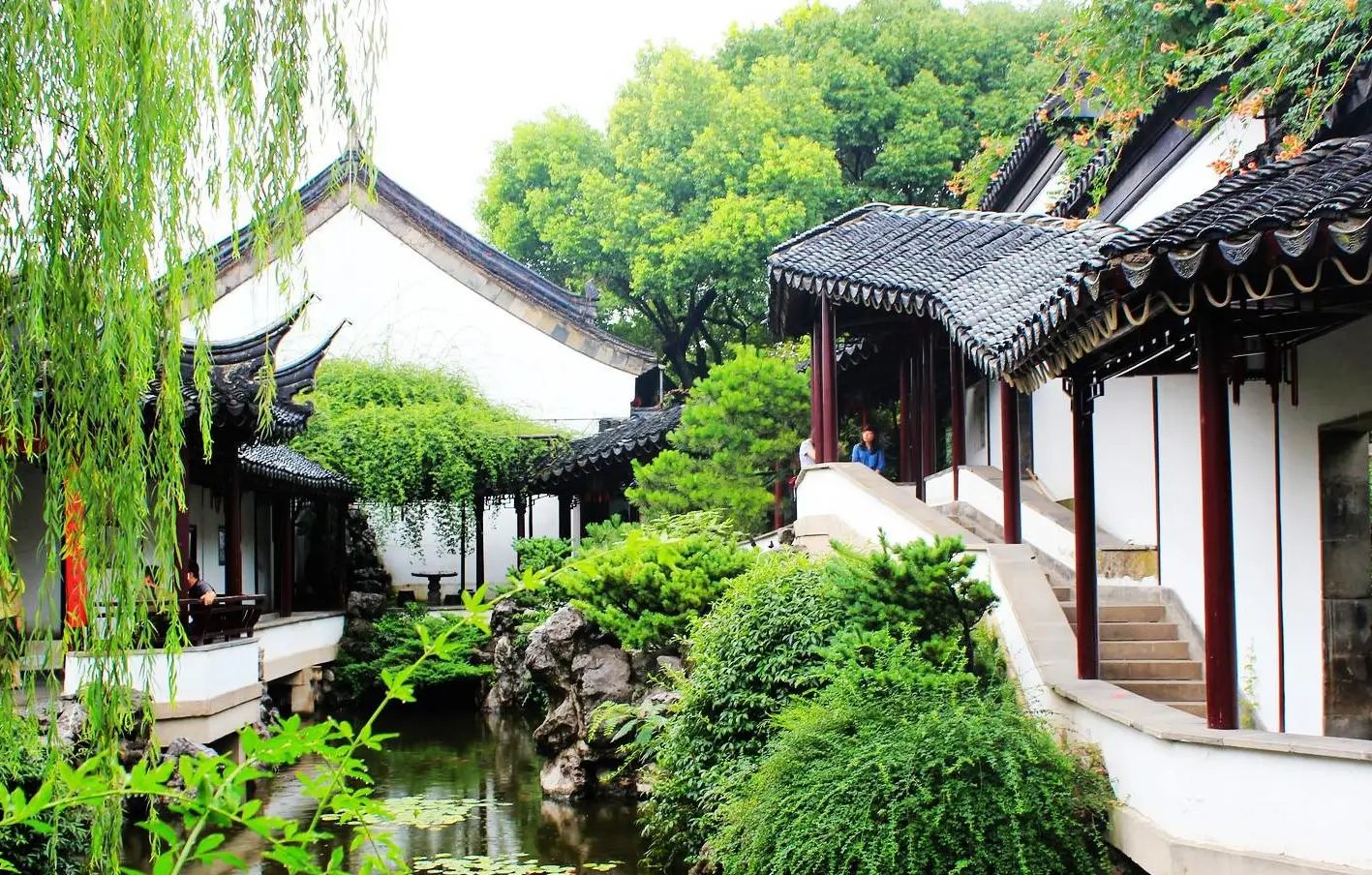
AttractionThe former site of Dabaoen Temple, rebuilt by Ming Emperor Yongle (Zhu Di) in gratitude to his mother; construction of its glazed pagoda began in 1412 — nearly 78 m tall, nine stories and eight sides, sheathed entirely in glazed tiles — and Western visitors ranked it among the Seven Wonders of the Medieval World; destroyed by war in 1856
 21
Zhan Garden
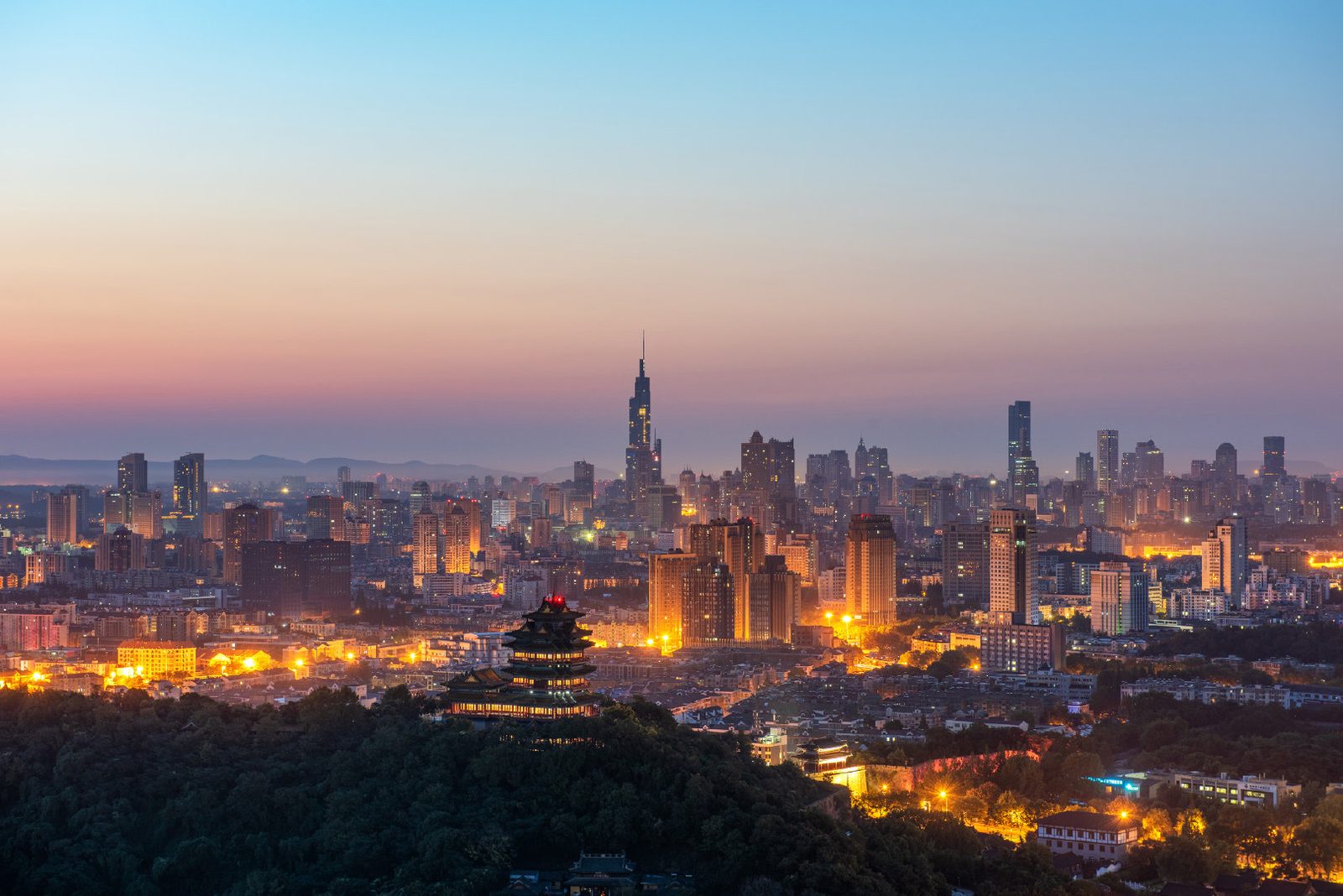
AttractionGarden of the Ming mansion of Xu Da, Prince Zhongshan; repeatedly renovated through the Ming and Qing dynasties, with Emperor Qianlong inscribing 'Zhanwang Yutang' during his southern tour; long known as 'the foremost garden of Jinling' and Nanjing's oldest surviving classical garden
 22
Bailuzhou Park
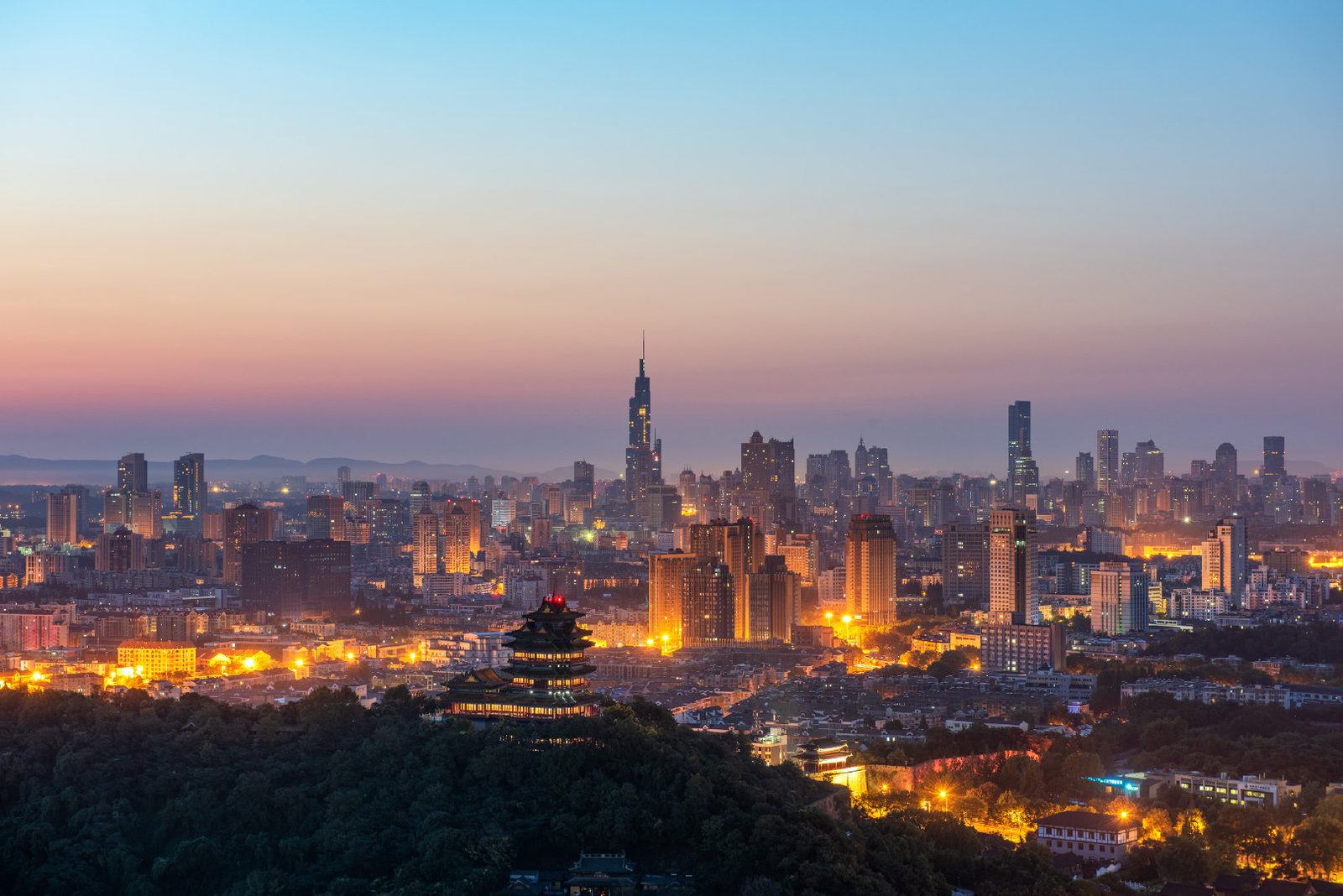
AttractionHistoric site of the East Garden of Xu Da, the Ming dynasty Prince of Zhongshan; the park entered the Forty-Eight Scenes of Jinling as "White Egret Fragrant Islet"; lake-center islets linked by winding bridges — a quiet citizens' garden beside the bustling Qinhuai River
 23
Xuanwu Lake · Taicheng
AttractionSix Dynasties royal garden lake known as "Sangbo" (one of China's largest imperial garden lakes); five islets (Huanzhou, Yingzhou, Liangzhou, Cuizhou, Lingzhou) linked by dikes and bridges
 24
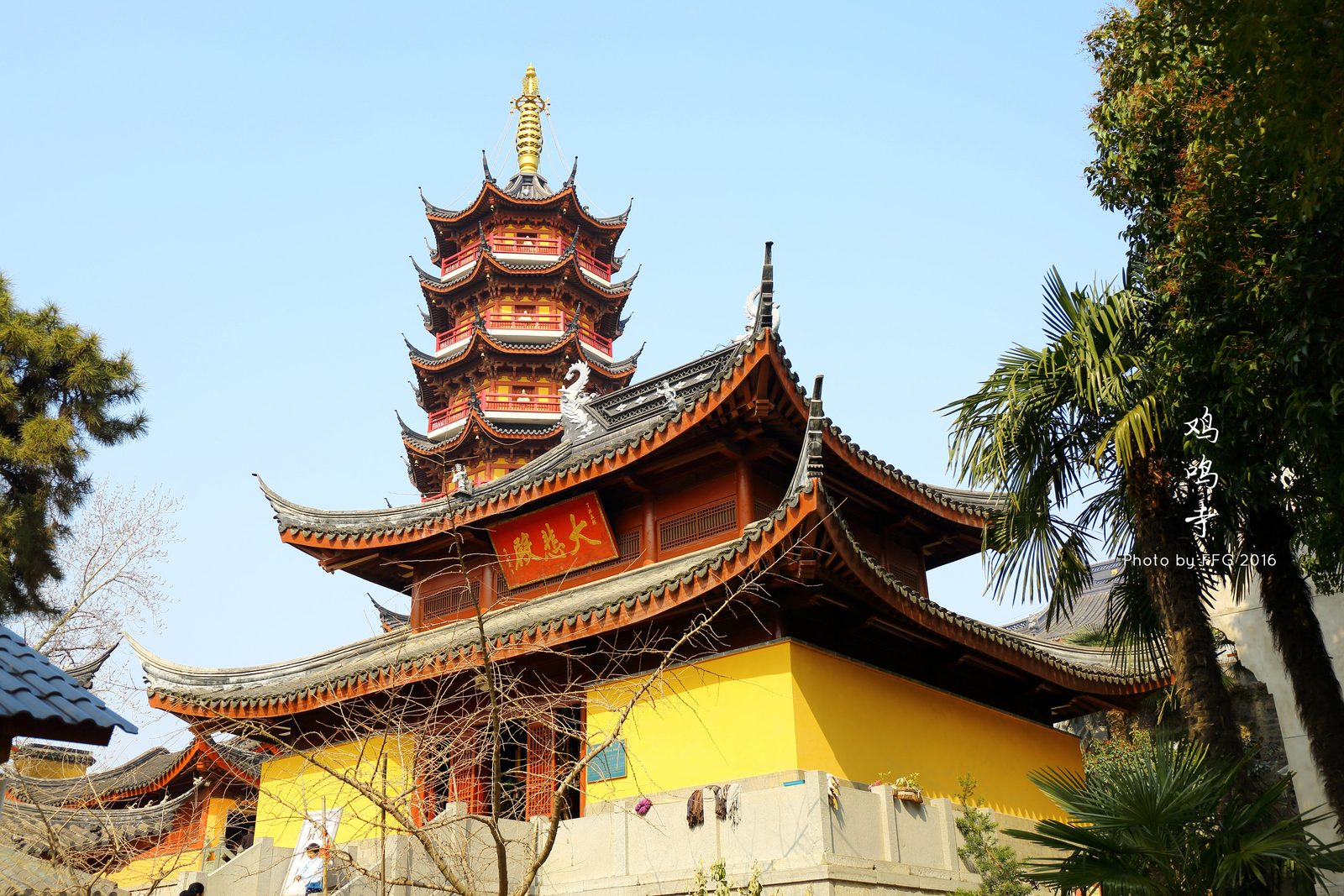
Jiming Temple
AttractionContinuation of Tongtai Temple founded in the Western Jin (Emperor Wu of Liang "became a monk" here four times); rebuilt as "Jiming Temple" in the Ming Hongwu era; 44.8 m Medicine Buddha Pagoda
 25
Mochou Lake
Attraction"The foremost scenic spot of Jinling"; legend of the Mochou Girl (Yujin Hall / Lotus-Viewing Hall); crabapple blossom fair (March-April)
 26
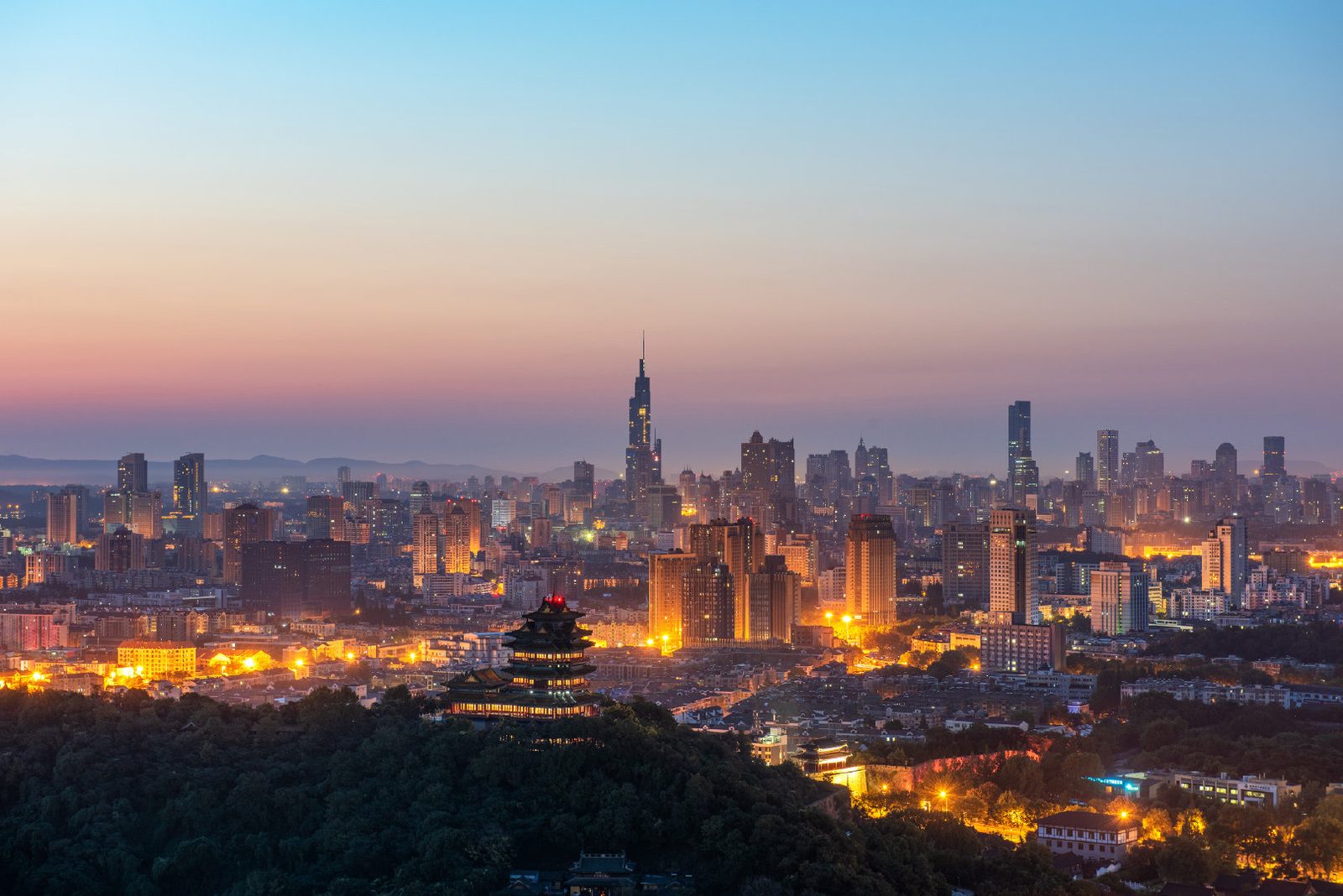
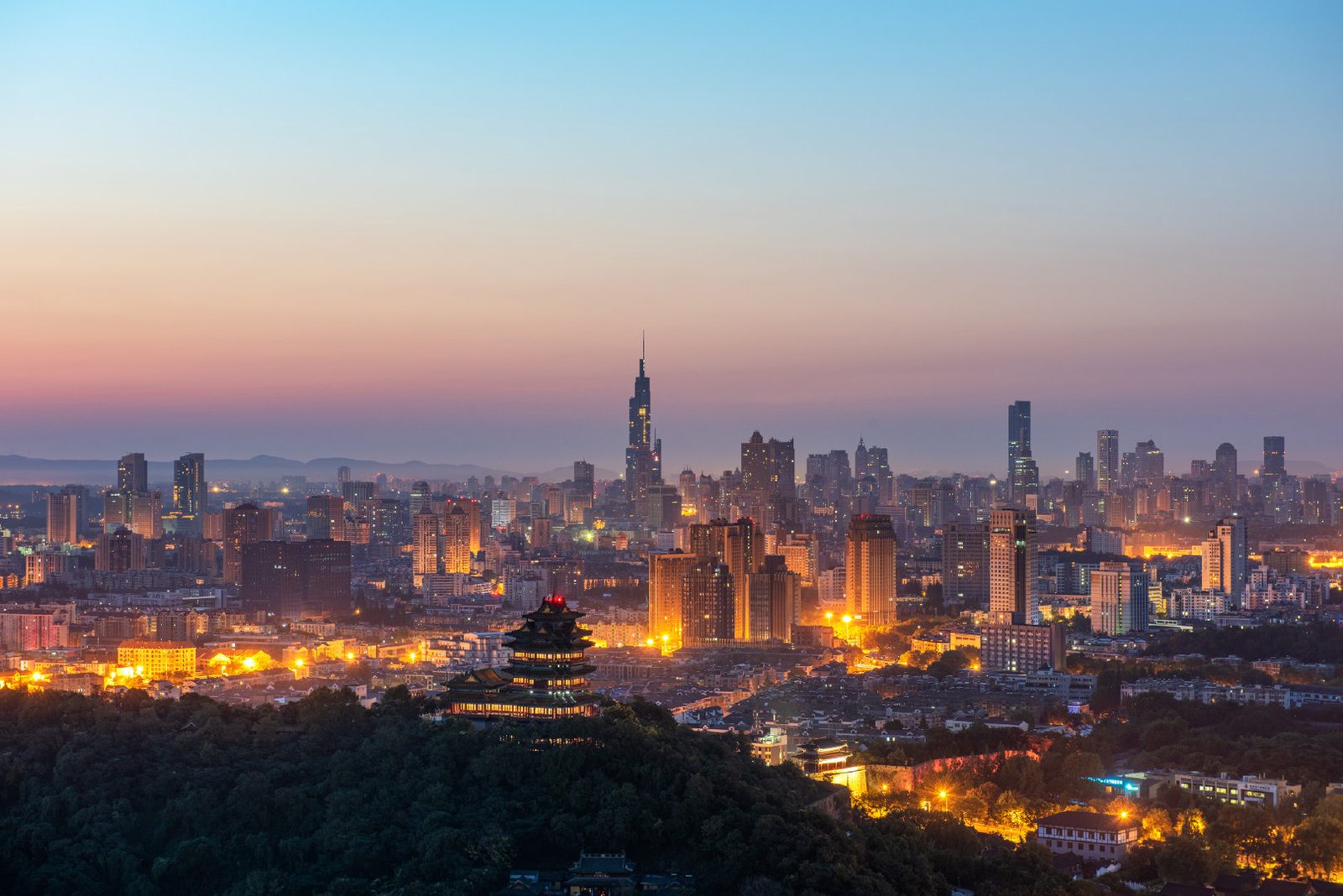
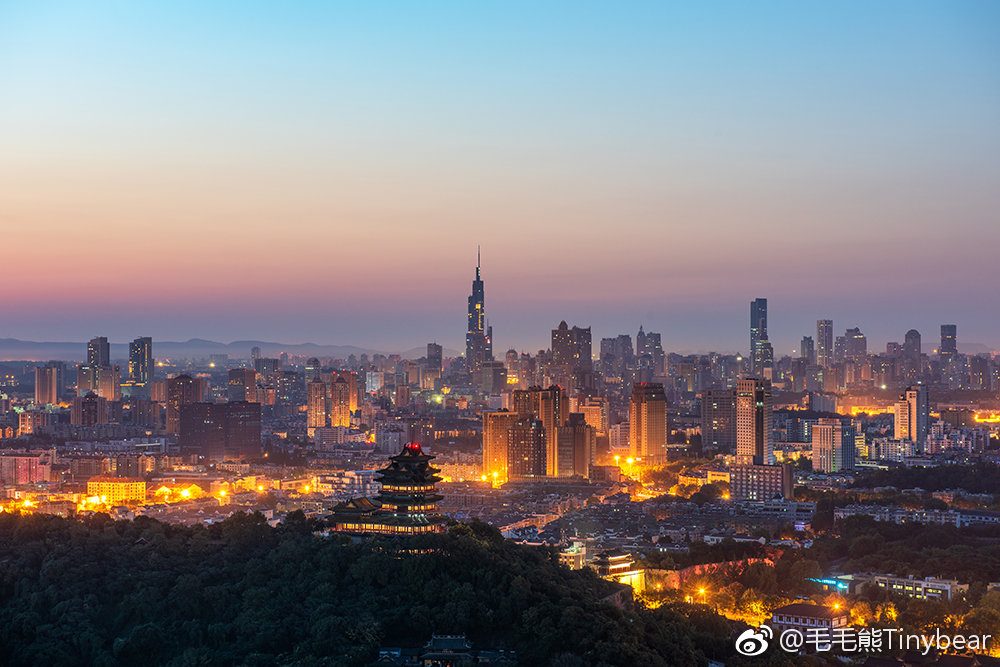
Yuejiang Tower
AttractionOn the crest of Lion Hill; Zhu Yuanzhang's Ming Hongwu-era "Record of Yuejiang Tower" left 600 years of "a record without a tower"; completed in 2001 (51.4 m, one of China's Ten Great Cultural Towers); views of the Yangtze River Bridge
 27
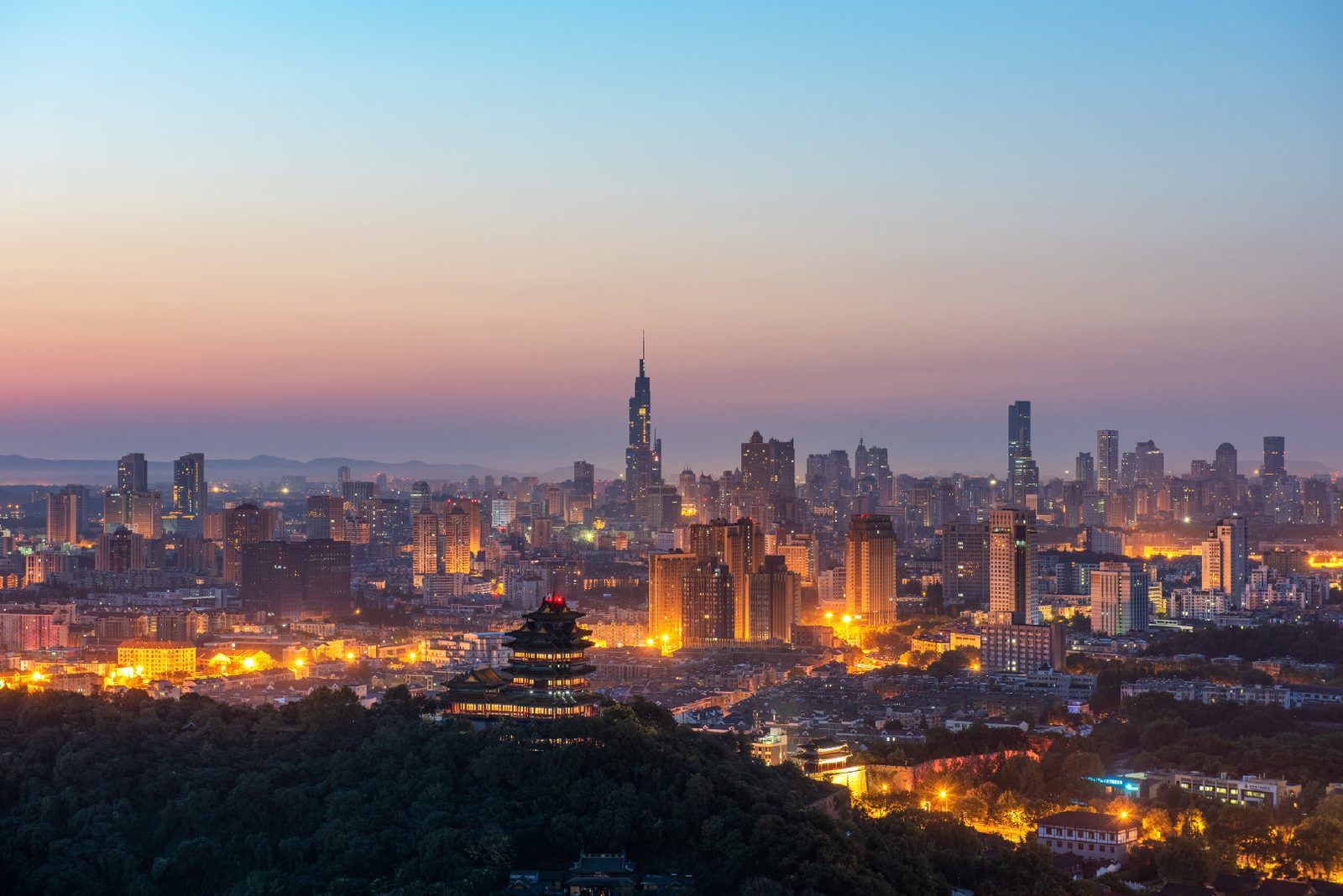
Nanjing Yangtze River Bridge
AttractionCompleted in 1968 as China's first self-designed and self-built double-decker rail-and-road bridge (the road-rail "Bridge of Pride"); magnolia-shaped street lamps and bridgeheads with three red flags
 28
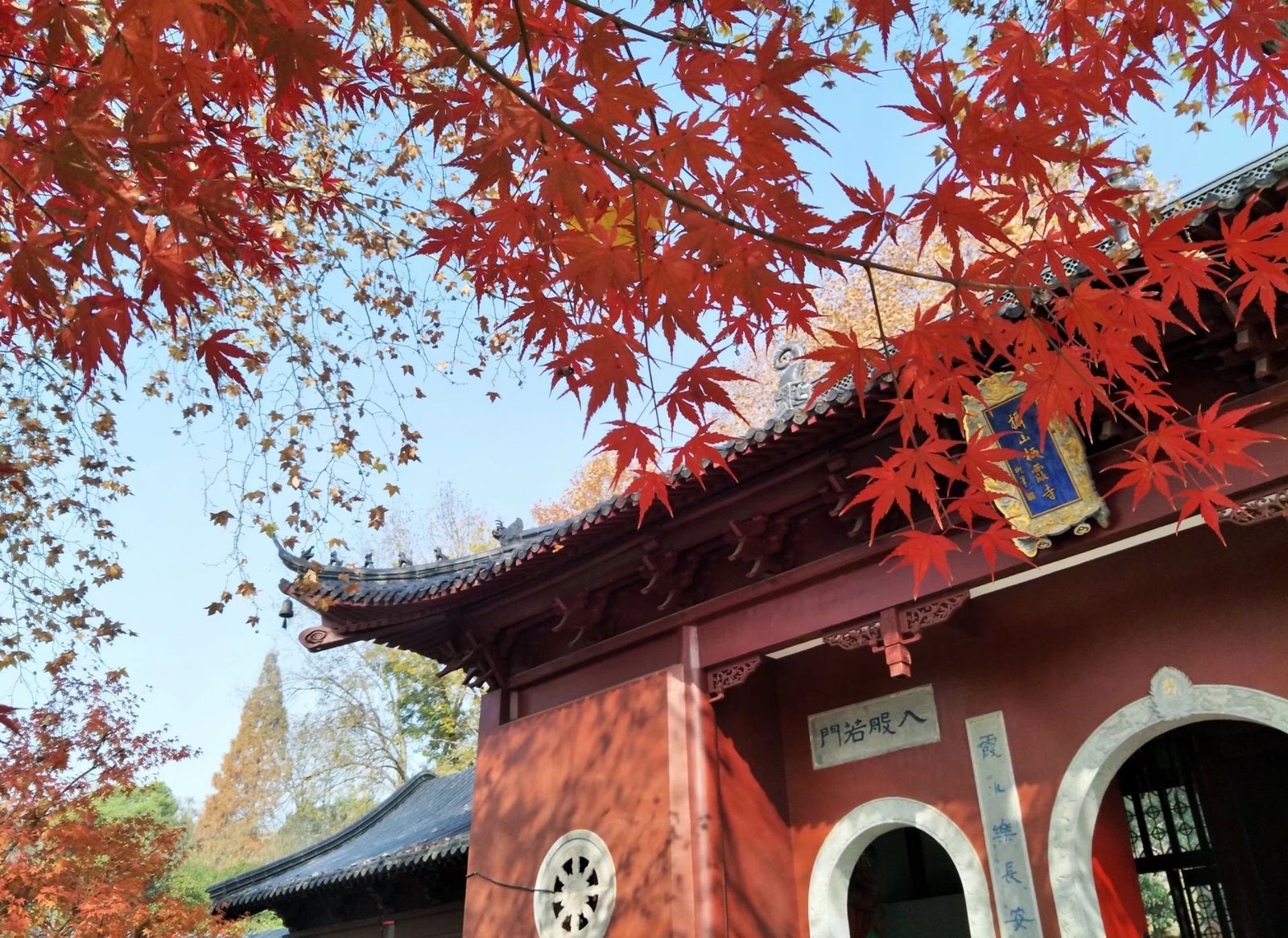
Yanziji (Swallow Rock)
AttractionOne of the three famous rock outcrops of the Yangtze (its head reaching over the river resembles a swallow), Emperor Qianlong's imperial stele "Yanziji", and Tao Xingzhi's "Think it over—death is not the answer" life-saving stele
 29
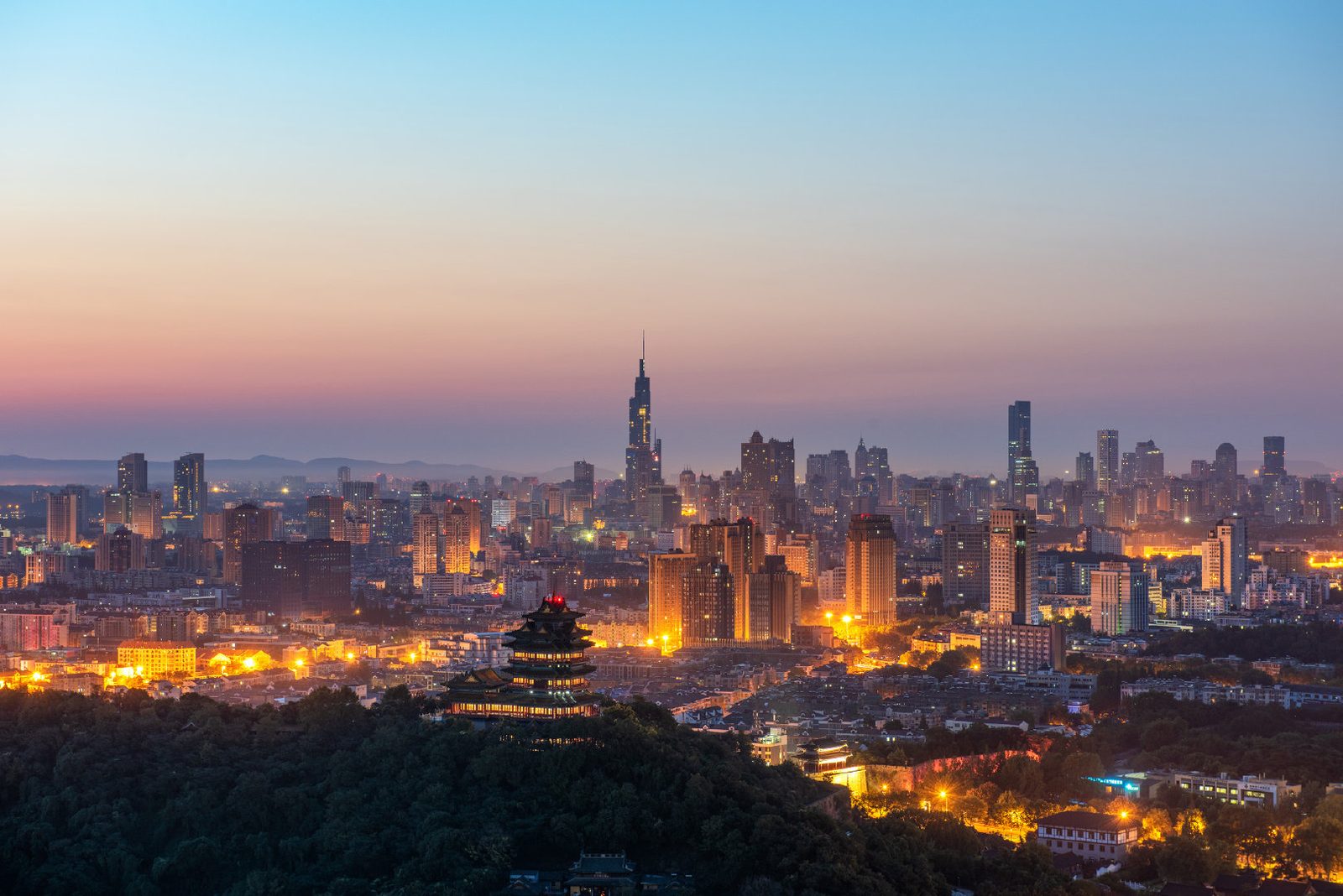
Qixia Temple
AttractionBuilt in the Southern Qi Yongming 2nd year (484) as the "foremost famous temple of Jinling", on Qixia Mountain (red-leaf festival mid-November to early December; "Niushou for spring, Qixia for autumn")
 30
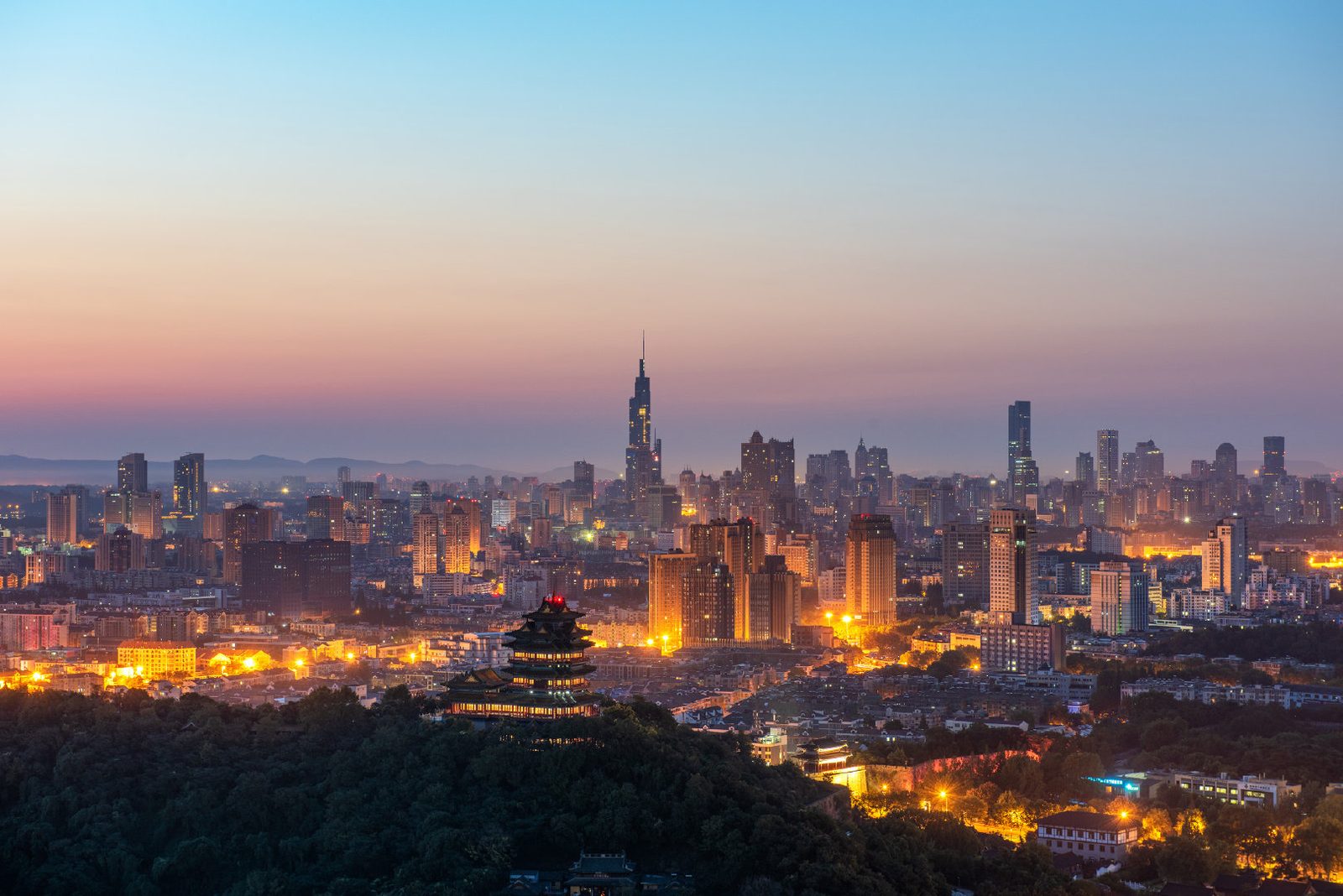
Niushou Mountain (Usnisa Palace)
AttractionNiushou Mountain's Usnisa Palace (opened 2015, hailed as a "new world heritage of Buddhist culture"), enshrining the Buddha's parietal-bone relic (a dome with the Thousand Buddha Hall and a single-level reclining Buddha), a twin-peak design of "mending the sky's gap and hiding the underground palace"
 31
Pilu Temple
AttractionBuilt in the Ming Jiajing era, a Republican-era "famous temple of the capital" (Ten Thousand Buddha Tower), a social-media hit in ginkgo season (November)
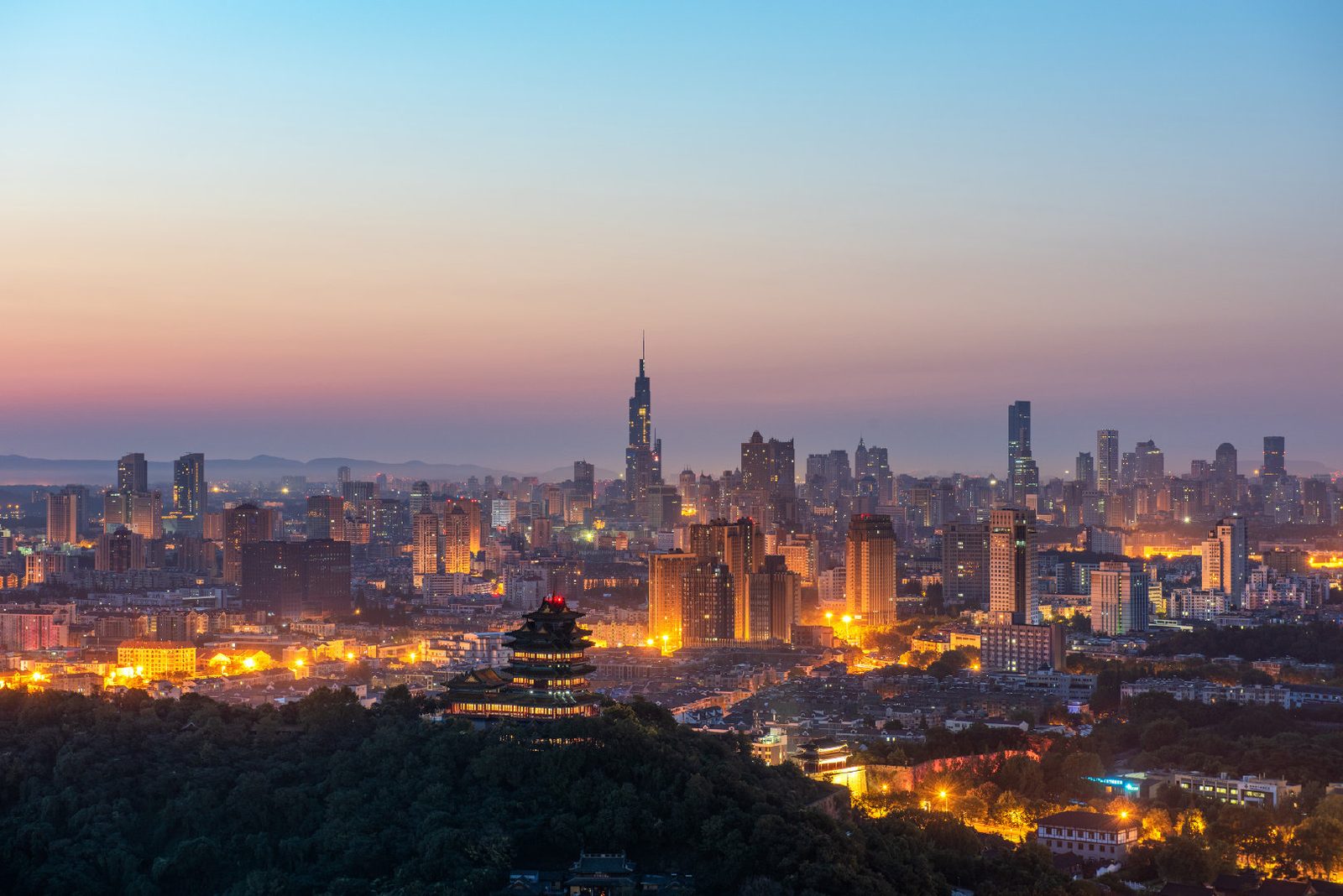 32
Chaotian Palace (Nanjing Municipal Museum)
AttractionMing Hongwu-era site where civil and military officials rehearsed court etiquette before paying homage (the largest surviving ancient building complex in Jiangnan), Lingxing Gate and Dacheng Hall
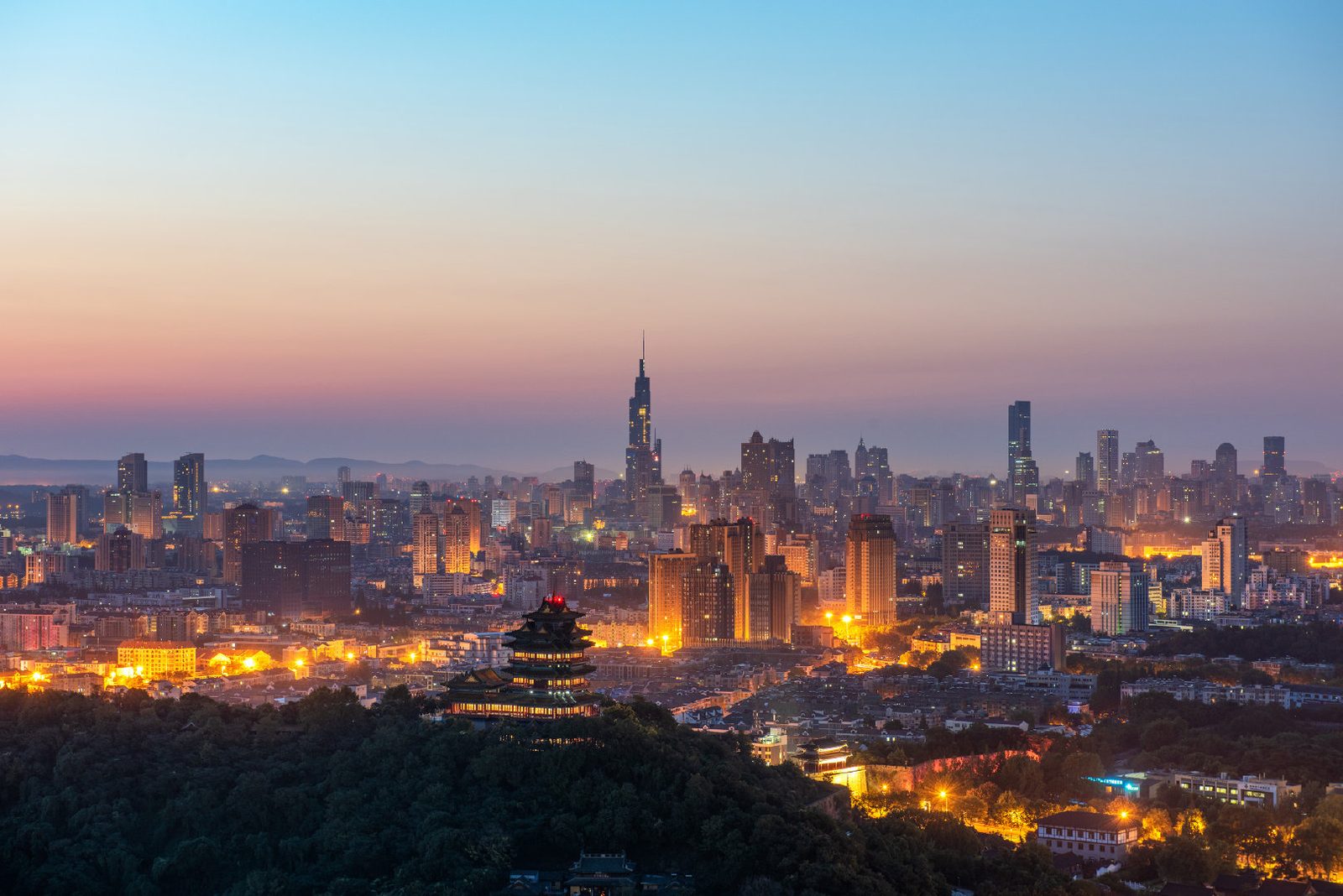 33
Nanjing Eye Pedestrian Bridge
AttractionLandmark pedestrian bridge of the 2014 Youth Olympic Games (cable-stayed bridge with two curved towers), views over the Jiajiang channel + light show at Youth Olympic Park
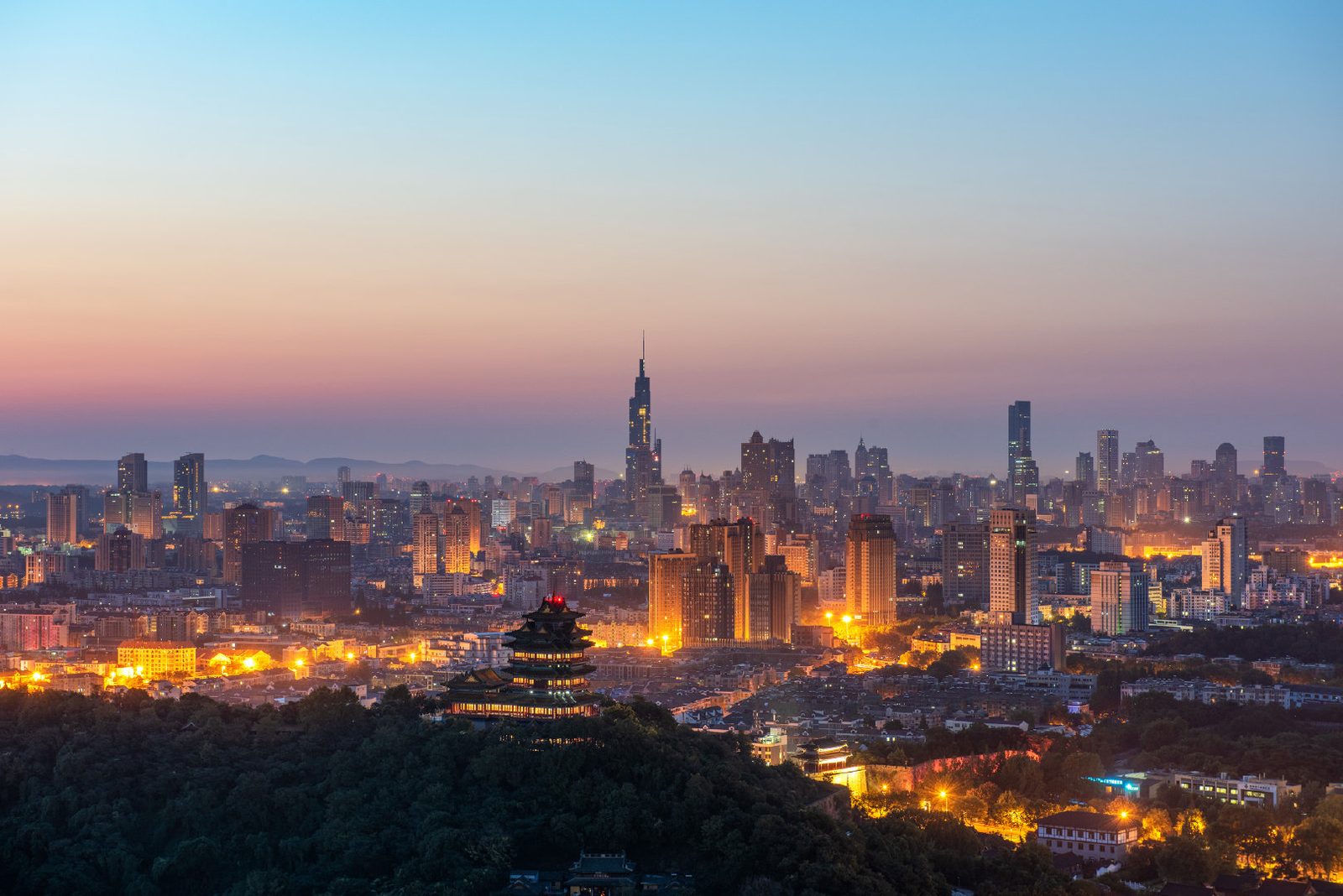 34
Yuzui Wetland Park
AttractionRiverside wetland beside the Third Nanjing Yangtze Bridge; Lighthouse Plaza sunset photo spot ("Little Kenting"); red-and-white lighthouse + river views
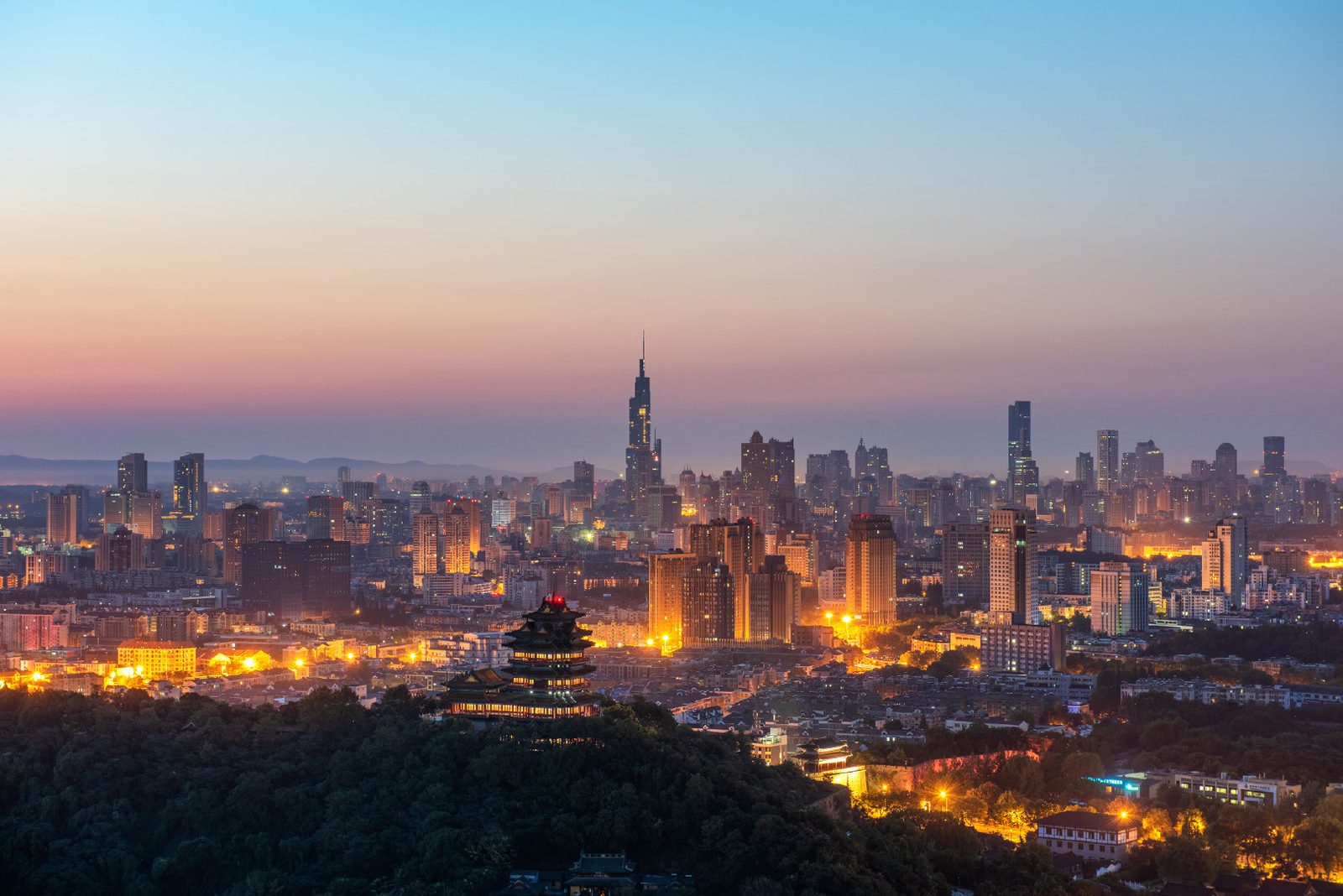 35
Hexi Poly Grand Theatre
AttractionZaha Hadid-designed theatre with "fluid" glass curtain walls
 36
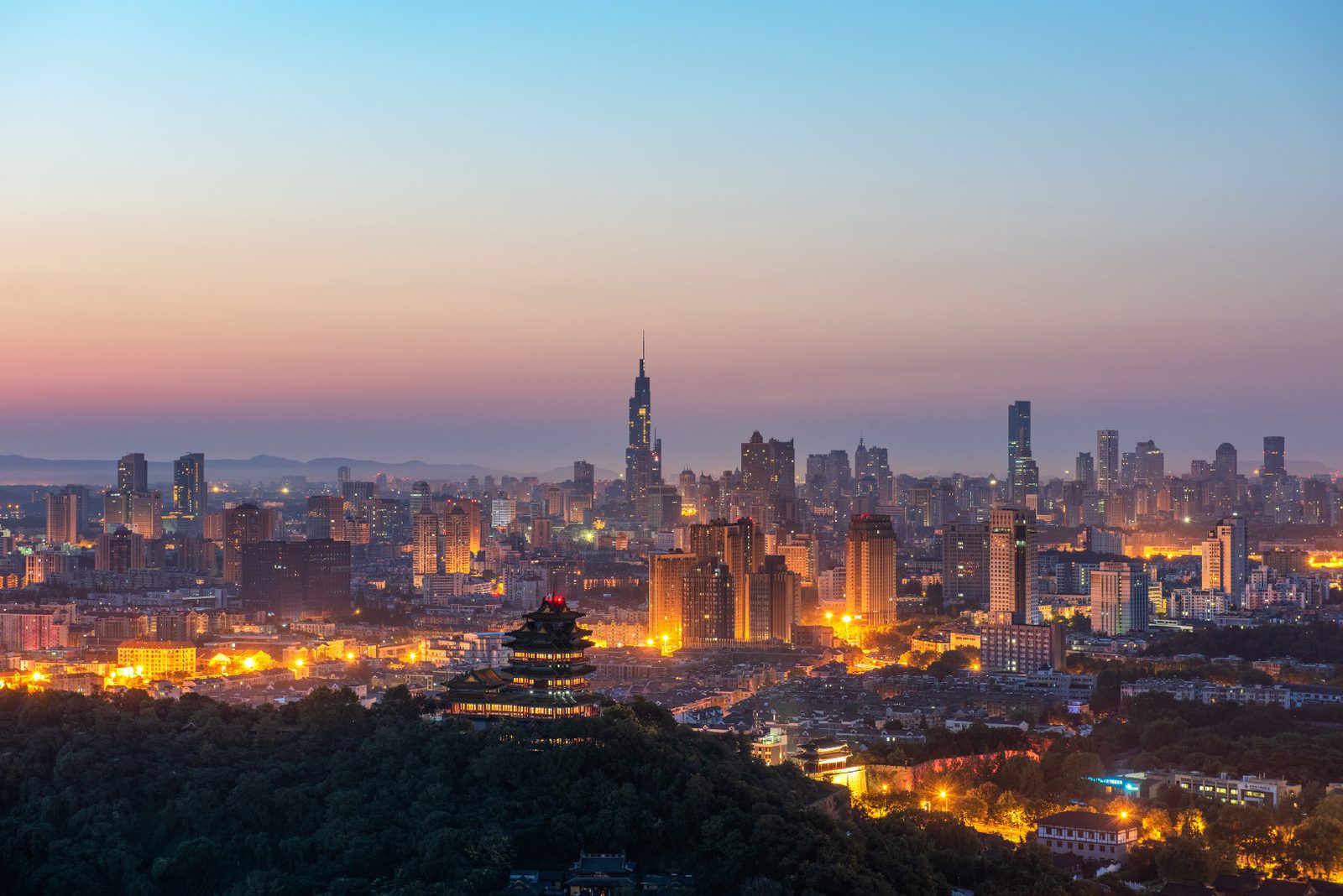
Green Expo Park
AttractionRiverside park on the 2005 Green Expo site; Dutch Garden (windmill/tulips March-April) and Left Bank Flower Sea
 37
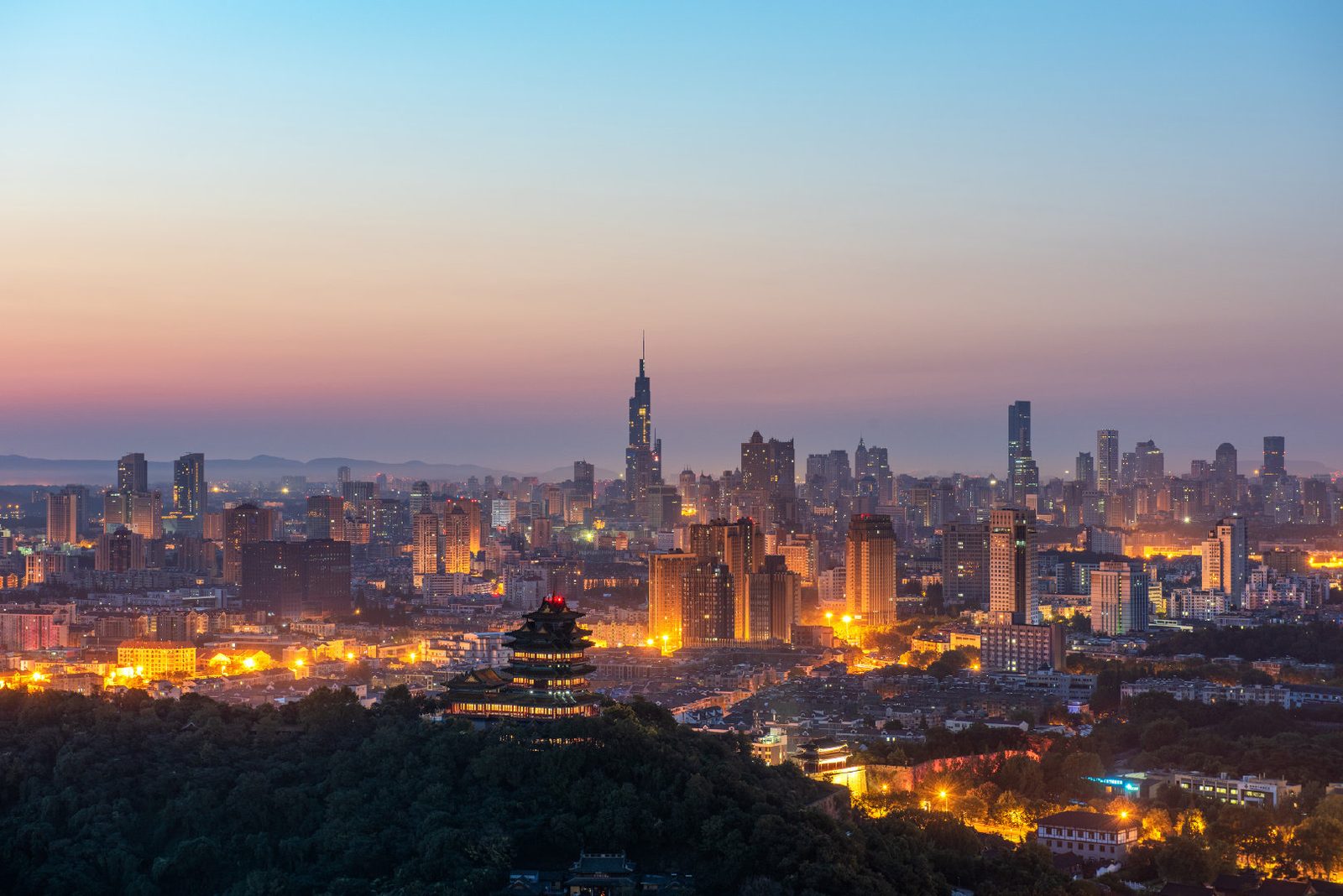
Tangshan Hot Springs · Homo Erectus Museum
AttractionFirst of China's four great hot spring resorts (developed as the "Sacred Soup" in the Southern Dynasties 1,500 years ago); Tangshan Ape Man Cave (Nanjing Homo Erectus No. 1 skull fossil, 1993)
 38
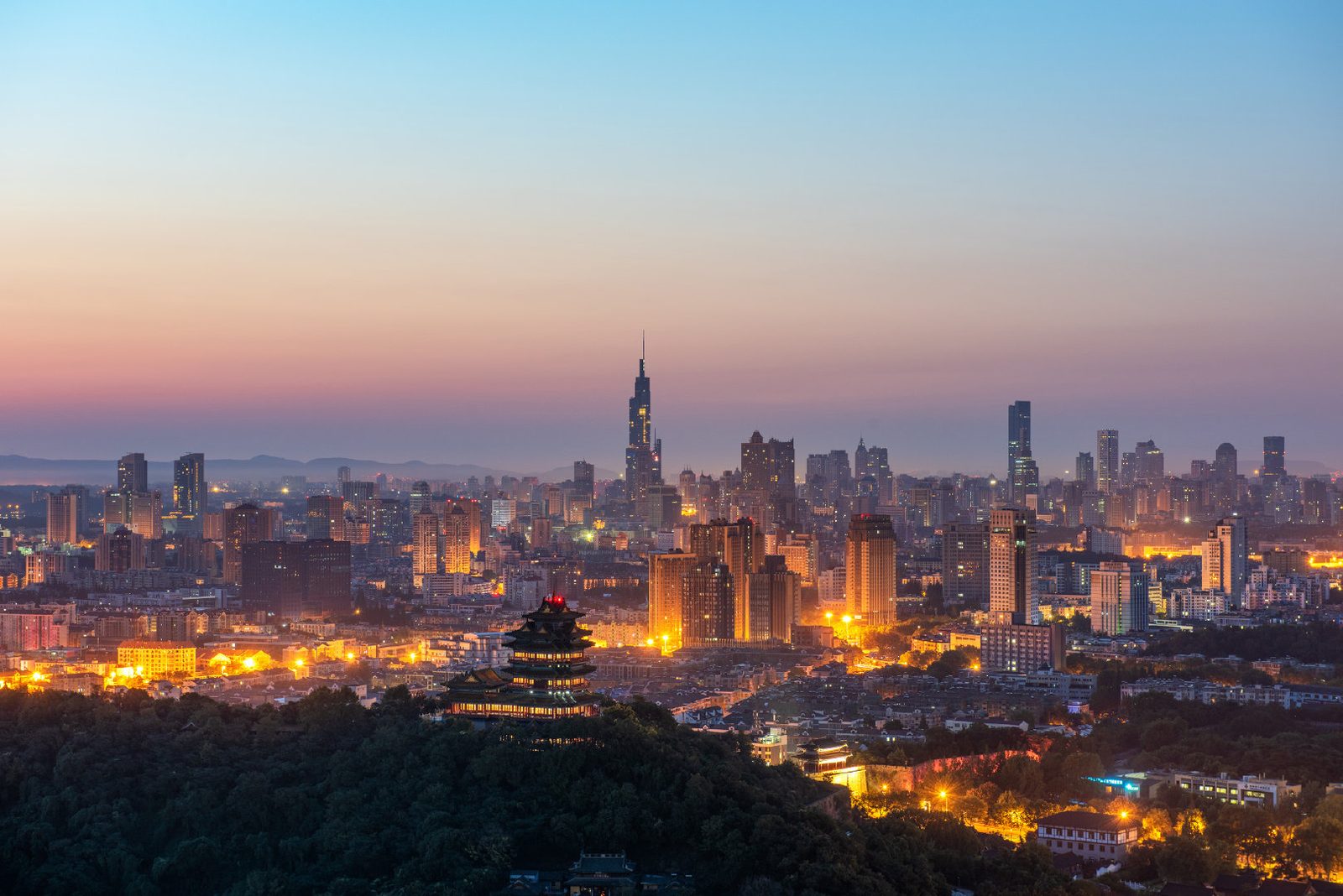
Gaochun Old Street
Attraction"First Ancient Street of Jinling" (900 m Ming-Qing commercial street); Gaochun Folk Museum / Qianlong Ancient Well
 39
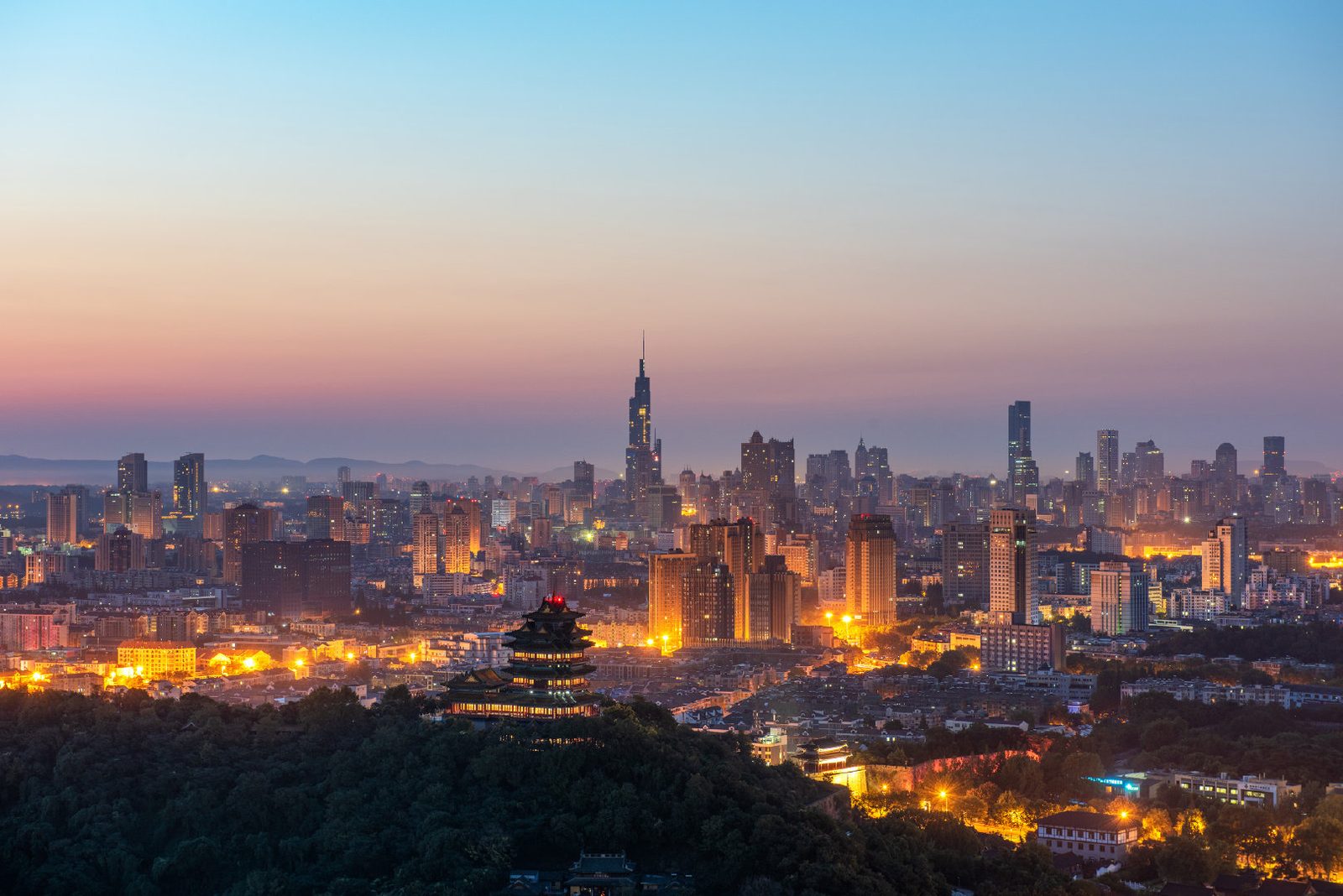
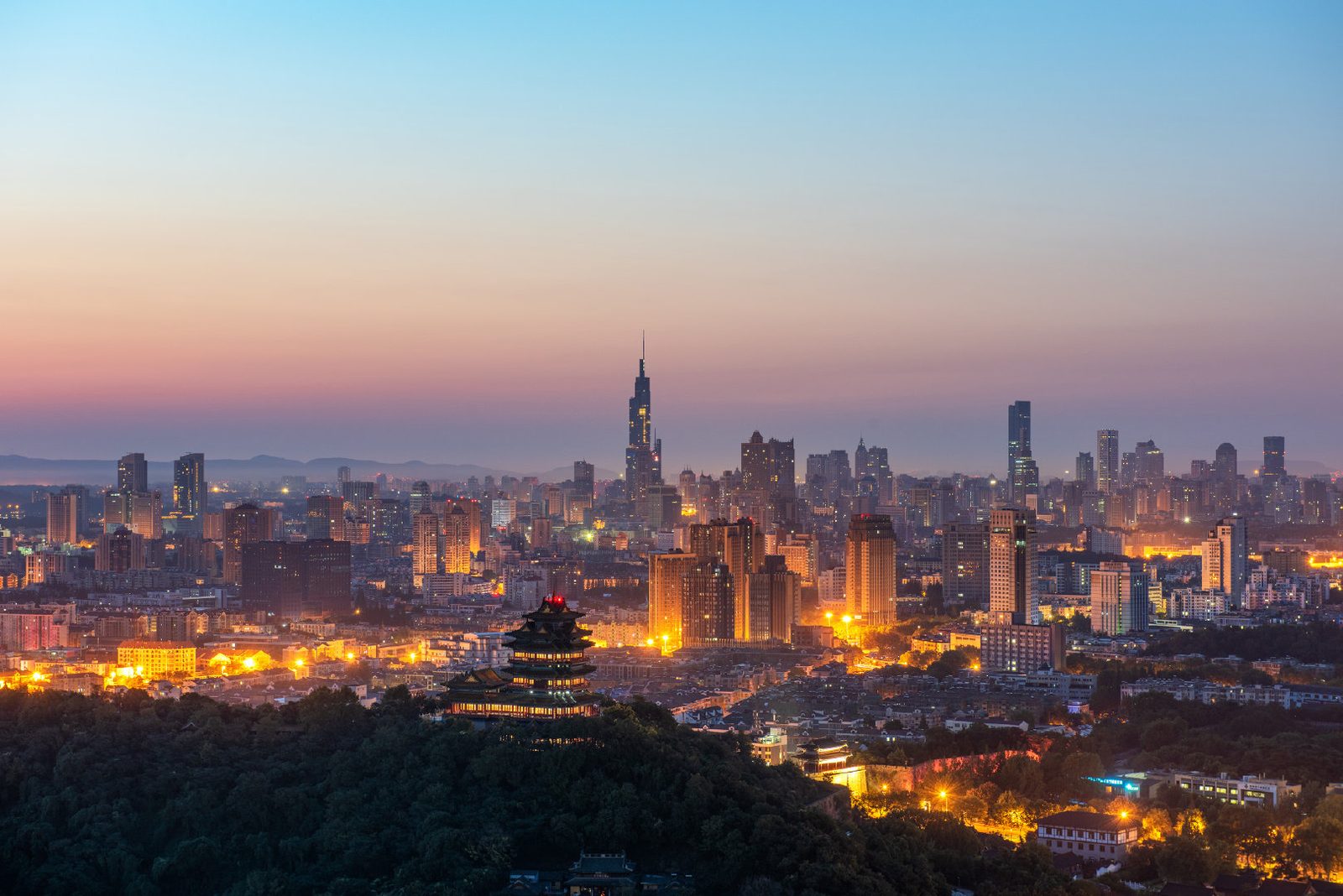
Tiansheng Bridge (Lishui)
AttractionA "naturally formed" bridge carved from rock over the man-made Yanzhi River canal in the Ming Hongwu era (built 1393, the only surviving stone-bridge marvel on a man-made canal in Jiangnan); boat rides on the Yanzhi River
 40
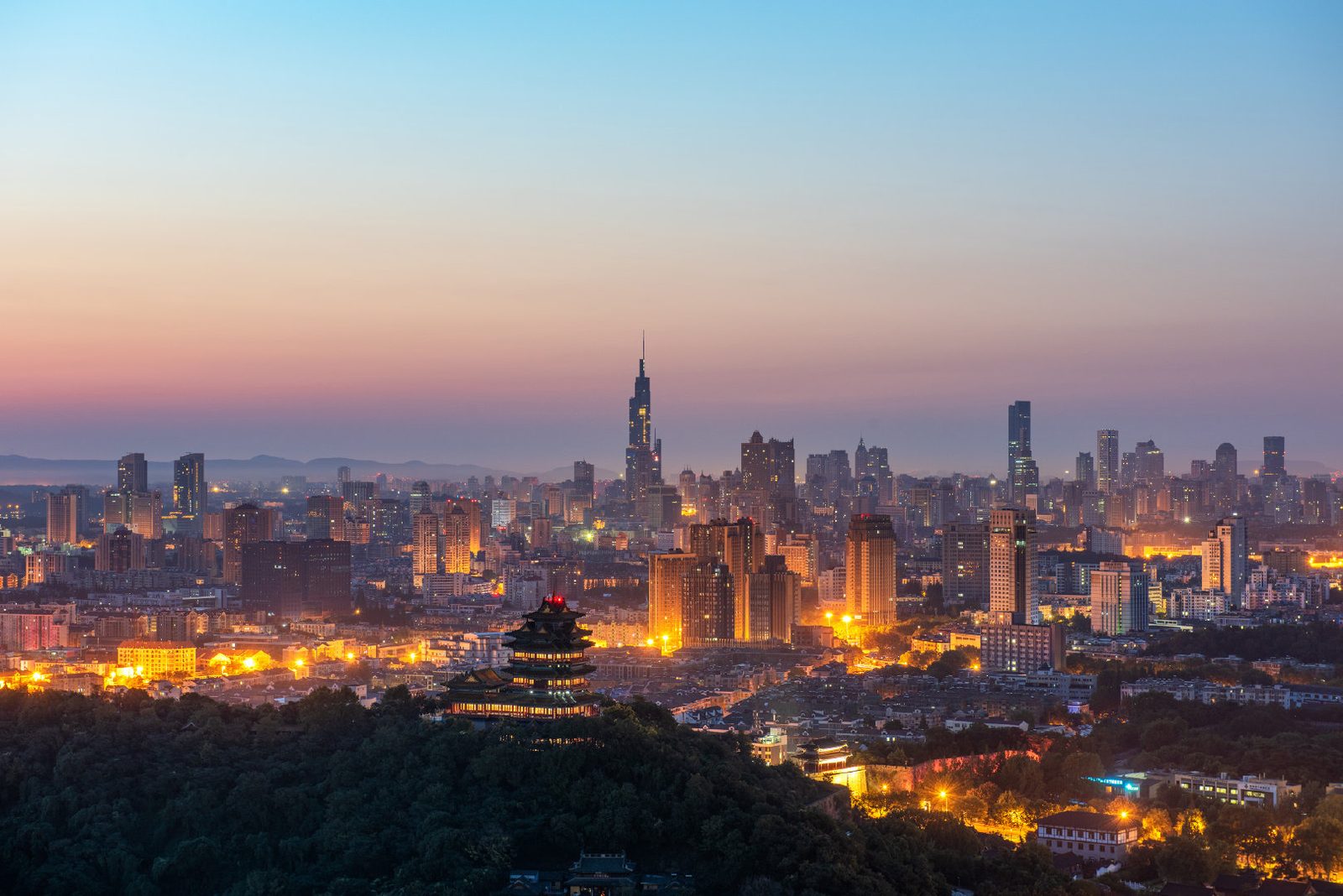
Pearl Spring · Laoshan (Pukou)
AttractionPearl Spring (bubbles rising like pearls, 'ten thousand bushels of bright pearls'), Laoshan National Forest Park (green lung of the Yangtze's north bank)
 41
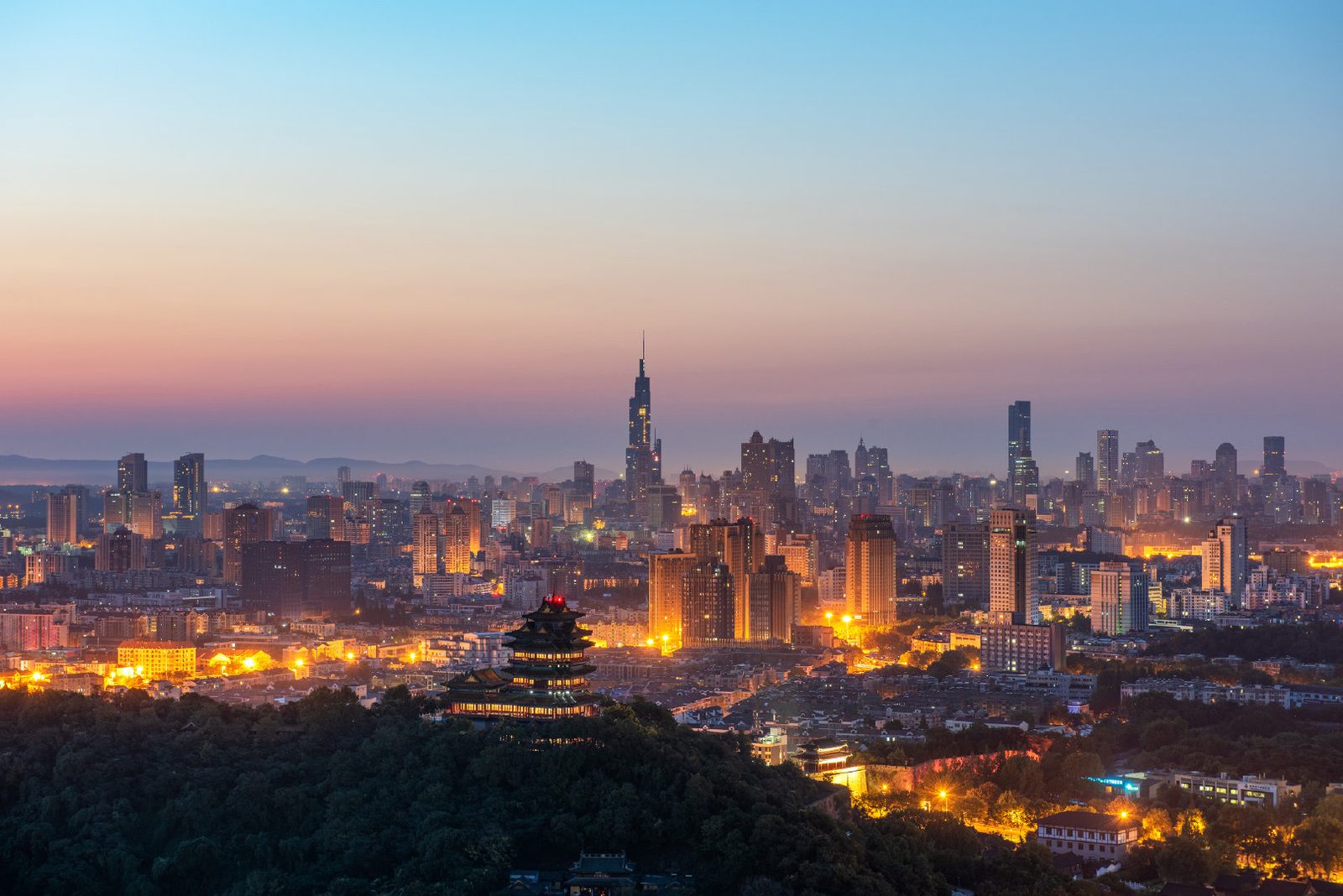
Jinniu Lake (Luhe)
AttractionJinniu Hill + reservoir (folk song collection site of 'Mo Li Hua' / Jasmine Flower), Wildlife Kingdom (drive-through zoo opened in 2019)
 42
Zhuzhen Chishan Lake (Luhe)
AttractionThousand-mu pond cypress water forest (red foliage in autumn and winter), egret birdwatching corridor, lake on the Jiangsu–Anhui border
What to eat in Nanjing
Signature dishes, famous tables and street-food runs — spice levels marked honestly.
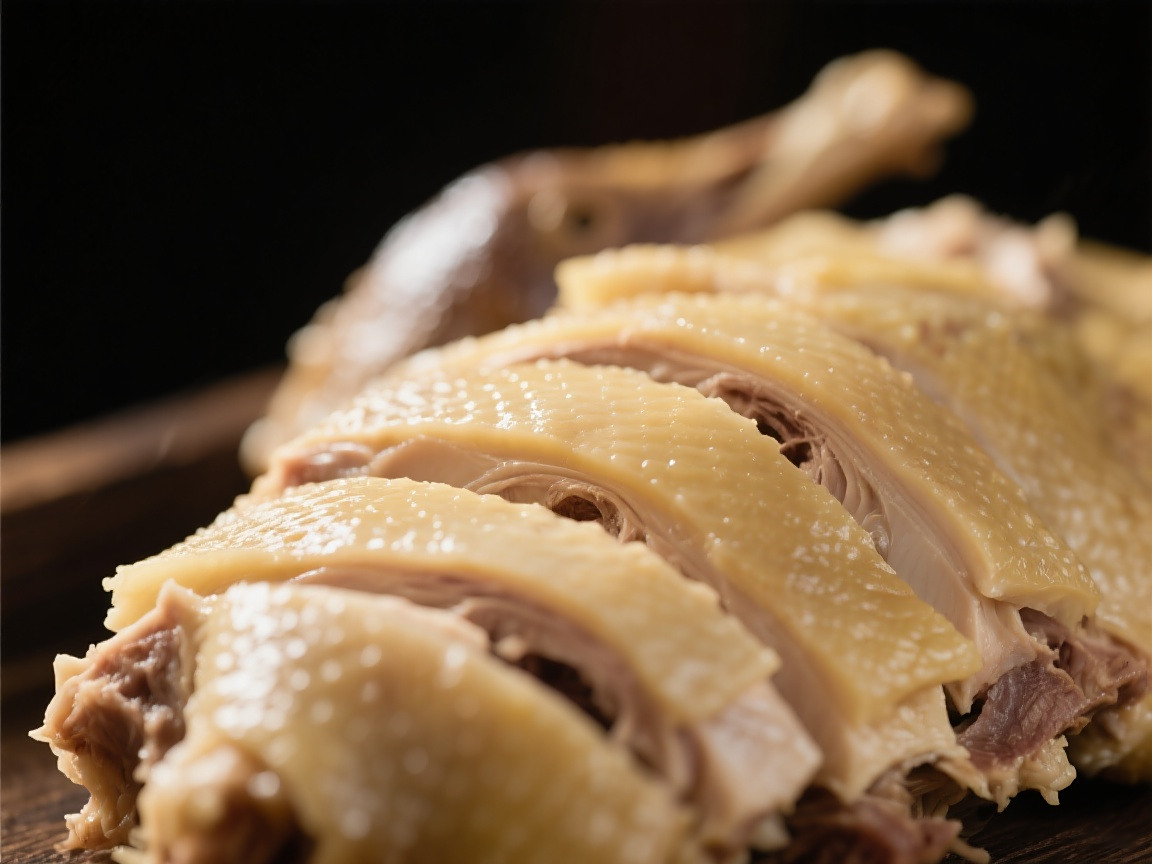
Nanjing Salted Duck
DishBrined and air-dried duck, the city's 1,000-year signature.
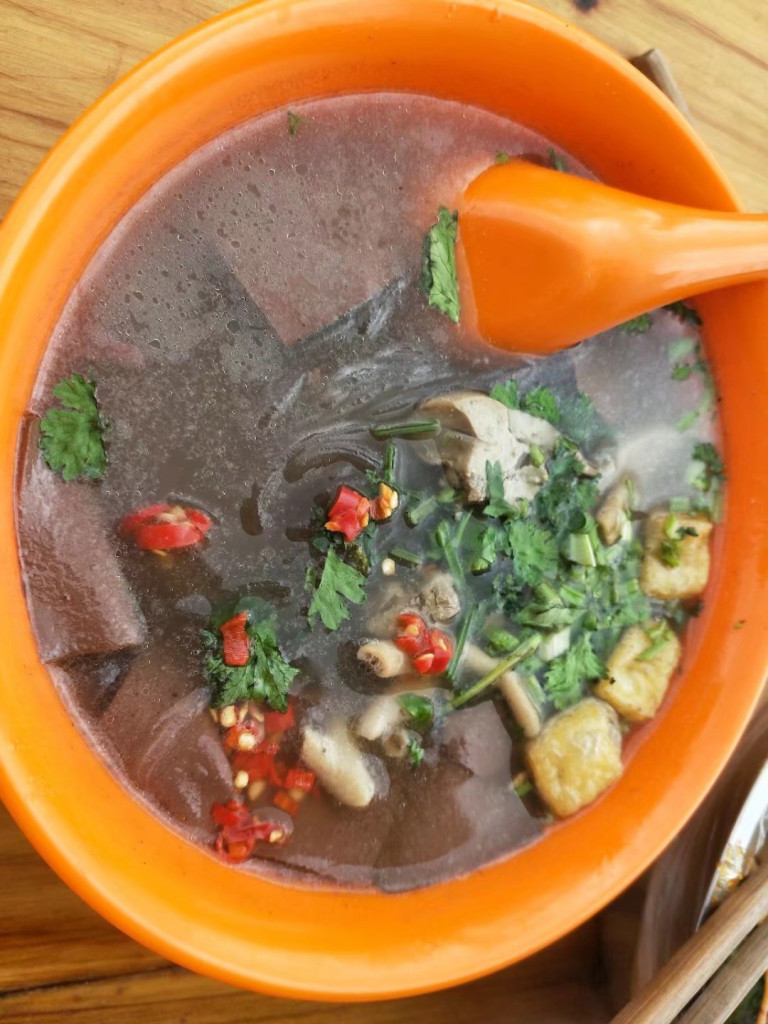
Nanjing Da Pai Dang
RestaurantRetro canteen of Nanjing classics under lanterns.
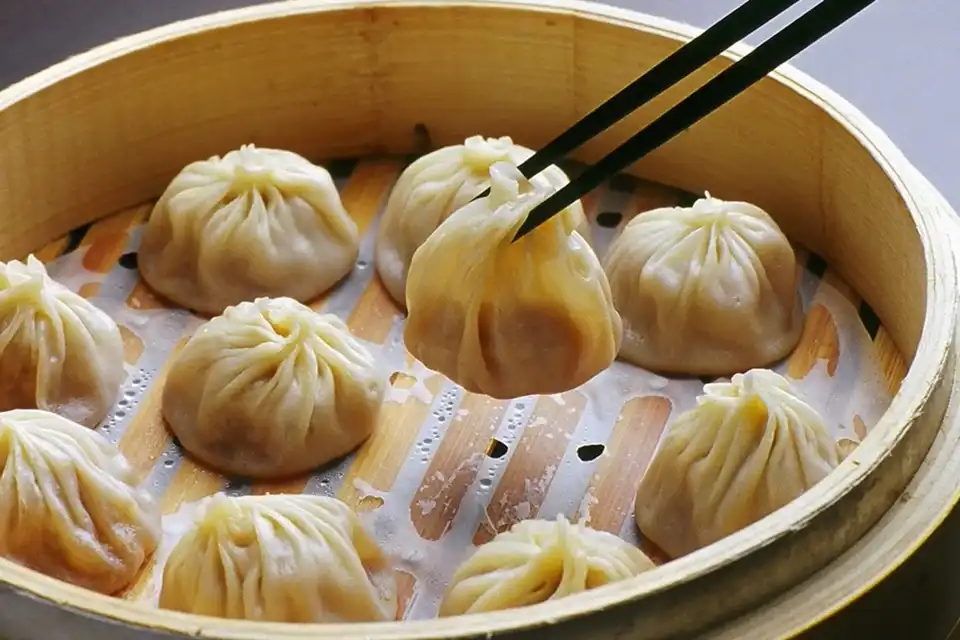
Fuzimiao Snack Quarter
Street FoodEight Quintessences snack sets along Qinhuai River.
Where to stay
- Where to Stay in Nanjing
The three areas worth sleeping in, with real price ranges.
🛏 CNY 250–700/night · 3 areas compared
Getting around
- Getting Around Nanjing
NKG airport S1 metro 40 min; 12 metro lines; city wall sights walkable from Fuzimiao with metro hops.
Want a custom Nanjing trip?
Tell us your dates — free draft plan within 24 hours.