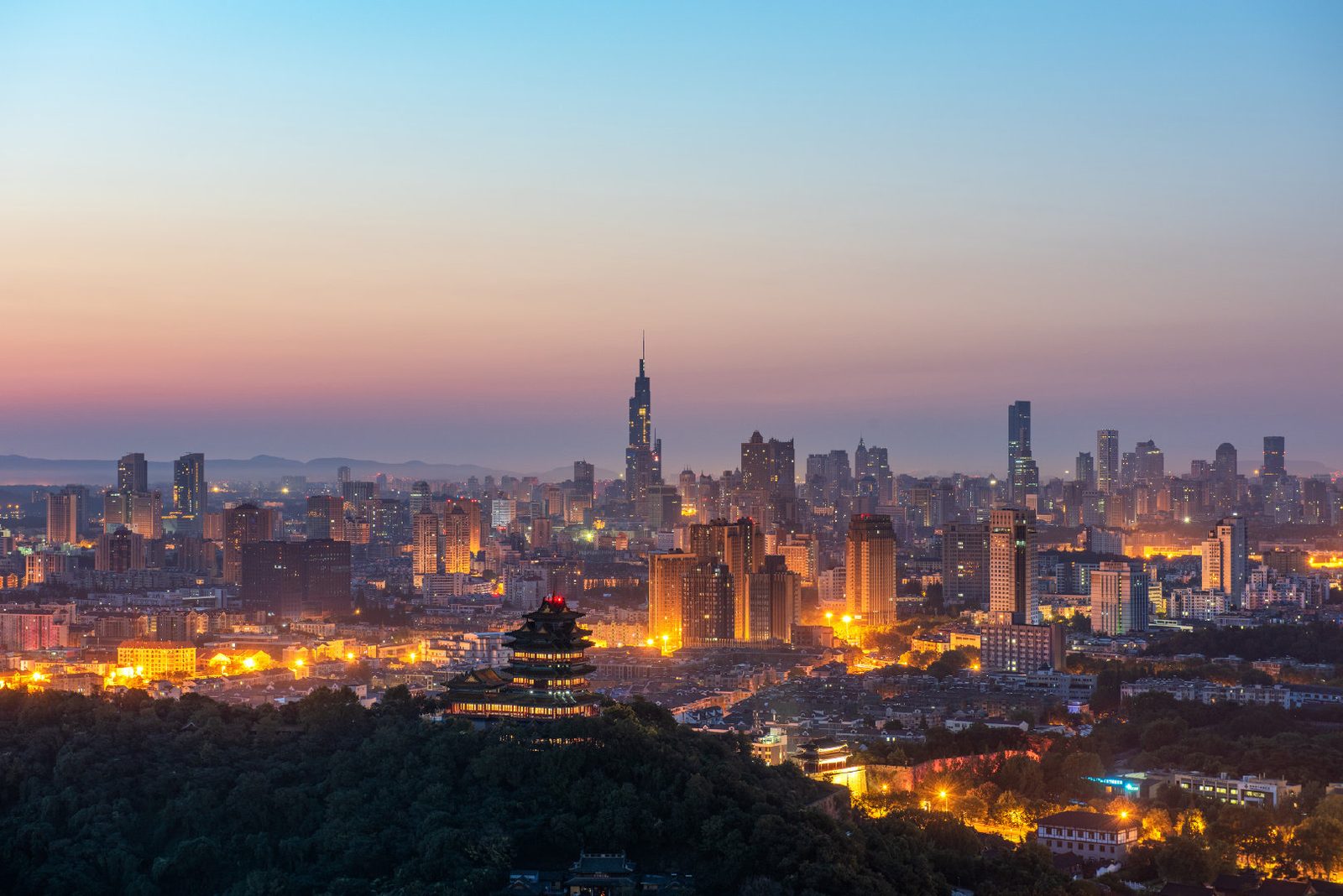
1912 Block
A quarter of converted Republican-era buildings right next to the Presidential Palace, opened in 2004; old structures such as the palace's service buildings form its skeleton, now infused with bars, dining and livehouses, as night lights and old walls strike up a dialogue between old and new
Visitor info
- Opening hours
- Open all day
- Ticket
- Free
Price is indicative — final quote on inquiry.
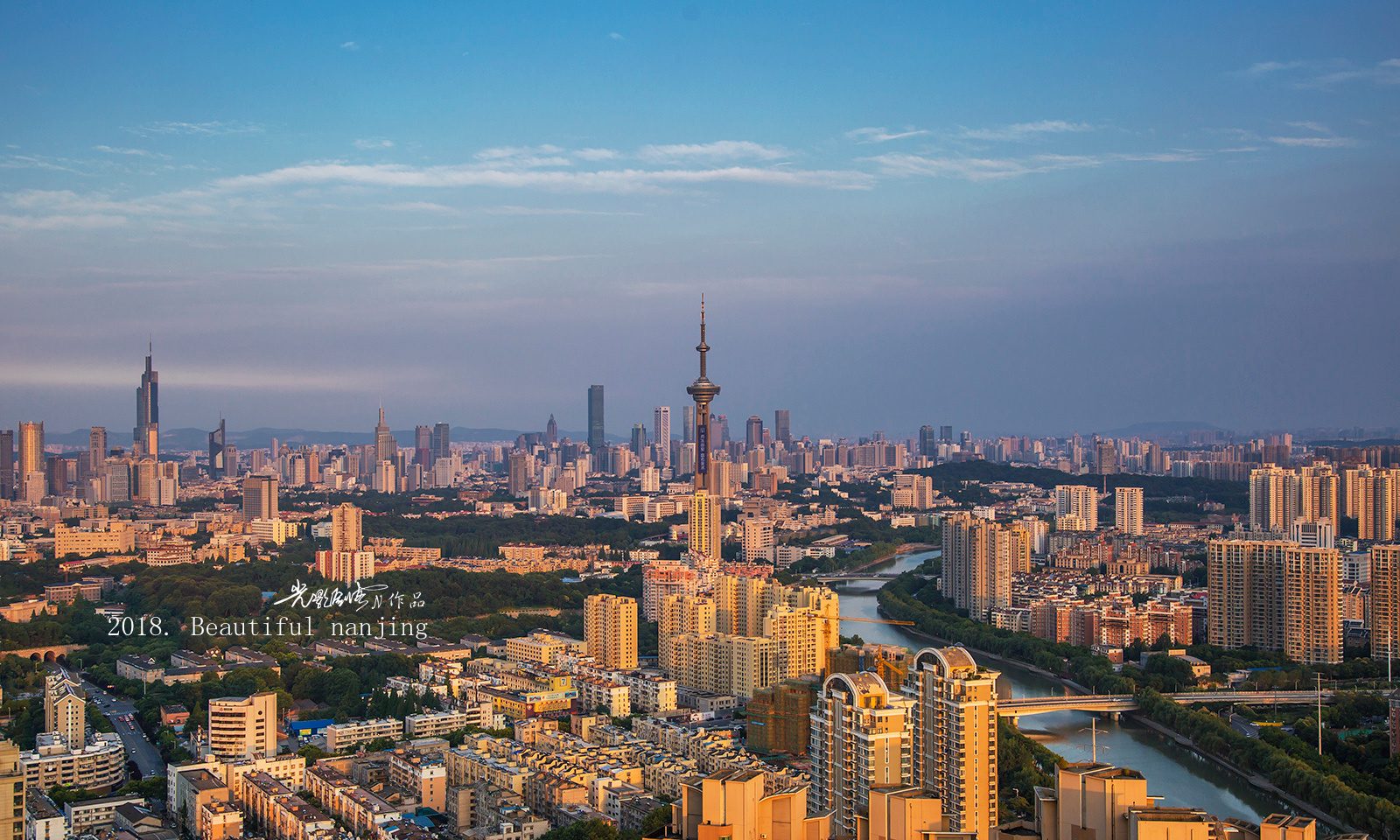
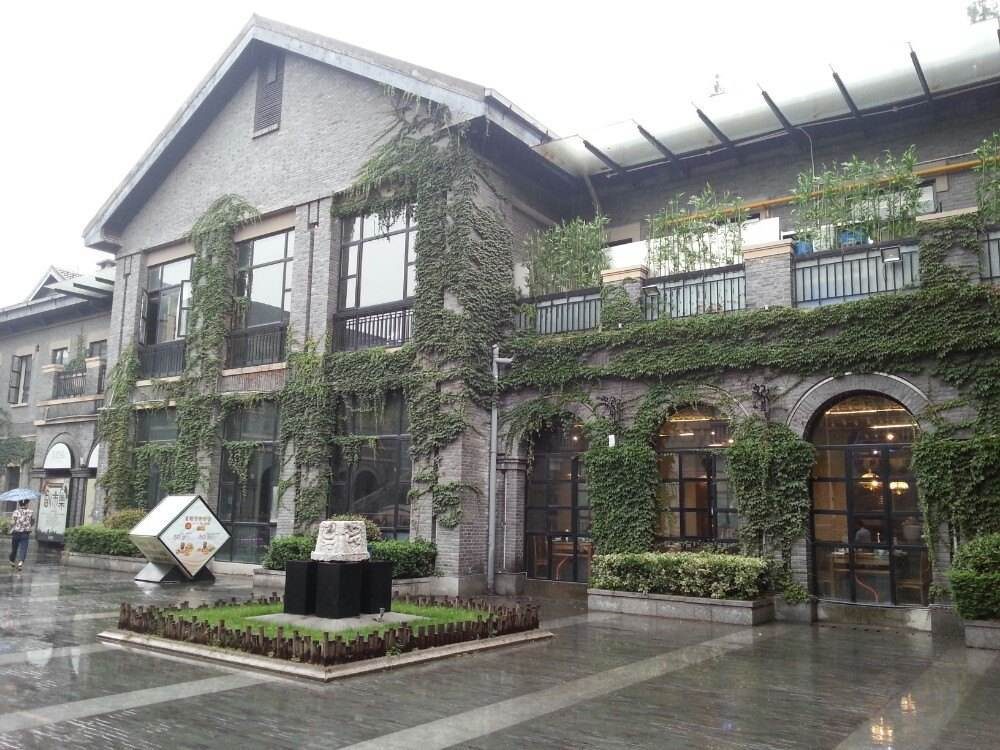
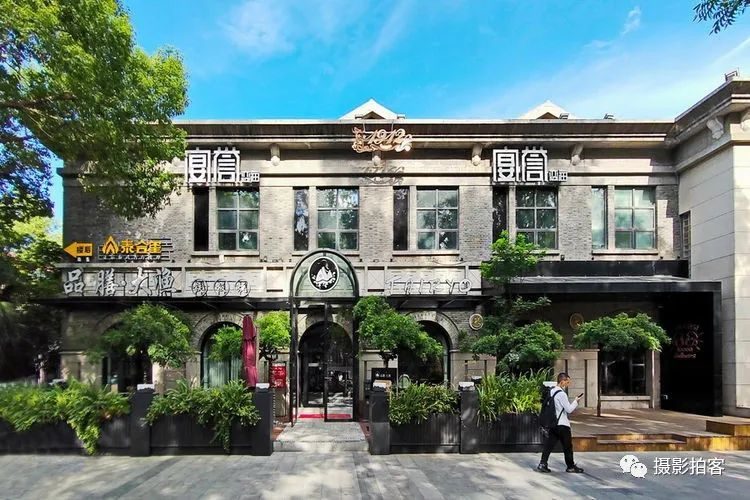
A quarter of converted Republican-era buildings right next to the Presidential Palace, opened in 2004; Republican-era old buildings such as the palace's service blocks form its skeleton, now infused with bars, dining and livehouses, as night lights and old walls strike up a dialogue between old and new. The quarter keeps the original look of Republican-era public buildings such as Honggongguan (the Red Mansion), and the neon signs on its grey-brick façades have become one of the signature images of Nanjing nightlife. The standard route: dinner here after touring the Presidential Palace, then a nightcap; quiet and good for photos by day, lively at night, showing the city's other face—one old street carries both temperaments on its shoulders.
Getting there: right next to the Presidential Palace
Photos
More in Nanjing
- Sun Yat-sen Mausoleum
392 marble steps up Purple Mountain to the father of modern China.
- Ming Xiaoling Mausoleum
Sacred Way stone animals guarding the tomb of the Ming founder.
- Confucius Temple (Fuzimiao)
Qinhuai River lantern district; night cruise past painted boats.
- Zhonghua Gate
The world's largest castle-style city gate, 27 soldier hideouts inside.
- Sun Yat-sen Mausoleum
The mausoleum of Dr. Sun Yat-sen, begun in 1926 with his remains interred in 1929. The "Liberty Bell" ground plan by young architect Lü Yanzhi won a global design competition, a milestone of modern Chinese architectural history.
- Ming Xiaoling Mausoleum
The joint tomb of Ming founder Zhu Yuanzhang and Empress Ma, begun in 1381. It pioneered the "court in front, resting quarters behind" mausoleum layout, the wellspring of the Ming-Qing imperial tomb system; in 2003 it was inscribed as a UNESCO World Heritage Site as part of the extension of the Imperial Tombs of the Ming and Qing Dynasties.