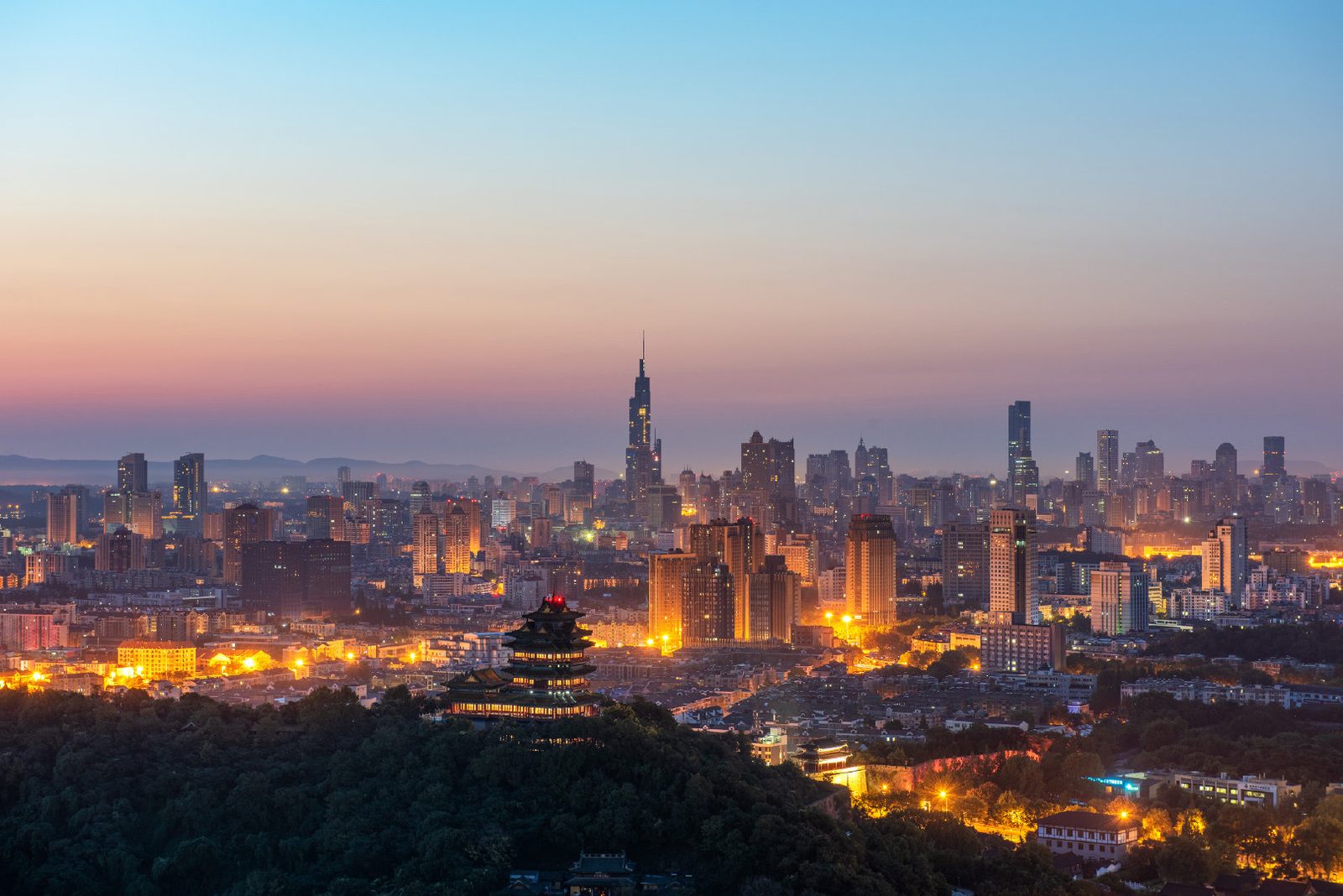
Dabaoen Temple Ruins Park
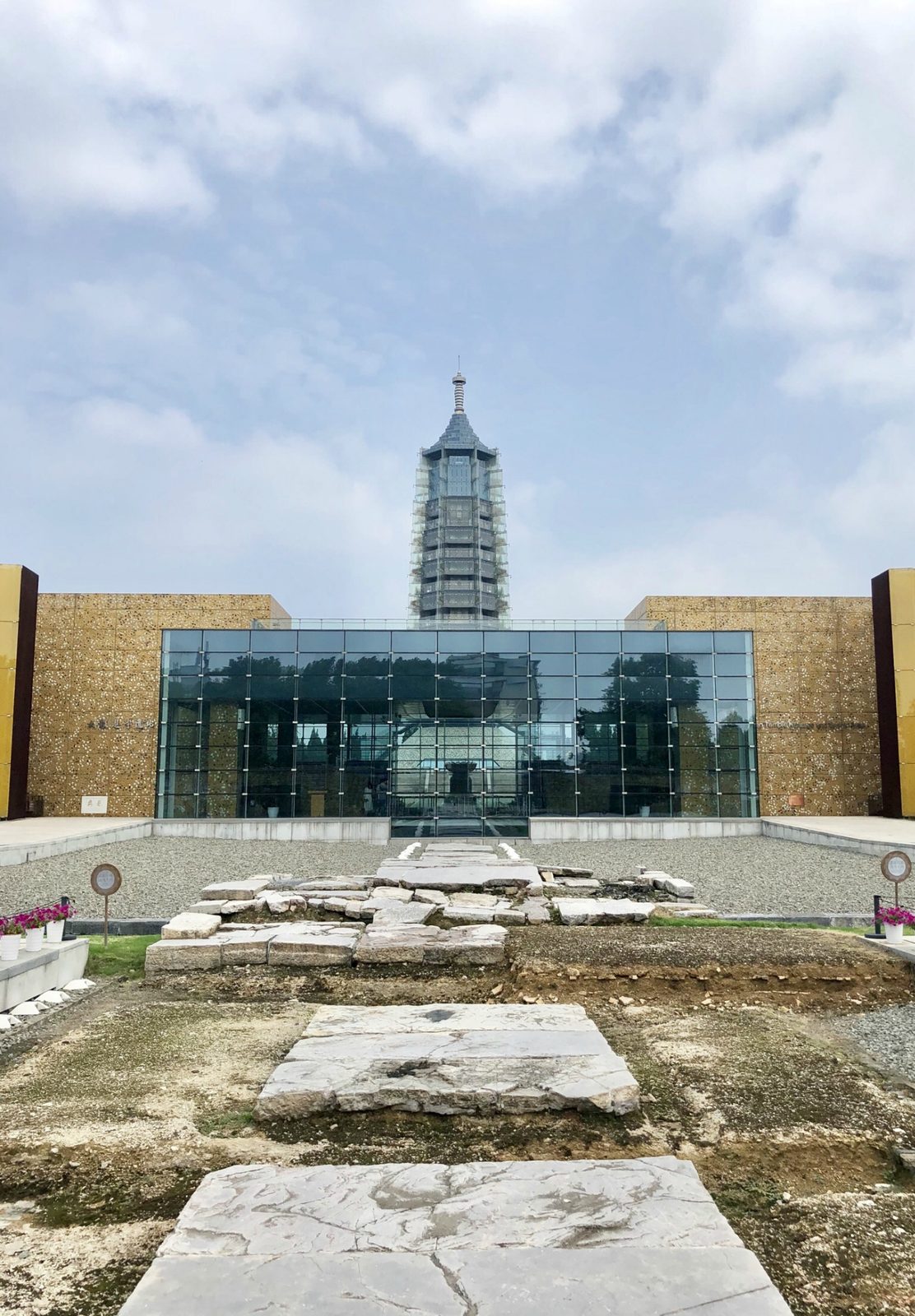
The former site of Dabaoen Temple, rebuilt by Ming Emperor Yongle (Zhu Di) in gratitude to his mother; construction of its glazed pagoda began in 1412 — nearly 78 m tall, nine stories and eight sides, sheathed entirely in glazed tiles — and Western visitors ranked it among the Seven Wonders of the Medieval World; destroyed by war in 1856
Visitor info
- Opening hours
- 09:00-17:30
- Ticket
- CNY 90
Price is indicative — final quote on inquiry.
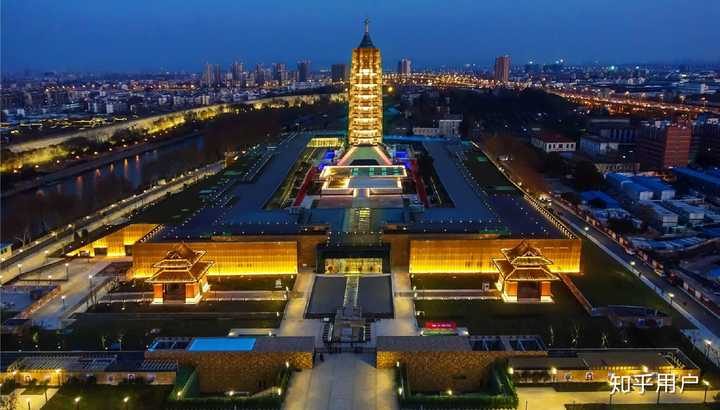
The former site of Dabaoen Temple, rebuilt by Ming Emperor Yongle (Zhu Di) in gratitude for his mother's kindness; construction of its glazed pagoda began in 1412 — nearly 78 meters tall, nine stories and eight sides, sheathed entirely in glazed tiles — and Western visitors ranked it among the Seven Wonders of the Medieval World before it was destroyed by war in 1856. After the site was preserved in situ, the park opened in 2015; a lightweight reconstruction re-creates the pagoda's night lighting, its reflection in the Qinhuai River becoming a new landmark. The underground palace yielded the Seven-Treasure Ashoka Stupa and a gilded silver coffin — discoveries of national-treasure grade tied to the parietal-bone relic of the Buddha. The exhibition halls tell 'the past and present of the Glazed Pagoda' with modern displays; seeing the pagoda lit up at night is the crowning moment of a Qinhuai itinerary.
Getting there: Next to Zhonghua Gate
Photos
More in Nanjing
- Sun Yat-sen Mausoleum
392 marble steps up Purple Mountain to the father of modern China.
- Ming Xiaoling Mausoleum
Sacred Way stone animals guarding the tomb of the Ming founder.
- Confucius Temple (Fuzimiao)
Qinhuai River lantern district; night cruise past painted boats.
- Zhonghua Gate
The world's largest castle-style city gate, 27 soldier hideouts inside.
- Sun Yat-sen Mausoleum
The mausoleum of Dr. Sun Yat-sen, begun in 1926 with his remains interred in 1929. The "Liberty Bell" ground plan by young architect Lü Yanzhi won a global design competition, a milestone of modern Chinese architectural history.
- Ming Xiaoling Mausoleum
The joint tomb of Ming founder Zhu Yuanzhang and Empress Ma, begun in 1381. It pioneered the "court in front, resting quarters behind" mausoleum layout, the wellspring of the Ming-Qing imperial tomb system; in 2003 it was inscribed as a UNESCO World Heritage Site as part of the extension of the Imperial Tombs of the Ming and Qing Dynasties.