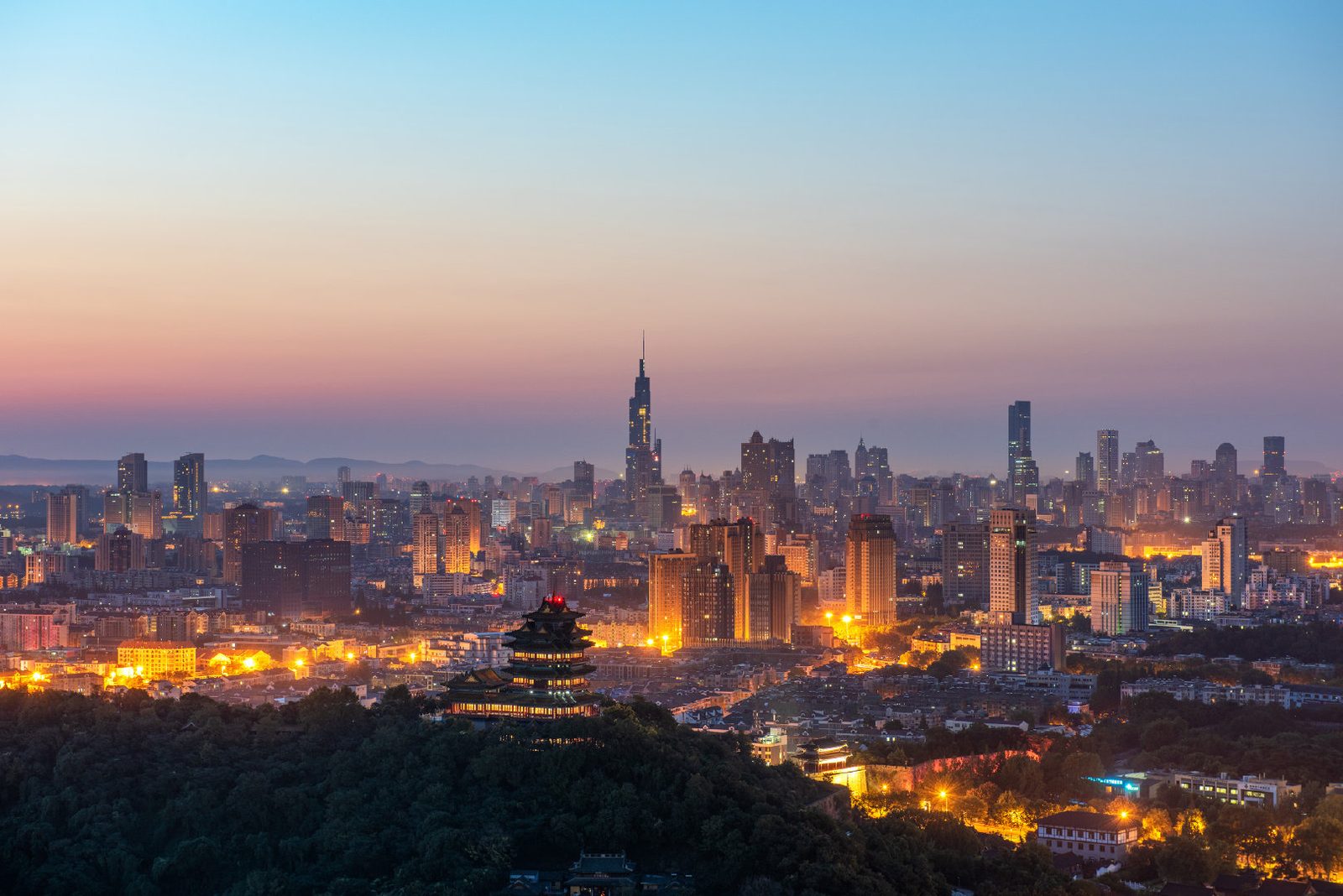
Confucius Temple & Qinhuai River
The heart of Nanjing's history and culture: the Temple of King Wenxuan was relocated to this former site of an Eastern Jin academy in 1034 (first year of the Northern Song's Jingyou era), forming a millennium-old 'temple-and-market' layout back to back with the Jiangnan Examination Hall
Visitor info
- Opening hours
- Open all day (cruises 09:00-22:00)
- Ticket
- Area free · Dacheng Hall CNY 30 · River cruise CNY 80
Price is indicative — final quote on inquiry.
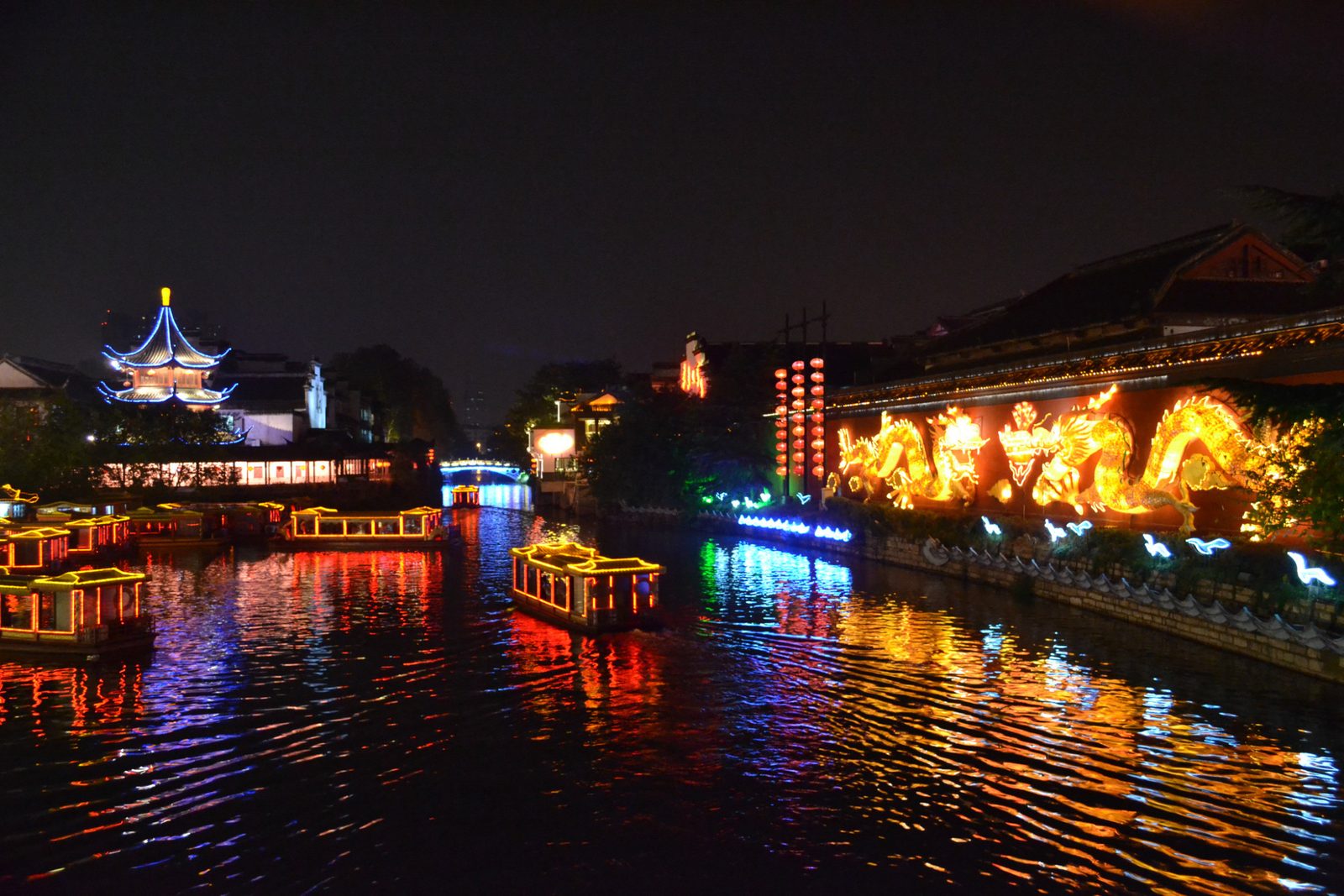
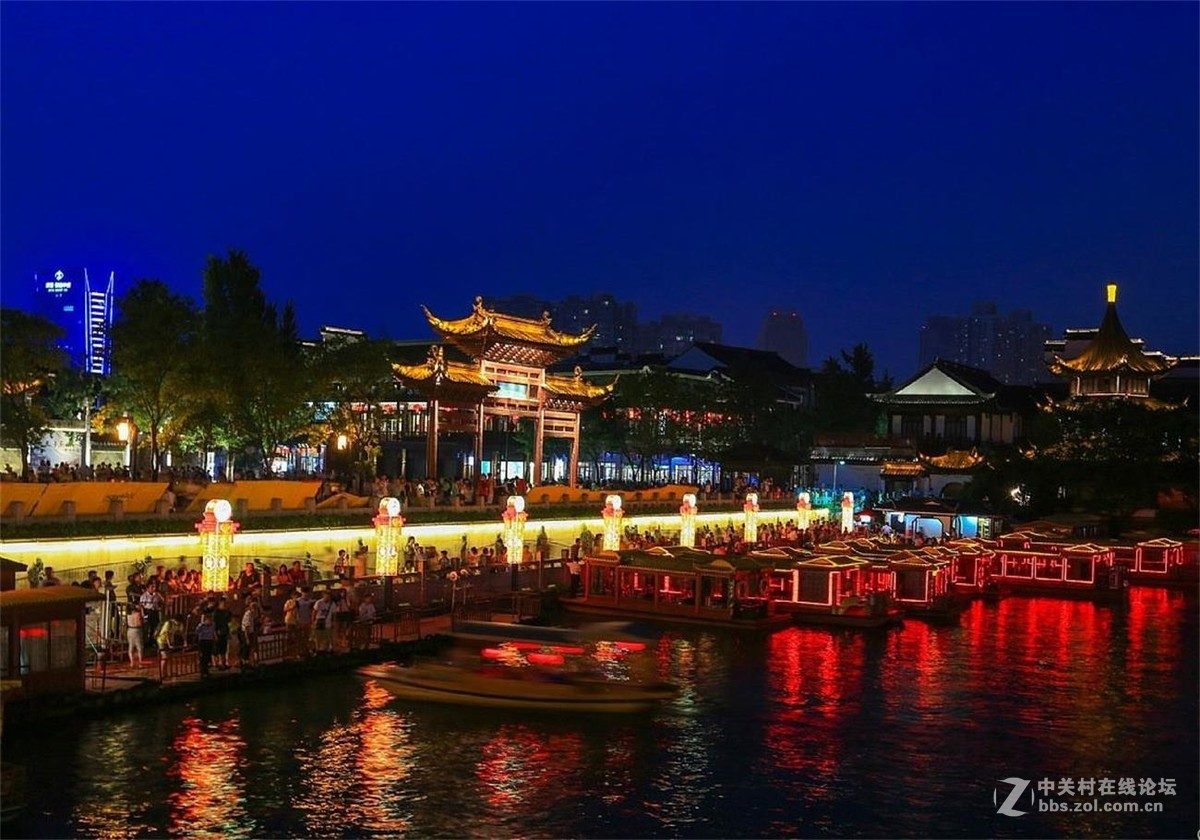
The heart of Nanjing's history and culture: on the site of an Eastern Jin academy, the Temple of King Wenxuan was relocated here in the first Jingyou year of the Northern Song (1034), forming back to back with the Jiangnan Examination Hall a millennium-old 'temple-and-market-as-one' layout. The Jiangnan Examination Hall was ancient China's largest imperial examination venue, able to hold more than 20,000 candidates at its peak, with Mingyuan Tower still standing guard at its center; on its ruins now rises the China Imperial Examination Museum, whose four-story underground 'sunken book-case' design recounts a thousand years of the imperial examinations — breathtaking to behold. When night falls, painted pleasure boats set off from the Pan Pool wharf, gliding past Zhuque Bridge and Wuyi Lane (the former home of the Wang and Xie clans from Liu Yuxi's poem) amid the sound of oars and lantern light — the very scene captured in Zhu Ziqing's and Yu Pingbo's essays of the same title, 'The Qinhuai River in the Sound of Oars and the Shadow of Lanterns'; Bailuzhou Park and the Confucius Temple shopping district lantern fair (its Spring Festival lantern fair is nationally famous) offer two different ways to enjoy the area, by day and by night.
Getting there: Metro Line 3, Fuzimiao Station
Photos
More in Nanjing
- Sun Yat-sen Mausoleum
392 marble steps up Purple Mountain to the father of modern China.
- Ming Xiaoling Mausoleum
Sacred Way stone animals guarding the tomb of the Ming founder.
- Confucius Temple (Fuzimiao)
Qinhuai River lantern district; night cruise past painted boats.
- Zhonghua Gate
The world's largest castle-style city gate, 27 soldier hideouts inside.
- Sun Yat-sen Mausoleum
The mausoleum of Dr. Sun Yat-sen, begun in 1926 with his remains interred in 1929. The "Liberty Bell" ground plan by young architect Lü Yanzhi won a global design competition, a milestone of modern Chinese architectural history.
- Ming Xiaoling Mausoleum
The joint tomb of Ming founder Zhu Yuanzhang and Empress Ma, begun in 1381. It pioneered the "court in front, resting quarters behind" mausoleum layout, the wellspring of the Ming-Qing imperial tomb system; in 2003 it was inscribed as a UNESCO World Heritage Site as part of the extension of the Imperial Tombs of the Ming and Qing Dynasties.