
Gaochun Old Street
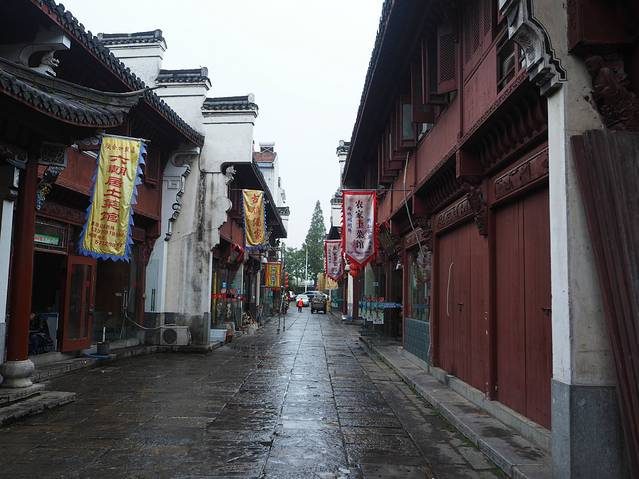
"First Ancient Street of Jinling" (900 m Ming-Qing commercial street); Gaochun Folk Museum / Qianlong Ancient Well
Visitor info
- Opening hours
- Open all day
- Ticket
- Free (some halls charge)
Price is indicative — final quote on inquiry.
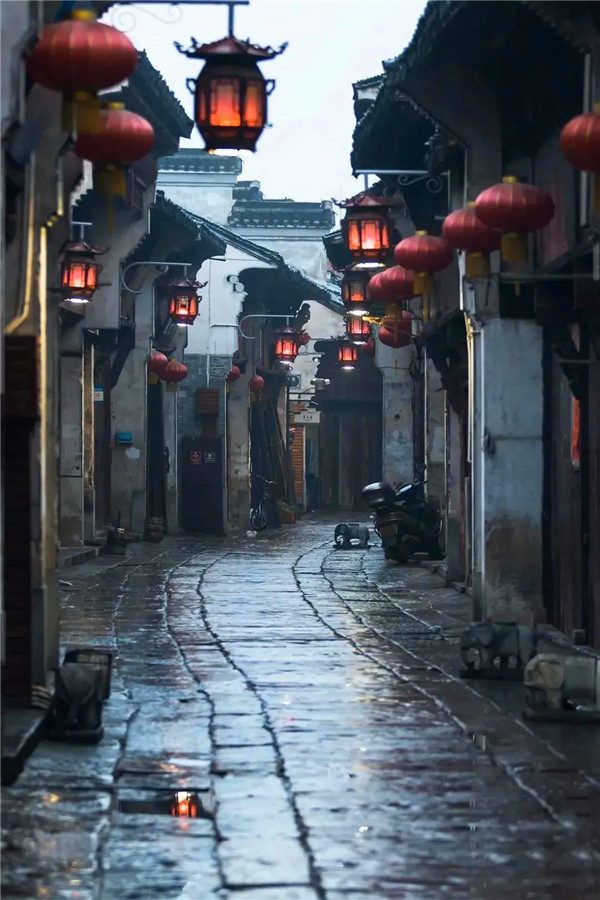
"First Ancient Street of Jinling" (900 m of Ming-Qing commercial street); Gaochun Folk Museum / Qianlong Ancient Well; the neighboring Yaxi International Slow City (China's first International Slow City, 48 km²). Begun in the Ming dynasty and taking shape in the Qing, the 900-meter bluestone street is lined on both sides with late-Qing-style shops and residences; rows of horse-head walls and wooden counters preserve the complete fabric of an old market town, earning it the name "First Ancient Street of Jinling." The Gaochun Folk Museum, the Qianlong Ancient Well and the former Gaochun office of the New Fourth Army are scattered along the street; during Gucheng Lake crab season (October-November) crab restaurants perfume the street — the reason Nanjing locals make a special trip here in autumn. East of the old street, Yaxi Town is China's first "International Slow City," with 48 km² of hilly countryside known for slow travel, slow food and slow living.
Getting there: Metro Line S9, Gaochun Station, then transfer to bus
Photos
More in Nanjing
- Sun Yat-sen Mausoleum
392 marble steps up Purple Mountain to the father of modern China.
- Ming Xiaoling Mausoleum
Sacred Way stone animals guarding the tomb of the Ming founder.
- Confucius Temple (Fuzimiao)
Qinhuai River lantern district; night cruise past painted boats.
- Zhonghua Gate
The world's largest castle-style city gate, 27 soldier hideouts inside.
- Sun Yat-sen Mausoleum
The mausoleum of Dr. Sun Yat-sen, begun in 1926 with his remains interred in 1929. The "Liberty Bell" ground plan by young architect Lü Yanzhi won a global design competition, a milestone of modern Chinese architectural history.
- Ming Xiaoling Mausoleum
The joint tomb of Ming founder Zhu Yuanzhang and Empress Ma, begun in 1381. It pioneered the "court in front, resting quarters behind" mausoleum layout, the wellspring of the Ming-Qing imperial tomb system; in 2003 it was inscribed as a UNESCO World Heritage Site as part of the extension of the Imperial Tombs of the Ming and Qing Dynasties.