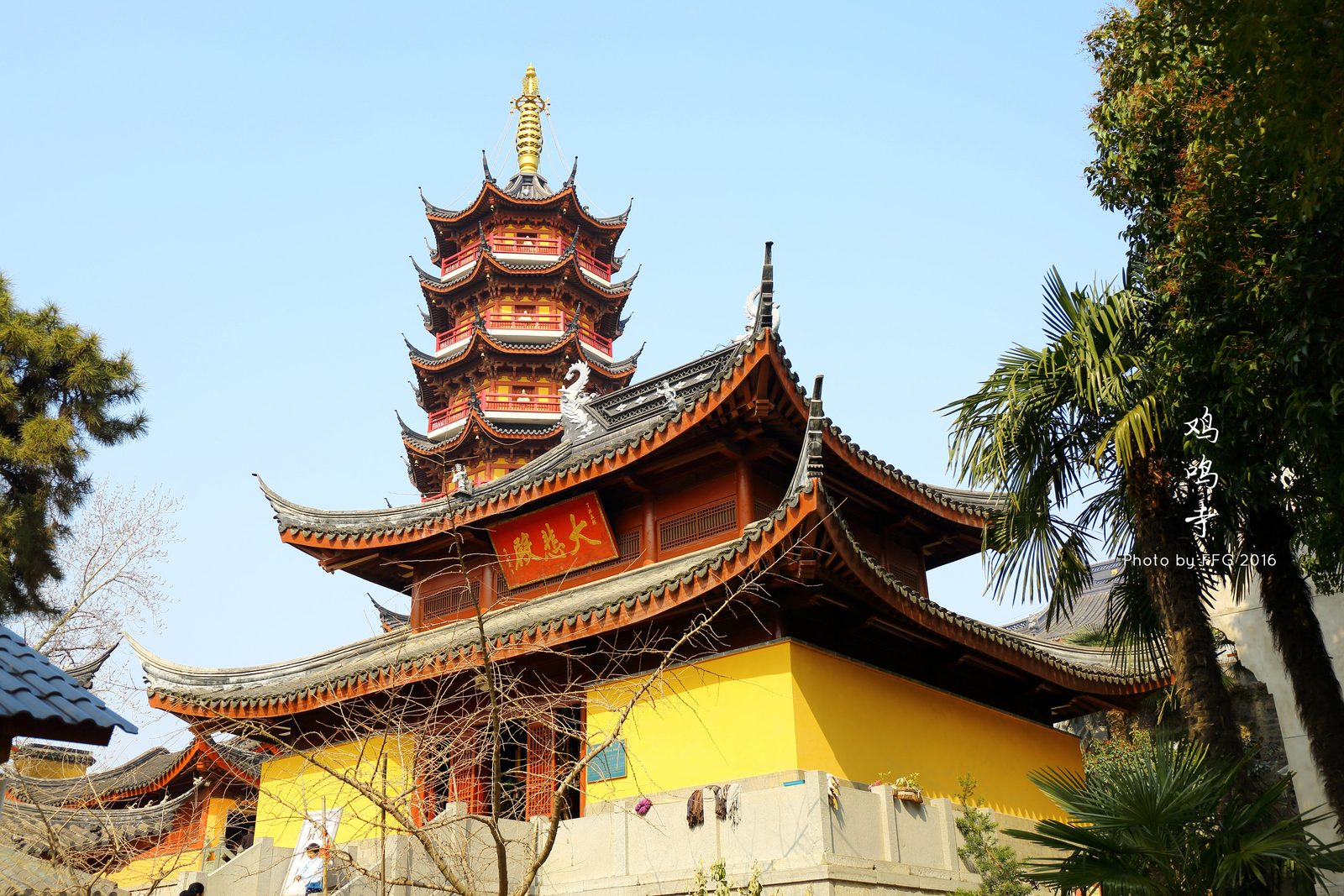
Jiming Temple
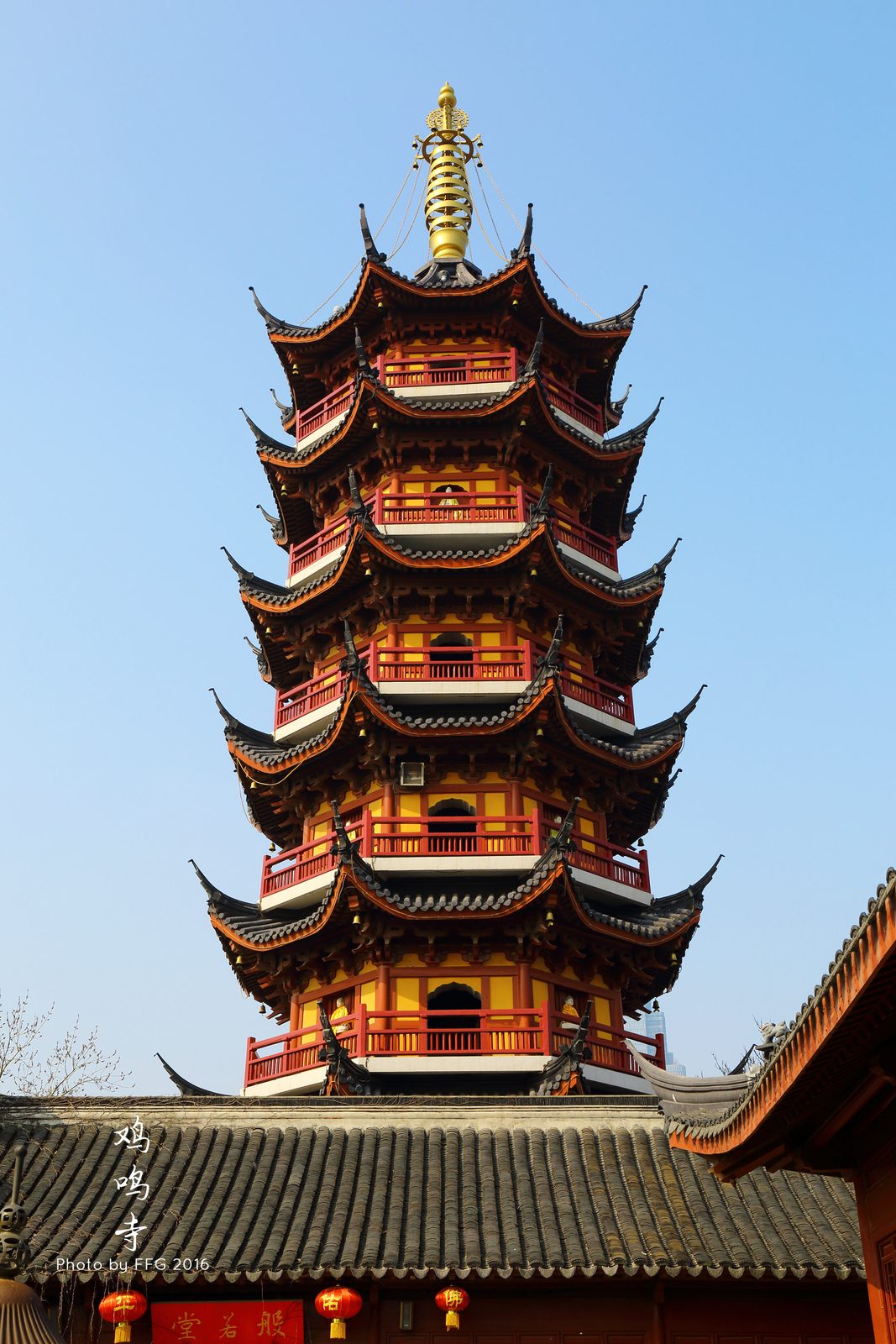
Continuation of Tongtai Temple founded in the Western Jin (Emperor Wu of Liang "became a monk" here four times); rebuilt as "Jiming Temple" in the Ming Hongwu era; 44.8 m Medicine Buddha Pagoda
Visitor info
- Opening hours
- 07:00-17:30
- Ticket
- CNY 10
Price is indicative — final quote on inquiry.
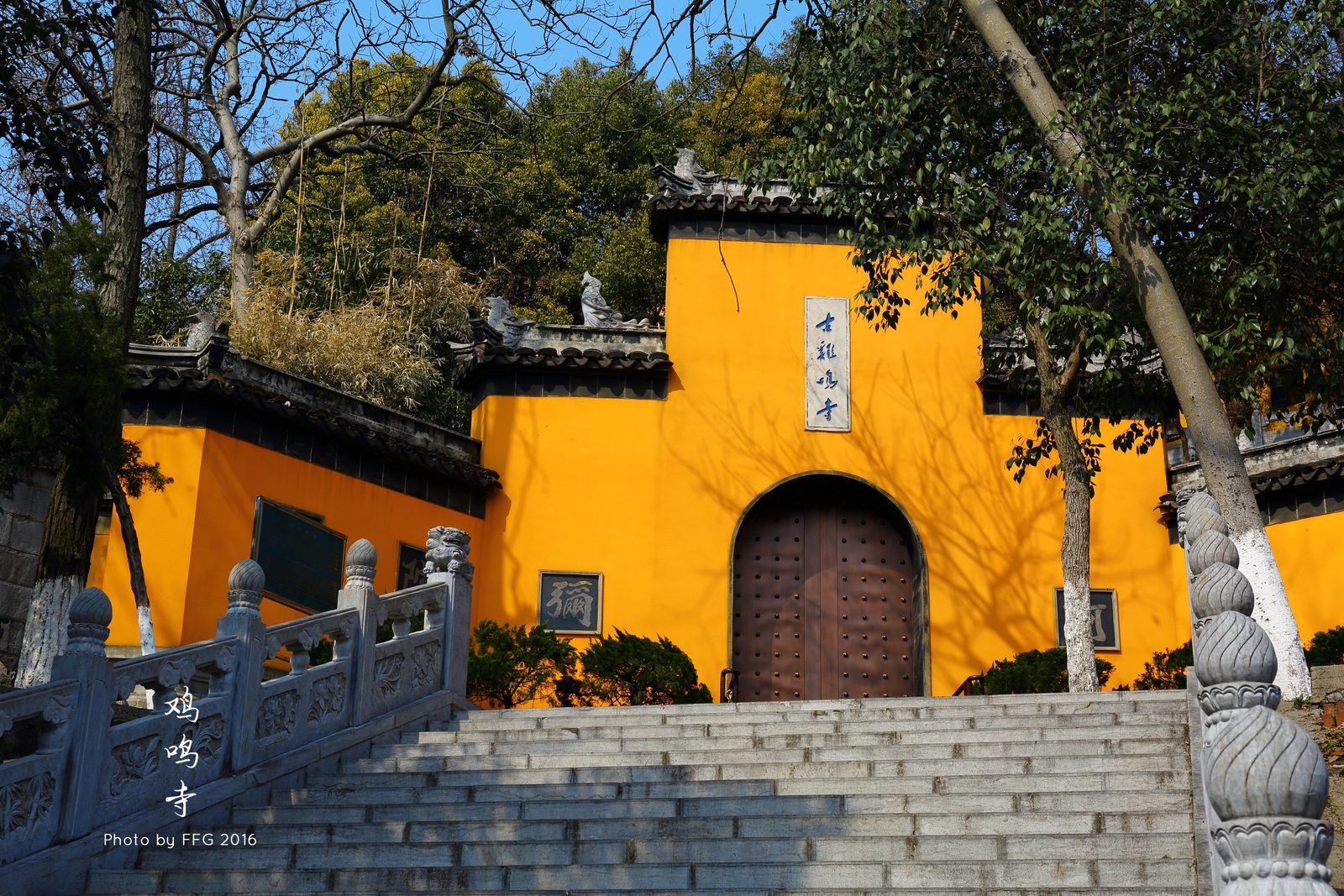
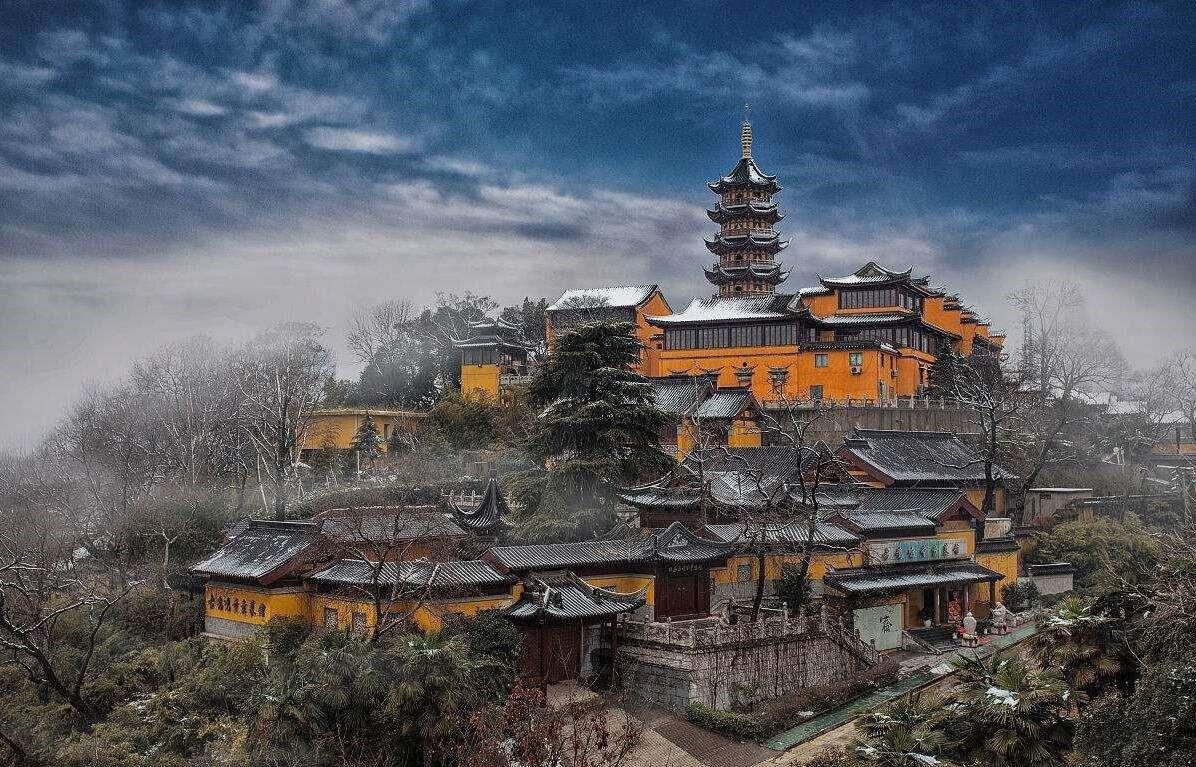
A continuation of Tongtai Temple, founded in the Western Jin dynasty (where Emperor Wu of Liang "became a monk" four times); rebuilt as "Jiming Temple" in the Ming Hongwu era; the 44.8 m Medicine Buddha Pagoda and the nationally famous spring cherry blossom avenue (cherry trees for 1 km from Jiefang Gate to the temple gate). As the foremost of the "480 temples of the Southern Dynasties", its incense has burned uninterrupted to this day, and the tale of Emperor Wu of Liang "renouncing the throne as a monk" here four times gives the old temple a legendary tint; from the windows of Guanyin Lou and Huomeng Lou you can look down on Xuanwu Lake. Each March the cherry blossom avenue from Jiefang Gate to the temple is packed with visitors, pink blossoms setting off the yellow walls and ancient pagoda — it has been called "a calling card of Nanjing's spring"; folk rituals such as porridge-giving on Laba Festival and bell-ringing on New Year's Eve are also much loved.
Getting there: Next to Taicheng
Photos
More in Nanjing
- Sun Yat-sen Mausoleum
392 marble steps up Purple Mountain to the father of modern China.
- Ming Xiaoling Mausoleum
Sacred Way stone animals guarding the tomb of the Ming founder.
- Confucius Temple (Fuzimiao)
Qinhuai River lantern district; night cruise past painted boats.
- Zhonghua Gate
The world's largest castle-style city gate, 27 soldier hideouts inside.
- Sun Yat-sen Mausoleum
The mausoleum of Dr. Sun Yat-sen, begun in 1926 with his remains interred in 1929. The "Liberty Bell" ground plan by young architect Lü Yanzhi won a global design competition, a milestone of modern Chinese architectural history.
- Ming Xiaoling Mausoleum
The joint tomb of Ming founder Zhu Yuanzhang and Empress Ma, begun in 1381. It pioneered the "court in front, resting quarters behind" mausoleum layout, the wellspring of the Ming-Qing imperial tomb system; in 2003 it was inscribed as a UNESCO World Heritage Site as part of the extension of the Imperial Tombs of the Ming and Qing Dynasties.