Jinniu Lake (Luhe)
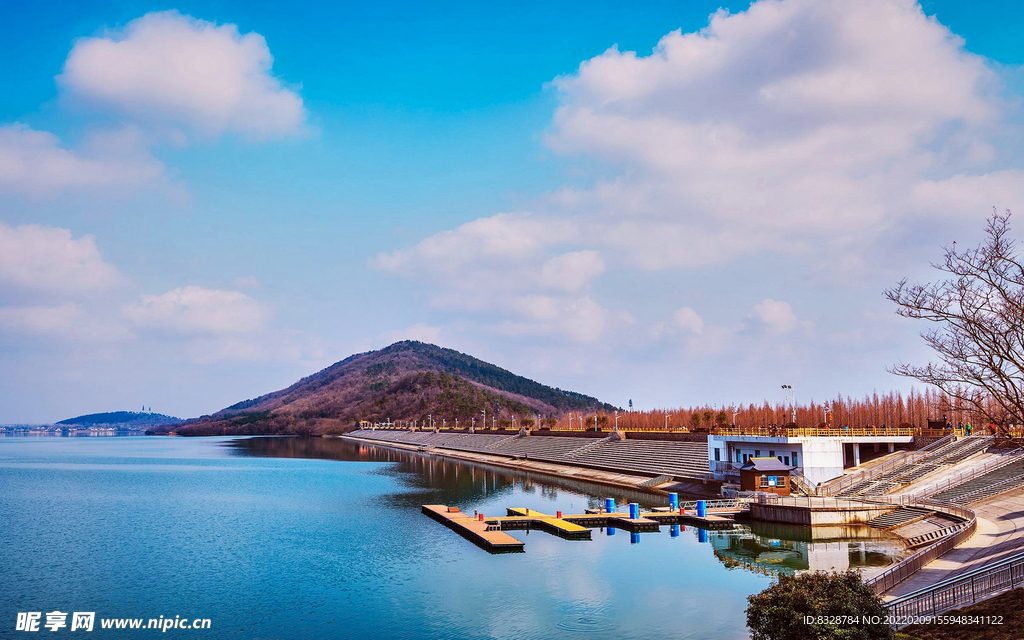
Jinniu Hill + reservoir (folk song collection site of 'Mo Li Hua' / Jasmine Flower), Wildlife Kingdom (drive-through zoo opened in 2019)
Visitor info
- Opening hours
- 08:30-17:00
- Ticket
- CNY 40
Price is indicative — final quote on inquiry.
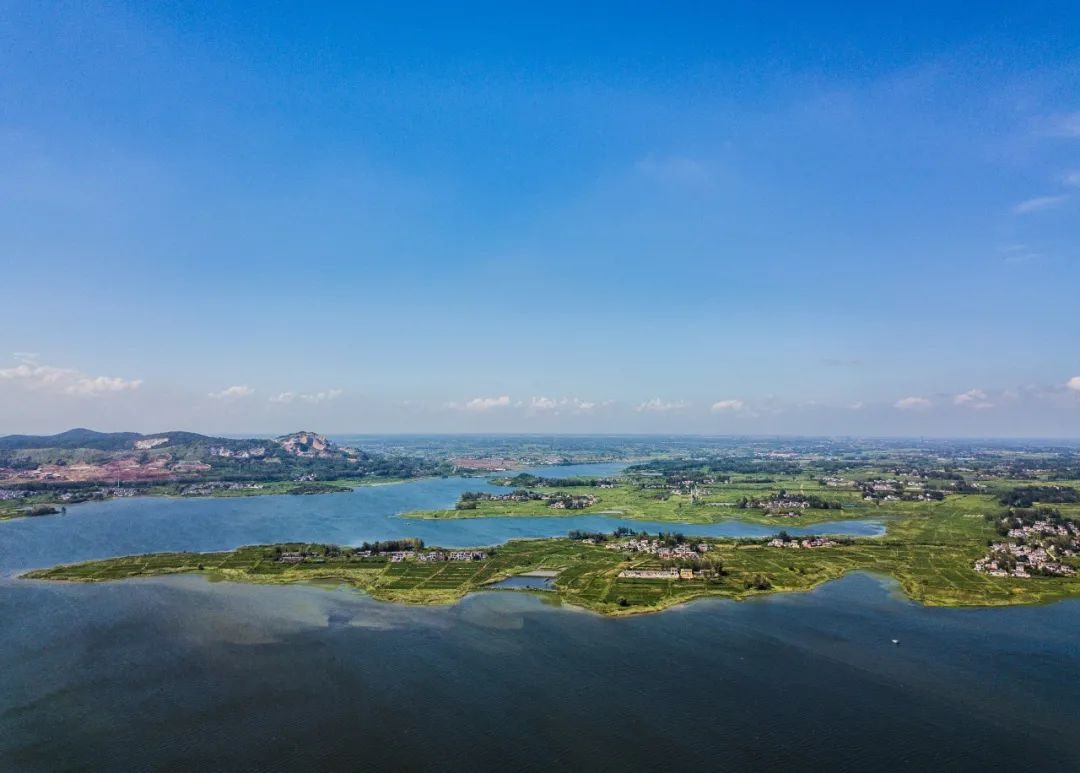
Jinniu Hill + reservoir (folk song collection site of 'Mo Li Hua' / Jasmine Flower), Wildlife Kingdom (drive-through zoo opened in 2019). Jinniu Lake was formed from the Jinniushan Reservoir, its surface like a mirror ringed by hills; He Fang, who collected and arranged the folk song 'Jasmine Flower,' gathered the song's original material here, so Jinniu Lake is regarded as the hometown of 'Jasmine Flower,' and jasmine-themed landscaping lines the lakeshore. The Jinniu Lake Wildlife Kingdom, opened in 2019, is a large drive-through zoo in East China: in the drive-through zone visitors can observe fierce animals up close, the walking zone features circus performances, and it is hugely popular with families; the lake also offers boat rides and water sports, forming Luhe District's weekend itinerary of 'scenic hills and waters + zoo.'
Getting there: Metro Line S8, Jinniu Lake Station
Photos
More in Nanjing
- Sun Yat-sen Mausoleum
392 marble steps up Purple Mountain to the father of modern China.
- Ming Xiaoling Mausoleum
Sacred Way stone animals guarding the tomb of the Ming founder.
- Confucius Temple (Fuzimiao)
Qinhuai River lantern district; night cruise past painted boats.
- Zhonghua Gate
The world's largest castle-style city gate, 27 soldier hideouts inside.
- Sun Yat-sen Mausoleum
The mausoleum of Dr. Sun Yat-sen, begun in 1926 with his remains interred in 1929. The "Liberty Bell" ground plan by young architect Lü Yanzhi won a global design competition, a milestone of modern Chinese architectural history.
- Ming Xiaoling Mausoleum
The joint tomb of Ming founder Zhu Yuanzhang and Empress Ma, begun in 1381. It pioneered the "court in front, resting quarters behind" mausoleum layout, the wellspring of the Ming-Qing imperial tomb system; in 2003 it was inscribed as a UNESCO World Heritage Site as part of the extension of the Imperial Tombs of the Ming and Qing Dynasties.