Laomendong
A historic district east of Zhonghua Gate, the commercial and residential heart of Nanjing's old city since the Ming dynasty; after its conservation-led street reopening in 2013 it became the emblematic calling card of 'Old South City'
Visitor info
- Opening hours
- Open all day
- Ticket
- Free
Price is indicative — final quote on inquiry.
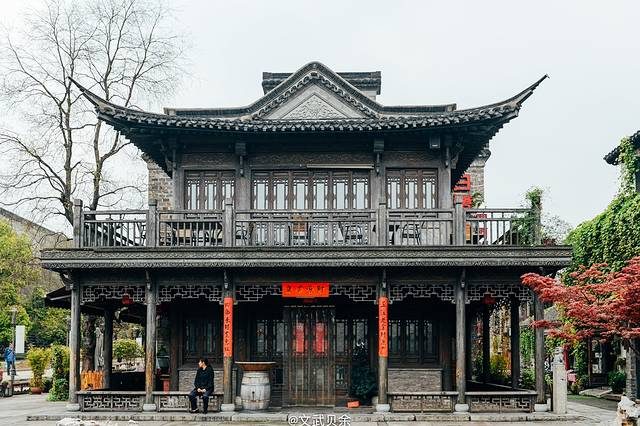
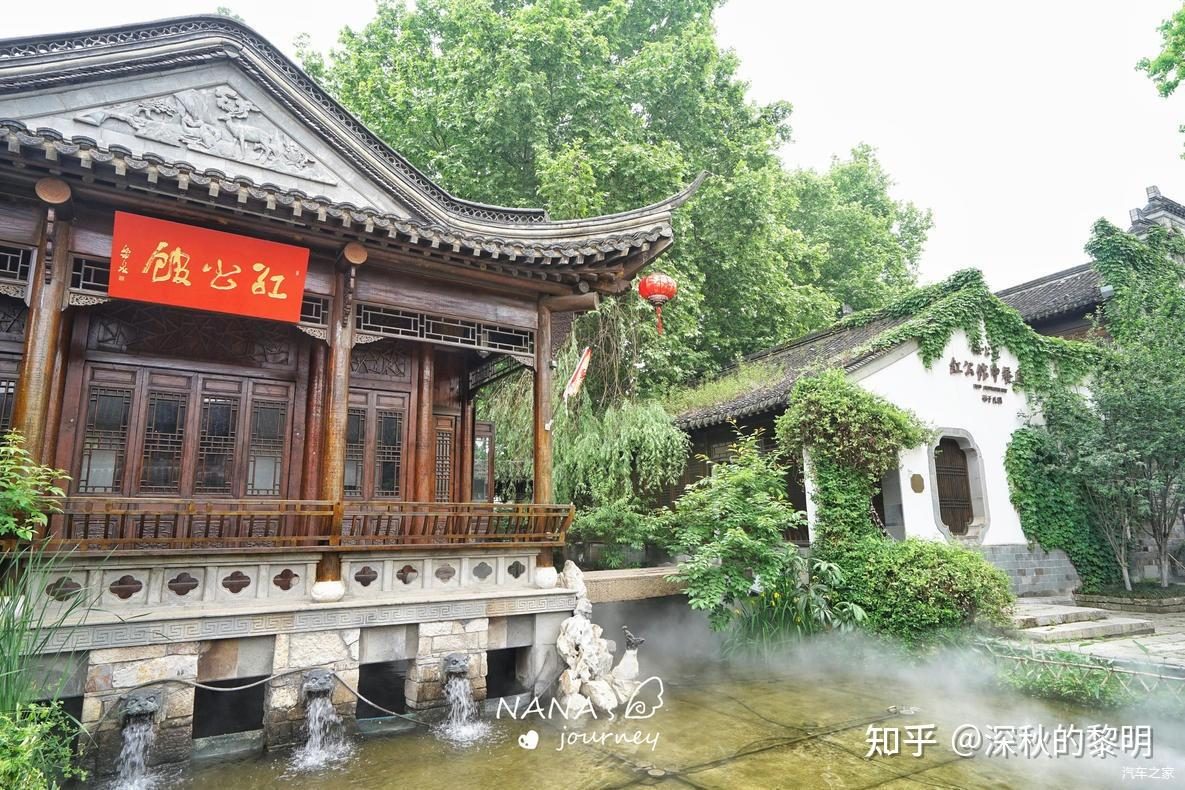
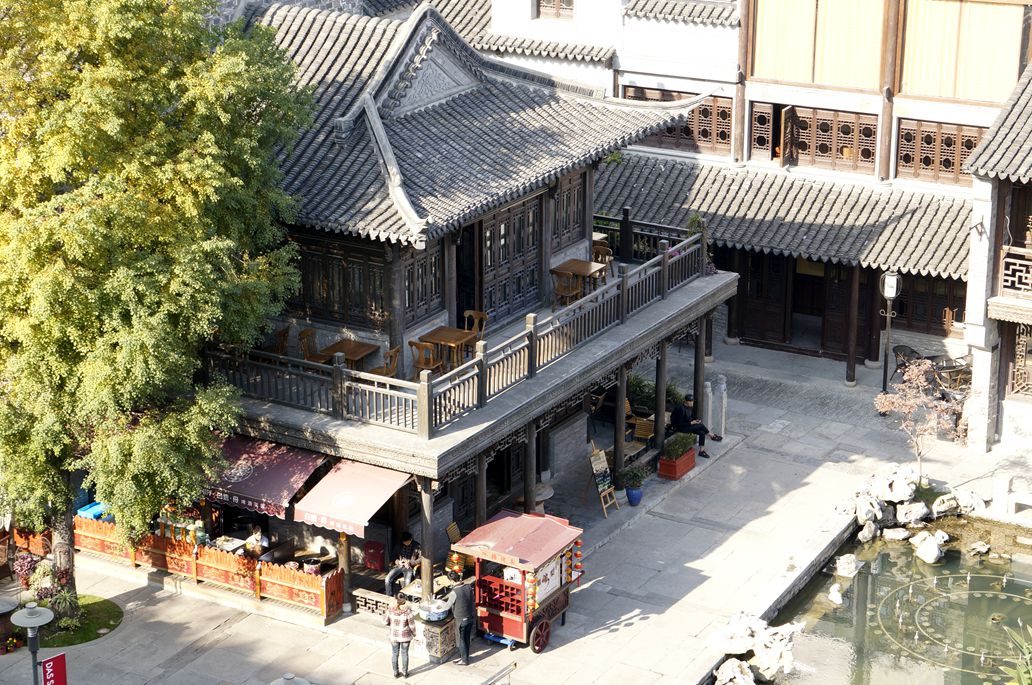
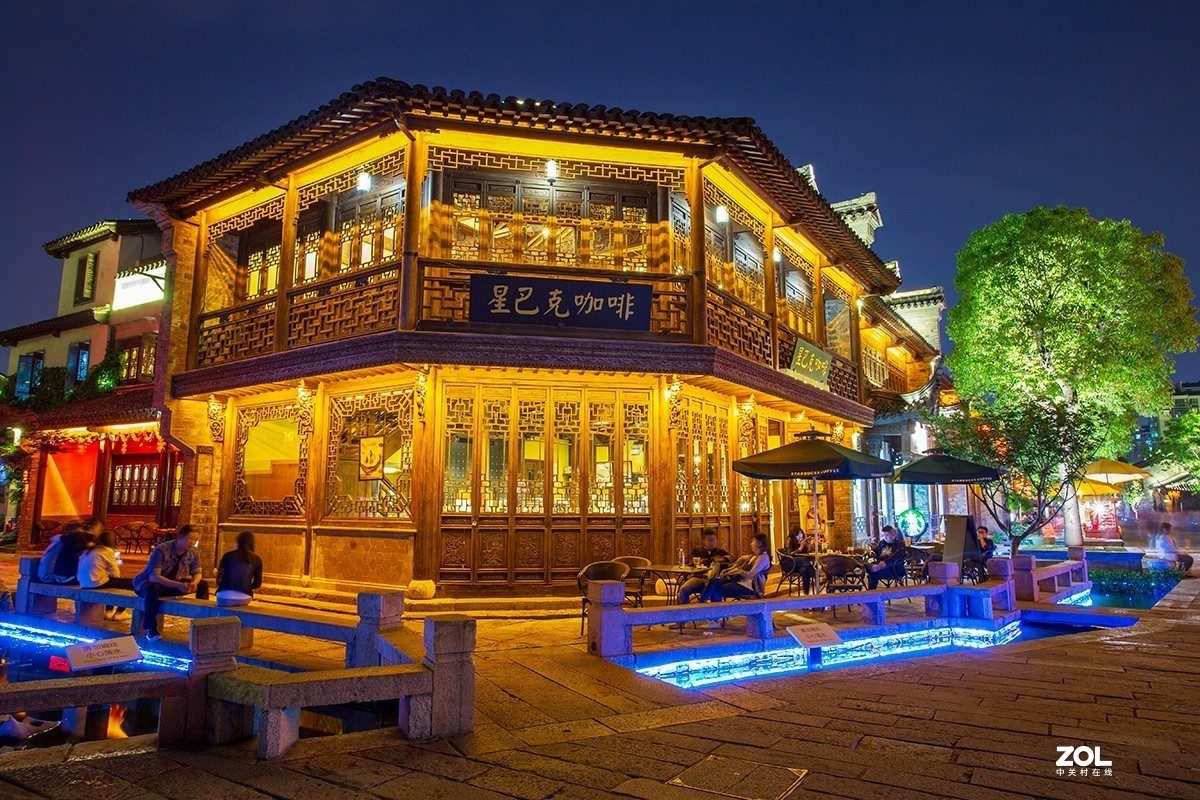
A historic district east of Zhonghua Gate and the commercial-residential heart of Nanjing's old city since the Ming dynasty; after its conservation-led reopening in 2013 it became the emblematic calling card of 'Old South City'. Beneath the Ming city wall, the district has restored its Ming-Qing street fabric, where horse-head gables, bluestone slabs and old trees set one another off, and deep alleys hide creative new shops such as the Nanjing branch of Deyun Society (crosstalk comedy) and Librairie Avant-Garde's Junhui Bookstore (a bookstore converted from a Hui-style old residence). Street snacks and craft shops abound: local flavors such as Jiang Youji's pan-fried dumplings (guotie) and Lan Laoda's sweet lotus-root porridge keep Laomendong's everyday bustle alive. It is especially pleasant to wander once the lanterns light up at dusk, and the area links neatly with Zhonghua Gate Castle and Dabaoen Temple.
Getting there: Metro Line 3, Wudingmen Station
Photos
More in Nanjing
- Sun Yat-sen Mausoleum
392 marble steps up Purple Mountain to the father of modern China.
- Ming Xiaoling Mausoleum
Sacred Way stone animals guarding the tomb of the Ming founder.
- Confucius Temple (Fuzimiao)
Qinhuai River lantern district; night cruise past painted boats.
- Zhonghua Gate
The world's largest castle-style city gate, 27 soldier hideouts inside.
- Sun Yat-sen Mausoleum
The mausoleum of Dr. Sun Yat-sen, begun in 1926 with his remains interred in 1929. The "Liberty Bell" ground plan by young architect Lü Yanzhi won a global design competition, a milestone of modern Chinese architectural history.
- Ming Xiaoling Mausoleum
The joint tomb of Ming founder Zhu Yuanzhang and Empress Ma, begun in 1381. It pioneered the "court in front, resting quarters behind" mausoleum layout, the wellspring of the Ming-Qing imperial tomb system; in 2003 it was inscribed as a UNESCO World Heritage Site as part of the extension of the Imperial Tombs of the Ming and Qing Dynasties.