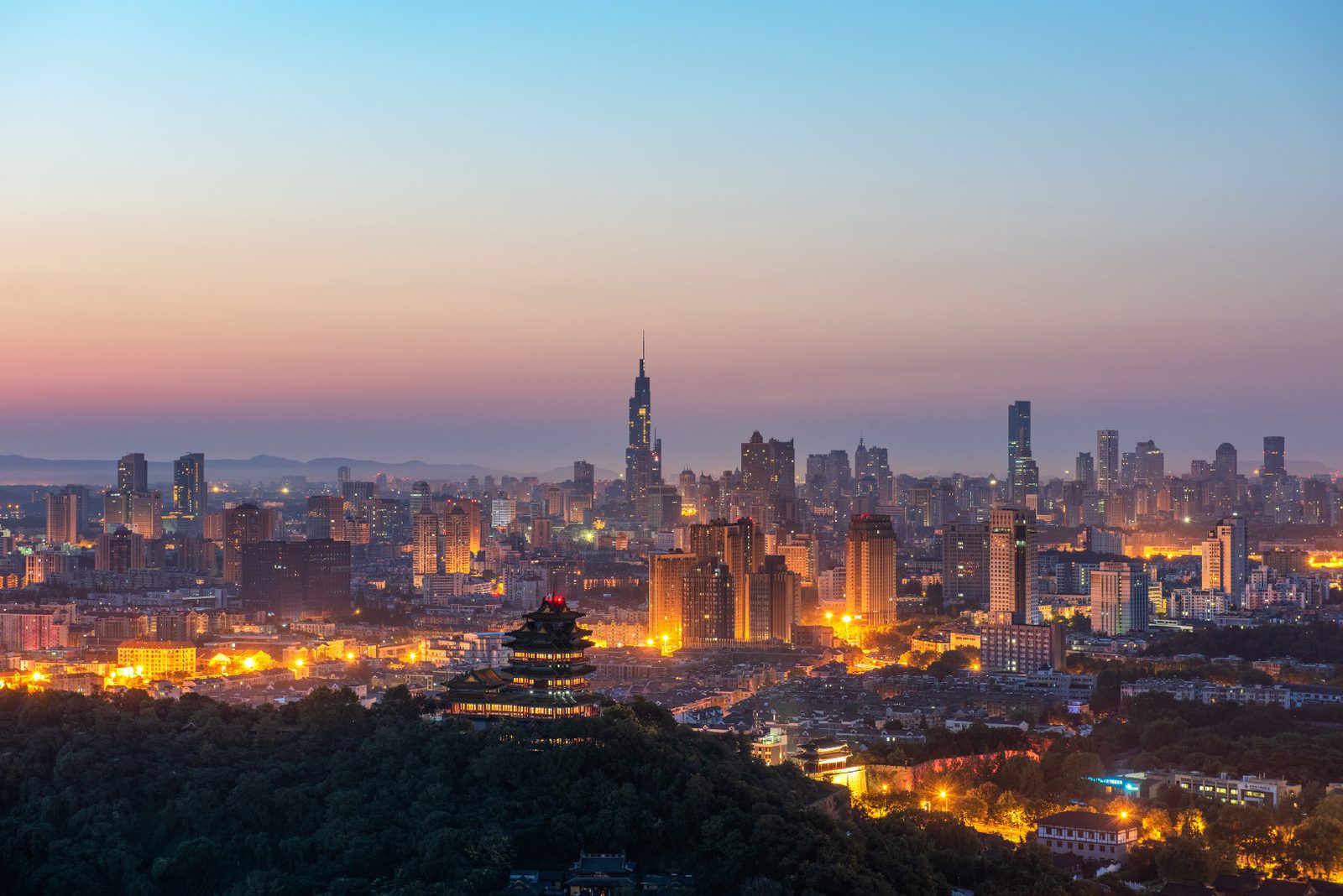
Green Expo Park
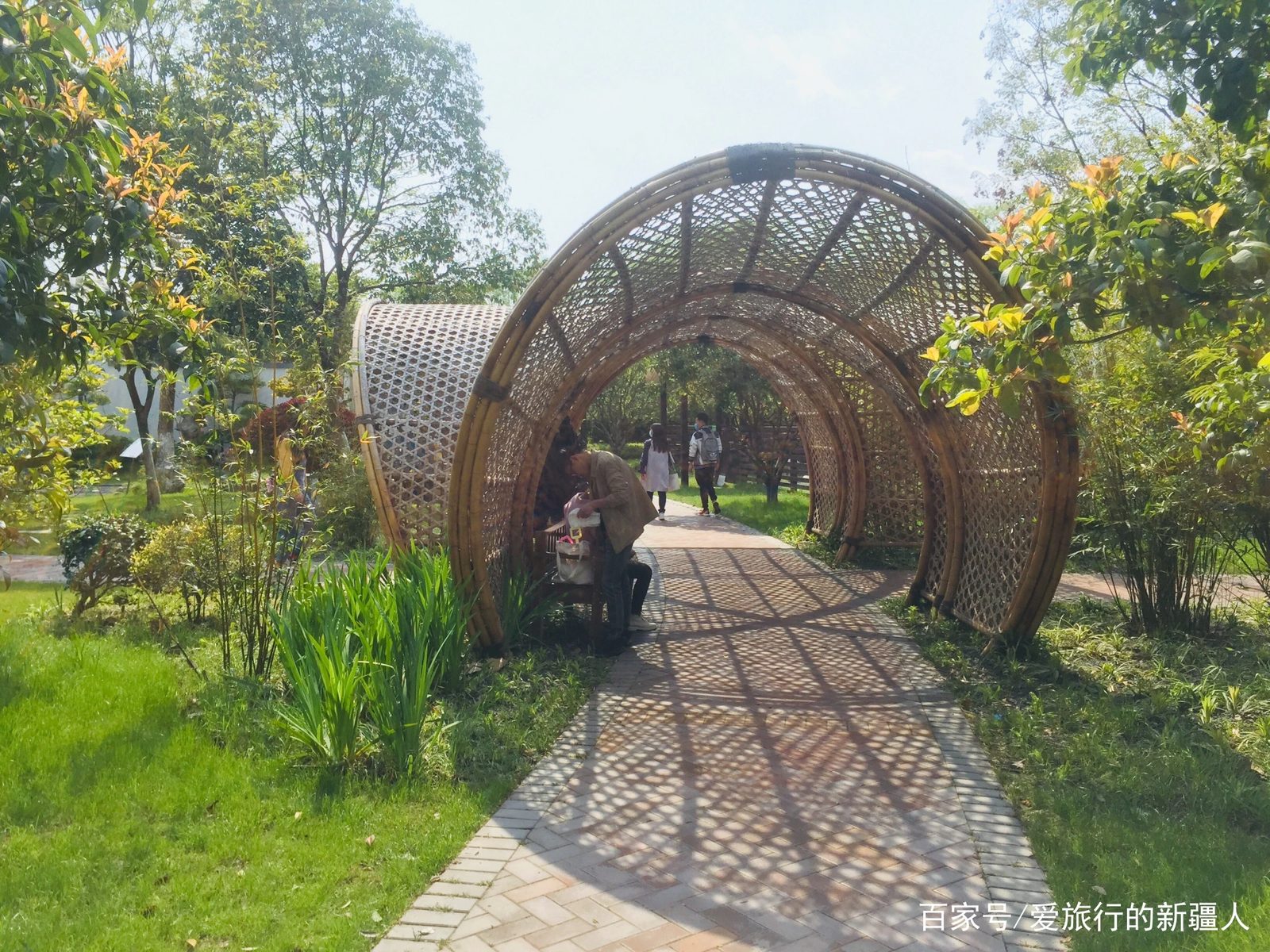
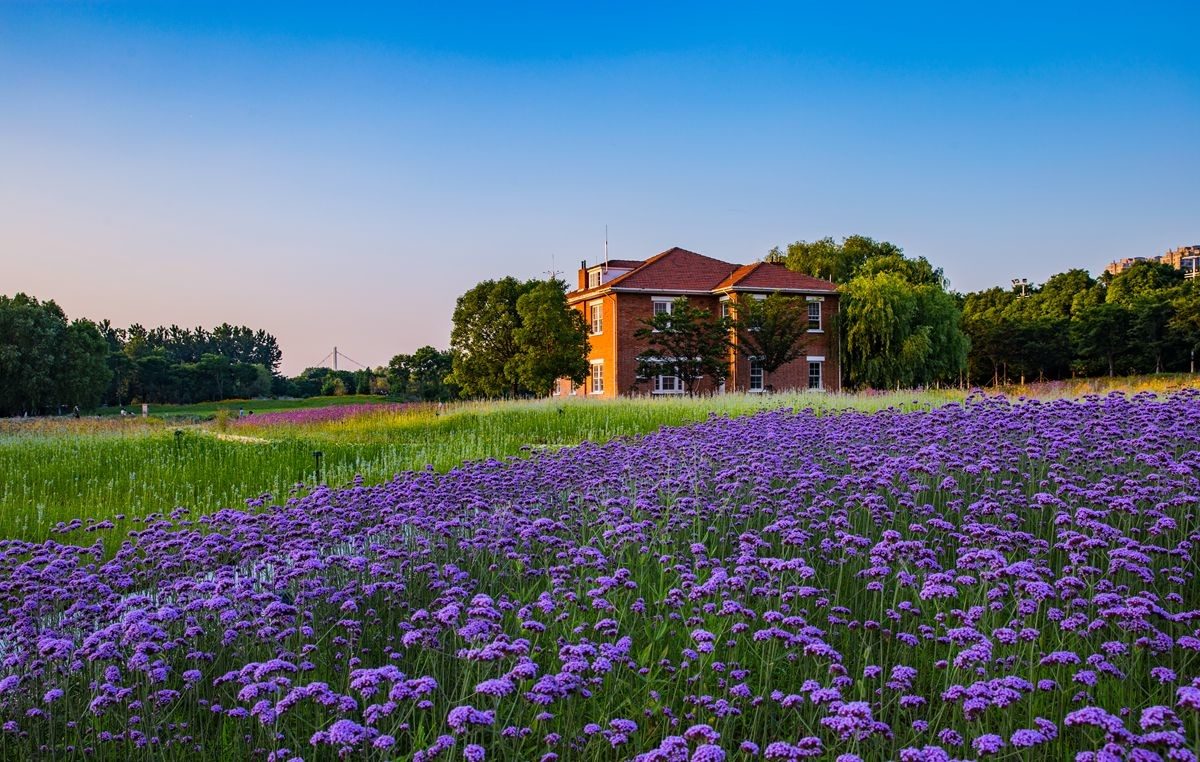
Riverside park on the 2005 Green Expo site; Dutch Garden (windmill/tulips March-April) and Left Bank Flower Sea
Visitor info
- Opening hours
- Open all day
- Ticket
- Free
Price is indicative — final quote on inquiry.
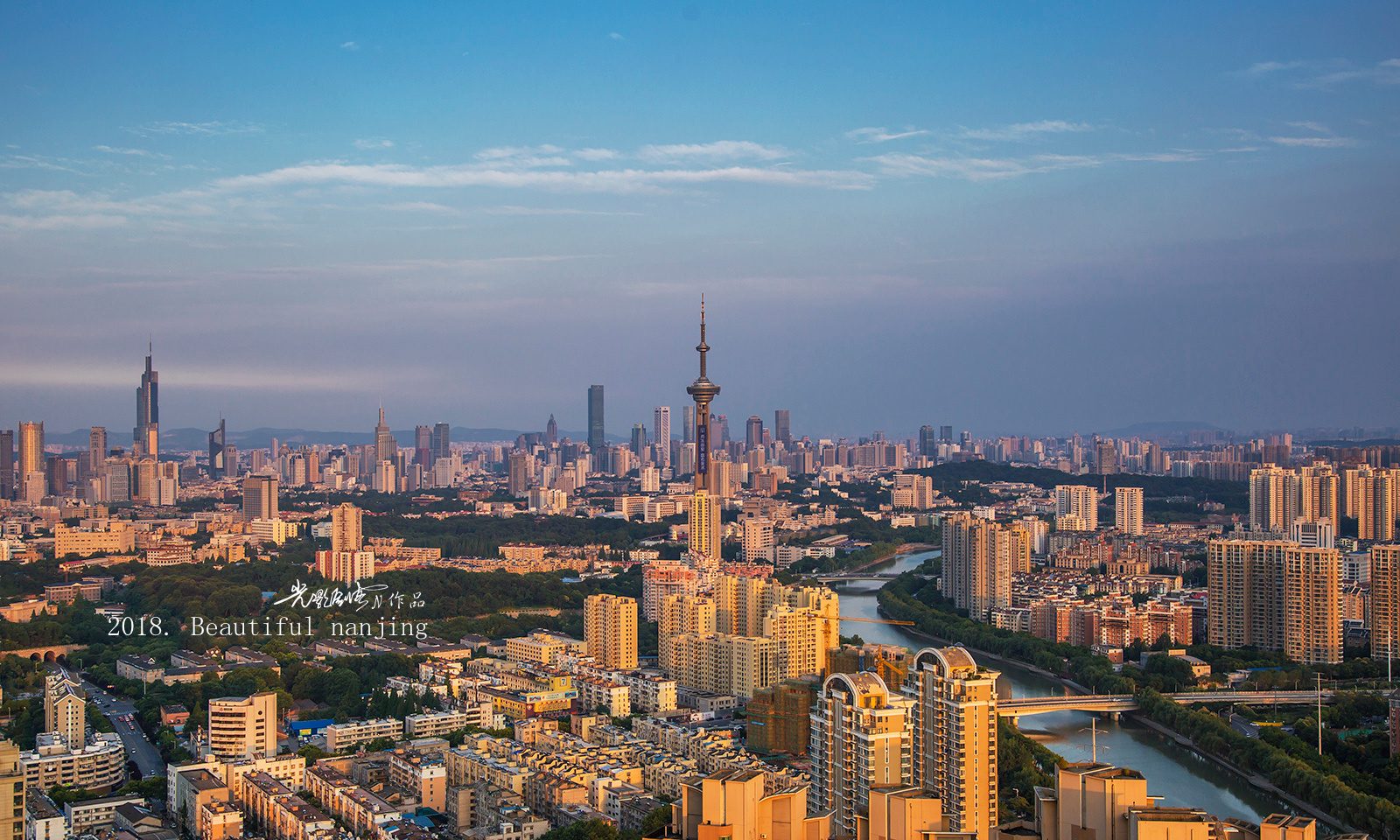
A riverside park on the site of the 2005 Green Expo, with the Dutch Garden (windmill/tulips March-April) and the Left Bank Flower Sea. The venue of the first China International Greening Expo in 2005, it was later turned into a city riverside park, with the show gardens of provinces and cities condensed into a "see the whole country in one garden" collection. Among them, the windmill and tulip fields of the Dutch Garden are the most strikingly exotic, and when the tulips are in full bloom in March-April it is Nanjing's "officially designated" spring outing spot. The Left Bank Flower Sea spreads broad swathes of colorful flowers along the river, sharing the Hexi riverside greenway with Yuzui Wetland and the Nanjing Eye; cyclists, campers and families on picnics come all year round, making it a model urban green lung that is "free and grand."
Getting there: Metro Line 10, Green Expo Park Station
Photos
More in Nanjing
- Sun Yat-sen Mausoleum
392 marble steps up Purple Mountain to the father of modern China.
- Ming Xiaoling Mausoleum
Sacred Way stone animals guarding the tomb of the Ming founder.
- Confucius Temple (Fuzimiao)
Qinhuai River lantern district; night cruise past painted boats.
- Zhonghua Gate
The world's largest castle-style city gate, 27 soldier hideouts inside.
- Sun Yat-sen Mausoleum
The mausoleum of Dr. Sun Yat-sen, begun in 1926 with his remains interred in 1929. The "Liberty Bell" ground plan by young architect Lü Yanzhi won a global design competition, a milestone of modern Chinese architectural history.
- Ming Xiaoling Mausoleum
The joint tomb of Ming founder Zhu Yuanzhang and Empress Ma, begun in 1381. It pioneered the "court in front, resting quarters behind" mausoleum layout, the wellspring of the Ming-Qing imperial tomb system; in 2003 it was inscribed as a UNESCO World Heritage Site as part of the extension of the Imperial Tombs of the Ming and Qing Dynasties.