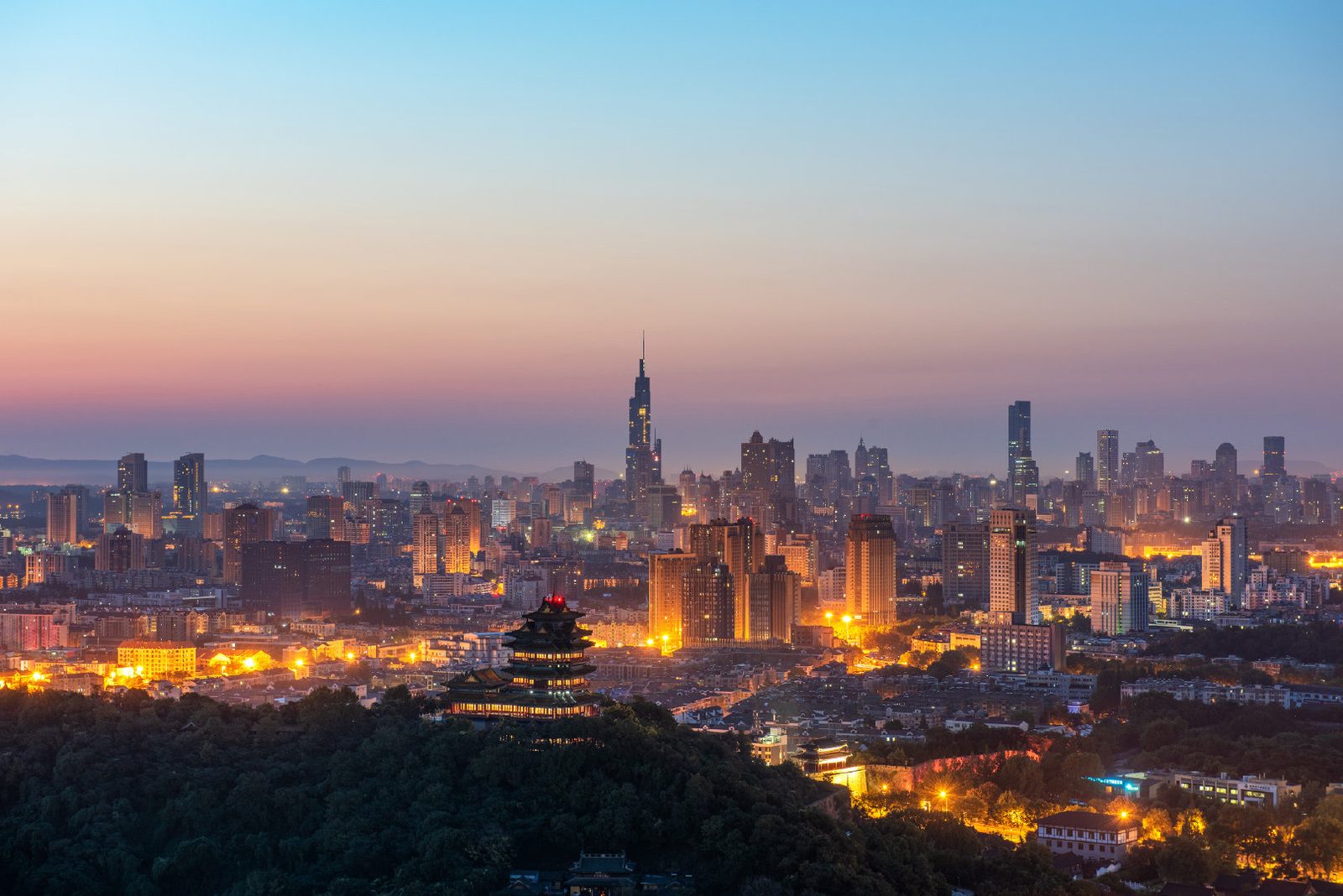
Mochou Lake
"The foremost scenic spot of Jinling"; legend of the Mochou Girl (Yujin Hall / Lotus-Viewing Hall); crabapple blossom fair (March-April)
Visitor info
- Opening hours
- 07:00-21:00
- Ticket
- CNY 35
Price is indicative — final quote on inquiry.
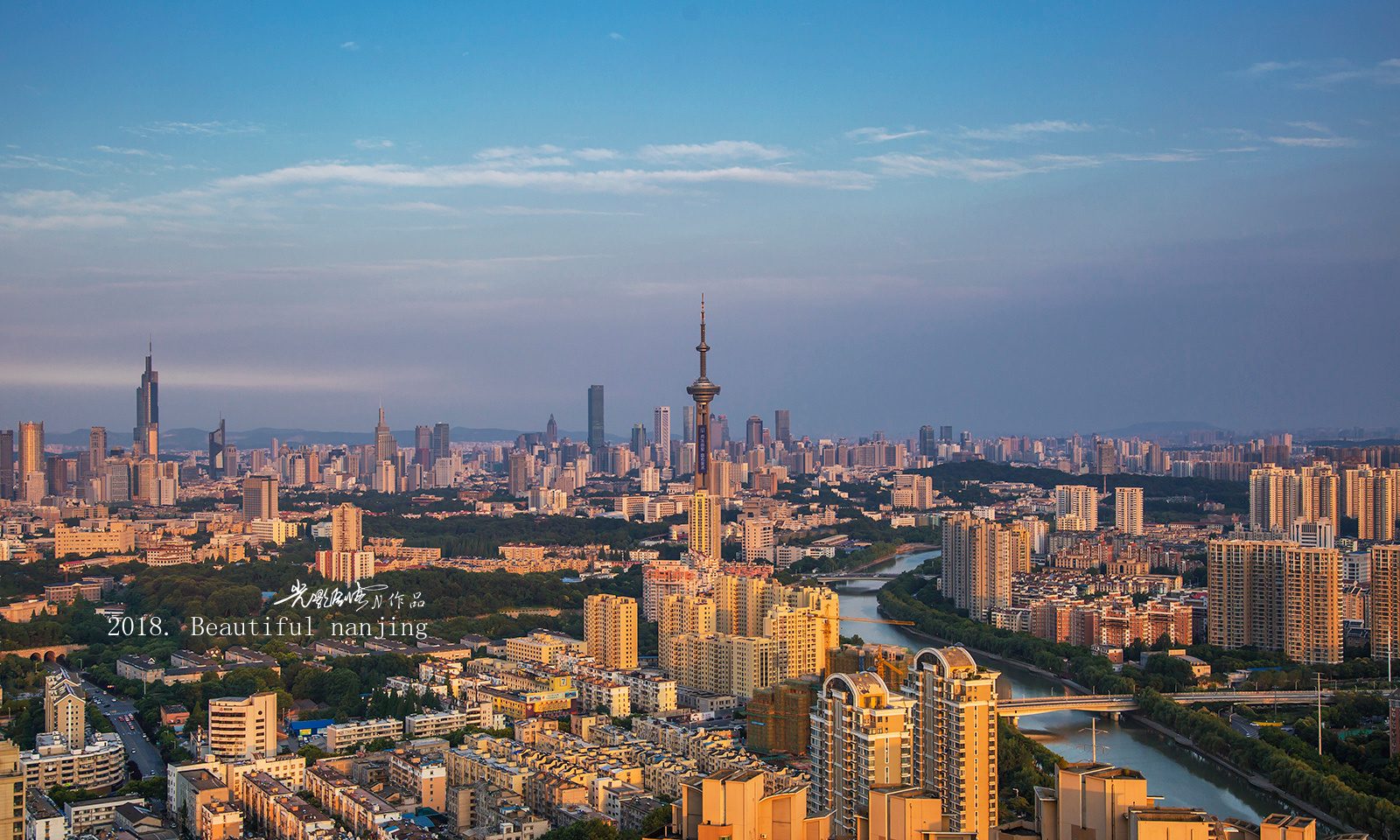
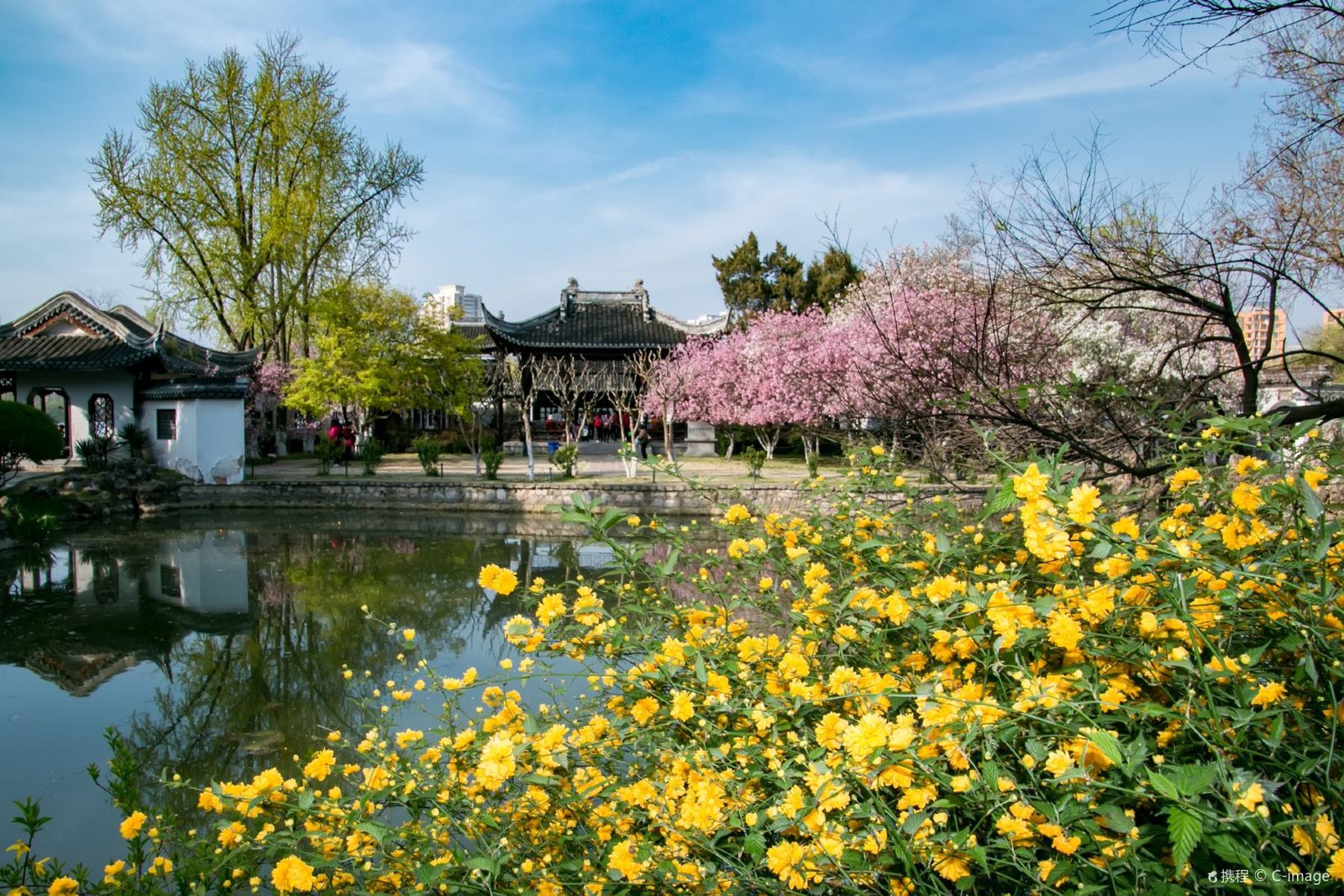
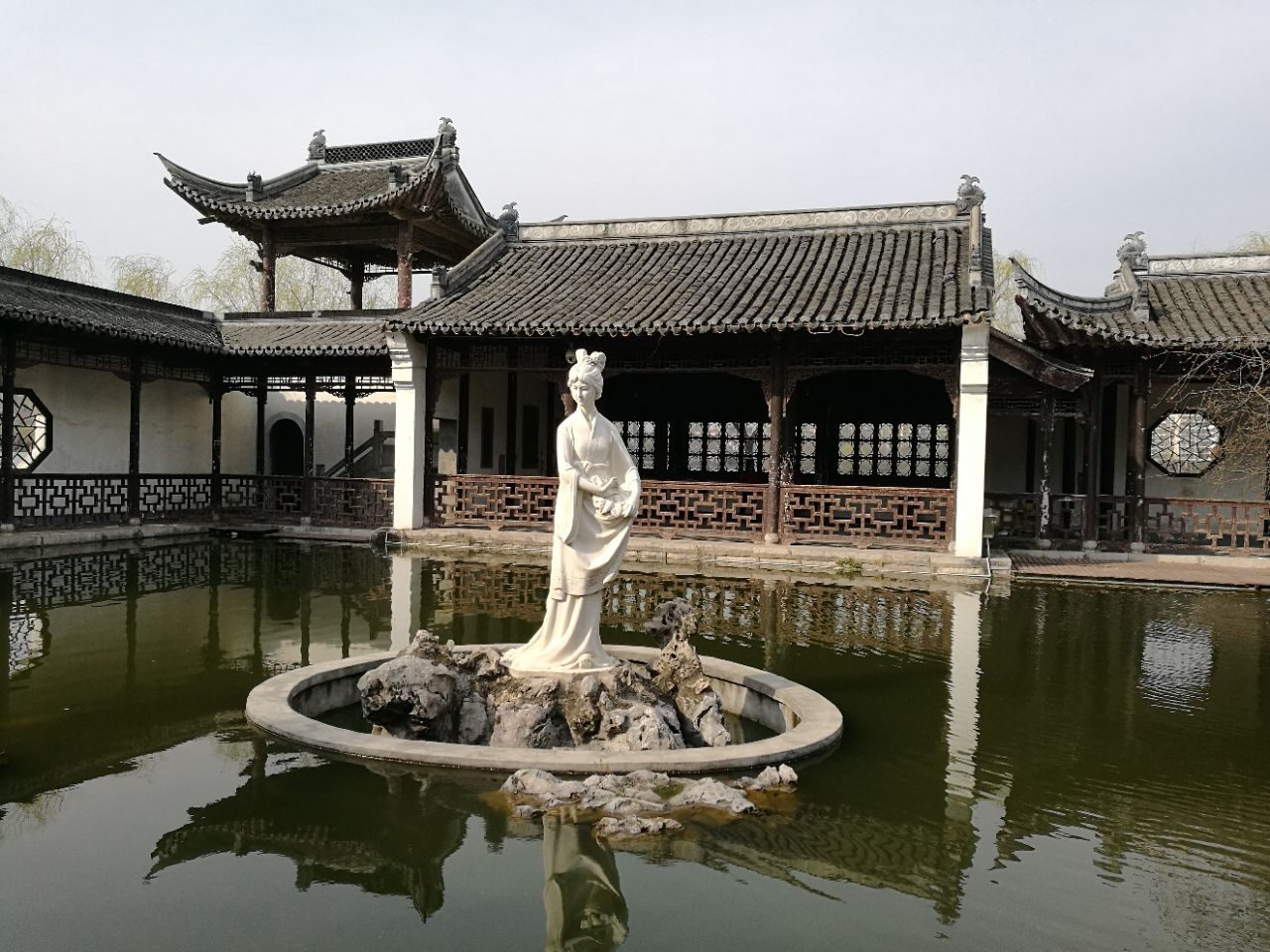
"The foremost scenic spot of Jinling"; the legend of the Mochou Girl (Yujin Hall / Lotus-Viewing Hall); the crabapple blossom fair (March-April). Legend has it that Mochou, a young girl from Luoyang in the Southern Dynasties era, married far from home into the Lu family here, and the name "Mochou" ("Sorrow-Free") entered Jinling's local lore; the courtyards and furnishings around Yujin Hall and Lotus-Viewing Hall are all arranged around this legendary woman. The lake is not large, but its waters and trees are clear and graceful; in summer, a lake full of lotus against the surrounding high-rises feels like "a paradise within the city"; the March-April crabapple blossom fair is the lakeside's grandest time of year, and in recent years the fair has added hanfu garden strolls and markets, making it a favorite local spring photo stop.
Getting there: Metro Line 2, Mochou Lake Station
Photos
More in Nanjing
- Sun Yat-sen Mausoleum
392 marble steps up Purple Mountain to the father of modern China.
- Ming Xiaoling Mausoleum
Sacred Way stone animals guarding the tomb of the Ming founder.
- Confucius Temple (Fuzimiao)
Qinhuai River lantern district; night cruise past painted boats.
- Zhonghua Gate
The world's largest castle-style city gate, 27 soldier hideouts inside.
- Sun Yat-sen Mausoleum
The mausoleum of Dr. Sun Yat-sen, begun in 1926 with his remains interred in 1929. The "Liberty Bell" ground plan by young architect Lü Yanzhi won a global design competition, a milestone of modern Chinese architectural history.
- Ming Xiaoling Mausoleum
The joint tomb of Ming founder Zhu Yuanzhang and Empress Ma, begun in 1381. It pioneered the "court in front, resting quarters behind" mausoleum layout, the wellspring of the Ming-Qing imperial tomb system; in 2003 it was inscribed as a UNESCO World Heritage Site as part of the extension of the Imperial Tombs of the Ming and Qing Dynasties.