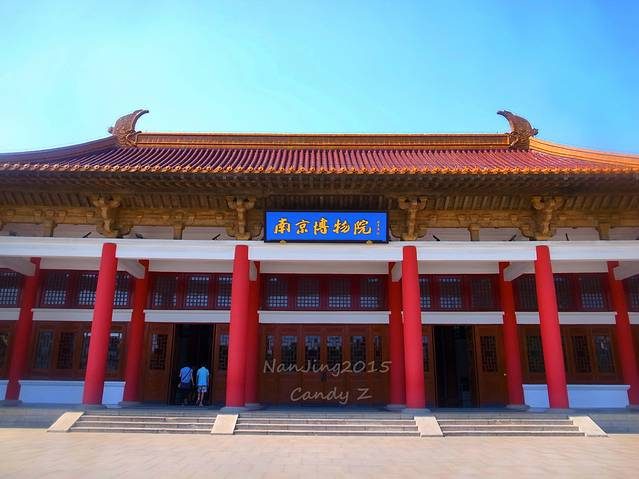
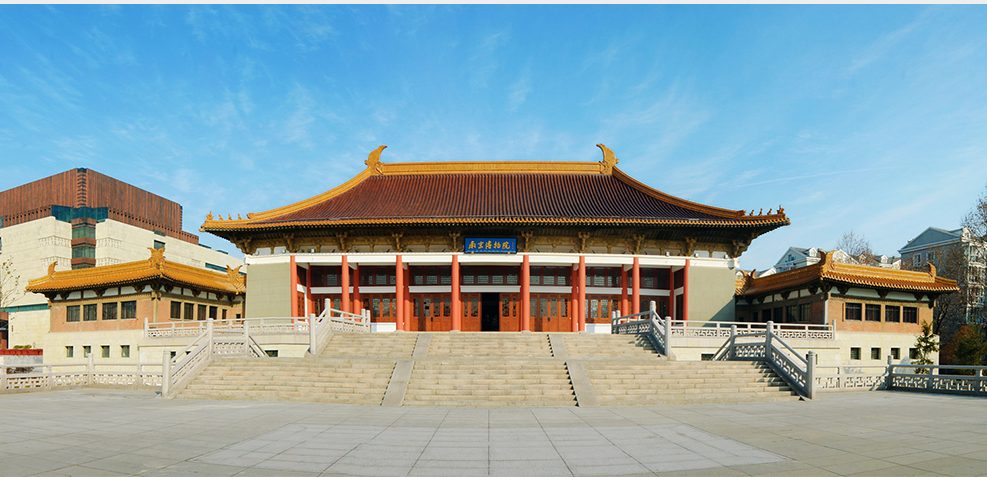
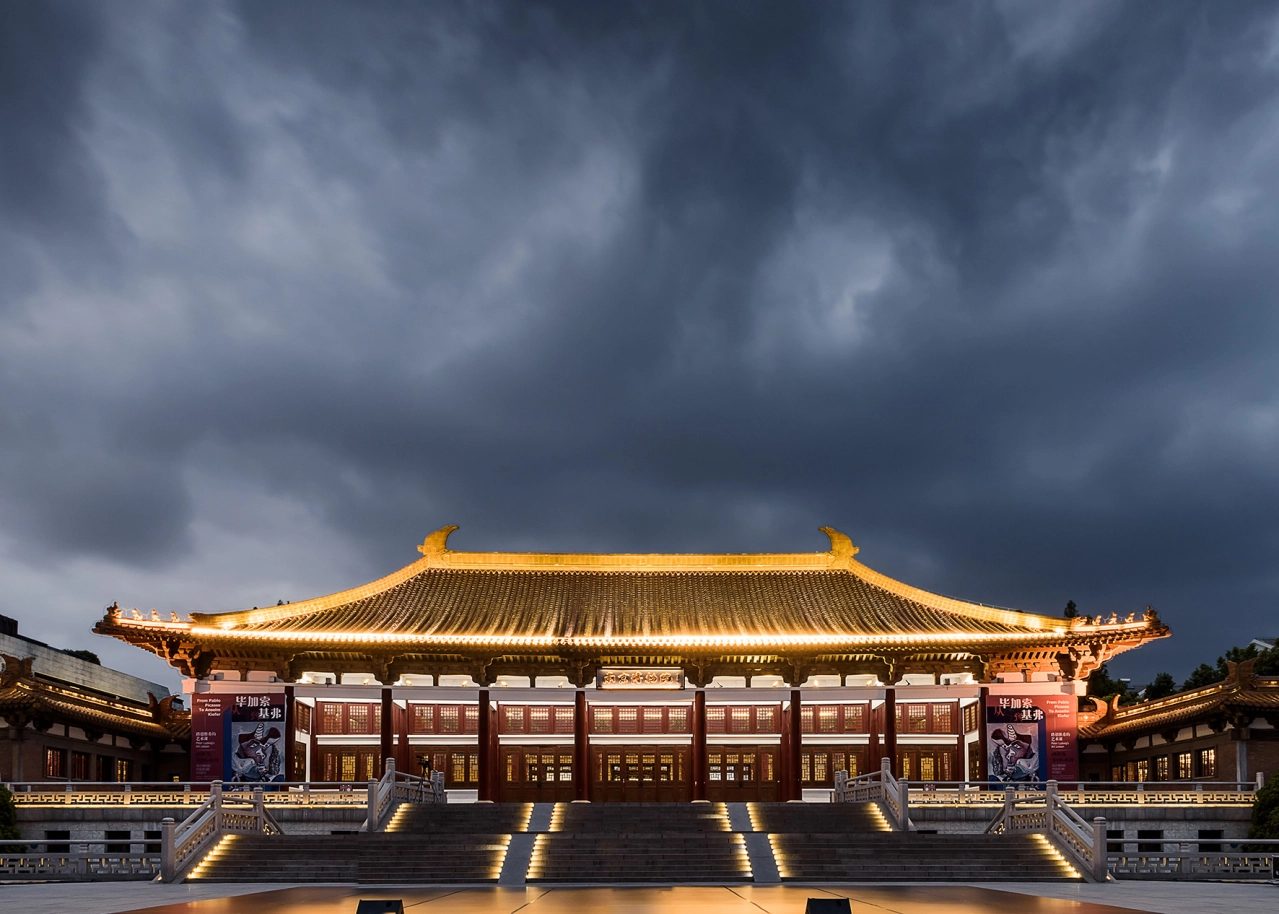
Nanjing Museum
One of China's three great museums, initiated by Cai Yuanpei in 1933; formerly the National Central Museum, with a collection of over 430,000 items
Visitor info
- Opening hours
- 09:00-17:00 · Closed on Mondays (closes at 17:00)
- Ticket
- Free (reservation required)
Price is indicative — final quote on inquiry.
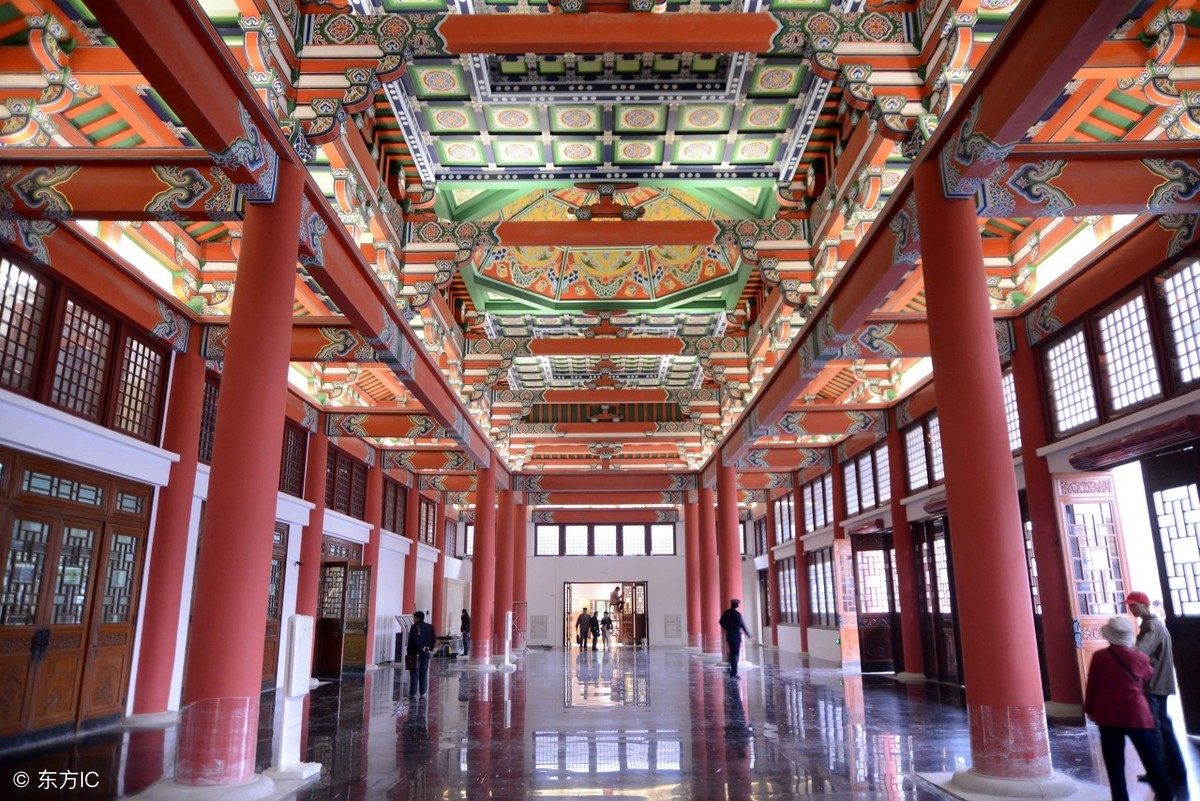
One of China's three great museums, initiated by Cai Yuanpei in 1933; formerly the National Central Museum, its collection exceeds 430,000 items. The star exhibits form a luxurious lineup: the 9-kg Gold Beast of the Western Han, the heaviest gold artifact in China; the silver-threaded jade burial suit; and the brick relief of the Seven Sages of the Bamboo Grove and Rong Qiqi — all instantly arresting, thousand-year-old treasures. Its uniqueness lies in the 'One Museum, Six Halls' layout — beyond the History Gallery and the Special Exhibition Gallery, the Republic of China Hall recreates an entire floor of 1930s Nanjing streetscapes (train station, post office and café, all enterable), while the Digital Gallery presents the stories of artifacts through immersive imagery, appealing to all ages; reservation slots are tight, so plan ahead and allow at least half a day.
Getting there: Metro Line 2, Minggugong Station
Photos
More in Nanjing
- Sun Yat-sen Mausoleum
392 marble steps up Purple Mountain to the father of modern China.
- Ming Xiaoling Mausoleum
Sacred Way stone animals guarding the tomb of the Ming founder.
- Confucius Temple (Fuzimiao)
Qinhuai River lantern district; night cruise past painted boats.
- Zhonghua Gate
The world's largest castle-style city gate, 27 soldier hideouts inside.
- Sun Yat-sen Mausoleum
The mausoleum of Dr. Sun Yat-sen, begun in 1926 with his remains interred in 1929. The "Liberty Bell" ground plan by young architect Lü Yanzhi won a global design competition, a milestone of modern Chinese architectural history.
- Ming Xiaoling Mausoleum
The joint tomb of Ming founder Zhu Yuanzhang and Empress Ma, begun in 1381. It pioneered the "court in front, resting quarters behind" mausoleum layout, the wellspring of the Ming-Qing imperial tomb system; in 2003 it was inscribed as a UNESCO World Heritage Site as part of the extension of the Imperial Tombs of the Ming and Qing Dynasties.