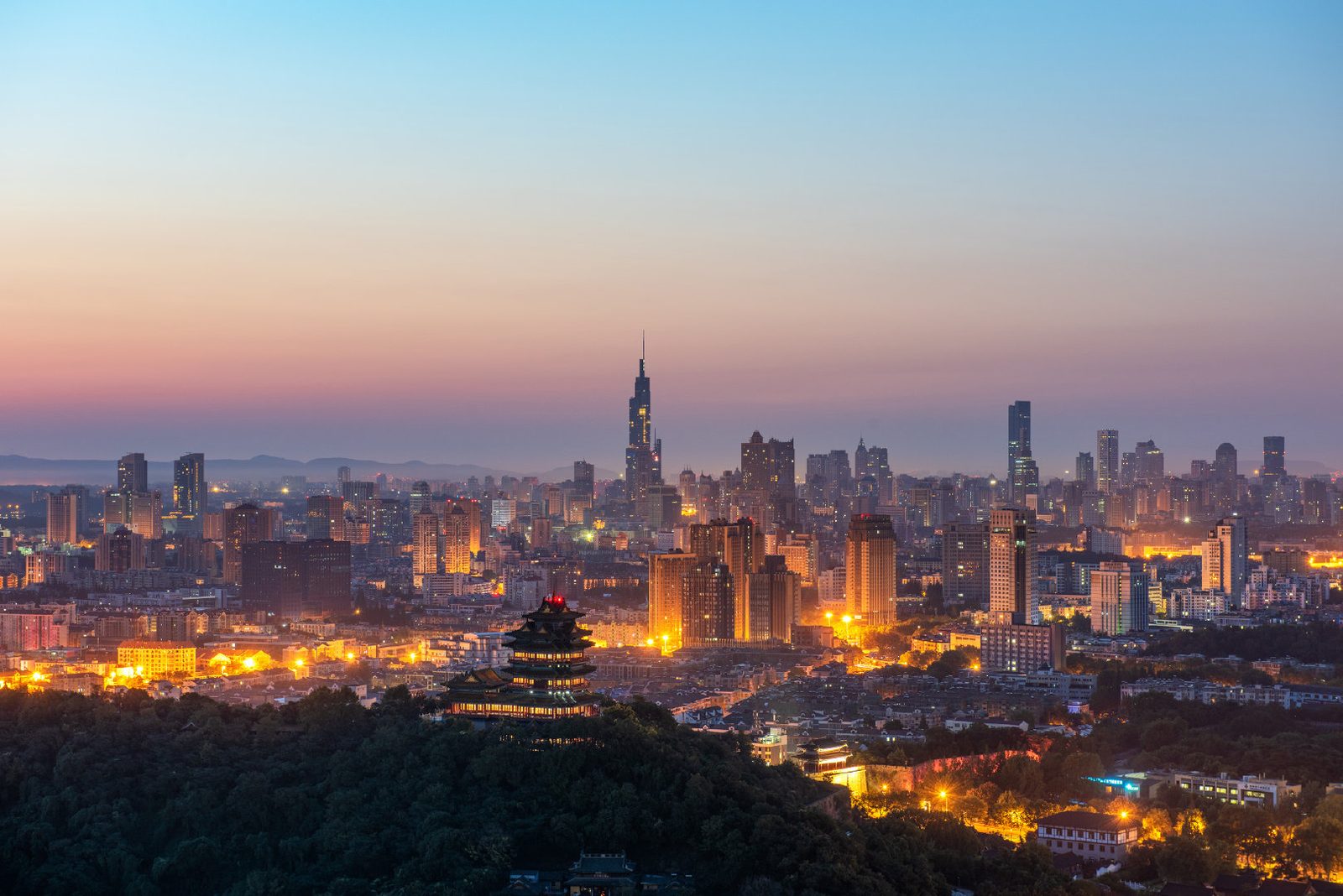
Niushou Mountain (Usnisa Palace)
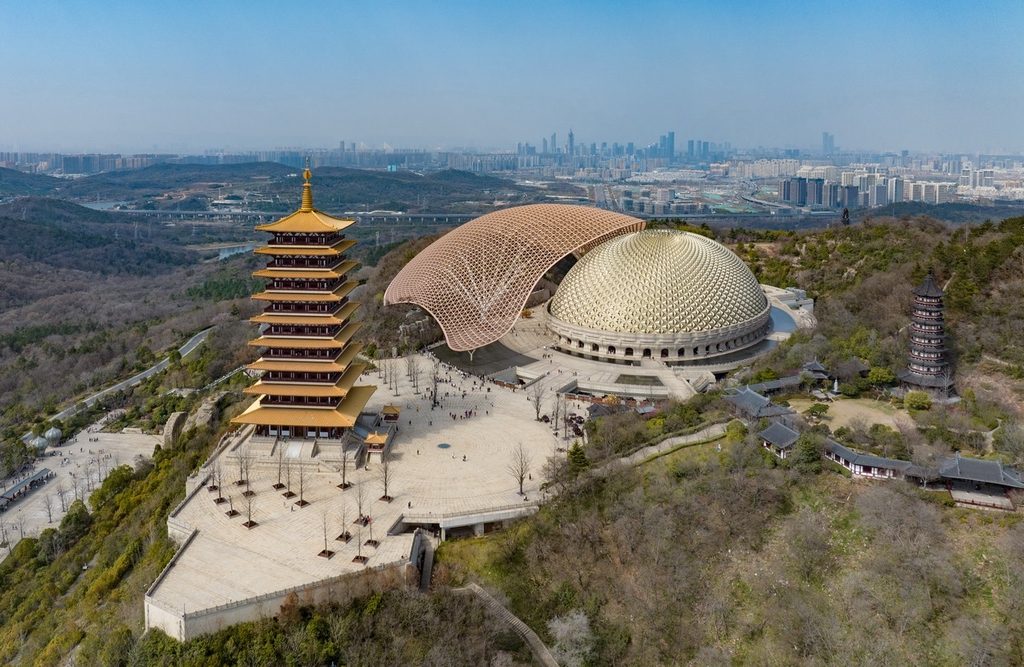
Niushou Mountain's Usnisa Palace (opened 2015, hailed as a "new world heritage of Buddhist culture"), enshrining the Buddha's parietal-bone relic (a dome with the Thousand Buddha Hall and a single-level reclining Buddha), a twin-peak design of "mending the sky's gap and hiding the underground palace"
Visitor info
- Opening hours
- 09:00-17:00
- Ticket
- CNY 98
Price is indicative — final quote on inquiry.
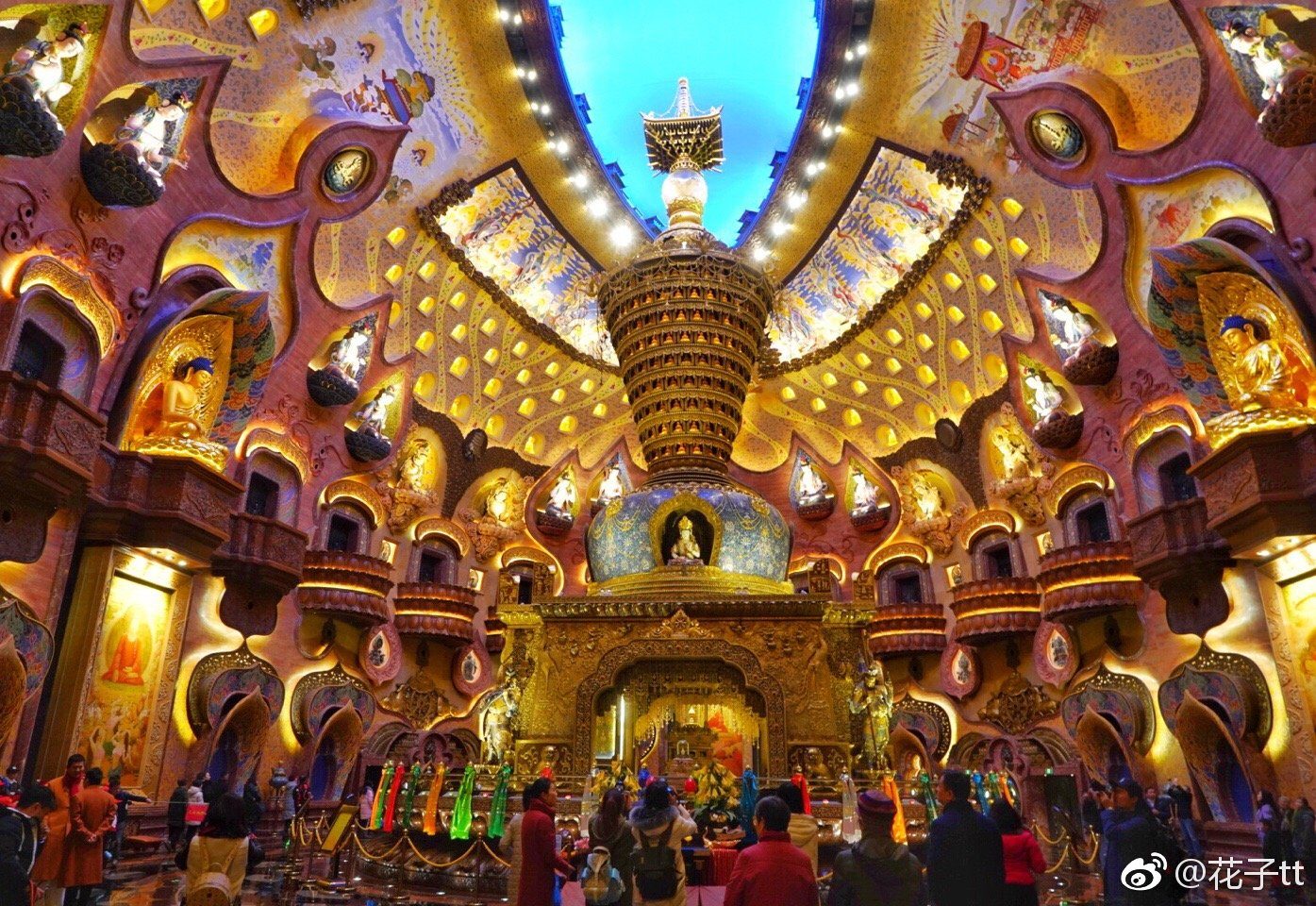
Niushou Mountain's Usnisa Palace (opened 2015, hailed as a "new world heritage of Buddhist culture"), enshrining the Buddha's parietal-bone relic (a dome with the Thousand Buddha Hall and a single-level reclining Buddha), a twin-peak design of "mending the sky's gap and hiding the underground palace"; Zheng He Culture Park / the ancient ramparts of Yue Fei's resistance against the Jin. The Usnisa Palace was built atop an abandoned mine pit; beneath its dome the Thousand Buddha Hall unfolds in tiers of pagoda-like space, and the visual impact of the reclining Buddha with radiating shrine niches ranks as the finest of contemporary Buddhist architecture. Since 2015 the Buddha's parietal-bone relic has been permanently enshrined here, making Niushou Mountain a new holy site in the world's Buddhist spotlight. The mountain also holds Southern Song ramparts from Yue Fei's war against the Jin and the Ming dynasty tomb park of Zheng He — "Buddhist culture plus historical traces" running in parallel; pink seas of cherry blossoms in spring, snow resting on the palace roof in winter — every season yields great shots.
Getting there: Metro Line S1, Fochengxi Road Station, then bus / self-drive
Photos
More in Nanjing
- Sun Yat-sen Mausoleum
392 marble steps up Purple Mountain to the father of modern China.
- Ming Xiaoling Mausoleum
Sacred Way stone animals guarding the tomb of the Ming founder.
- Confucius Temple (Fuzimiao)
Qinhuai River lantern district; night cruise past painted boats.
- Zhonghua Gate
The world's largest castle-style city gate, 27 soldier hideouts inside.
- Sun Yat-sen Mausoleum
The mausoleum of Dr. Sun Yat-sen, begun in 1926 with his remains interred in 1929. The "Liberty Bell" ground plan by young architect Lü Yanzhi won a global design competition, a milestone of modern Chinese architectural history.
- Ming Xiaoling Mausoleum
The joint tomb of Ming founder Zhu Yuanzhang and Empress Ma, begun in 1381. It pioneered the "court in front, resting quarters behind" mausoleum layout, the wellspring of the Ming-Qing imperial tomb system; in 2003 it was inscribed as a UNESCO World Heritage Site as part of the extension of the Imperial Tombs of the Ming and Qing Dynasties.