Pilu Temple
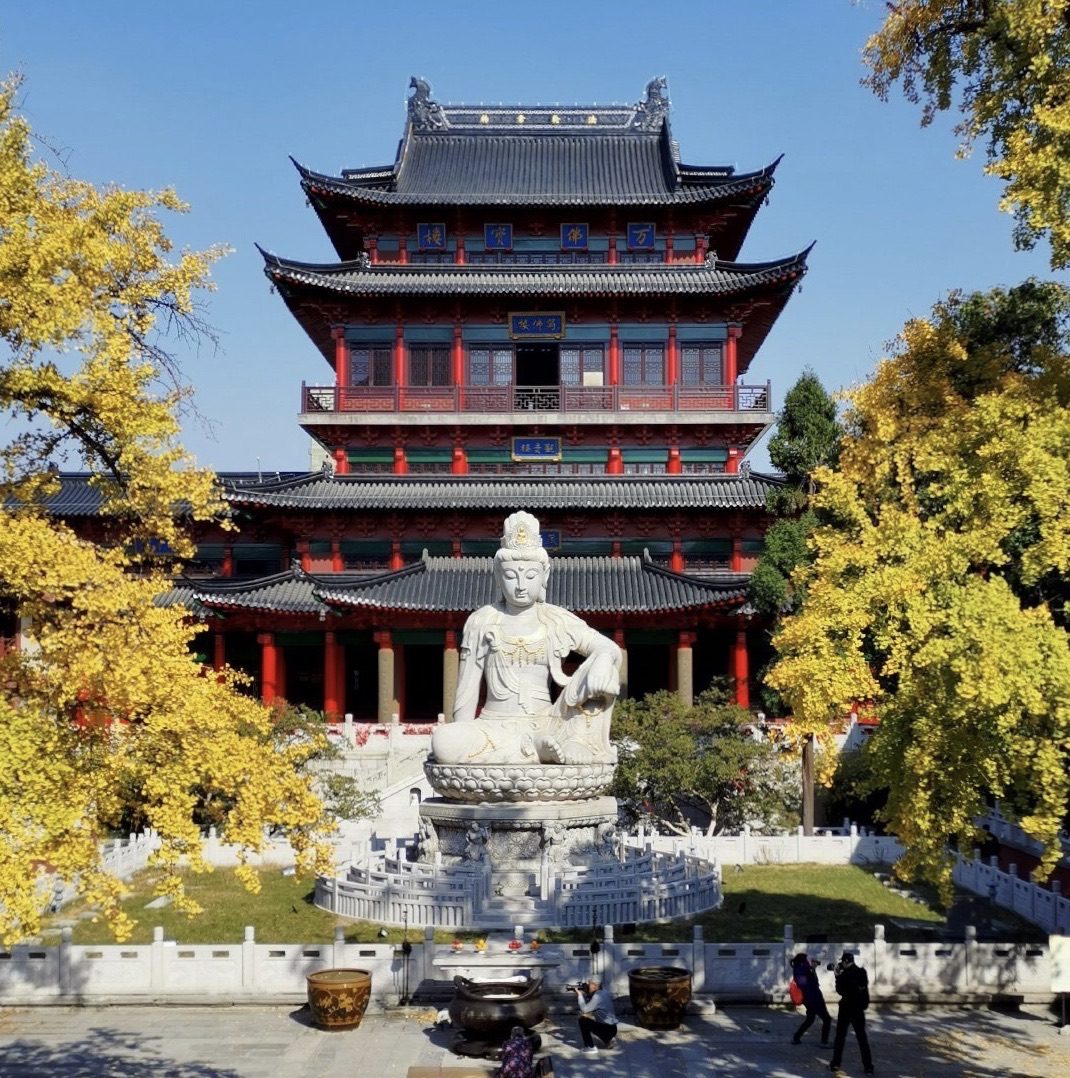
Built in the Ming Jiajing era, a Republican-era "famous temple of the capital" (Ten Thousand Buddha Tower), a social-media hit in ginkgo season (November)
Visitor info
- Opening hours
- 08:00-17:00
- Ticket
- CNY 10
Price is indicative — final quote on inquiry.
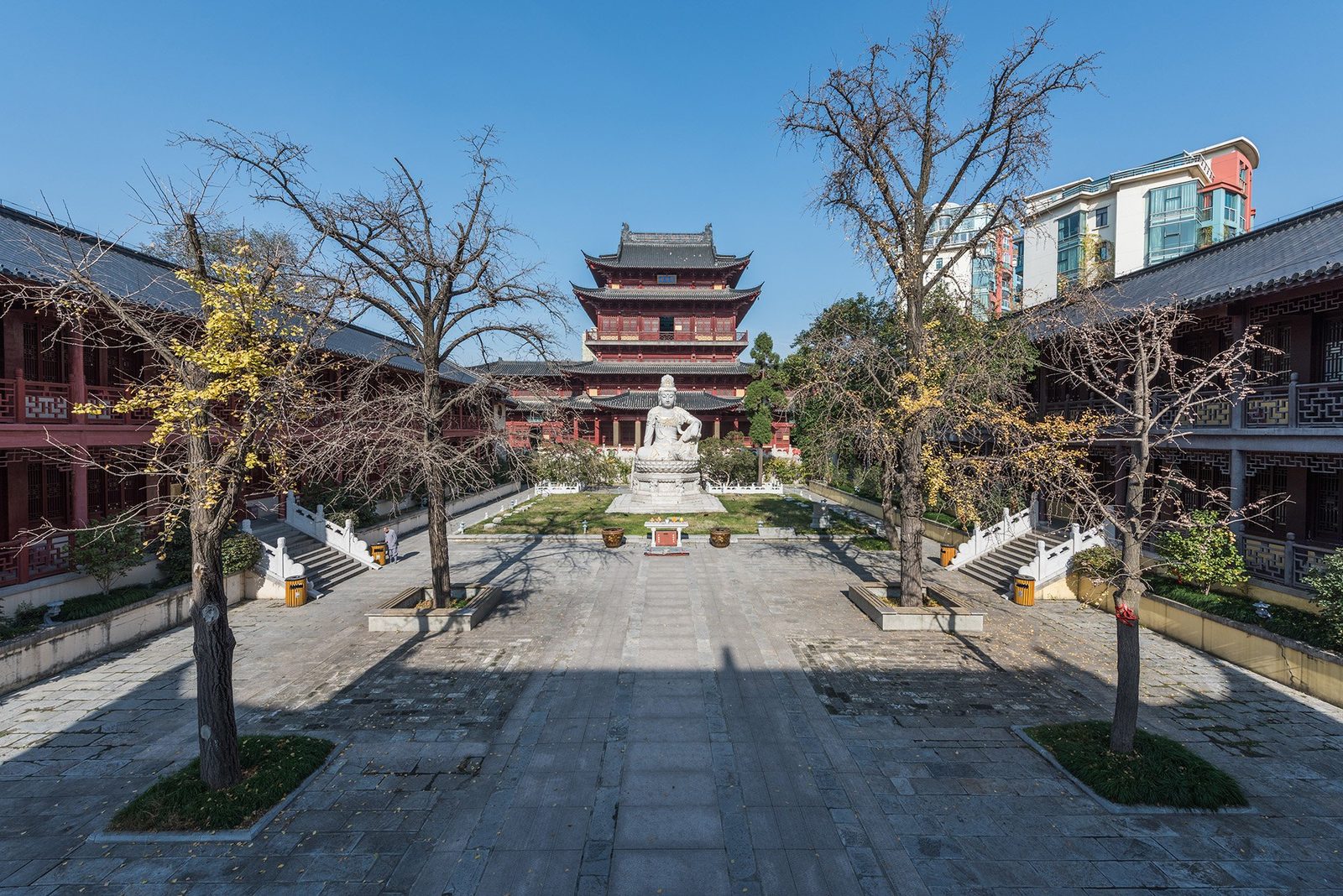
Built in the Ming Jiajing era, a Republican-era "famous temple of the capital" (Ten Thousand Buddha Tower), a social-media hit in ginkgo season (November). The temple is named after the Buddha Vairocana (Piluzhena); after the Qing viceroy of Liangjiang Zeng Guoquan restored it, incense flourished, and when the Republic made Nanjing its capital, its proximity to the Presidential Palace made it the "famous temple of the capital", where Republican statesmen often came to worship. Inside the Ten Thousand Buddha Tower, ten thousand small Buddhas line the walls tier upon tier, solemn and serene. Every November the two century-old ginkgo trees before the temple carpet the ground in gold; yellow leaves, yellow walls and upturned eaves compose effortless photos. In recent years the "ginkgo + ancient temple" pairing has gone viral on social media, making Pilu Temple one of Nanjing's hottest autumn photo spots — weekday mornings have the fewest crowds and the best light.
Getting there: Metro Line 2, Xi'anmen Station
Photos
More in Nanjing
- Sun Yat-sen Mausoleum
392 marble steps up Purple Mountain to the father of modern China.
- Ming Xiaoling Mausoleum
Sacred Way stone animals guarding the tomb of the Ming founder.
- Confucius Temple (Fuzimiao)
Qinhuai River lantern district; night cruise past painted boats.
- Zhonghua Gate
The world's largest castle-style city gate, 27 soldier hideouts inside.
- Sun Yat-sen Mausoleum
The mausoleum of Dr. Sun Yat-sen, begun in 1926 with his remains interred in 1929. The "Liberty Bell" ground plan by young architect Lü Yanzhi won a global design competition, a milestone of modern Chinese architectural history.
- Ming Xiaoling Mausoleum
The joint tomb of Ming founder Zhu Yuanzhang and Empress Ma, begun in 1381. It pioneered the "court in front, resting quarters behind" mausoleum layout, the wellspring of the Ming-Qing imperial tomb system; in 2003 it was inscribed as a UNESCO World Heritage Site as part of the extension of the Imperial Tombs of the Ming and Qing Dynasties.