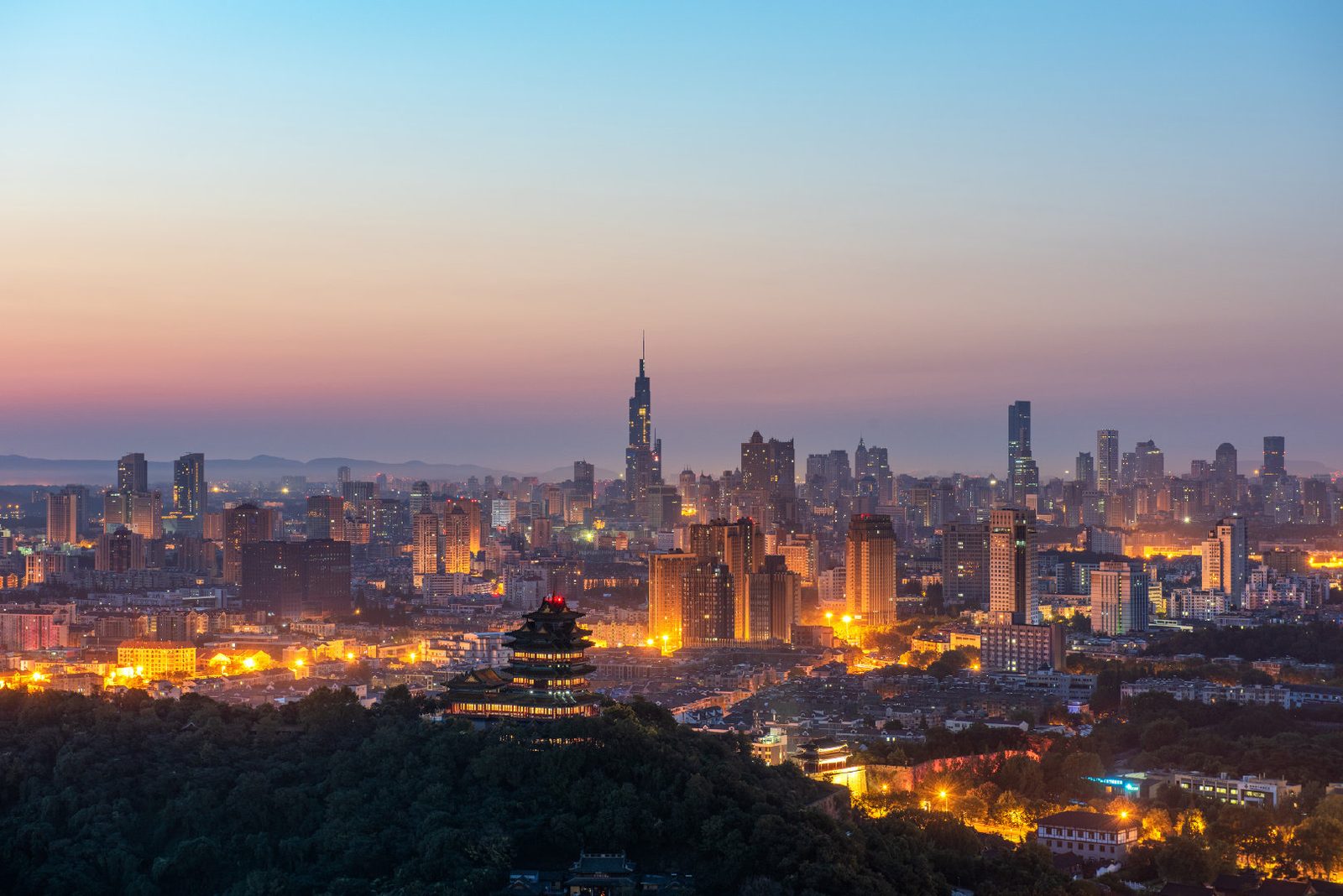
Nanjing Massacre Memorial Hall
A national memorial hall established in 1985 on the original site of the "10,000-corpse pit" mass grave at Jiangdongmen, where the remains of victims were found; its grey-and-black architectural complex bears the complete historical evidence of the 1937 Nanjing Massacre
Visitor info
- Opening hours
- 08:30-17:00 · closed Mondays
- Ticket
- Free (reservation required)
Price is indicative — final quote on inquiry.
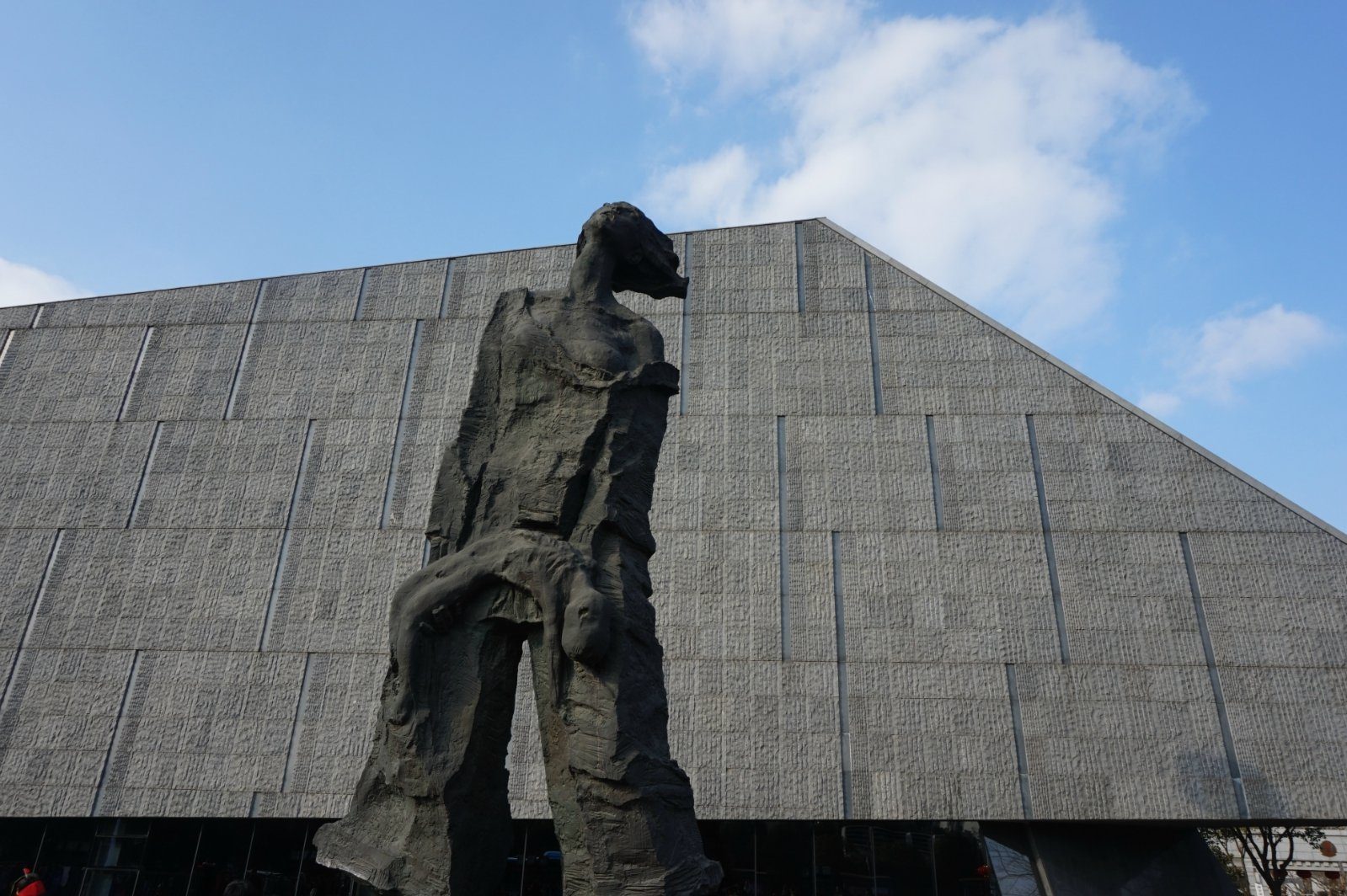
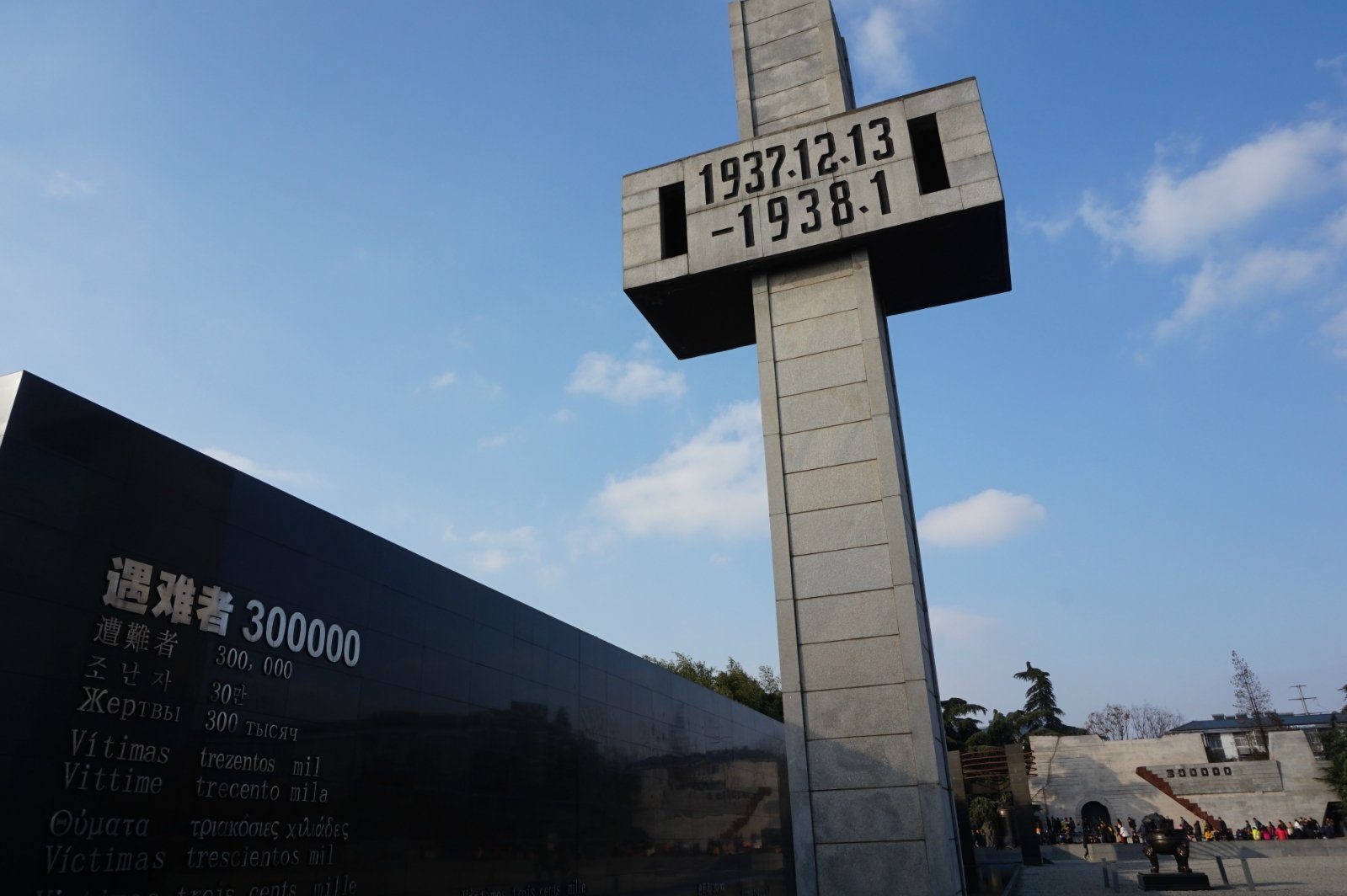
A national memorial hall established in 1985 on the original site of the "10,000-corpse pit" mass grave at Jiangdongmen, where the remains of victims were found; its grey-and-black architectural complex carries the complete historical evidence of the 1937 Nanjing Massacre. The historical exhibition hall strikes straight at the heart with its "300000" figure wall, the wall of victims' names and the excavated remains shown in situ; the Great Bell of Peace and the "Peace" sculpture group bring the narrative to rest on memory and peace. The national memorial ceremony is held here every December 13; the grounds are solemn and dignified—visits are kept silent throughout, and loud talking and photography are best avoided. It is the weightiest stop on a Nanjing trip, and the reservation system requires planning several days ahead.
Getting there: Metro Line 2, Yunjinlu Station
Photos
More in Nanjing
- Sun Yat-sen Mausoleum
392 marble steps up Purple Mountain to the father of modern China.
- Ming Xiaoling Mausoleum
Sacred Way stone animals guarding the tomb of the Ming founder.
- Confucius Temple (Fuzimiao)
Qinhuai River lantern district; night cruise past painted boats.
- Zhonghua Gate
The world's largest castle-style city gate, 27 soldier hideouts inside.
- Sun Yat-sen Mausoleum
The mausoleum of Dr. Sun Yat-sen, begun in 1926 with his remains interred in 1929. The "Liberty Bell" ground plan by young architect Lü Yanzhi won a global design competition, a milestone of modern Chinese architectural history.
- Ming Xiaoling Mausoleum
The joint tomb of Ming founder Zhu Yuanzhang and Empress Ma, begun in 1381. It pioneered the "court in front, resting quarters behind" mausoleum layout, the wellspring of the Ming-Qing imperial tomb system; in 2003 it was inscribed as a UNESCO World Heritage Site as part of the extension of the Imperial Tombs of the Ming and Qing Dynasties.