Qixia Temple
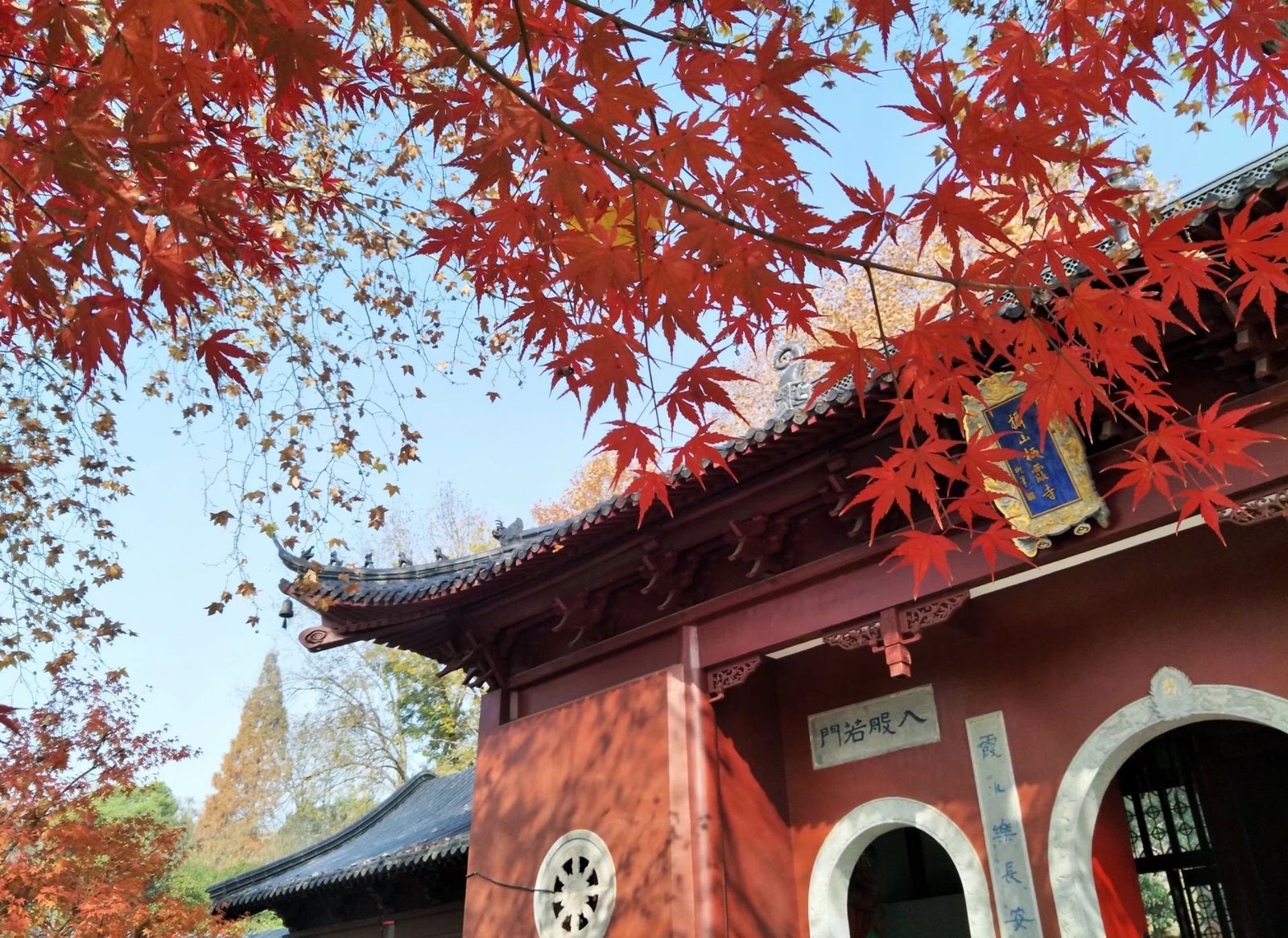
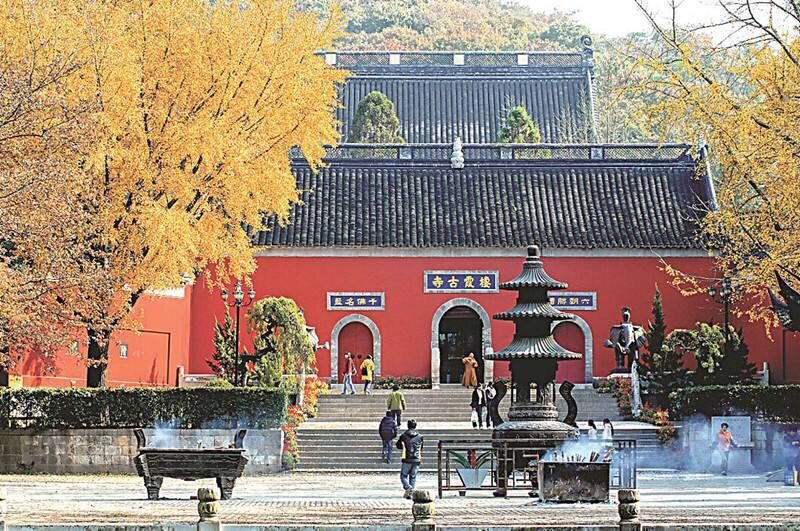
Built in the Southern Qi Yongming 2nd year (484) as the "foremost famous temple of Jinling", on Qixia Mountain (red-leaf festival mid-November to early December; "Niushou for spring, Qixia for autumn")
Visitor info
- Opening hours
- 06:30-17:30
- Ticket
- Qixia Mountain CNY 40 in red-leaf season
Price is indicative — final quote on inquiry.
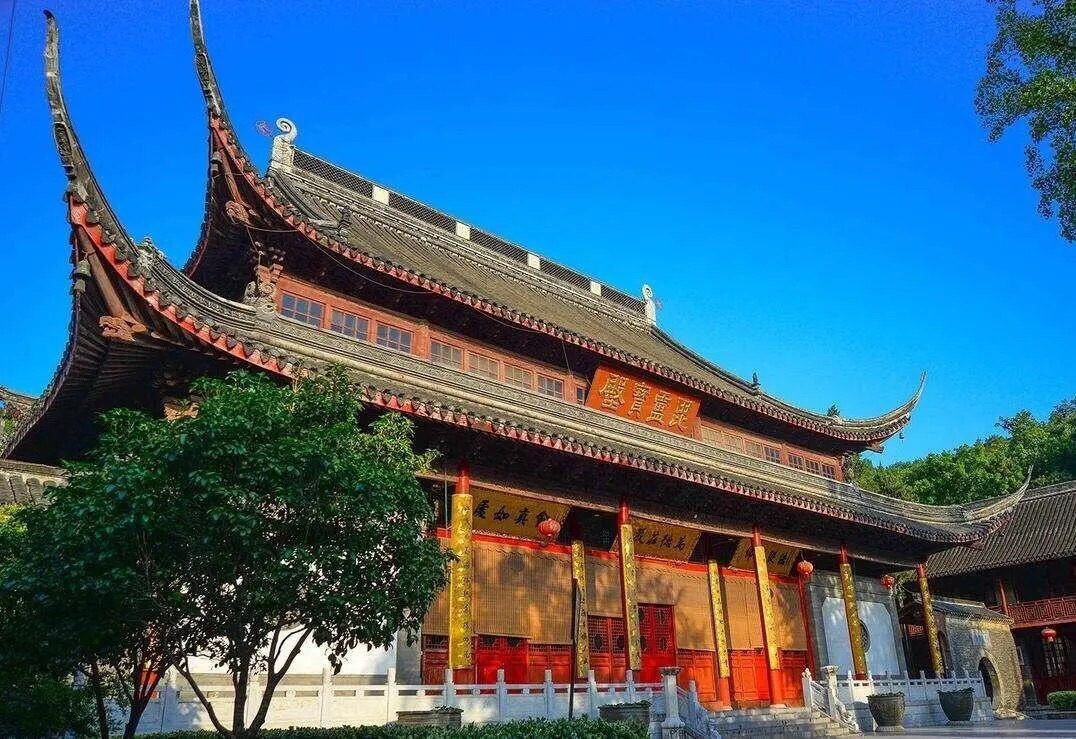
Built in the Southern Qi Yongming 2nd year (484) as the "foremost famous temple of Jinling", on Qixia Mountain (red-leaf festival mid-November to early December; "Niushou for spring, Qixia for autumn"); Qianfoyan Grottoes (Thousand Buddha Cliff, Southern Qi statues known as the "Yungang of the South") plus the Sarira Stupa (a five-story octagonal stone pagoda of the Sui dynasty). Qixia Mountain has long been summed up as "Niushou for spring, Qixia for autumn"; from mid-November to early December red maples blanket the mountain against the temple's yellow walls, making it East China's flagship red-leaf destination. The Qianfoyan Grottoes behind the temple were carved in the Southern Qi, contemporaneous with the Yungang Grottoes and thus dubbed the "Yungang of the South"; the Sui dynasty Sarira Stupa is a rare five-story octagonal stone pagoda. Legends of Emperor Qianlong lodging five times at the Sheshan temporary palace echo the name "Qixia"; his imperial stele, Shamao Peak and other spots dot the climbing trails — the densest humanistic content of any suburban mountain around Nanjing.
Getting there: Bus, Qixia / self-drive
Photos
More in Nanjing
- Sun Yat-sen Mausoleum
392 marble steps up Purple Mountain to the father of modern China.
- Ming Xiaoling Mausoleum
Sacred Way stone animals guarding the tomb of the Ming founder.
- Confucius Temple (Fuzimiao)
Qinhuai River lantern district; night cruise past painted boats.
- Zhonghua Gate
The world's largest castle-style city gate, 27 soldier hideouts inside.
- Sun Yat-sen Mausoleum
The mausoleum of Dr. Sun Yat-sen, begun in 1926 with his remains interred in 1929. The "Liberty Bell" ground plan by young architect Lü Yanzhi won a global design competition, a milestone of modern Chinese architectural history.
- Ming Xiaoling Mausoleum
The joint tomb of Ming founder Zhu Yuanzhang and Empress Ma, begun in 1381. It pioneered the "court in front, resting quarters behind" mausoleum layout, the wellspring of the Ming-Qing imperial tomb system; in 2003 it was inscribed as a UNESCO World Heritage Site as part of the extension of the Imperial Tombs of the Ming and Qing Dynasties.