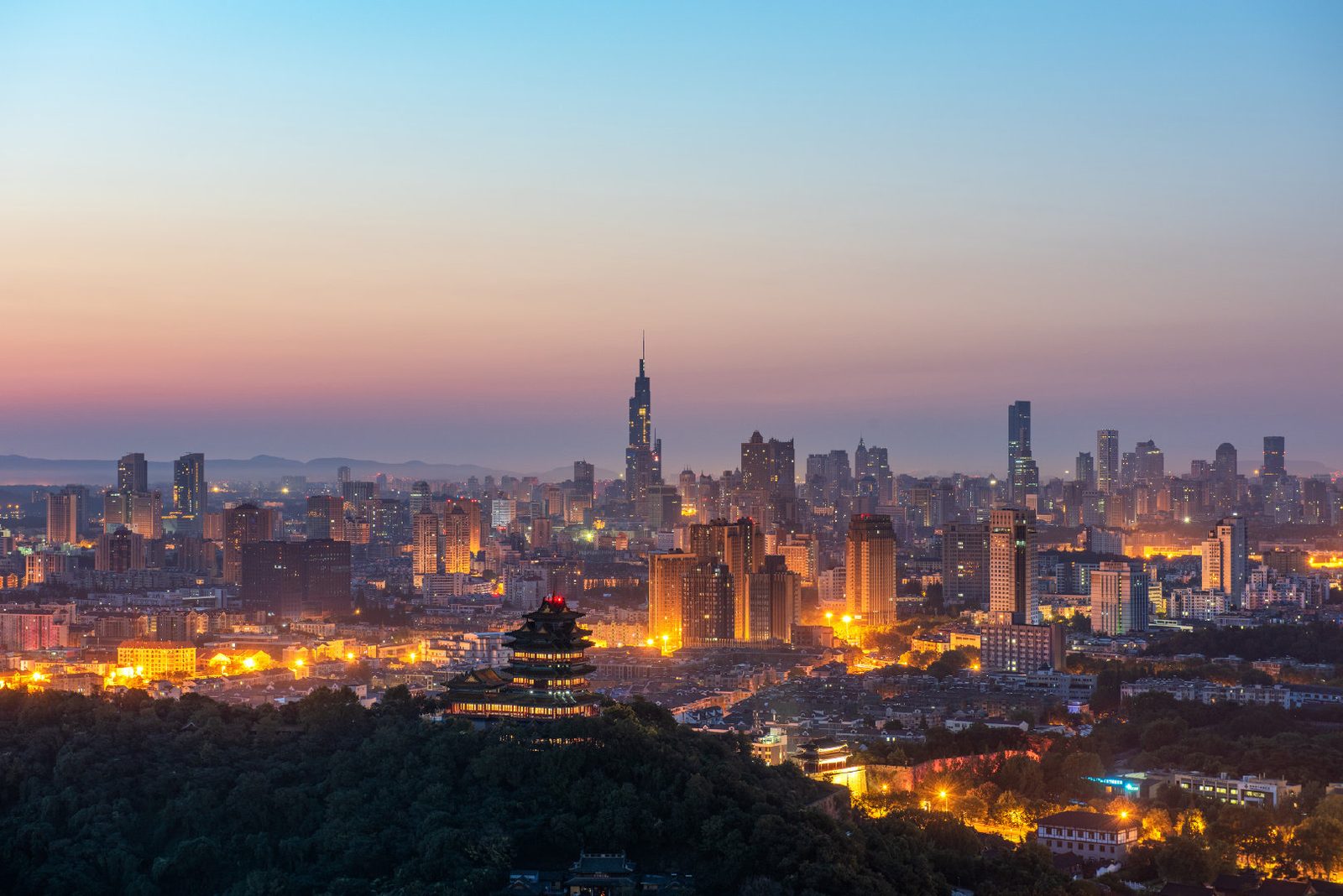
Tangshan Hot Springs · Homo Erectus Museum
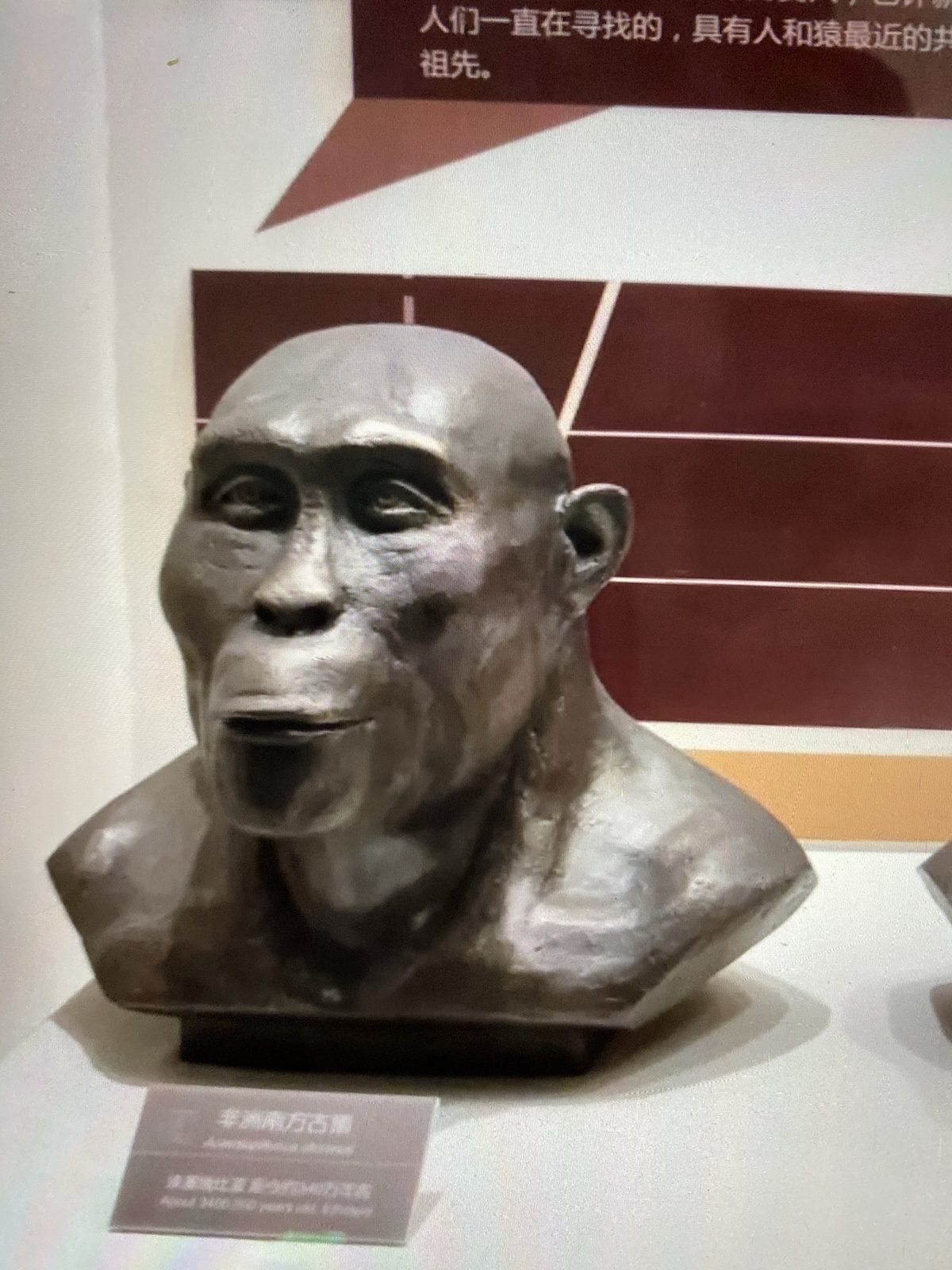
First of China's four great hot spring resorts (developed as the "Sacred Soup" in the Southern Dynasties 1,500 years ago); Tangshan Ape Man Cave (Nanjing Homo Erectus No. 1 skull fossil, 1993)
Visitor info
- Opening hours
- Open all day / Museum 09:00-16:30
- Ticket
- Hot springs pay-per-use · Museum CNY 30
Price is indicative — final quote on inquiry.
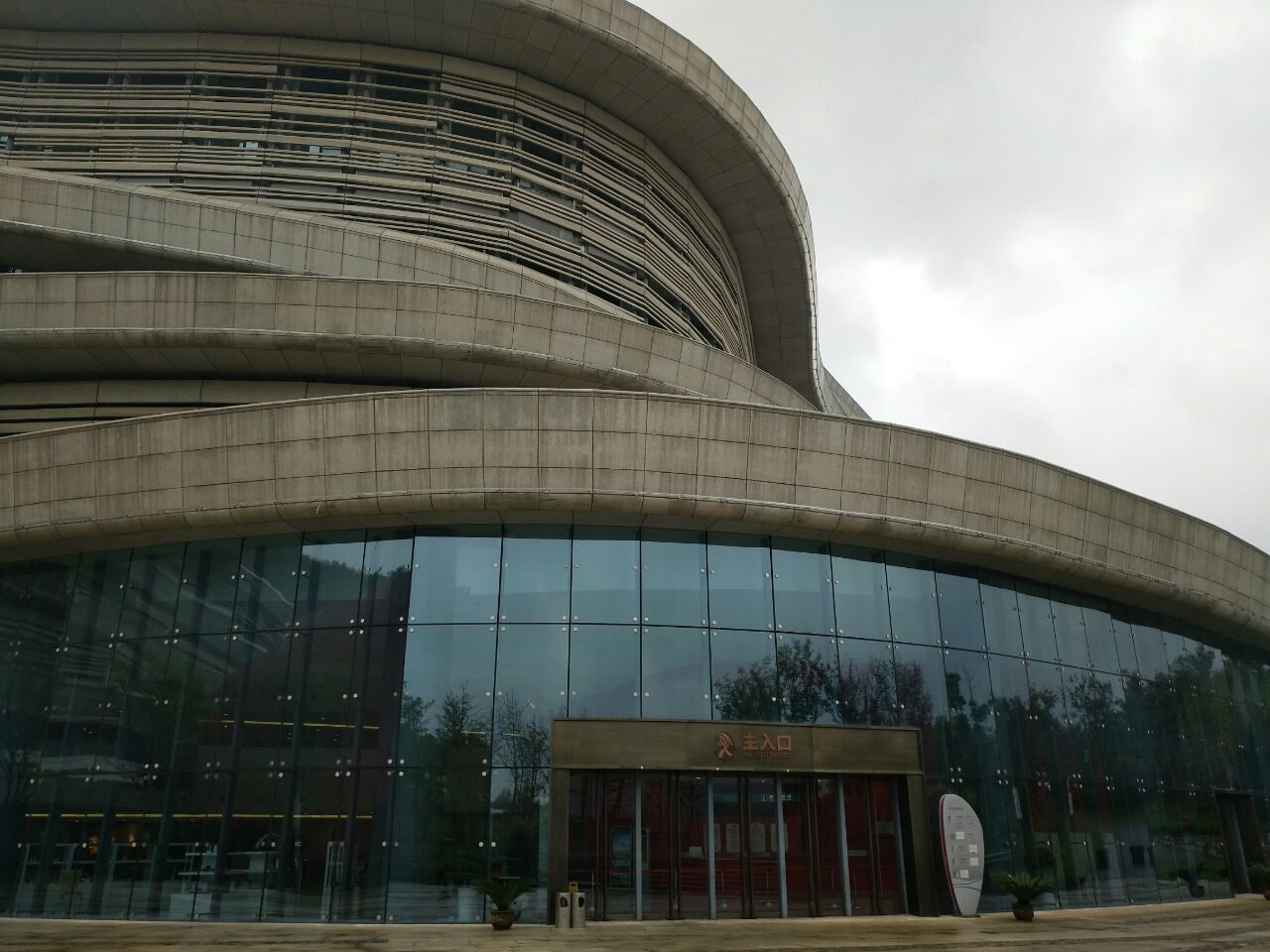
First of China's four great hot spring resorts (developed as the "Sacred Soup" in the Southern Dynasties 1,500 years ago); Tangshan Ape Man Cave (where the Nanjing Homo Erectus No. 1 skull fossil was found in 1993); Mine Pit Park (a converted quarry whose swing lawn is an internet hit). Tangshan Hot Springs have been developed since the Southern Dynasties as the "Sacred Soup," with a 1,500-year spa history and first place among China's four great hot spring resorts; today they combine high-end resort hotels with public soaking pools. The Nanjing Homo Erectus No. 1 skull fossil unearthed from Tangshan Ape Man Cave in 1993 rewrote the early-human history of East China, and the Homo Erectus Museum is organized around the theme of "human origins." The adjacent Mine Pit Park was created by ecologically restoring a quarry; its white rock walls, swing lawn and starry-sky bubble domes have become viral new landmarks. "Hot spring soak + geology study + quarry photos" makes up a classic Tangshan day trip.
Getting there: Metro Line S6, Tangshan Station
Photos
More in Nanjing
- Sun Yat-sen Mausoleum
392 marble steps up Purple Mountain to the father of modern China.
- Ming Xiaoling Mausoleum
Sacred Way stone animals guarding the tomb of the Ming founder.
- Confucius Temple (Fuzimiao)
Qinhuai River lantern district; night cruise past painted boats.
- Zhonghua Gate
The world's largest castle-style city gate, 27 soldier hideouts inside.
- Sun Yat-sen Mausoleum
The mausoleum of Dr. Sun Yat-sen, begun in 1926 with his remains interred in 1929. The "Liberty Bell" ground plan by young architect Lü Yanzhi won a global design competition, a milestone of modern Chinese architectural history.
- Ming Xiaoling Mausoleum
The joint tomb of Ming founder Zhu Yuanzhang and Empress Ma, begun in 1381. It pioneered the "court in front, resting quarters behind" mausoleum layout, the wellspring of the Ming-Qing imperial tomb system; in 2003 it was inscribed as a UNESCO World Heritage Site as part of the extension of the Imperial Tombs of the Ming and Qing Dynasties.