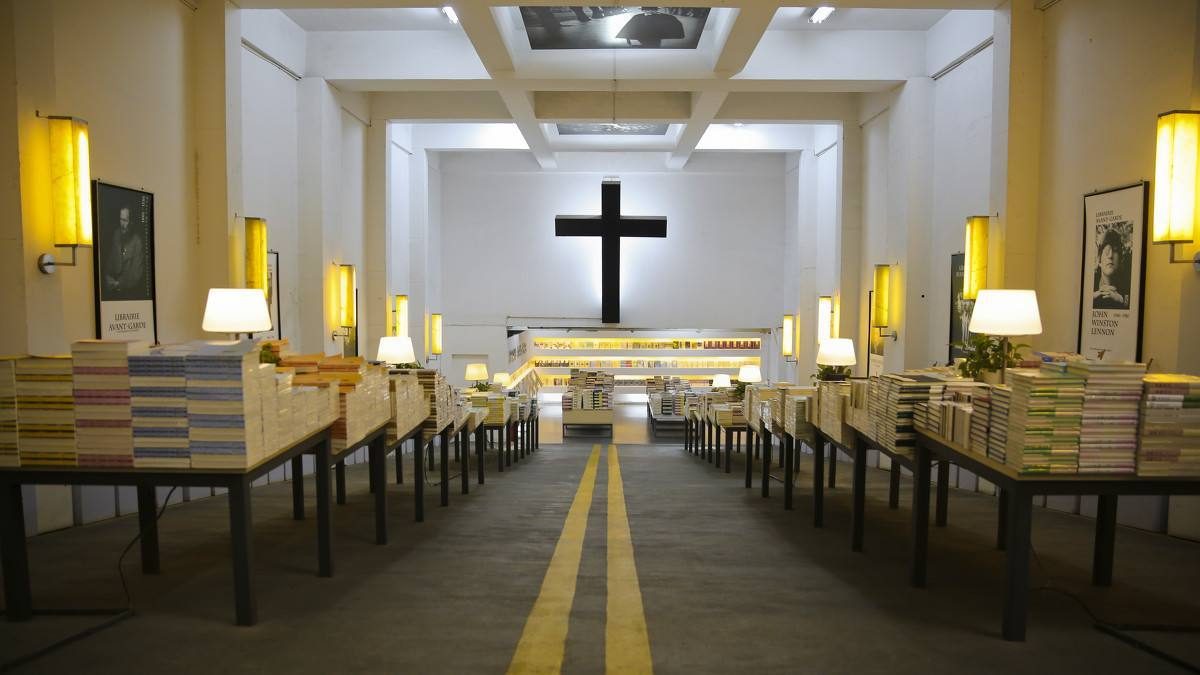
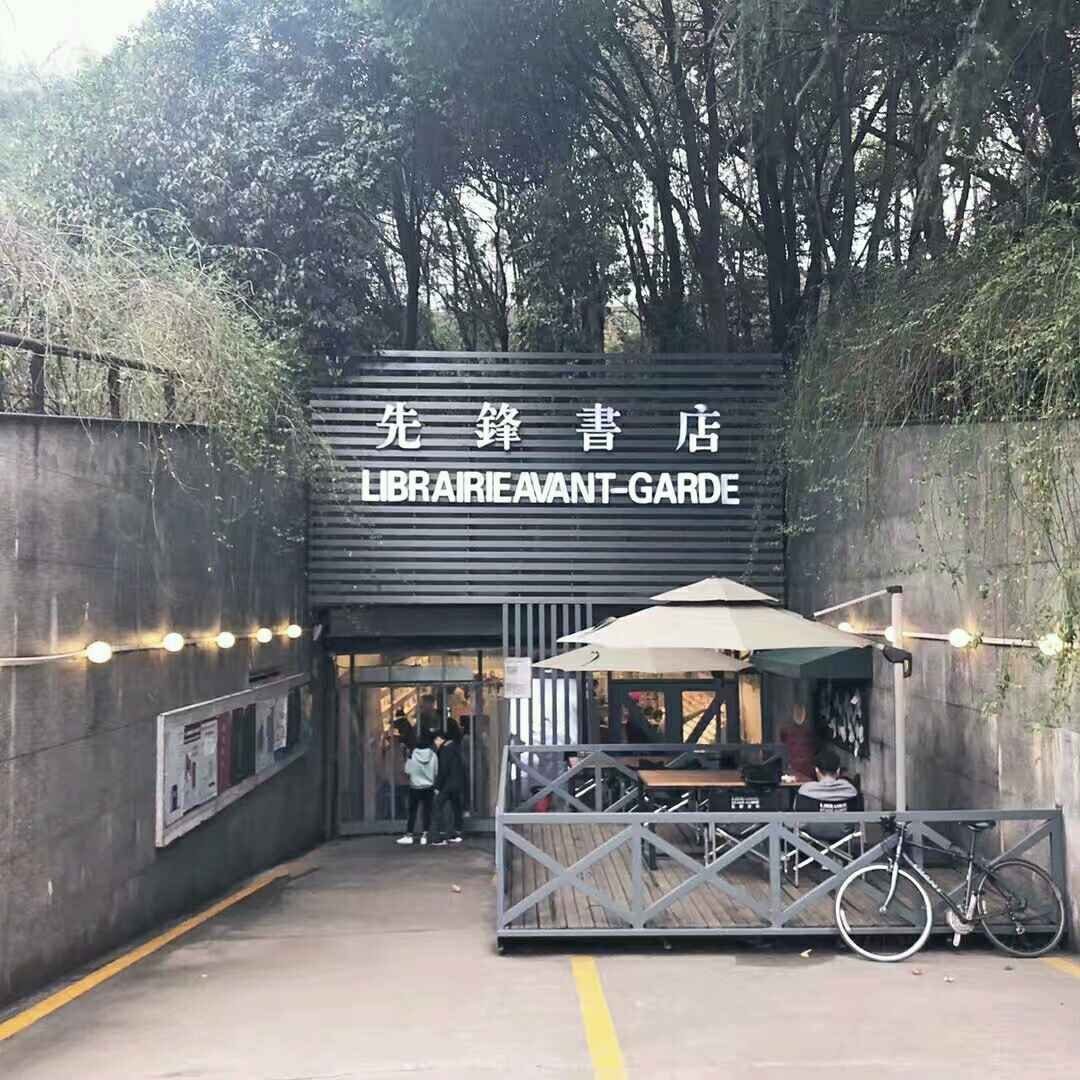
Librairie Avant-Garde (Wutaishan Branch)
The flagship store of Librairie Avant-Garde, founded by Qian Xiaohua in 1996 and converted from a Wutaishan air-raid shelter and underground garage, hailed as "China's most beautiful bookstore"
Visitor info
- Opening hours
- 10:00-22:00
- Ticket
- Free
Price is indicative — final quote on inquiry.
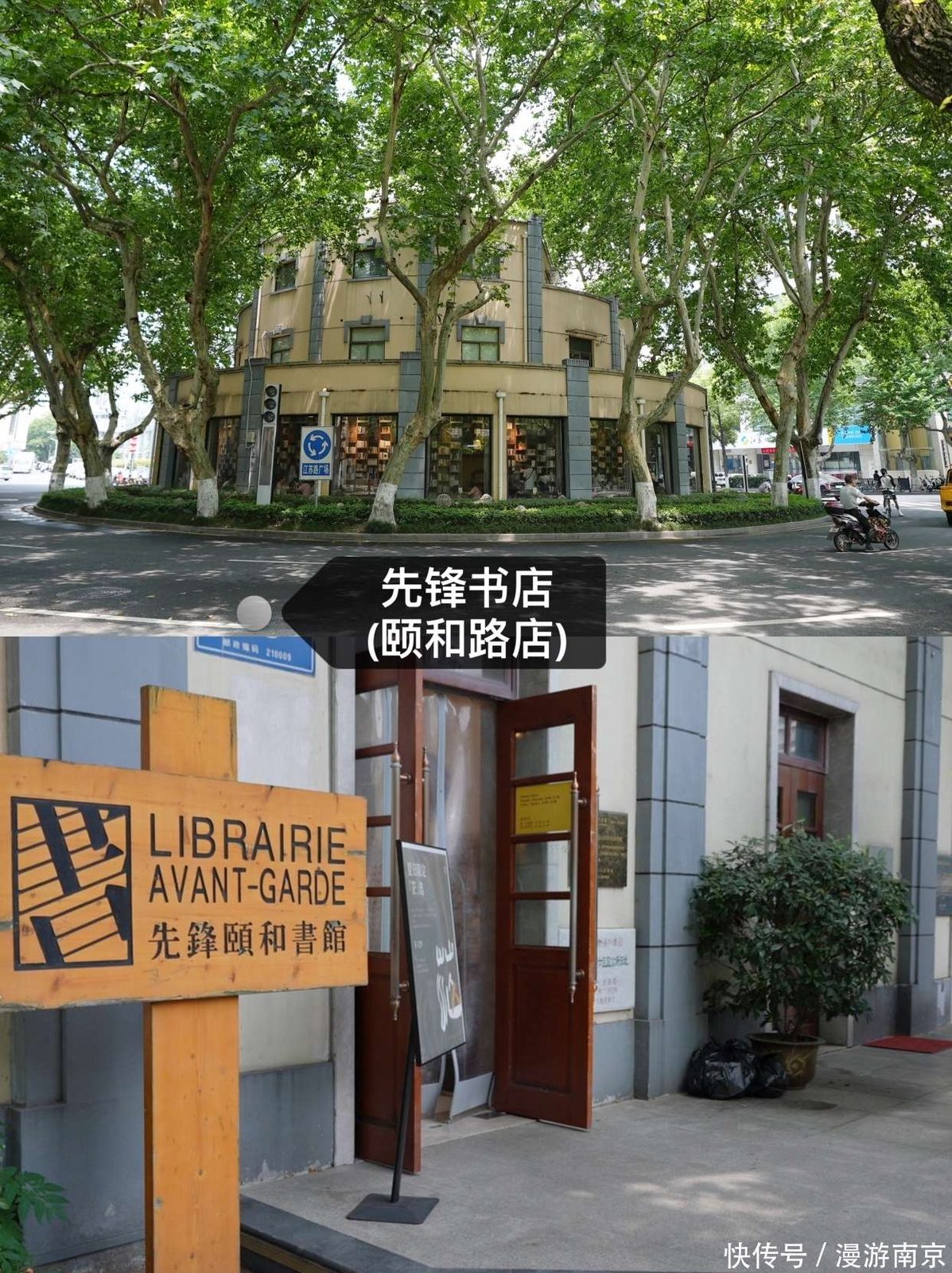
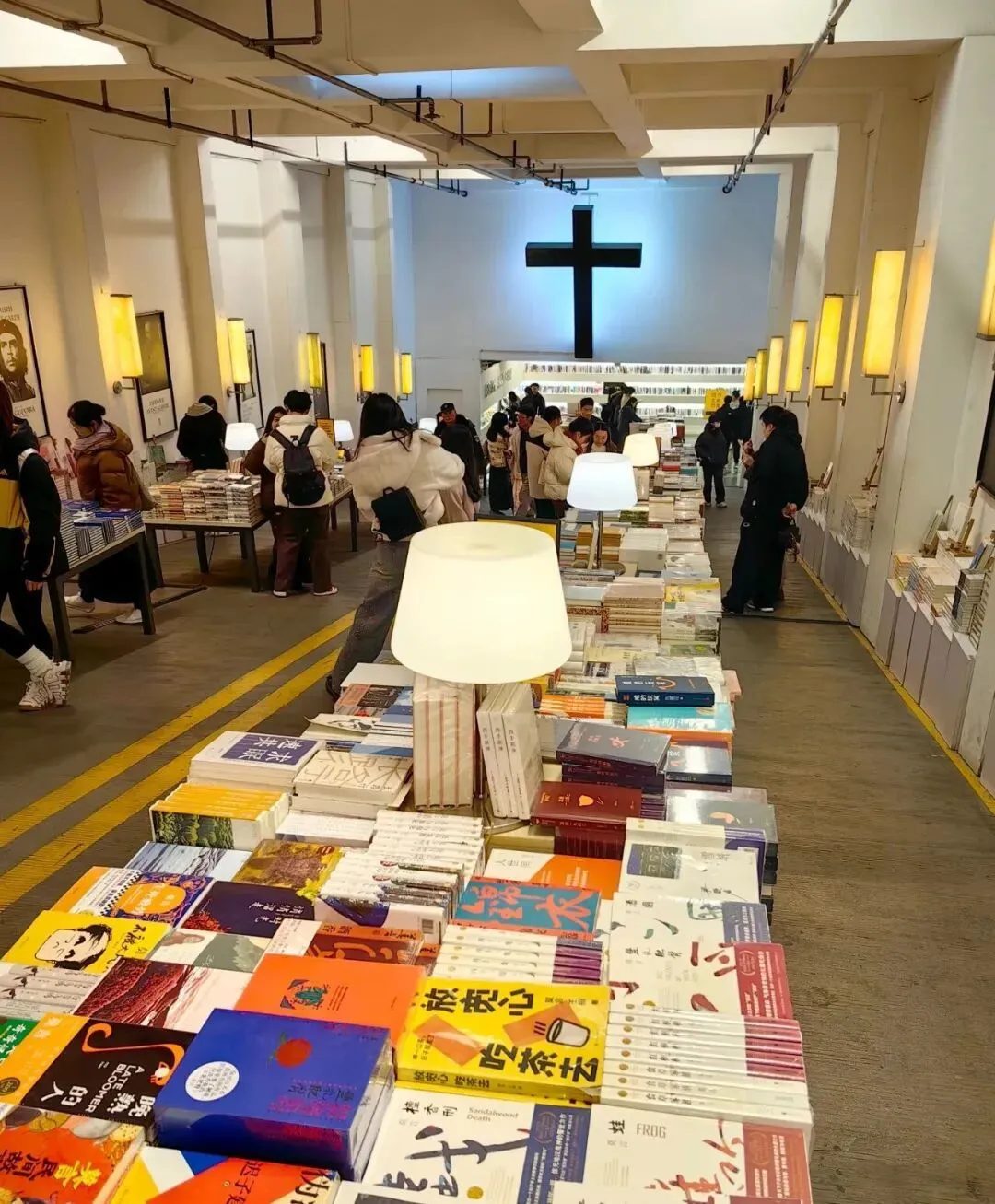
The flagship store of Librairie Avant-Garde, founded by Qian Xiaohua in 1996 and converted from a Wutaishan air-raid shelter and underground garage, hailed as "China's most beautiful bookstore". Its signature cross and black sloping ramp create a unique spatial sequence; book walls tower on both sides, and endless walls of postcards with celebrity inscriptions and readers' notes lend an intense humanistic atmosphere. The store regularly hosts author signings and poetry readings; it is Nanjing's cultural living room and a spiritual landmark, and mailing a postcard "sent from Nanjing" here has become a check-in ritual. It pairs well with the old streets around Yihe Road and Shanghai Road.
Getting there: Metro Line 2, Shanghai Road Station
Photos
More in Nanjing
- Sun Yat-sen Mausoleum
392 marble steps up Purple Mountain to the father of modern China.
- Ming Xiaoling Mausoleum
Sacred Way stone animals guarding the tomb of the Ming founder.
- Confucius Temple (Fuzimiao)
Qinhuai River lantern district; night cruise past painted boats.
- Zhonghua Gate
The world's largest castle-style city gate, 27 soldier hideouts inside.
- Sun Yat-sen Mausoleum
The mausoleum of Dr. Sun Yat-sen, begun in 1926 with his remains interred in 1929. The "Liberty Bell" ground plan by young architect Lü Yanzhi won a global design competition, a milestone of modern Chinese architectural history.
- Ming Xiaoling Mausoleum
The joint tomb of Ming founder Zhu Yuanzhang and Empress Ma, begun in 1381. It pioneered the "court in front, resting quarters behind" mausoleum layout, the wellspring of the Ming-Qing imperial tomb system; in 2003 it was inscribed as a UNESCO World Heritage Site as part of the extension of the Imperial Tombs of the Ming and Qing Dynasties.