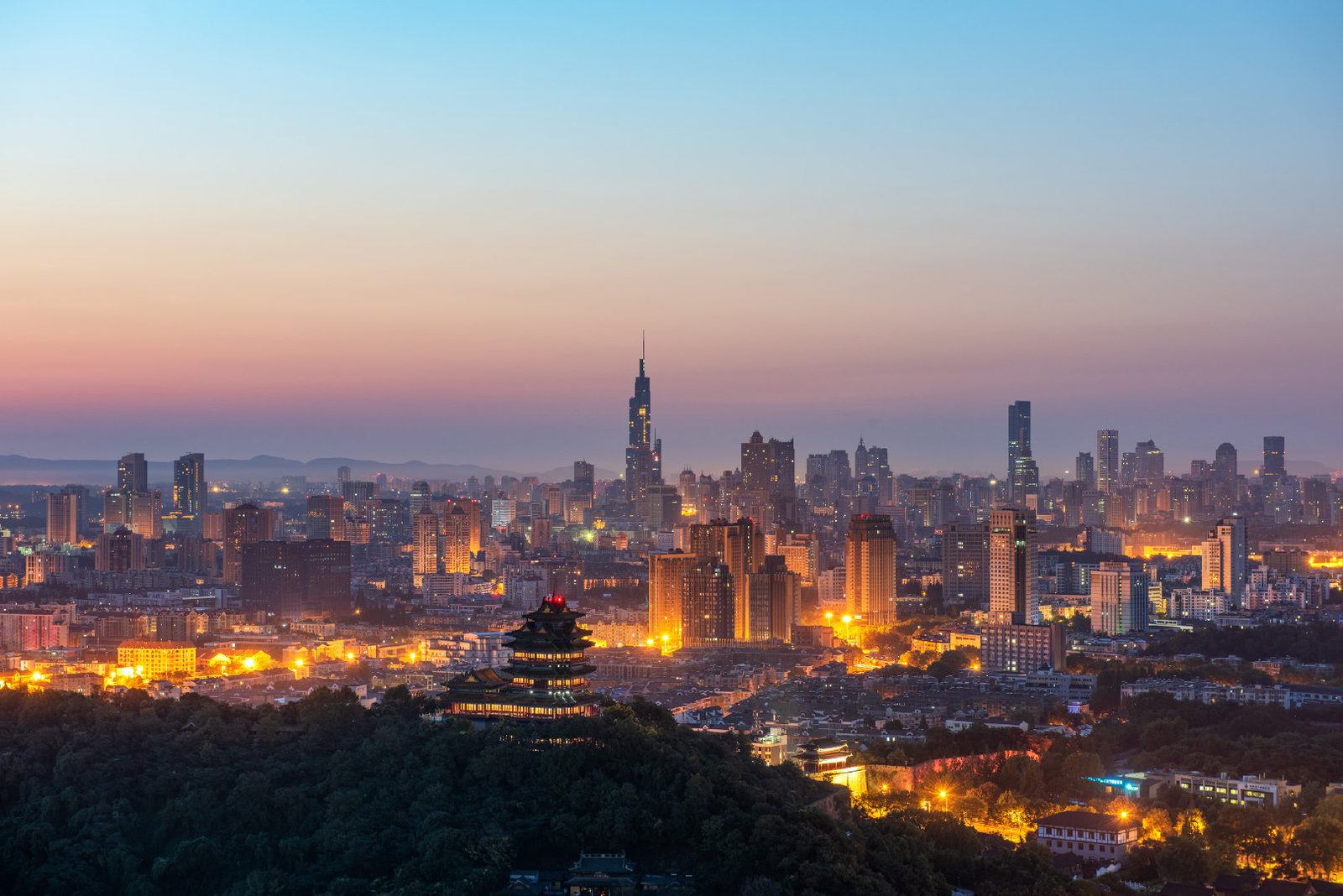
Xuanwu Lake · Taicheng
Six Dynasties royal garden lake known as "Sangbo" (one of China's largest imperial garden lakes); five islets (Huanzhou, Yingzhou, Liangzhou, Cuizhou, Lingzhou) linked by dikes and bridges
Visitor info
- Opening hours
- All day / city wall 08:00-18:00
- Ticket
- Xuanwu Lake free · Taicheng wall climb CNY 30
Price is indicative — final quote on inquiry.
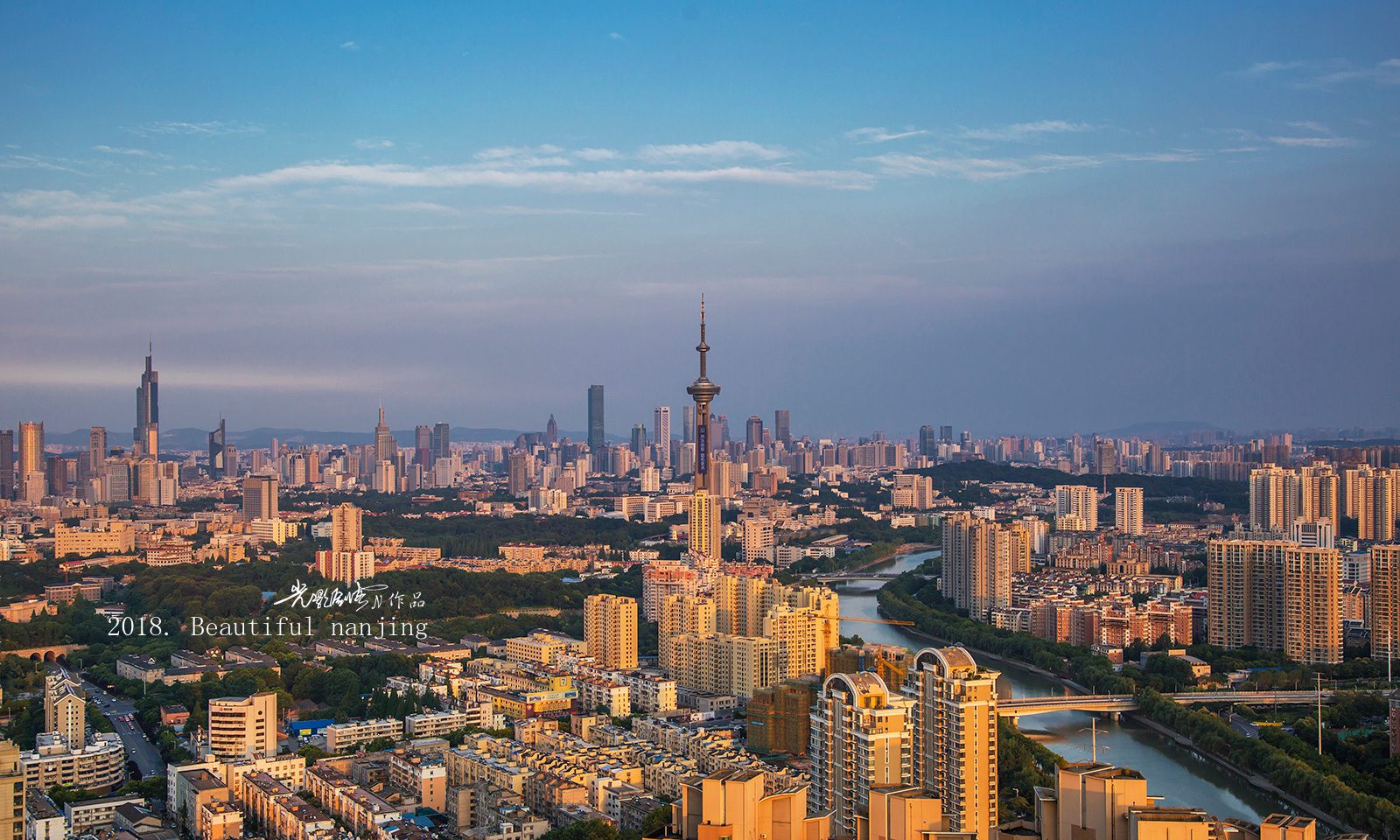
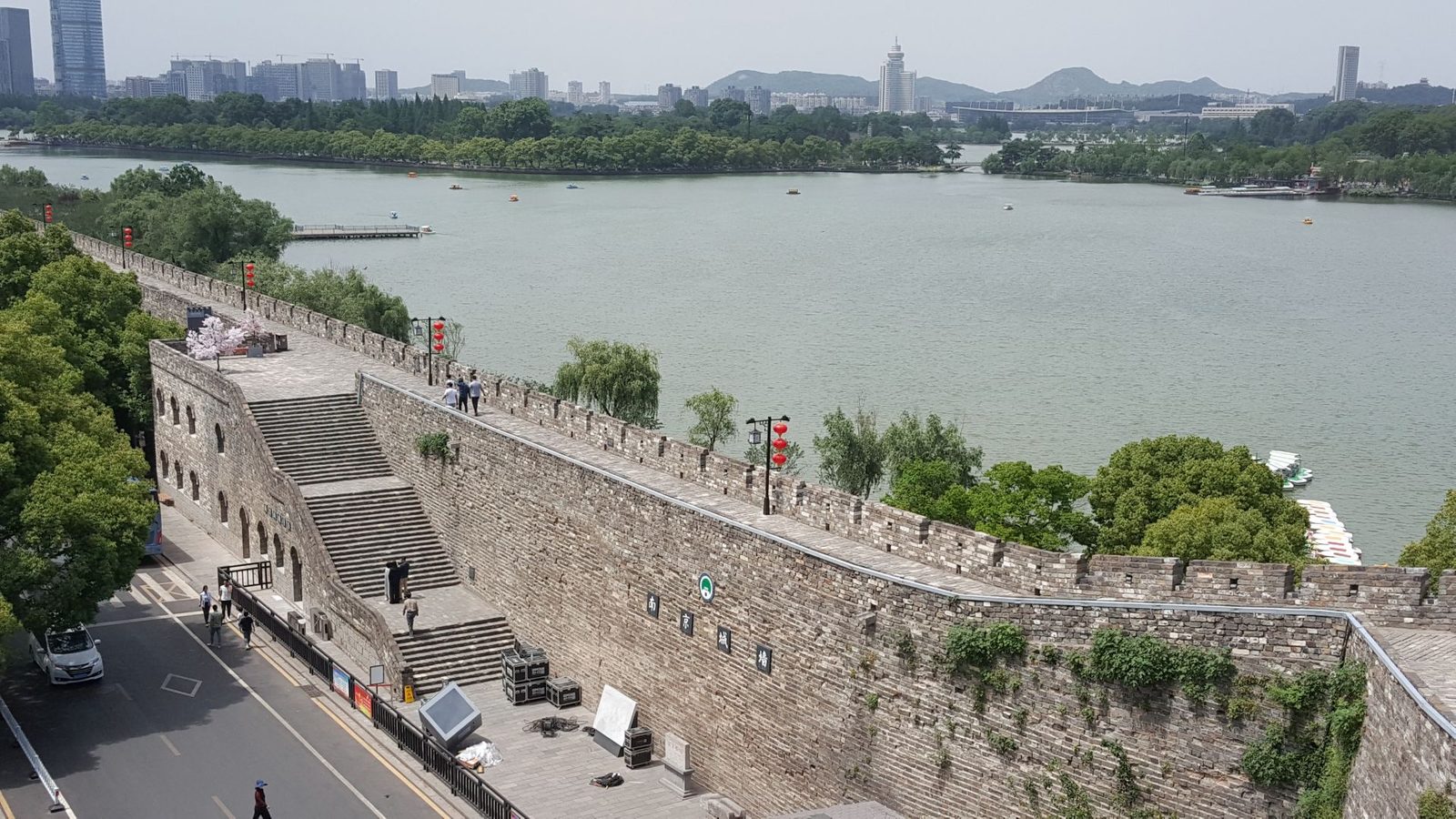
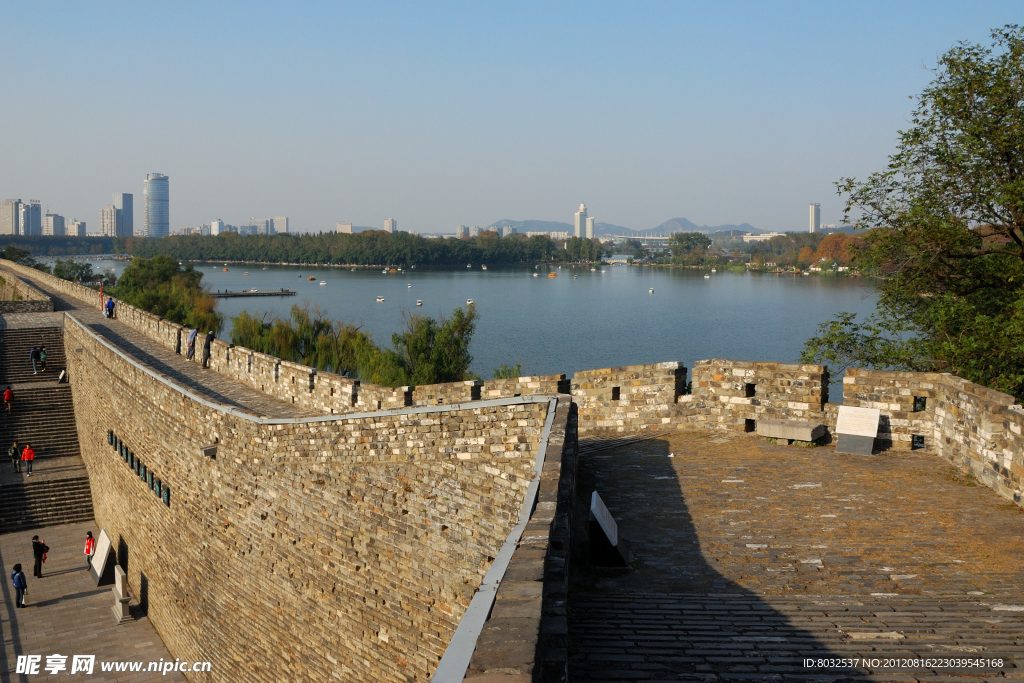
A Six Dynasties royal garden lake known as "Sangbo" (one of the largest imperial garden lakes in China); its five islets (Huanzhou, Yingzhou, Liangzhou, Cuizhou, Lingzhou) are linked by dikes and bridges; from the top of the Taicheng section of the Ming city wall (built 1386) you can frame Jiming Temple and Zifeng Tower together in one view. Xuanwu Lake became a royal preserve from the Southern Qi dynasty on and was a forbidden zone for the Ming Yellow Registers archives — "one lake holding two dynasties": the five central islets are joined by long dikes, with cherry blossoms on Huanzhou and ginkgoes on Liangzhou shifting with the seasons; the Taicheng wall is the most photogenic stretch of Nanjing's Ming city wall — from the top, Purple Mountain lies to the east, while to the west Jiming Temple's Yaowang Pagoda and Zifeng Tower frame past and present together; the misty Six Dynasties waters of "a thousand li of oriole song with green mirroring red" find a tangible footnote here, making it a golden route for an old-Nanjing citywalk.
Getting there: Metro Line 1, Xuanwumen Station
Photos
More in Nanjing
- Sun Yat-sen Mausoleum
392 marble steps up Purple Mountain to the father of modern China.
- Ming Xiaoling Mausoleum
Sacred Way stone animals guarding the tomb of the Ming founder.
- Confucius Temple (Fuzimiao)
Qinhuai River lantern district; night cruise past painted boats.
- Zhonghua Gate
The world's largest castle-style city gate, 27 soldier hideouts inside.
- Sun Yat-sen Mausoleum
The mausoleum of Dr. Sun Yat-sen, begun in 1926 with his remains interred in 1929. The "Liberty Bell" ground plan by young architect Lü Yanzhi won a global design competition, a milestone of modern Chinese architectural history.
- Ming Xiaoling Mausoleum
The joint tomb of Ming founder Zhu Yuanzhang and Empress Ma, begun in 1381. It pioneered the "court in front, resting quarters behind" mausoleum layout, the wellspring of the Ming-Qing imperial tomb system; in 2003 it was inscribed as a UNESCO World Heritage Site as part of the extension of the Imperial Tombs of the Ming and Qing Dynasties.