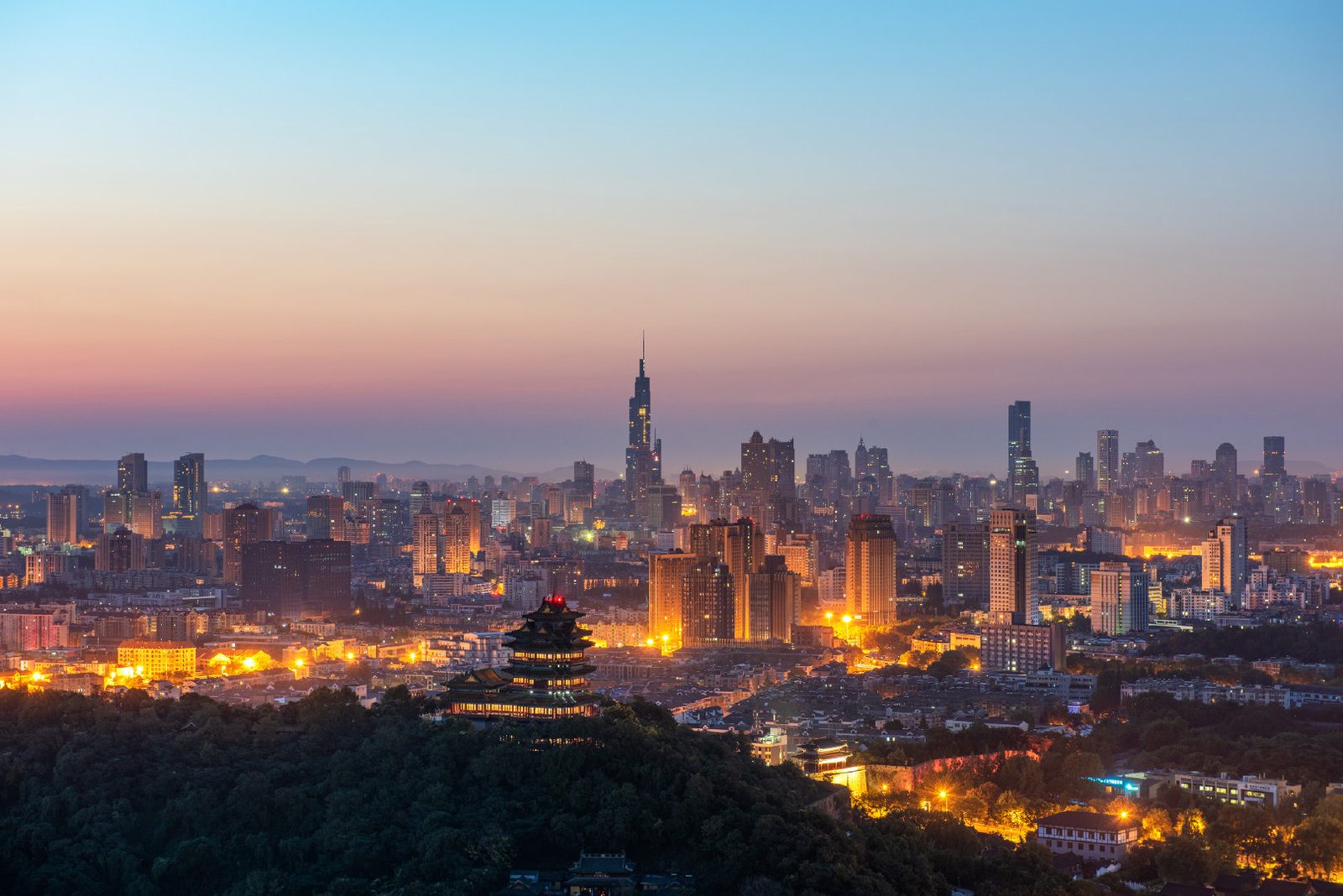
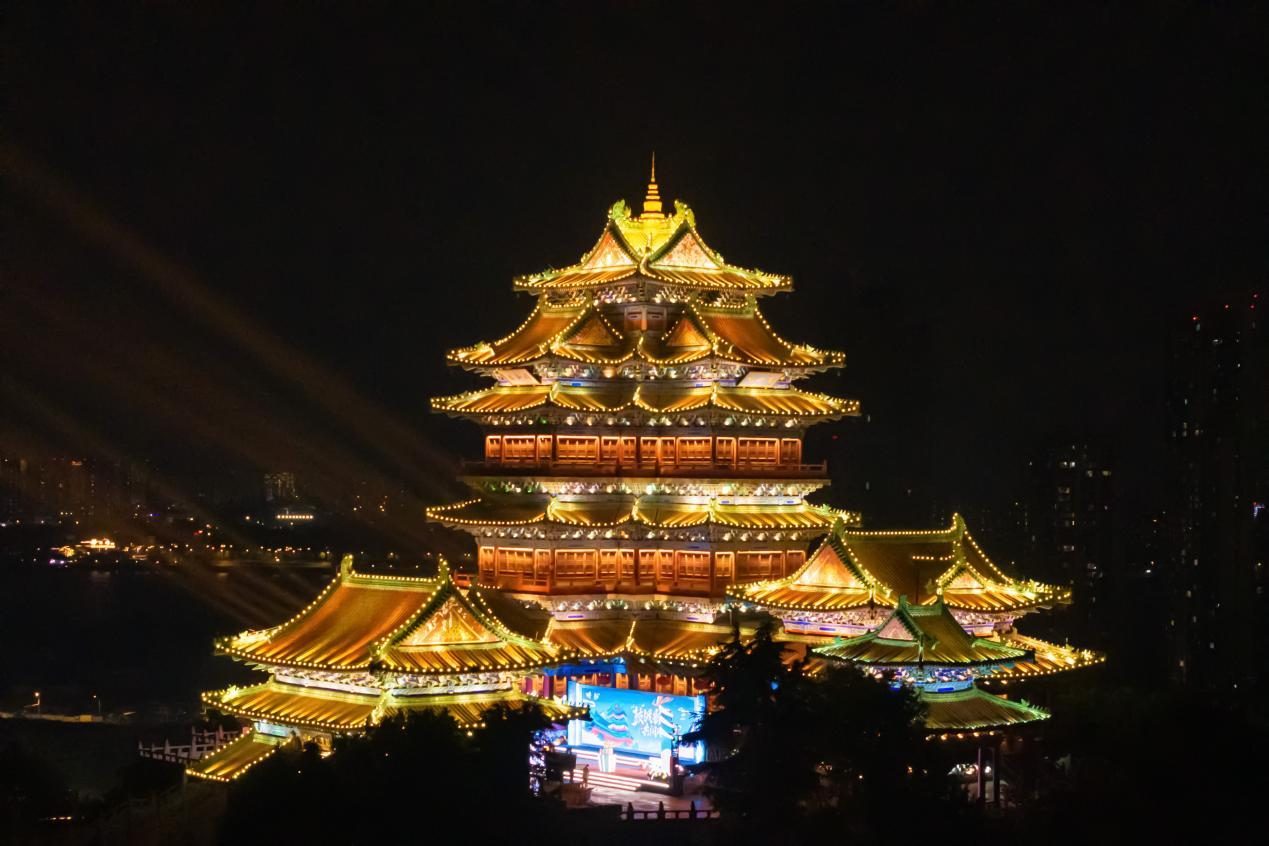
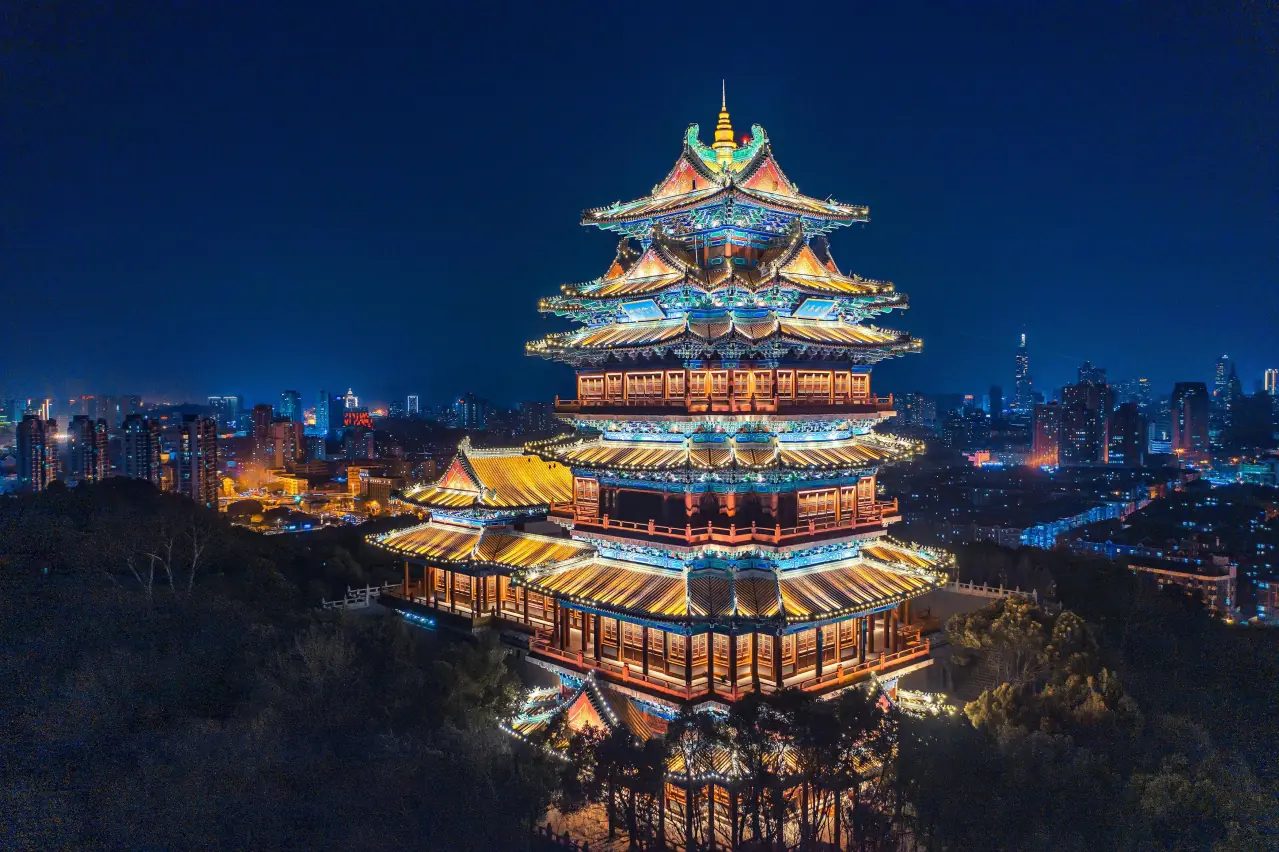
Yuejiang Tower
On the crest of Lion Hill; Zhu Yuanzhang's Ming Hongwu-era "Record of Yuejiang Tower" left 600 years of "a record without a tower"; completed in 2001 (51.4 m, one of China's Ten Great Cultural Towers); views of the Yangtze River Bridge
Visitor info
- Opening hours
- 08:00-17:30
- Ticket
- CNY 50
Price is indicative — final quote on inquiry.
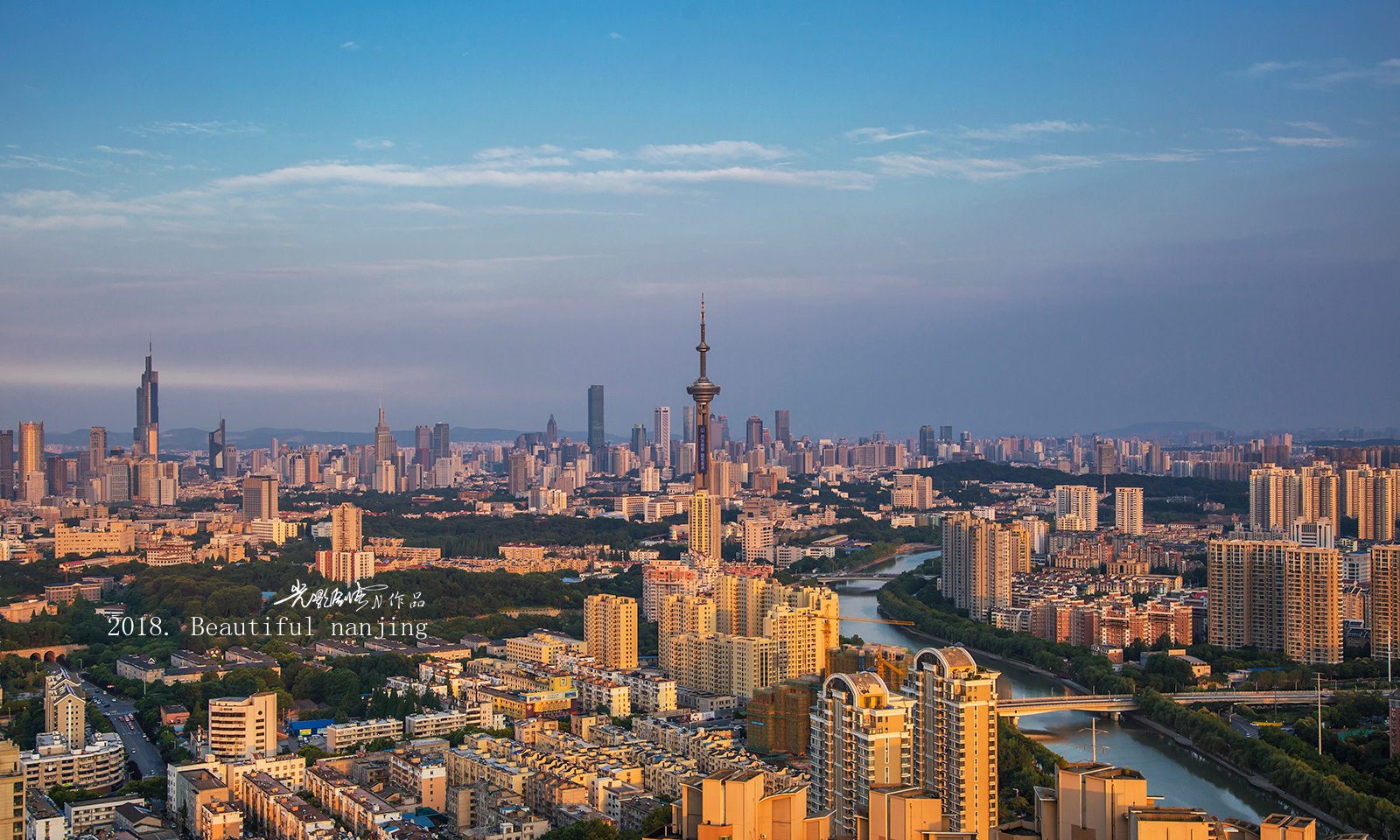
On the crest of Lion Hill: Zhu Yuanzhang's Ming Hongwu-era "Record of Yuejiang Tower" left 600 years of "a record without a tower", until it was finally completed in 2001 (51.4 m, one of China's Ten Great Cultural Towers), overlooking the Yangtze River Bridge. Zhu Yuanzhang personally wrote the "Record of Yuejiang Tower" and had his ministers compose essays on the same theme, but the tower's construction was halted, leaving the 600-year mystery of "a record without a tower"; only in 2001 was it built in the style of Song-Yuan dynasty towers — a rare case in Chinese architectural history of a famous tower "completed in retrospect". The main tower's green tiles and vermilion columns borrow views with the Yangtze River Bridge and Nanjing's city walls; from the top, watch the mighty Yangtze roll east — the best viewing platform for the grandeur of "a great river and a great city".
Getting there: Metro Line 1, Xinmofan Road Station, then bus / by taxi
Photos
More in Nanjing
- Sun Yat-sen Mausoleum
392 marble steps up Purple Mountain to the father of modern China.
- Ming Xiaoling Mausoleum
Sacred Way stone animals guarding the tomb of the Ming founder.
- Confucius Temple (Fuzimiao)
Qinhuai River lantern district; night cruise past painted boats.
- Zhonghua Gate
The world's largest castle-style city gate, 27 soldier hideouts inside.
- Sun Yat-sen Mausoleum
The mausoleum of Dr. Sun Yat-sen, begun in 1926 with his remains interred in 1929. The "Liberty Bell" ground plan by young architect Lü Yanzhi won a global design competition, a milestone of modern Chinese architectural history.
- Ming Xiaoling Mausoleum
The joint tomb of Ming founder Zhu Yuanzhang and Empress Ma, begun in 1381. It pioneered the "court in front, resting quarters behind" mausoleum layout, the wellspring of the Ming-Qing imperial tomb system; in 2003 it was inscribed as a UNESCO World Heritage Site as part of the extension of the Imperial Tombs of the Ming and Qing Dynasties.