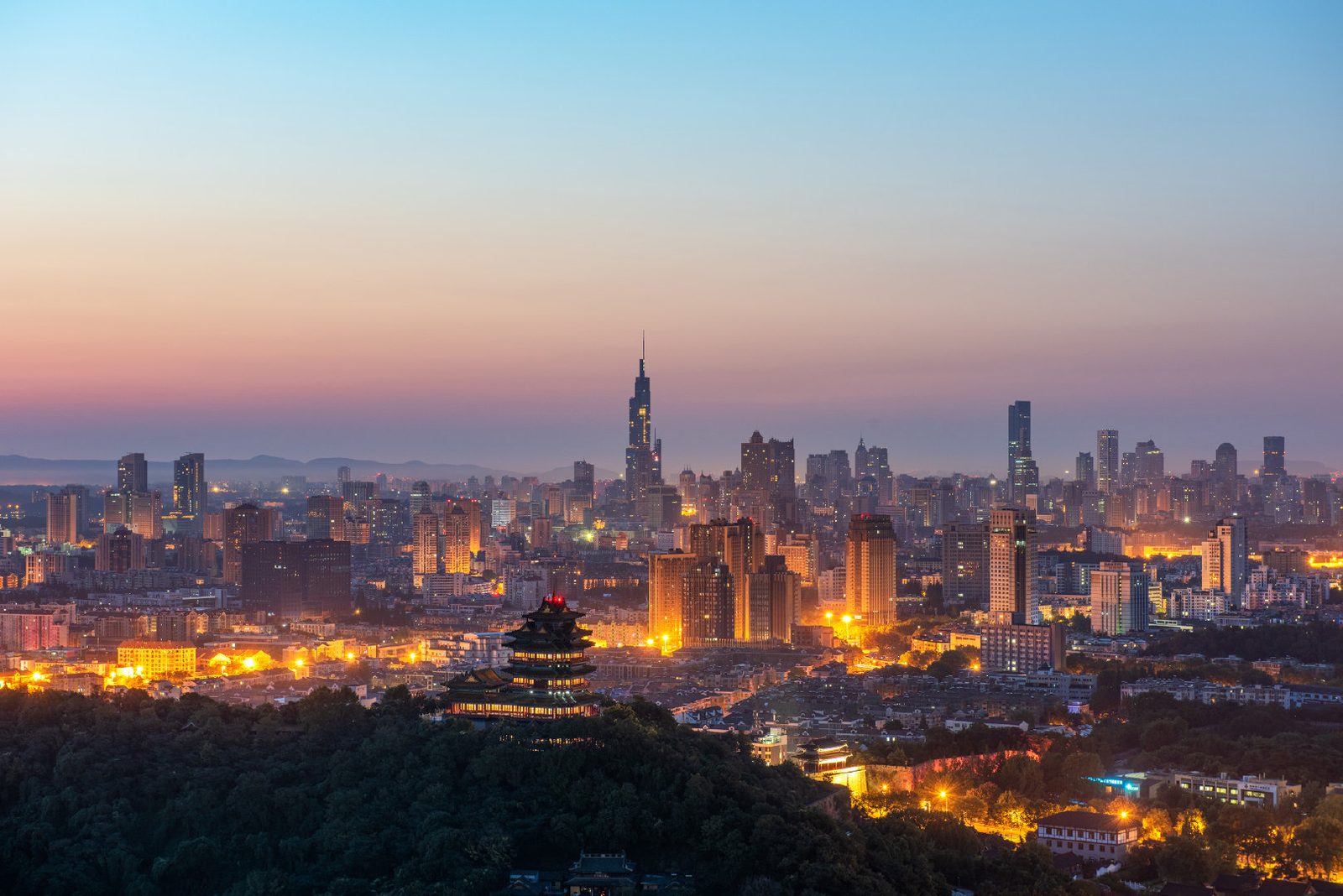
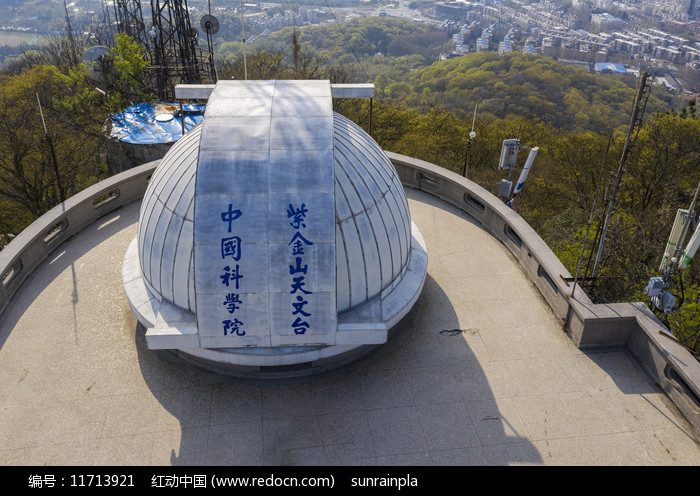
Purple Mountain Observatory
China's first modern observatory, completed in 1934 on the third peak of Purple Mountain, hailed as "the cradle of modern Chinese astronomy"; today a science-outreach observing station and a museum on its historic site
Visitor info
- Opening hours
- 08:30-17:00
- Ticket
- CNY 15
Price is indicative — final quote on inquiry.
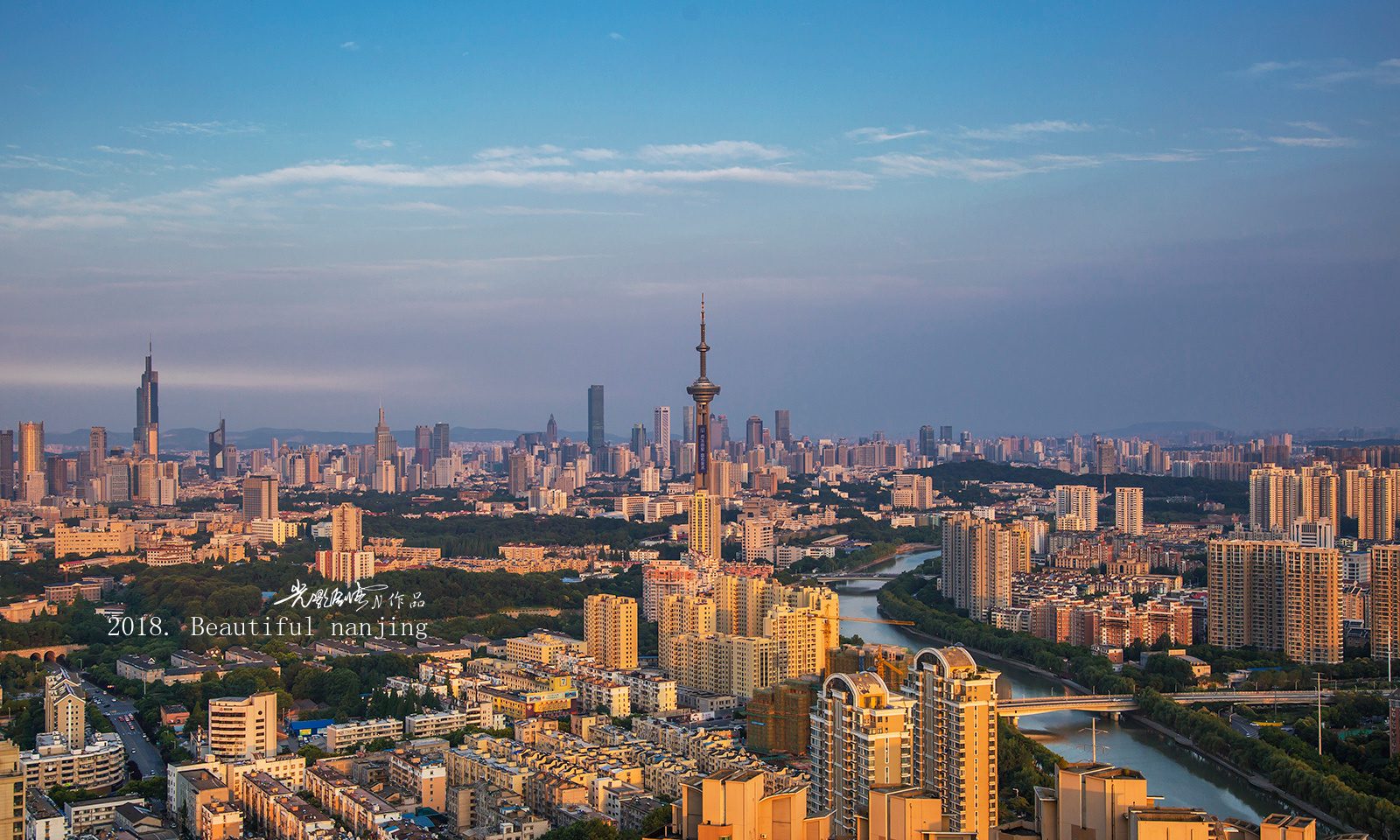
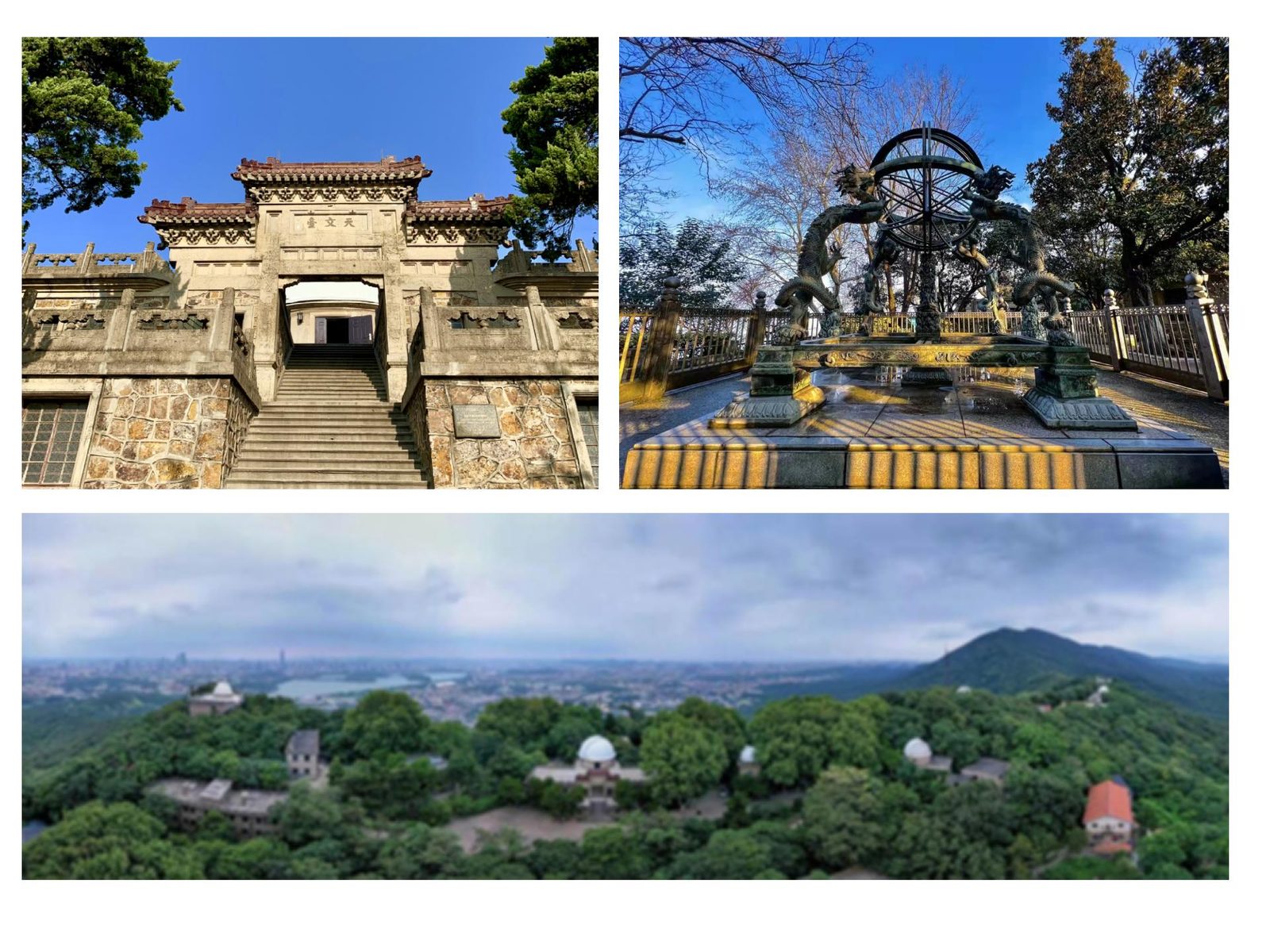
China's first modern observatory, completed in 1934 on the third peak of Purple Mountain, hailed as "the cradle of modern Chinese astronomy"; today a science-outreach observing station and a museum on its historic site. Its most precious holdings are ancient astronomical instruments replicated during the Ming and Qing dynasties—the armillary sphere (hunyi), simplified armilla (jianyi) and celestial globe (tiantiyi) among them—whose originals were copied in the Ming Zhengtong reign from the Yuan astronomer Guo Shoujing's instruments; national-treasure-level astronomical artifacts that fix a thousand years of Chinese sky-watching onto the mountaintop platform. To go up, take the cable car to mid-mountain and walk the rest; the vantage over Nanjing city and Xuanwu Lake is superb, and astronomy fans and families with kids especially shouldn't miss it.
Getting there: Purple Mountain, by cable car / on foot
Photos
More in Nanjing
- Sun Yat-sen Mausoleum
392 marble steps up Purple Mountain to the father of modern China.
- Ming Xiaoling Mausoleum
Sacred Way stone animals guarding the tomb of the Ming founder.
- Confucius Temple (Fuzimiao)
Qinhuai River lantern district; night cruise past painted boats.
- Zhonghua Gate
The world's largest castle-style city gate, 27 soldier hideouts inside.
- Sun Yat-sen Mausoleum
The mausoleum of Dr. Sun Yat-sen, begun in 1926 with his remains interred in 1929. The "Liberty Bell" ground plan by young architect Lü Yanzhi won a global design competition, a milestone of modern Chinese architectural history.
- Ming Xiaoling Mausoleum
The joint tomb of Ming founder Zhu Yuanzhang and Empress Ma, begun in 1381. It pioneered the "court in front, resting quarters behind" mausoleum layout, the wellspring of the Ming-Qing imperial tomb system; in 2003 it was inscribed as a UNESCO World Heritage Site as part of the extension of the Imperial Tombs of the Ming and Qing Dynasties.