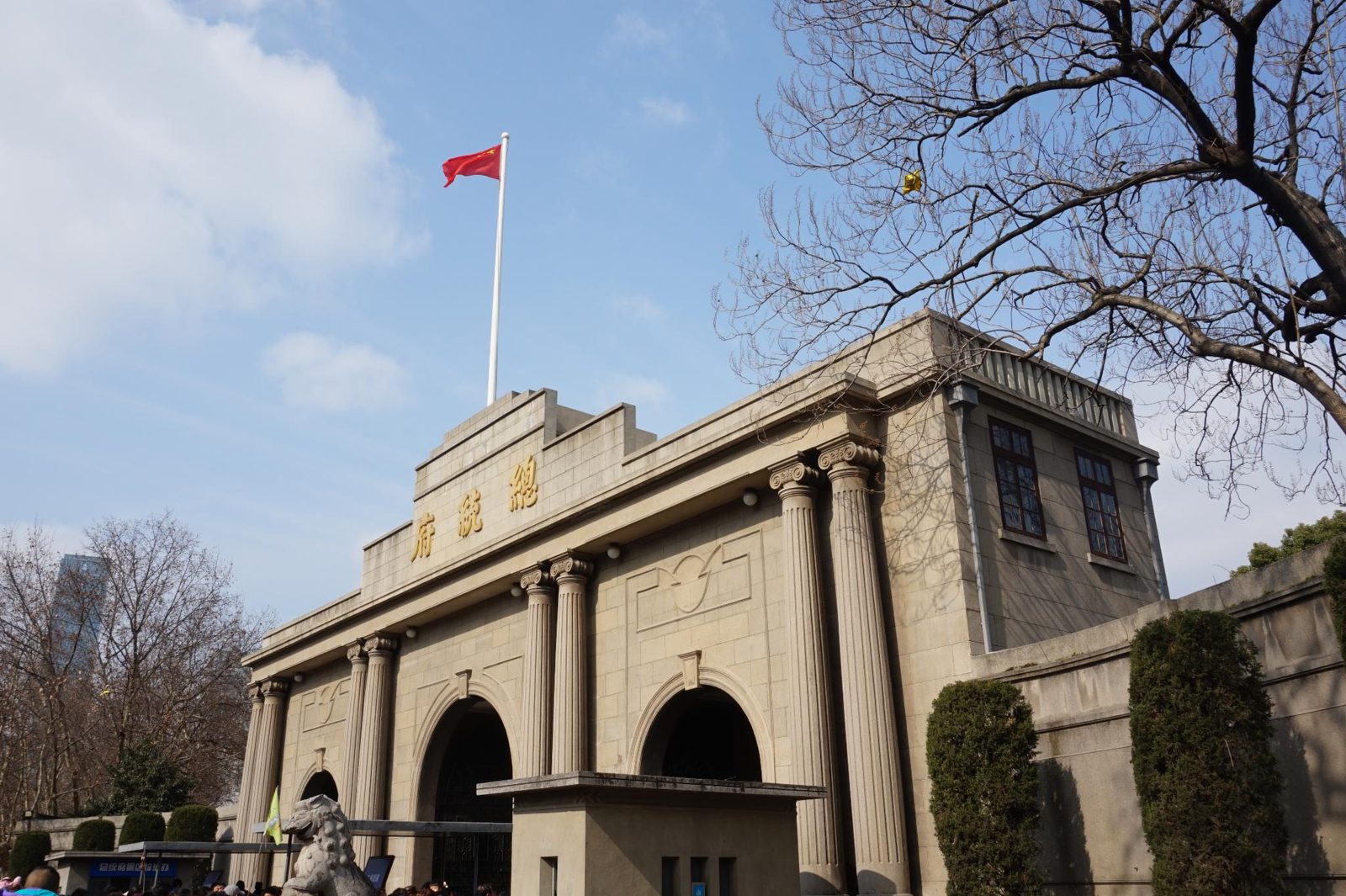
Presidential Palace (Site Museum of Modern Chinese History)
Six hundred years condensed into one compound: a Han prince's palace in the early Ming, the office of the Liangjiang Viceroy in the Qing, the Heavenly King's palace under the Taiping, where Sun Yat-sen was sworn in as provisional president in 1912, the Nationalist Government's presidential palace after 1948, and from the 1980s the Site Museum of Modern Chinese Hist...
Visitor info
- Opening hours
- 08:30-18:00
- Ticket
- CNY 35
Price is indicative — final quote on inquiry.
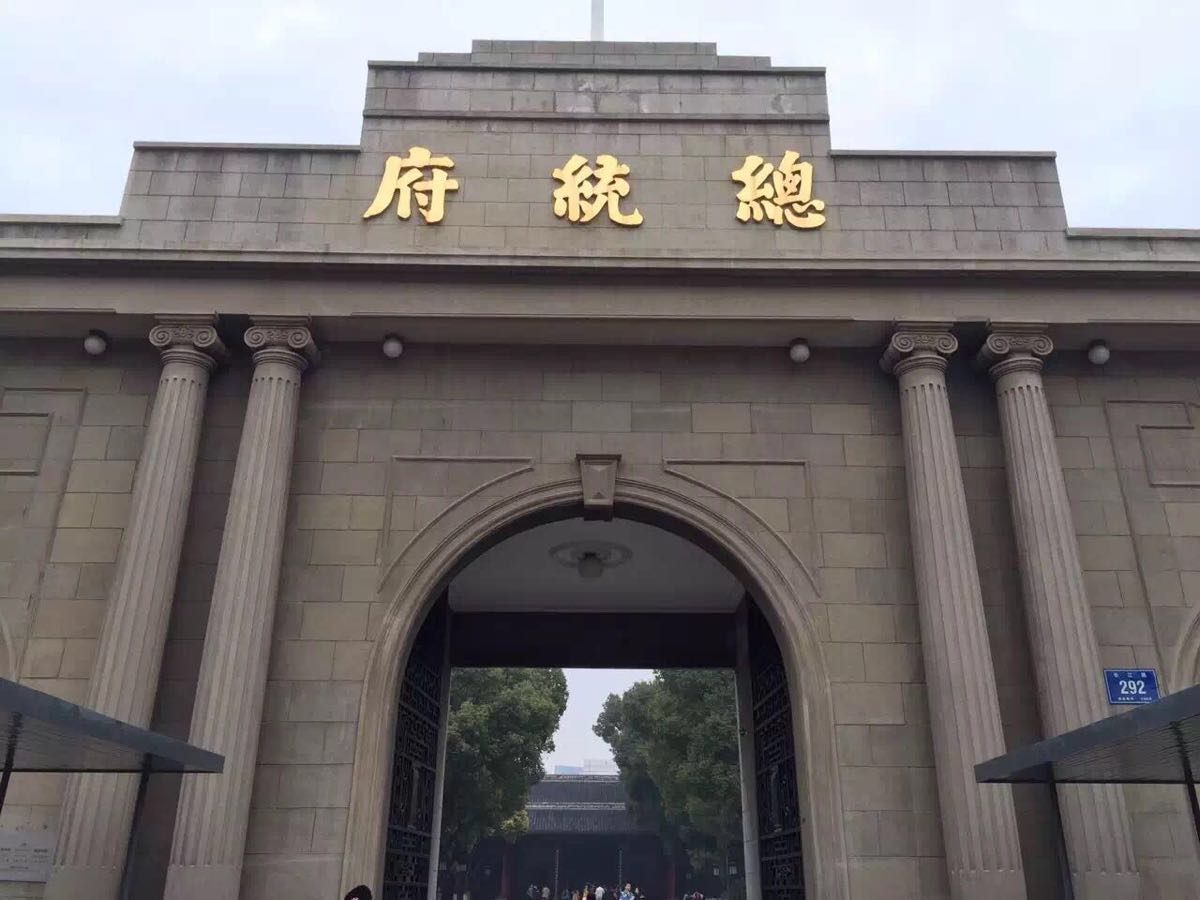
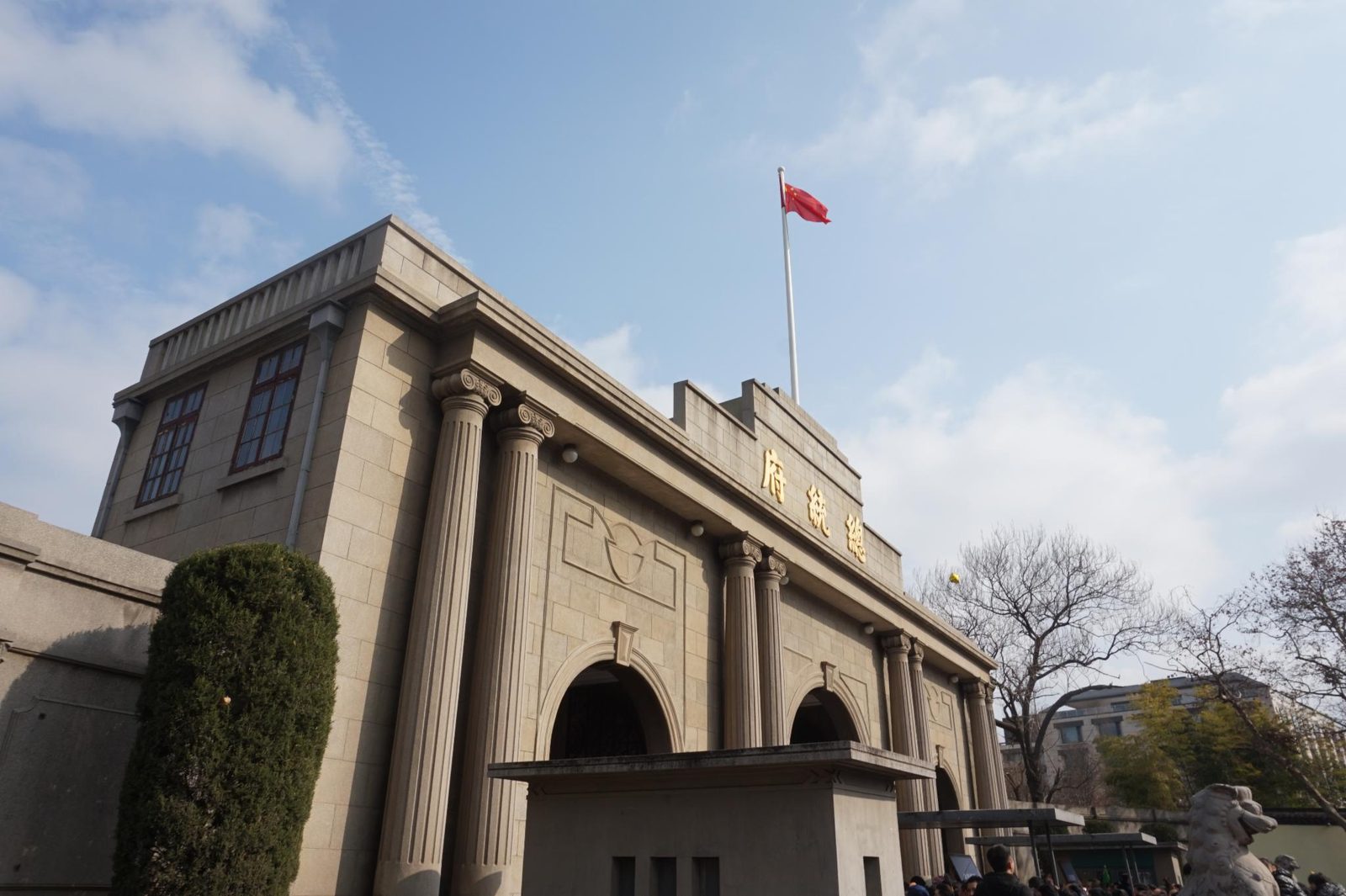
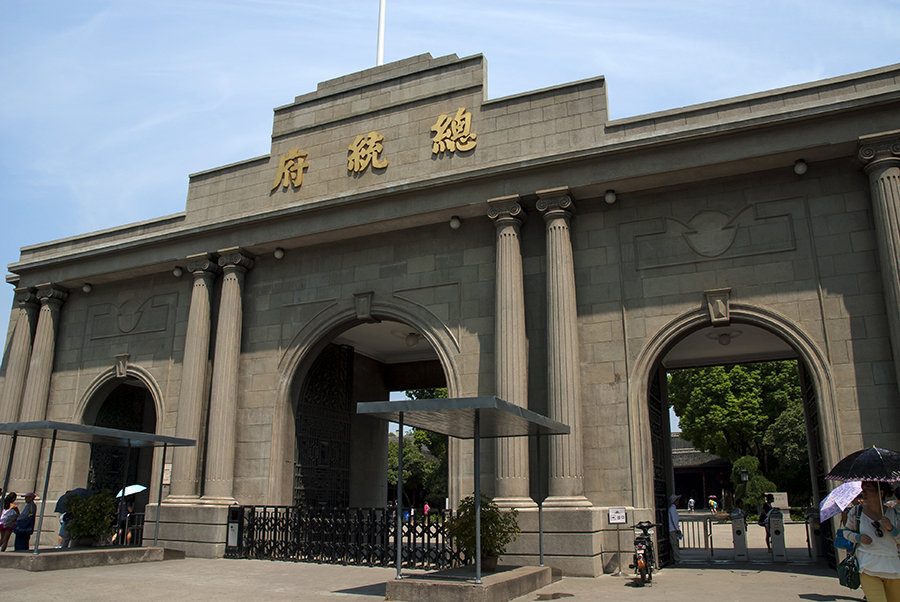
Six hundred years condensed into one compound: in the early Ming it was a Han prince's palace, in the Qing the office of the Liangjiang Viceroy, under the Taiping the Heavenly King's palace; in 1912 Sun Yat-sen was sworn in here as provisional president, from 1948 it served as the presidential palace of the Nationalist Government, and in the 1980s it became the Site Museum of Modern Chinese History. The Zichao Building on the central axis preserves Chiang Kai-shek's office exactly as it was; Xu Garden (the west garden of the Ming Jiajing era) and Fu Garden set water and rocks in counterpoint, with Jiangnan gardens and government-office architecture coexisting in one compound. The "Historical Exhibition of the Liangjiang Viceroy's Office" systematically presents successive viceroys such as Lin Zexu and Zeng Guofan and the key junctures of the Taiping episode and the 1911 Revolution; a must-visit for getting your bearings in modern Chinese history—crowds are heavy on holidays, so come early.
Getting there: Metro Line 2/3, Daxinggong Station
Photos
More in Nanjing
- Sun Yat-sen Mausoleum
392 marble steps up Purple Mountain to the father of modern China.
- Ming Xiaoling Mausoleum
Sacred Way stone animals guarding the tomb of the Ming founder.
- Confucius Temple (Fuzimiao)
Qinhuai River lantern district; night cruise past painted boats.
- Zhonghua Gate
The world's largest castle-style city gate, 27 soldier hideouts inside.
- Sun Yat-sen Mausoleum
The mausoleum of Dr. Sun Yat-sen, begun in 1926 with his remains interred in 1929. The "Liberty Bell" ground plan by young architect Lü Yanzhi won a global design competition, a milestone of modern Chinese architectural history.
- Ming Xiaoling Mausoleum
The joint tomb of Ming founder Zhu Yuanzhang and Empress Ma, begun in 1381. It pioneered the "court in front, resting quarters behind" mausoleum layout, the wellspring of the Ming-Qing imperial tomb system; in 2003 it was inscribed as a UNESCO World Heritage Site as part of the extension of the Imperial Tombs of the Ming and Qing Dynasties.